The modern outdoor gear retailer is a study in monochromatic conformity. Walk down the fleece aisle of any well-stocked equipment outfitter, and a quiet, systemic redundancy becomes immediately apparent: the problem is the color black. Dozens of versions of black garments hang side by side, each marginally distinct from the next in ways only discernible when held together under direct, high-intensity lighting. This visual overlap is not merely a design quirk; it is the physical manifestation of a massive, resource-intensive manufacturing inefficiency that has gone largely unexamined by the textile industry for decades.
To expose this hidden footprint, outdoor brand Haglöfs, in strategic partnership with performance textile innovator Polartec, launched the Black Capsule Project. The initiative brings to light a staggering operational reality: the global outdoor apparel industry routinely runs countless separate, proprietary dye processes, consuming staggering quantities of water and energy, simply to produce shades of black that are, for all practical purposes, indistinguishable to the end consumer.
The Genesis of the Black Capsule Project
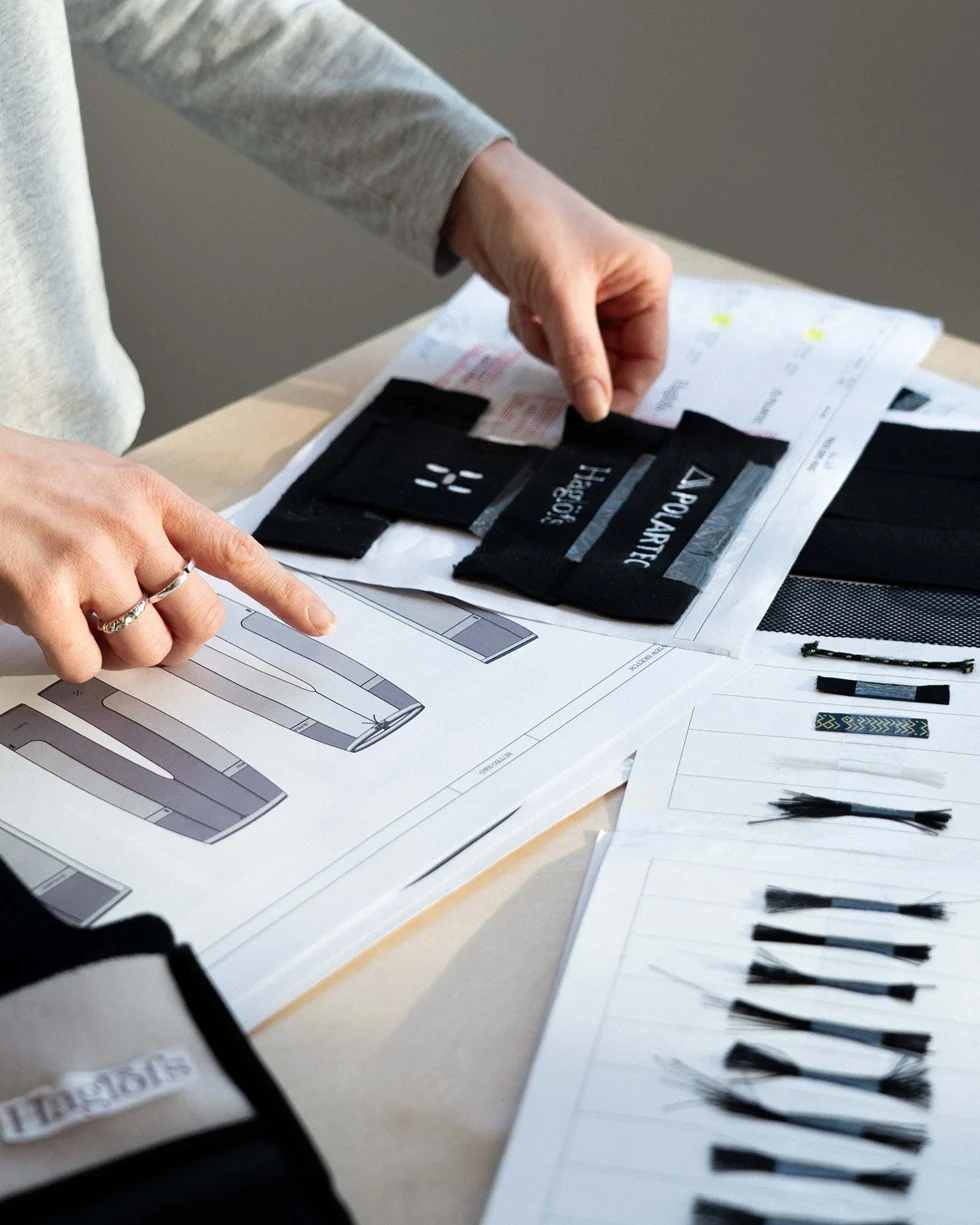
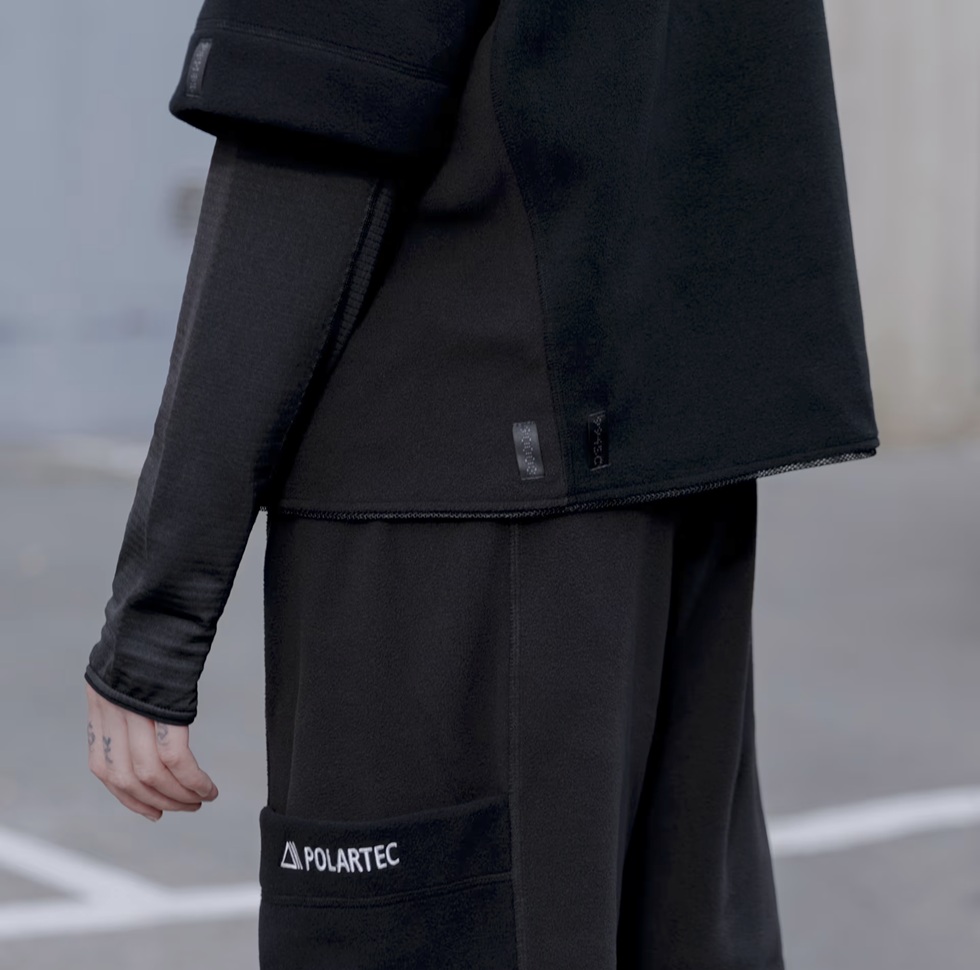
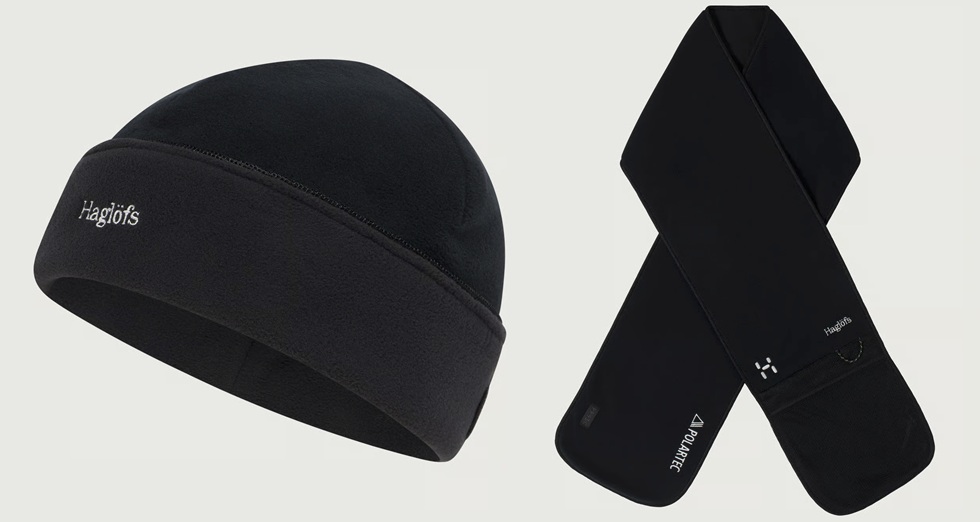
The movement toward standardization began as an experimental provocation rather than a conventional commercial rollout. Haglöfs engineered the Black Capsule collection—comprising a Project Tee, a beanie, a scarf, and trousers—entirely out of leftover, mismatched black Polartec fleece fragments sourced from various production runs.
Upon close inspection, each panel of a Black Capsule garment features a woven label stamped with its distinct color batch number. These markers serve as an unvarnished audit trail, proving that the garment was pieced together from separately commissioned, separately processed, and separately dyed batches of fabric. While the variations in hue are faint, the environmental overhead required to bring them into existence is immense. For the consumer, the differences are entirely invisible. For the brands, each variation represents a distinct dye recipe, a unique chemical cocktail, an independent minimum order quantity (MOQ), and a separate environmental ledger that has historically remained untallied.
Understanding the Heavy Footprint of Synthetic Dyeing
To comprehend why the industry’s obsession with proprietary shades of black is problematic, one must examine the mechanics of industrial textile coloration, particularly regarding synthetic fibers. Polyester, which forms the foundation of the outdoor sector’s mid-layer market, behaves fundamentally differently than natural fibers like cotton or wool.
Natural fibers possess a natural affinity for water-based dyes, allowing them to be colored at relatively low temperatures utilizing modest chemical inputs. Polyester, conversely, is hydrophobic; it naturally repels water. Introducing color into synthetic polymer structures requires an entirely different class of chemistry known as disperse dyes. These compounds are applied under intense pressure at temperatures typically exceeding 130 degrees Celsius within a pressurized aqueous bath, forcing the dye molecules deep into the fiber matrix.
This thermo-mechanical process is inherently energy-intensive. Heating vast volumes of water to vessel-level temperatures and maintaining them throughout a prolonged cycle demands substantial electricity and thermal power. Furthermore, black is universally recognized as the most resource-demanding color in the textile spectrum. Achieving a deep, lightfast, and neutral black requires the simultaneous layering of multiple disperse dye molecules, compounding the required chemistry, fixation cycles, water volume, and thermal energy.
According to international textile and environmental assessments, the textile sector is responsible for roughly 20% of global industrial water pollution, with wet processing—specifically dyeing and finishing—accounting for the lion’s share of that impact. Depending on the methodology, depth of shade, and facility efficiency, processing a single kilogram of dyed polyester fabric requires anywhere from 30 to 150 liters of water. Black sits squarely at the absolute peak of that resource-consumption range. When multiplied across hundreds of outdoor brands independently commissioning proprietary shades of black, the collective environmental toll becomes staggering.
The Economic Trap of Minimum Order Quantities
The persistence of this redundant manufacturing model is largely driven by supply chain economics, specifically Minimum Order Quantities (MOQs). Industrial dye houses operate on batch economies. To run a dye cycle cost-effectively, a facility requires a minimum volume of raw fabric—frequently several hundred kilograms per run, if not significantly more.
When a brand commissions a specific, proprietary shade of black to match a corporate pantone or maintain brand exclusivity, it must order enough fabric to clear the dye house’s economic threshold. Smaller brands or smaller seasonal lines often pay a financial premium for short runs. Consequently, dozens of competing companies independently commission minor variations of black, each requiring its own laboratory recipe development, laboratory dips, quality assurance approvals, batch runs, and chemical waste streams.
The ultimate waste does not stem from any single corporate decision, but rather from the aggregate of hundreds of individually rational business choices that result in an irrational collective outcome. It was this systemic friction that inspired Haglöfs and Polartec to engineer a unified corrective path.
Standard Issue Black: A Collaborative Industry Standard
The solution formulated by Haglöfs and Polartec is conceptually straightforward: establish a single, universal shade of black, dye it at true industrial scale as part of standard manufacturing procedures, and make it openly accessible to the broader outdoor apparel market. Rather than maintaining black as a proprietary competitive advantage, the initiative removes barriers to entry, offering a shared standard free of licensing fees or exclusivity restrictions.
The environmental math underpinning this consolidation relies on established principles of industrial efficiency. By merging dozens of fragmented, small-to-medium dye batches into massive, consolidated production runs, textile mills can drastically optimize water recirculation, heat retention, and chemical fixation rates.
Internal sustainability assessments conducted by Haglöfs indicate that transitioning to this consolidated approach yields a reduction of over 50% in water utilization and at least a 20% decrease in energy consumption compared to traditional piece-dyed black fabrics. While these figures represent manufacturer-supplied estimates rather than independently audited industry benchmarks, the thermodynamic and chemical logic remains sound. Batch consolidation is a proven lever for impact reduction across chemical engineering sectors; the primary question is why the textile industry did not implement it decades ago.
Transitioning from Concept to Commercial Reality
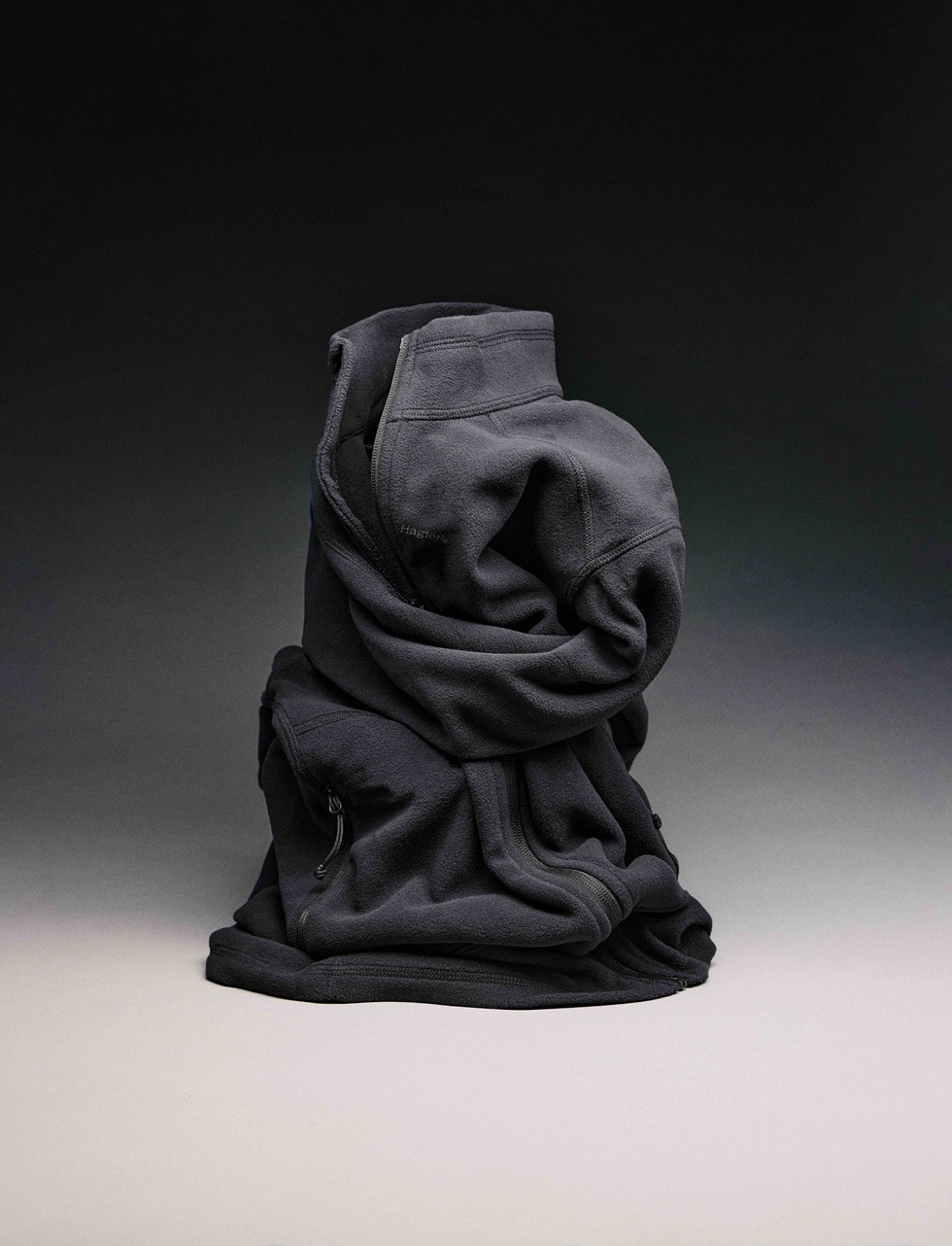
The concept transitions into full commercial implementation with Haglöfs’ Fall/Winter 2026 collection, anchored by the integration of Standard Issue Black into one of the brand’s high-volume staples: the Buteo Mid II Jacket.
Choosing a high-volume bestseller rather than a niche, limited-edition capsule was a deliberate strategic choice by Haglöfs’ leadership. Eva Weiss, Head of Design and R&D at Haglöfs, emphasized that the environmental viability of a standard black relies entirely on scale. Deploying the standard within a limited run serves merely as a symbolic demonstration, whereas embedding it into a commercial bestseller translates philosophy into structural change.
Addressing the Creativity Debate in Apparel Design
A frequent critique raised by apparel designers upon encountering proposals for color standardization is the risk of creative stagnation. The traditional perspective dictates that proprietary color palettes allow brands to carve out distinct visual identities in a crowded marketplace.
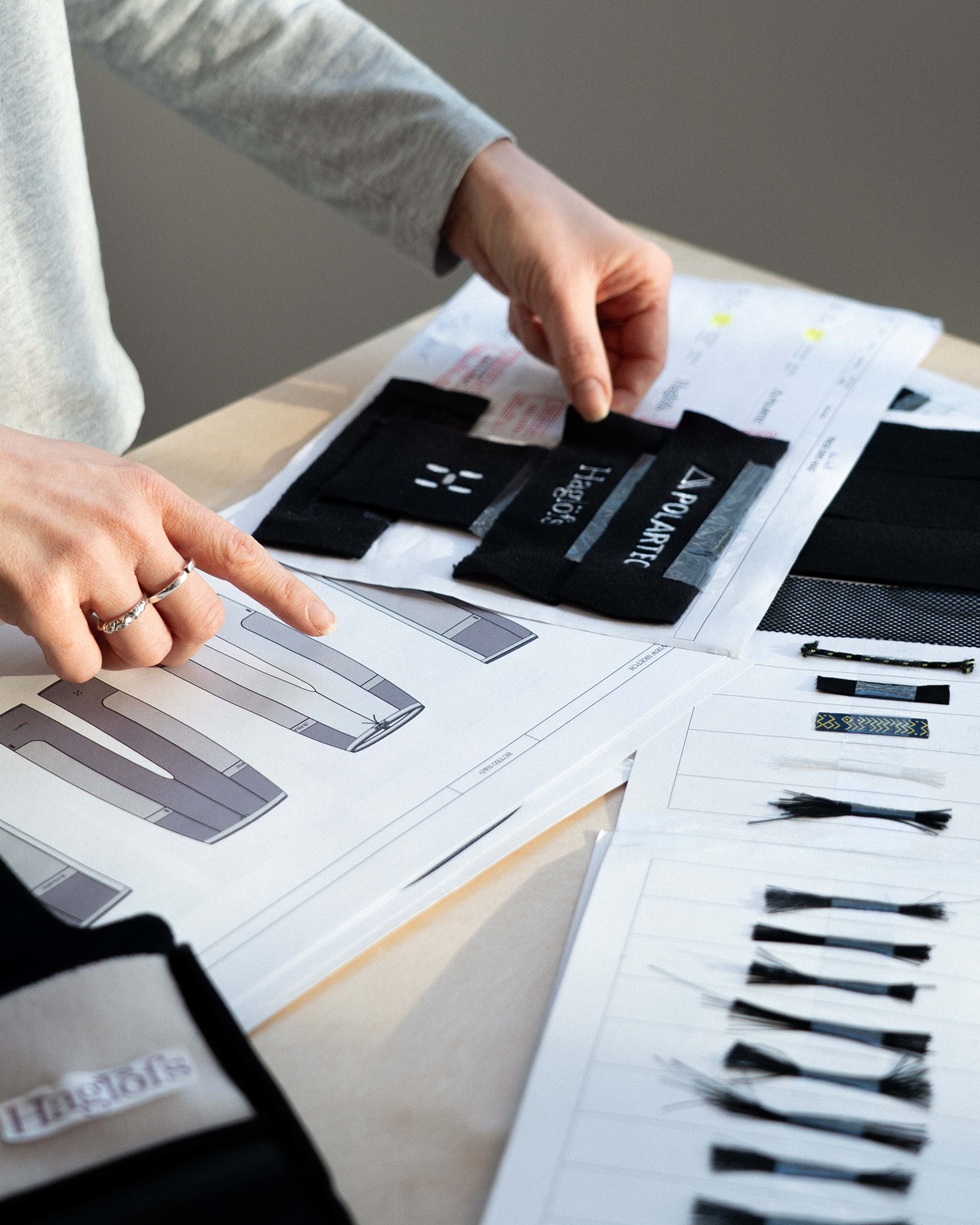
However, industry analysts note that black has rarely served as a primary point of brand differentiation within outdoor apparel. True distinctiveness in technical outerwear is historically achieved through silhouette, cut, construction techniques, hardware selection, technical fabric specifications, ergonomic fit, trim detailing, branding placement, and seasonal accent colors. Black remains a functional, dependable constant across the industry.
Weighing in on this design philosophy, Eva Weiss noted that standardization does not inherently restrict creative output. Within a structured framework, agreement on foundational components provides designers with the bandwidth to focus on collaborative impact and innovation. By removing the redundant labor of color-matching endless shades of black, creative teams can redirect resources toward sustainable material development and functional performance.
Industry precedent supports this argument. Decades ago, the outdoor and broader apparel industries largely standardized around a small number of zipper manufacturers, most notably YKK. The ubiquity of standardized hardware did not suppress creative design in outerwear; rather, it streamlined supply chains and freed design energy for structural engineering and aesthetic expression. Proponents argue that standardizing black can achieve a parallel evolution in sustainable textile chemistry.
Pathways to Broader Market Adoption
Despite the clear environmental and economic arguments in favor of Standard Issue Black, widespread adoption across the global outdoor market remains to be seen. The apparel sector possesses a long-established history of launching well-intentioned sustainability initiatives that garner initial praise before being overlooked by competing firms. Furthermore, the persistent "green premium"—the historical gap between consumer sustainability values and purchasing behavior—has historically hindered voluntary supply chain overhauls.
Standard Issue Black avoids the green premium hurdle entirely, as its consolidated economics are cost-neutral or net-positive for manufacturing partners. The primary obstacle is not financial, but rather institutional inertia—the operational momentum that has kept brands running thousands of independent dye variations for generations.
Similar systemic shifts are currently underway across other segments of the textile and manufacturing industries, such as Unspun’s automated weaving technology, BASF and VAUDE’s zero-carbon precursor initiatives, and Gore’s transition to expanded polyethylene (ePE) membranes. These movements share a common objective: optimizing industrial systems to do more with less friction.
Whether competing brands will adopt the Standard Issue Black framework at a scale sufficient to reshape industry norms remains the defining question of the current apparel cycle. For now, the transition of the standard from a conceptual art piece in the Black Capsule collection to a high-volume commercial reality in the Buteo Mid II Jacket marks a tangible step toward accountability in outdoor manufacturing.