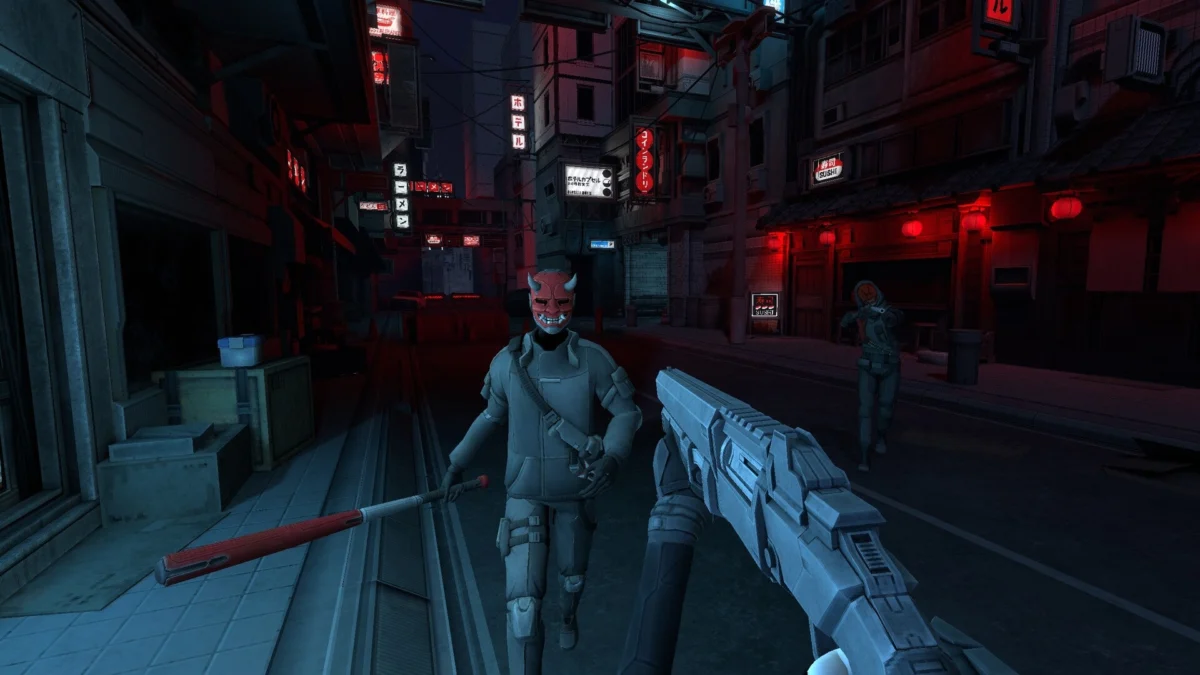
The Tokyo Game Show (TGS) 2026 served as the backdrop for the unveiling of Tokyo Walled City, a highly anticipated title from independent development studio Grim Ronin. Described as a stealth-action, retro-cyberpunk immersive sim, the game incorporates survival horror and role-playing elements, positioning itself as a potential successor to industry-defining franchises that have largely remained dormant in recent years.
A New Chapter for the Immersive Sim Genre
The immersive sim genre—characterized by emergent gameplay, deep player agency, and non-linear problem solving—has faced a prolonged period of quietude. With industry staples such as Deus Ex currently in a state of indefinite development limbo and the Dishonored franchise seeing its core development teams pivot toward other projects, a vacuum has formed in the market. Grim Ronin’s Tokyo Walled City aims to address this deficit by blending familiar mechanics with a distinct aesthetic.
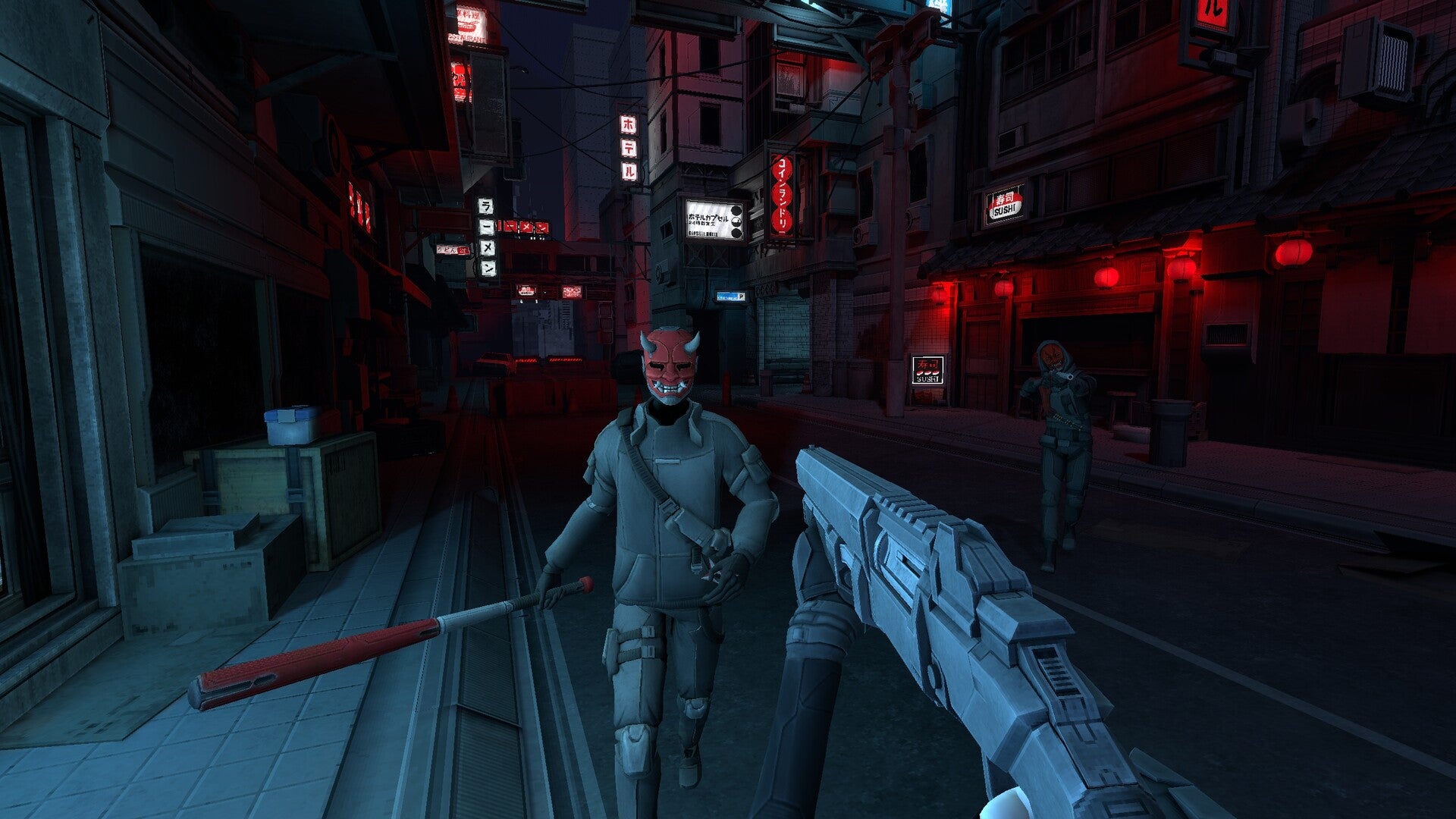
The game is set within a sequestered, futuristic district of Tokyo, where players assume the role of a mercenary equipped with a suite of parkour abilities and tactical weaponry. Early footage reveals a focus on the core pillars of the immersive sim experience: environmental interaction, light-based stealth, electronic hacking, and vertical traversal. The inclusion of a nod to the "0451" keypad code—a long-standing tradition in the genre originating from Looking Glass Studios—signals the developers’ intent to pay homage to the foundational titles that established the framework for modern interactive narratives.
Gameplay Mechanics and Design Philosophy
Grim Ronin has confirmed that the project draws significant mechanical inspiration from the Dishonored series, particularly regarding movement fluidity and verticality. The parkour system is designed to allow players to transition seamlessly from high-altitude traversal to close-quarters combat, emphasizing the "knifey" mercenary aesthetic presented in the announcement trailer.
The gameplay loop integrates several distinct layers:
- Tactical Stealth: Utilizing the environment, such as shooting out light sources to remain in shadow or navigating through complex duct systems to bypass security patrols.
- Systemic Interaction: The ability to manipulate security cameras and terminal systems, reflecting the genre’s focus on "emergent" solutions where the player’s creativity dictates the outcome of an objective.
- Survival Horror Elements: Unlike pure power-fantasy titles, Tokyo Walled City introduces atmospheric tension. The presence of autonomous androids and the requirement for resource management suggest that the player is never entirely secure, even when possessing high-end equipment.
While the firearm-based combat remains a focus of the trailer, industry analysts have noted that the studio appears to be prioritizing a "quickload" culture—where the threat of death is constant, and the game encourages experimentation rather than brute-force progression.
The Development Landscape
Grim Ronin, the indie outfit behind the project, has utilized the TGS 2026 platform to signal their ambition. By positioning the game as a retro-cyberpunk experience, the studio is tapping into a visual and thematic language that resonates with a specific demographic of gaming enthusiasts. This aesthetic, characterized by neon-drenched streets, persistent rain, and the grit of a technologically advanced yet decaying society, serves as a direct counterpoint to more polished, high-budget corporate titles.
The move toward an Early Access release model on Steam indicates that Grim Ronin intends to engage in a collaborative development process. By involving the community in the tuning of the "survival" and "RPG" aspects of the game, the studio aims to refine the balance between the precision required for stealth and the volatility inherent in horror-influenced gameplay.
Market Context and Historical Precedents
The emergence of Tokyo Walled City arrives at a critical juncture for the immersive sim. Over the past decade, the genre has transitioned from a mainstream AAA staple to a fertile ground for independent developers. Titles such as Cruelty Squad and Gloomwood have demonstrated that players are willing to engage with complex, difficult, and visually unconventional games if the underlying systems provide enough depth.
Historically, the immersive sim has been defined by a focus on "player choice." The genre rose to prominence in the late 1990s and early 2000s, spearheaded by titles like Thief, System Shock, and the original Deus Ex. These games pioneered the concept of the "emergent narrative," where the game world reacts to player actions in ways the developers may not have explicitly scripted. Tokyo Walled City appears to be attempting to synthesize these decades-old design principles with the modern expectations of fluid movement and high-fidelity environmental design.
Industry Implications and Future Outlook
The silence surrounding major franchises has created a "waiting room" effect among fans of the genre. With Harvey Smith, a veteran of the Dishonored and Deus Ex series, recently establishing a new studio dedicated to immersive sims, the industry is seeing a renewed interest in the format. However, while large-scale projects often face lengthy development cycles and corporate oversight, smaller studios like Grim Ronin possess the agility to iterate quickly on niche concepts.
The lack of a concrete release date for Tokyo Walled City suggests that the project is still in a formative stage. However, the decision to showcase the game at TGS 2026 demonstrates that the studio is confident in the core "vertical backstab" movement flow and the atmospheric integrity of their world-building.
Fact-Based Analysis of Gameplay Expectations
Based on the provided announcement data, the game’s success will likely hinge on its ability to balance the three core pillars:
- The "Immersive" Factor: Can the environment support multiple, valid playstyles without breaking under the weight of its own systems?
- The Horror Integration: How will the survival horror elements impact the stealth-action gameplay? If the game forces combat too frequently, it risks alienating the stealth-focused demographic.
- Mechanical Polish: As noted in initial observations, the gunplay in the announcement trailer appeared somewhat stilted compared to the fluid parkour. Achieving a uniform level of polish across all interaction systems will be a primary challenge for the development team.
Conclusion
Tokyo Walled City represents a significant entry for the indie sector in 2026. By focusing on the foundational elements of the immersive sim while injecting a sense of dread and a distinct retro-cyberpunk aesthetic, Grim Ronin is positioned to capture a market that has been largely ignored by major publishers. As the title moves toward an Early Access release, the gaming community will be closely watching to see if it can successfully fill the void left by the genre’s dormant giants. While no launch date is currently confirmed, the project has established itself as a focal point for those seeking a return to the complex, systemic-driven experiences that defined the golden age of the immersive sim.