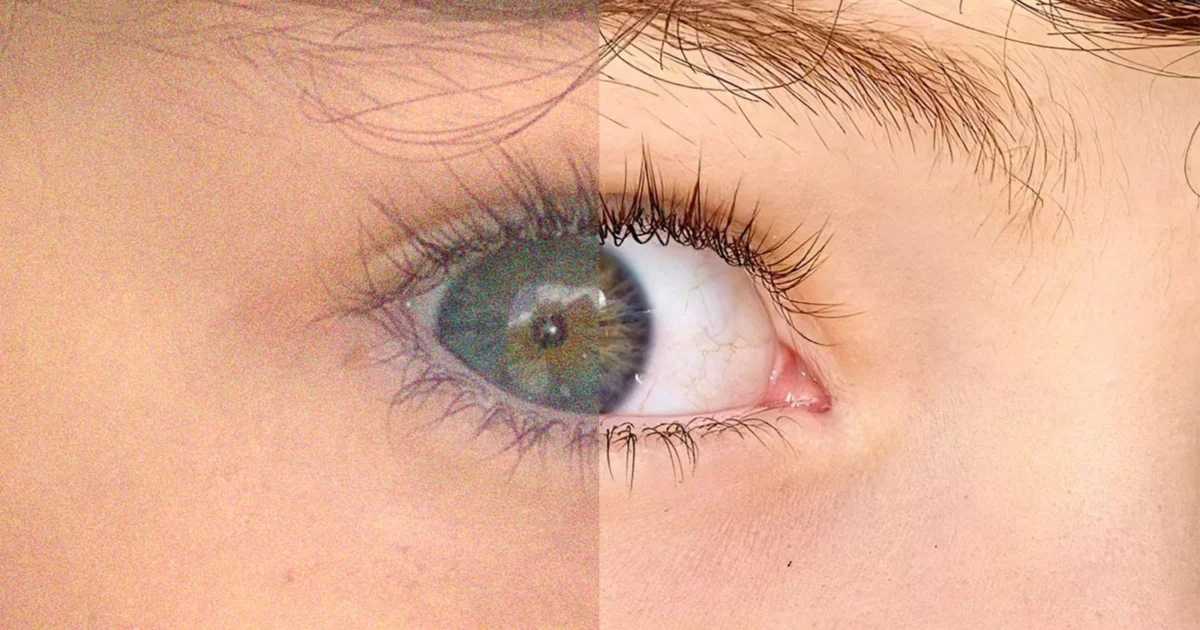
In a move that signals a significant shift in its hardware and visual processing strategy, OpenAI has reportedly acquired Glass Imaging, a specialized startup recognized for its pioneering work in Neural Image Signal Processing (ISP). The transaction, valued at approximately $300 million, underscores the rising importance of computational photography in the era of artificial intelligence. While both companies have maintained silence regarding the terms of the deal, the acquisition suggests that OpenAI is aggressively moving toward integrating high-fidelity image capture into its expanding hardware and software ecosystem.
The Rise of Glass Imaging
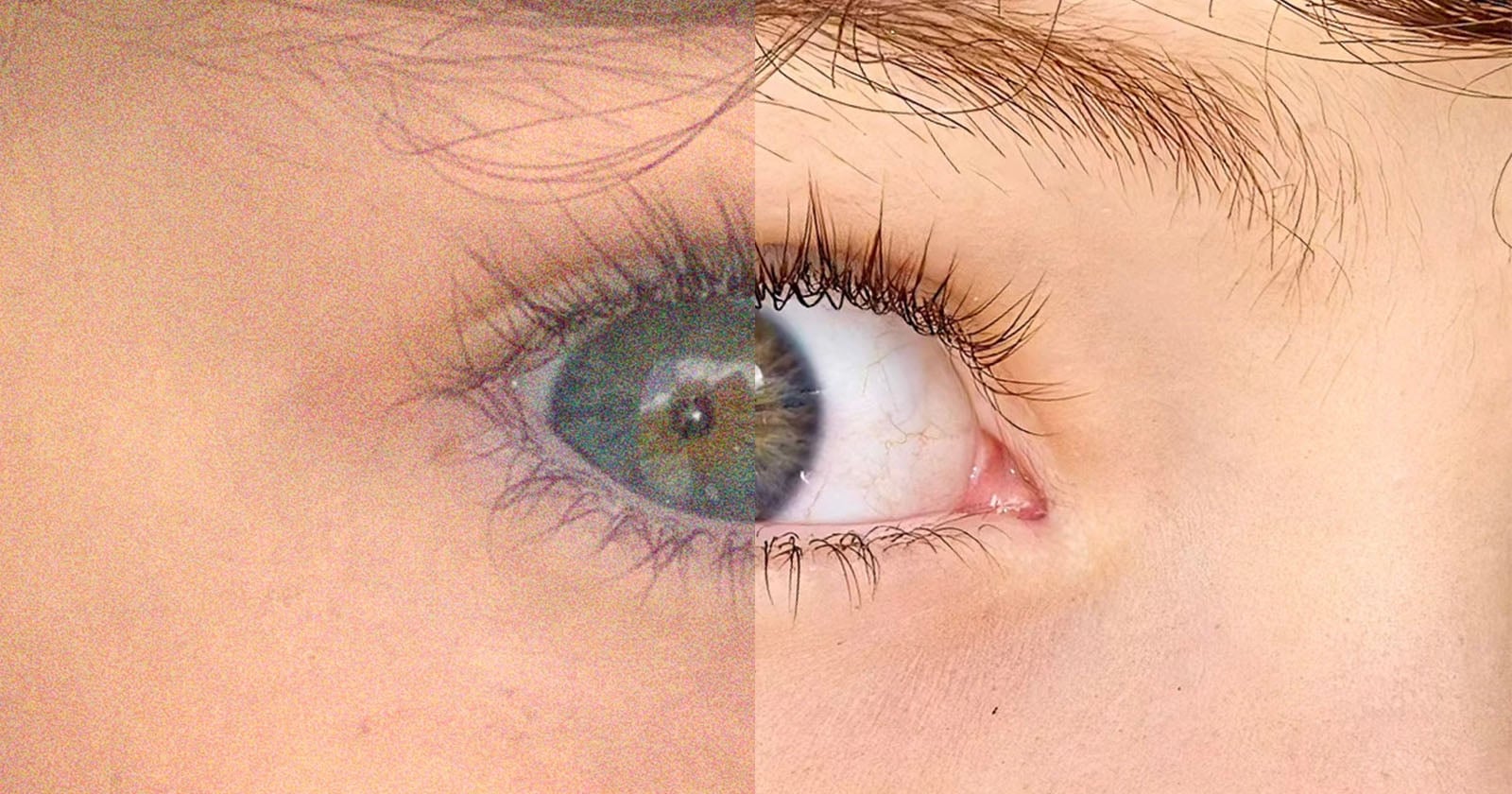
Glass Imaging emerged as a disruptor in the smartphone photography sector by tackling the inherent physical limitations of mobile camera hardware. Modern smartphones are constrained by their thin form factors, which limit the size of sensors and the optical depth of lenses. Glass Imaging’s core technology, the GlassAI Neural ISP, bypassed these physical hurdles by leveraging deep learning models to process raw sensor data at a fundamental level.
Unlike standard software sharpening or basic AI upscaling, the GlassAI system was engineered to understand the physical characteristics of the lens and the sensor architecture. By analyzing raw data, the software could reconstruct images with detail and dynamic range that effectively rivaled the output of dedicated, large-sensor cameras.
The technology reached a significant milestone in mid-2026 when it was successfully integrated into the Honor 600 smartphone. Users and industry critics observed a marked improvement in high-zoom photography, a notoriously difficult area for mobile devices. Prior to this, in 2024, the company demonstrated the efficacy of its algorithms on the Qualcomm Snapdragon 8 Elite mobile platform, proving that mobile devices could achieve professional-grade resolution through intelligent signal processing.
A Chronology of Growth and Acquisition
The trajectory of Glass Imaging serves as a case study for the rapid consolidation of AI startups.
- 2024: Glass Imaging gains industry prominence through successful technical demonstrations on the Snapdragon 8 Elite platform, highlighting the potential to overcome mobile optical limitations.
- 2025: The company attracts significant venture capital interest, reaching a valuation of $100 million following a successful funding round.
- May 2025: OpenAI purchases Jony Ive’s AI hardware startup for $6.5 billion, signaling the company’s intention to enter the physical device market.
- June 2026: GlassAI Neural ISP is commercially launched in the Honor 600, validating the technology’s viability in consumer markets.
- September 2026: Reports confirm OpenAI’s acquisition of Glass Imaging for $300 million, effectively tripling the startup’s valuation in just over a year.
The Rationale Behind the Acquisition
The $300 million price tag, while substantial, reflects the premium placed on specialized talent and proprietary algorithms in the current AI market. The question remains: why does a company focused on Large Language Models (LLMs) and generative AI require a specialized image processing firm?
The answer likely lies in OpenAI’s hardware ambitions. Following the 2025 acquisition of Jony Ive’s hardware startup, it became clear that OpenAI aims to move beyond chat-based interfaces. If OpenAI is indeed developing an AI-centric wearable or a next-generation mobile device, the ability to process visual data with "human-like" precision is paramount.
Visual intelligence is the next frontier for AI. For an AI agent to truly assist a user in the physical world, it must "see" with high fidelity. If an OpenAI-developed device aims to perform real-time data analysis, object recognition, or augmented reality tasks, it cannot rely on standard, noisy mobile imagery. Glass Imaging’s technology provides the bridge between raw, pixelated sensor data and a high-resolution, machine-readable visual feed. By owning this technology, OpenAI secures a critical pipeline for high-quality visual input, which is essential for training future multi-modal models that rely on real-world visual data.
Implications for the Smartphone Industry
The acquisition has immediate implications for the mobile industry. For years, smartphone manufacturers have been in an "arms race" to increase megapixel counts and improve sensor sizes. Glass Imaging demonstrated that the "software-defined camera" is a more cost-effective and scalable path to quality.
With Glass Imaging now under the OpenAI umbrella, its technology may be pulled from the open market. This represents a "real-world" loss for other smartphone OEMs (Original Equipment Manufacturers) that were hoping to license this technology to compete with the industry leaders like Apple and Samsung. If OpenAI chooses to restrict this ISP technology to its own proprietary hardware, it creates a significant competitive moat.
Furthermore, the acquisition highlights a broader trend: the "Neural ISP" era. As processing power increases, the distinction between a physical camera lens and the subsequent digital interpretation is blurring. Companies are increasingly prioritizing the "intelligence" of the camera over the "optics" of the camera.
Industry and Economic Context
The $300 million valuation indicates a strategic shift. When investors backed Glass Imaging at $100 million in 2025, they were likely betting on the startup becoming a major supplier to the smartphone industry. OpenAI’s acquisition, however, pivots the company from a supplier to a internal R&D engine.
This consolidation mirrors the broader trend in Silicon Valley where "foundational AI" companies are buying "applied AI" firms to ensure their models have better, cleaner, and more specialized data sources. In the context of the smartphone market, which sells over a billion units annually, even a marginal improvement in image processing—achieved through AI—is worth billions in market share.
Future Outlook
While the short-term impact of the acquisition remains speculative, the long-term goal is likely the development of an "all-seeing" AI device. By combining Jony Ive’s design philosophy with Glass Imaging’s neural processing, OpenAI is positioning itself to lead the post-smartphone era.

Industry analysts suggest that the next twelve months will be critical. If OpenAI integrates Glass Imaging’s technology into a flagship hardware product, it could redefine the baseline for mobile imaging. Conversely, if the technology is folded into OpenAI’s core software models, we may see a massive leap in the visual capabilities of their flagship AI products, such as GPT-4o’s successor, allowing it to interpret high-resolution imagery with unprecedented accuracy.
As of now, the development work at Glass Imaging is expected to be redirected toward OpenAI’s internal projects. For the smartphone manufacturers that were counting on Glass Imaging to bridge the gap between their mid-range hardware and premium competitors, the acquisition is a setback. For OpenAI, it is a calculated investment in the physical senses of the machines they are building, ensuring that when their future AI agents look at the world, they see it with the clarity of a high-end camera—and the intelligence of a machine learning engine.