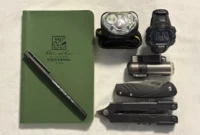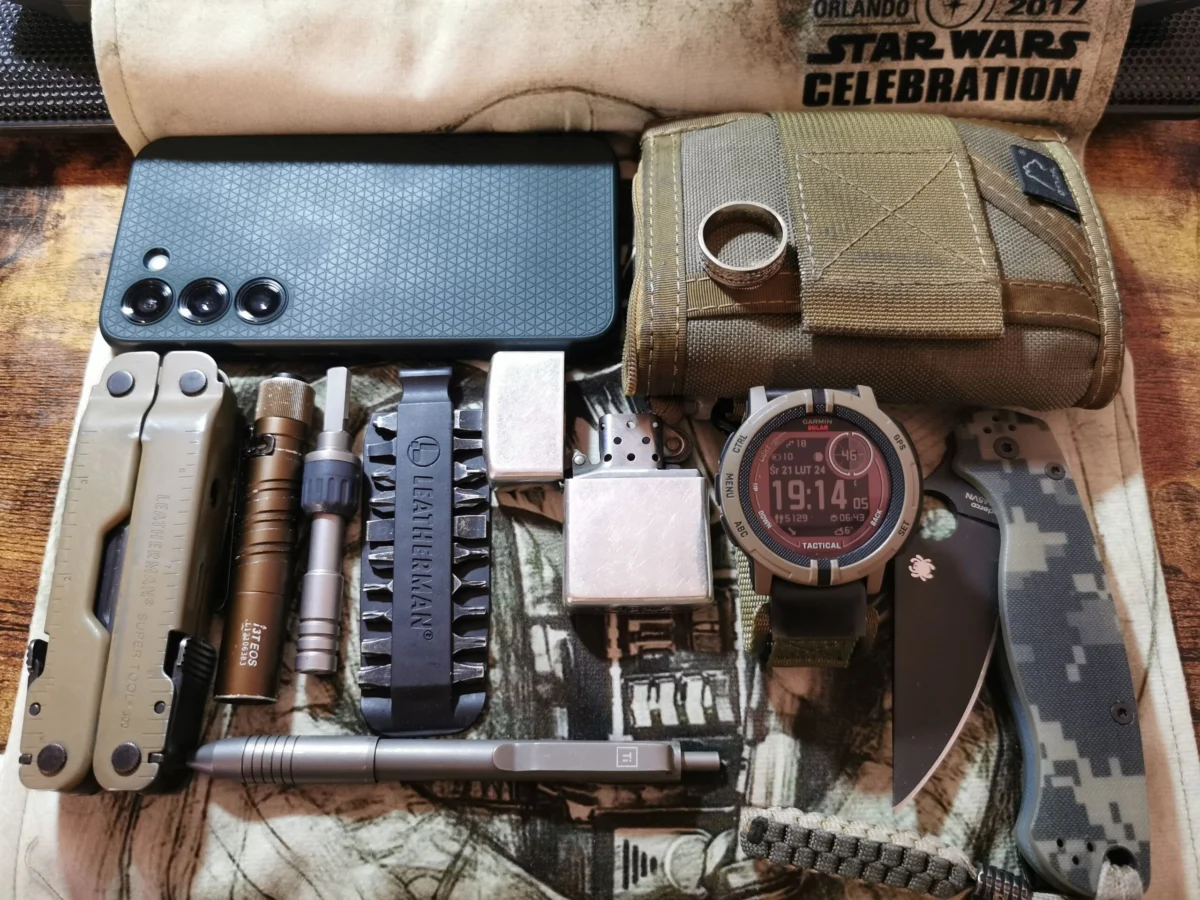
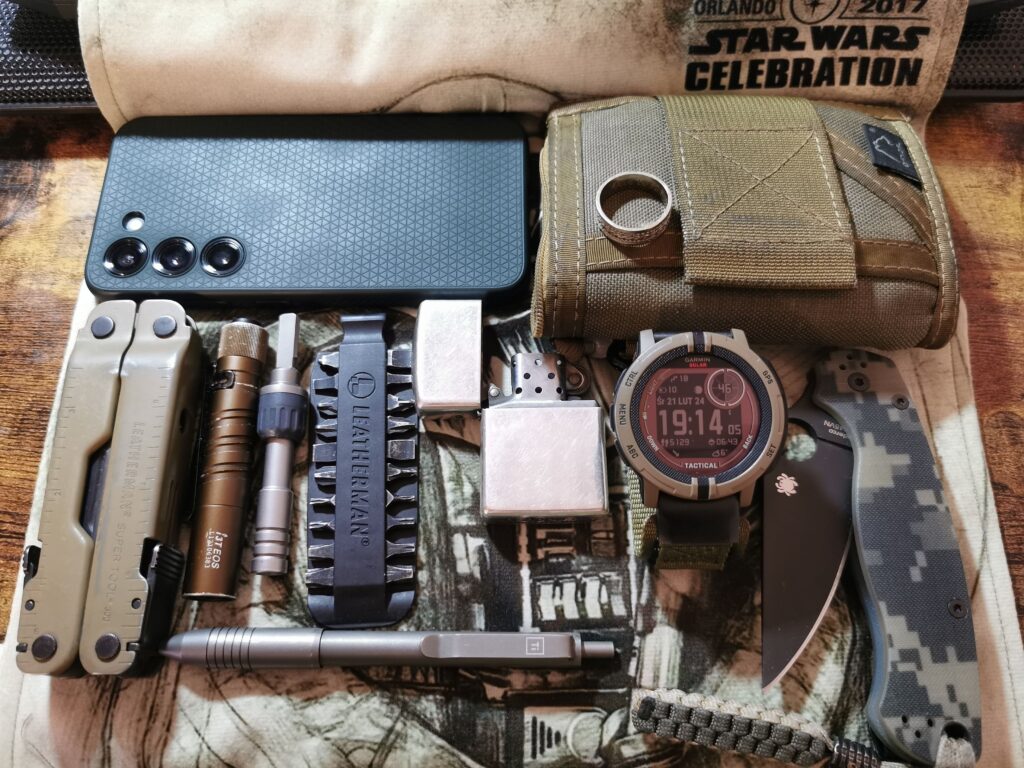
The modern concept of Everyday Carry (EDC) has evolved from a simple collection of personal effects into a sophisticated discipline of utility, preparedness, and aesthetic coherence. For professionals like Jan F., a Health and Safety Officer, the selection of daily tools is not merely a hobby but a deliberate exercise in risk mitigation and efficiency. By curating a kit over an extended period through iterative testing, Jan F. has demonstrated how individual professional requirements can dictate a highly personalized, functional, and reliable toolkit. This article examines the philosophy behind such a selection, the importance of wallet-based storage, and the broader trends within the EDC community.
The Philosophy of Iterative EDC Development
The process of refining an EDC loadout is rarely instantaneous. It is a long-term commitment to trial and error, where the user evaluates the utility of various knives, multi-tools, and writing implements against the rigors of their professional environment. Jan F.’s approach highlights a common theme among high-functioning EDC practitioners: the transition from "what I might need" to "what I know I need."
As a Health and Safety Officer, Jan F. likely navigates environments that require quick access to documentation, immediate repair capabilities, and perhaps the ability to manage small-scale emergencies. The selection of the Ti Click Pen for pocket carry and the Fisher Space Pen Bullet for wallet storage reflects a bifurcated strategy. The Ti Click Pen offers durability and ergonomics for frequent note-taking, while the Fisher Space Pen—a classic in the industry—provides a fail-safe, compact writing solution that can withstand extreme temperatures and pressurized conditions.
Strategic Storage: The Wallet as a Tool Module
One of the more innovative aspects of this specific configuration is the use of the wallet as a secondary storage module. In the traditional sense, wallets are reserved for identification and currency. However, contemporary EDC users are increasingly viewing the wallet as an organizational hub for slim-profile tools.
By integrating the Fisher Space Pen Bullet and a Mighty Hanks handkerchief into the wallet, Jan F. maximizes space efficiency without increasing the bulk of his pocket load. This strategy is particularly effective for those who prefer a minimalist silhouette in their clothing. Furthermore, the inclusion of a glasses cloth serves as a versatile utility item. Beyond its primary function of maintaining visual clarity, a high-quality microfiber cloth is essential for the care of modern touch-screen devices and delicate watch crystals, which are frequently exposed to the dust and debris inherent in industrial or field-based safety roles.
Tactical Aesthetics and Cohesion
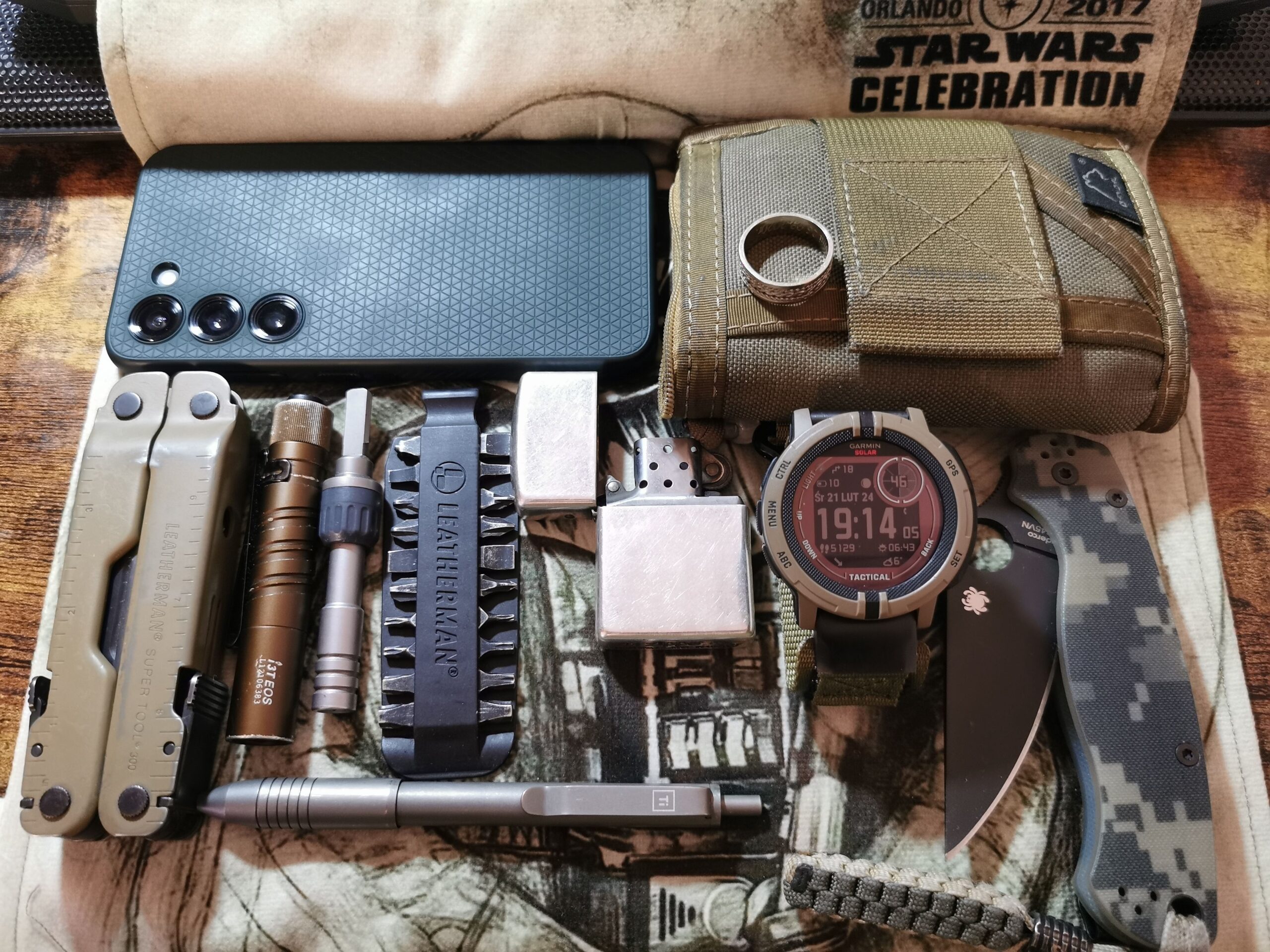
Beyond raw utility, the EDC community places a significant premium on visual cohesion. Jan F.’s kit is characterized by a deliberate color palette featuring digital camo, flat dark earth (FDE), and other tactical earth tones. This is not purely cosmetic. In many professional fields, these colors are synonymous with rugged durability and low-visibility requirements.
When tools share a common aesthetic theme, it often suggests that the user has invested in a "system" rather than a random collection of items. This cohesion can improve user confidence and streamline the retrieval process during high-stress situations. The selection of the Zippo Armor High Polish Chrome Lighter, for instance, serves as a bridge between classic reliability and modern material science, providing a robust flame source that complements the tactical utility of the rest of the kit.
The Evolution of the EDC Industry
The EDC market has seen significant growth over the past decade, driven by an increased emphasis on individual preparedness and the rise of social media platforms that foster community sharing. Data from the outdoor and tactical gear sectors suggest that consumers are increasingly moving away from mass-market, disposable products in favor of high-quality, "buy-it-for-life" items.
The movement is supported by an infrastructure of small-batch manufacturers who focus on premium materials such as titanium, G10, and high-carbon steels. For professionals like Jan F., these materials are essential. Titanium, used in the Ti Click Pen, offers a superior strength-to-weight ratio, ensuring that the tool remains functional even after years of daily usage in demanding environments.
Broader Implications for Professional Readiness
The trend toward hyper-optimized personal kits has implications for workplace productivity and safety. Employees who are well-equipped are better prepared to handle minor inconveniences, from a pen running out of ink during an inspection to a smudge on a safety screen that could impede visibility.
While the EDC movement is often viewed through the lens of individual interest, it also represents a shift toward personal responsibility in professional settings. By maintaining a kit that is "tailored directly to [one’s] needs," the professional effectively reduces their reliance on external resources, thereby increasing their operational autonomy.

Chronology of the Modern EDC Shift
- 2010–2014: The "Survivalist" phase, where EDC was largely synonymous with emergency preparedness and heavy-duty, overbuilt tools.
- 2015–2019: The rise of "Aesthetic Carry," where the focus shifted toward minimalism, premium materials like titanium, and social media showcase culture.
- 2020–Present: The "Hybrid Utility" phase, characterized by the integration of technology, refined ergonomics, and highly specific professional kits (such as those for medical, tactical, or office roles).
This chronology highlights that users are no longer simply carrying items; they are engineering their own personal hardware ecosystems. The feedback from community platforms confirms that the modern EDCer is highly discerning, valuing modularity and long-term durability over trends.
Analysis: Why Small Details Matter
The inclusion of a handkerchief, often overlooked by the general public, is a hallmark of the experienced EDC practitioner. The handkerchief serves a myriad of functions: sweat management, emergency bandage, surface cleaning, and gear protection. When combined with a specialized glasses cloth, it creates a dual-layer approach to maintenance.
Furthermore, the choice of the Zippo Armor series is telling. The "Armor" designation implies a thicker casing than the standard Zippo, reinforcing the theme of longevity. In a world of disposable lighters, the choice to carry a refillable, durable, and repairable item reflects a commitment to sustainability and a rejection of the "throwaway culture" that has dominated the retail market for years.
Future Perspectives on Personal Tooling
As technology continues to advance, the EDC kit will likely incorporate more smart-integrated tools. However, the core of the practice—the reliable pen, the durable knife, the versatile fabric, and the constant light source—will remain unchanged. The case of Jan F. serves as an excellent case study in how to approach this practice with discipline. By testing, discarding, and refining, any professional can build a kit that is not just a collection of "stuff," but a vital, functioning extension of their daily work.

The transition from a random assortment of items to a coherent system is the hallmark of the transition from novice to expert. Whether one is a Health and Safety Officer, an engineer, or a desk-bound professional, the principles remain the same: identify the requirements, test the tools, refine the loadout, and maintain the gear. As the EDC community continues to grow, it will continue to provide a platform for professionals to share these insights, ensuring that the next generation of workers is better prepared, more efficient, and perhaps, a little more stylish, in their daily endeavors.