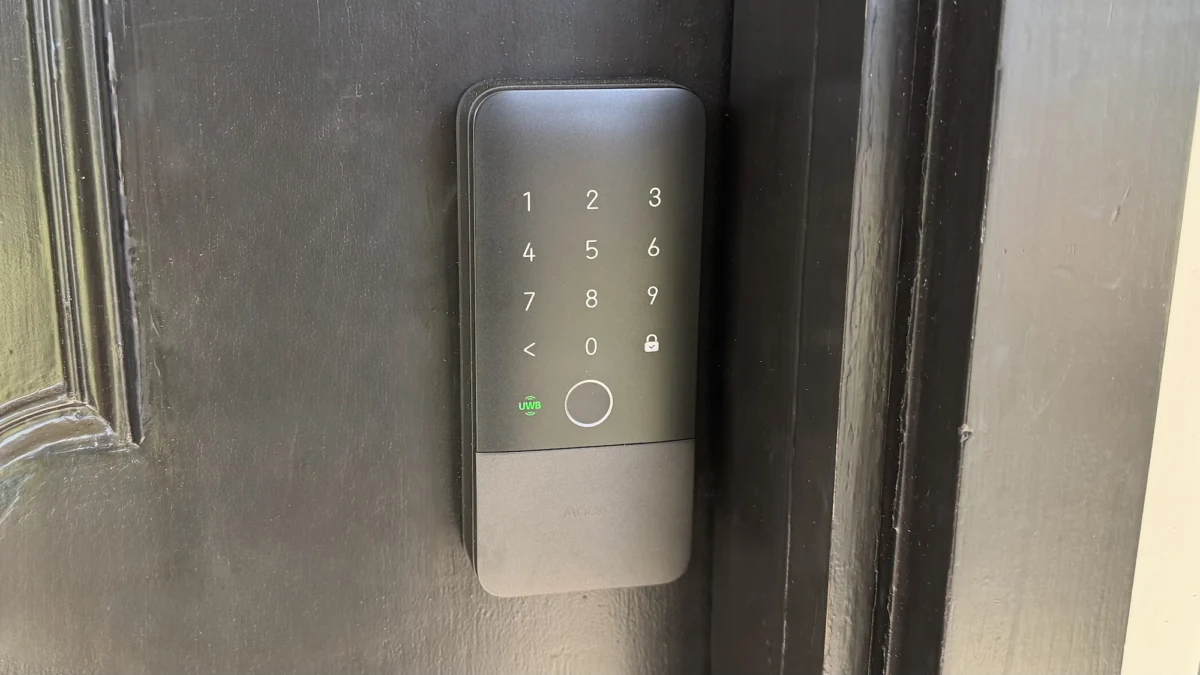
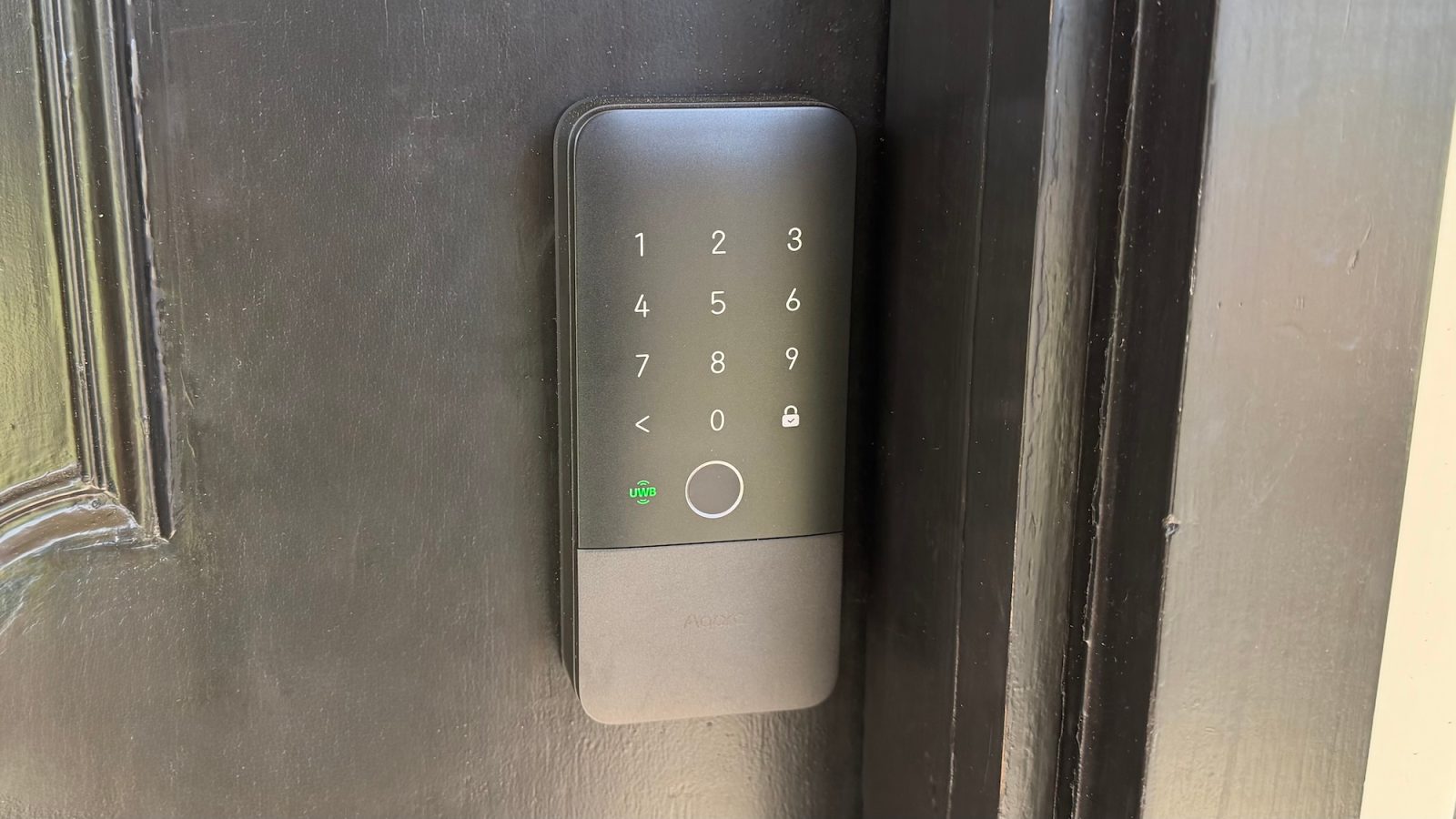
The landscape of residential smart home security has undergone a significant transformation with the introduction of the Aqara UWB Smart Lock U400. Representing a departure from traditional Bluetooth and Wi-Fi-reliant smart locks, this device marks the first consumer-grade integration of Ultra Wideband (UWB) technology within the Apple Home ecosystem. By leveraging the precise spatial awareness capabilities of the Apple U1 and U2 chips, the U400 offers a hands-free access experience that addresses long-standing limitations in proximity-based smart lock performance.
Technical Evolution and UWB Integration
The shift toward Ultra Wideband technology represents a critical advancement in how smart home devices authenticate users. Historically, smart locks relied on Bluetooth Low Energy (BLE) to detect the presence of a smartphone or wearable. However, Bluetooth often struggles with signal latency and imprecise distance estimation, frequently resulting in delayed unlocking or the need for users to stand directly adjacent to the door for extended periods.
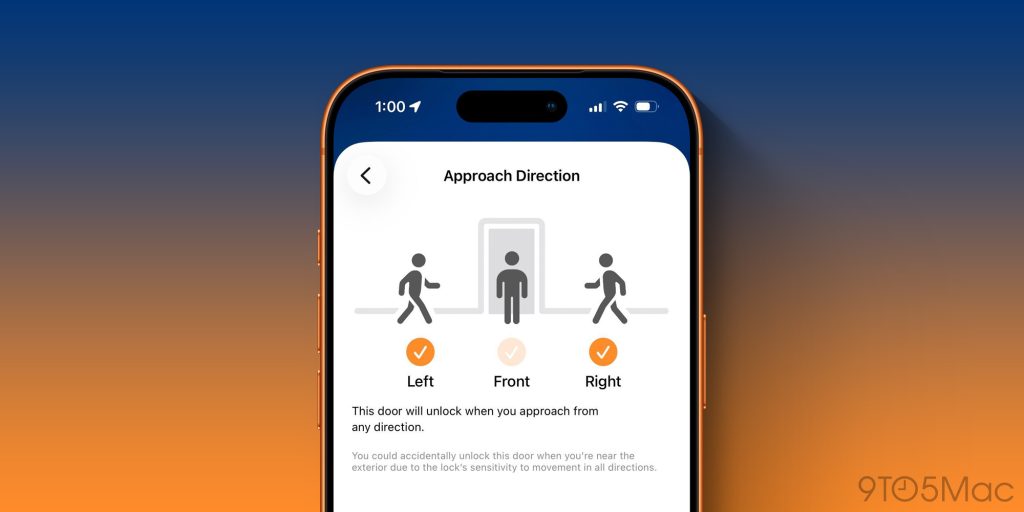
UWB functions differently by utilizing high-frequency radio waves to measure the "Time of Flight" between devices. This allows for centimeter-level accuracy in spatial positioning. When paired with the Apple Home app—following the protocol updates introduced in iOS 18—the Aqara U400 can distinguish exactly where a user is positioned relative to the door. This enables the system to unlock the device specifically when the user approaches from a designated direction, preventing accidental unlocks while walking past the door inside or outside the home.
Installation and Structural Implementation
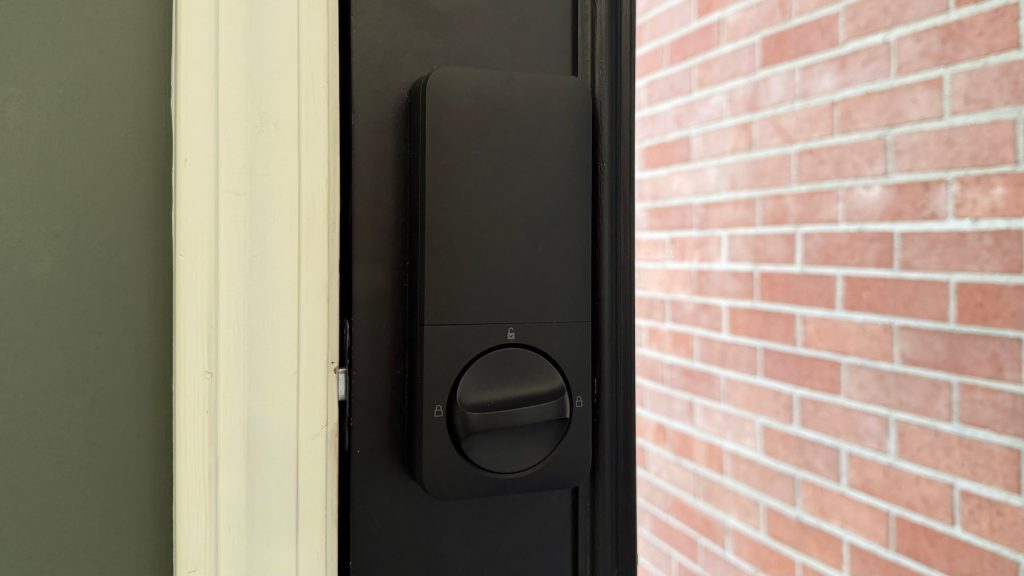
Unlike retrofit smart locks, which are designed to attach to the interior thumb-turn of an existing deadbolt, the Aqara U400 replaces the entire deadbolt assembly. This design choice is significant for long-term reliability and physical security. By replacing the internal mechanism, the U400 provides a more robust deadbolt action that is less prone to the mechanical "jamming" issues often associated with add-on motors.
The installation process involves removing the existing hardware and securing the U400’s primary housing and strike plate. Industry analysts note that while this process is more labor-intensive than a simple retrofit, it results in a more integrated, flush fit that offers greater resistance to environmental wear. The internal wiring—a point of critical focus during the installation phase—requires careful handling to ensure connectivity between the exterior keypad and the interior control module. Once correctly installed, the unit provides a seamless physical experience that mimics the feel of a high-end commercial-grade lock.
Chronology of Smart Lock Development
The journey to the U400’s release spans several years of iterative development in the smart home sector:
- 2018-2020: The rise of retrofit smart locks, such as the August series, allowed users to keep their existing keys and hardware. These devices prioritized ease of installation over structural integrity.
- 2021-2023: The industry moved toward Matter and Thread support, focusing on cross-platform compatibility and network stability.
- 2024: Apple announced expanded support for UWB within the Home app, providing the foundational software architecture necessary for devices like the U400 to function.
- 2026: The official launch of the Aqara U400 marked the first commercial deployment of this UWB-HomeKit protocol, signaling a shift toward more sophisticated, proximity-aware home automation.
Diverse Access Methodologies
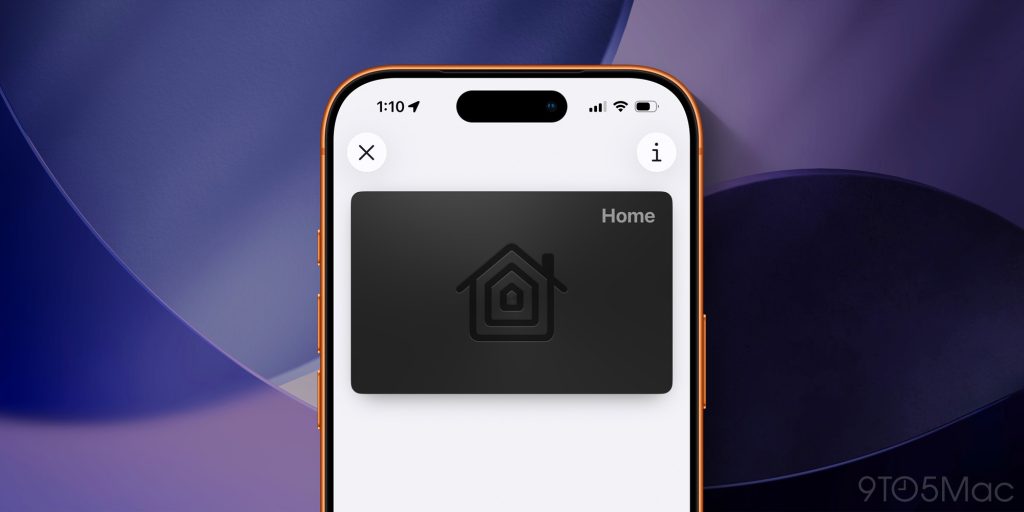
Beyond its headline UWB capabilities, the U400 incorporates a multi-layered authentication strategy. The device supports NFC (Near Field Communication), allowing users to tap an iPhone or Apple Watch to the lock face. Crucially, this utilizes Apple’s Express Mode, meaning the user does not need to wake their device or authenticate via FaceID or TouchID; the proximity of the authorized device is sufficient to trigger the locking or unlocking command.
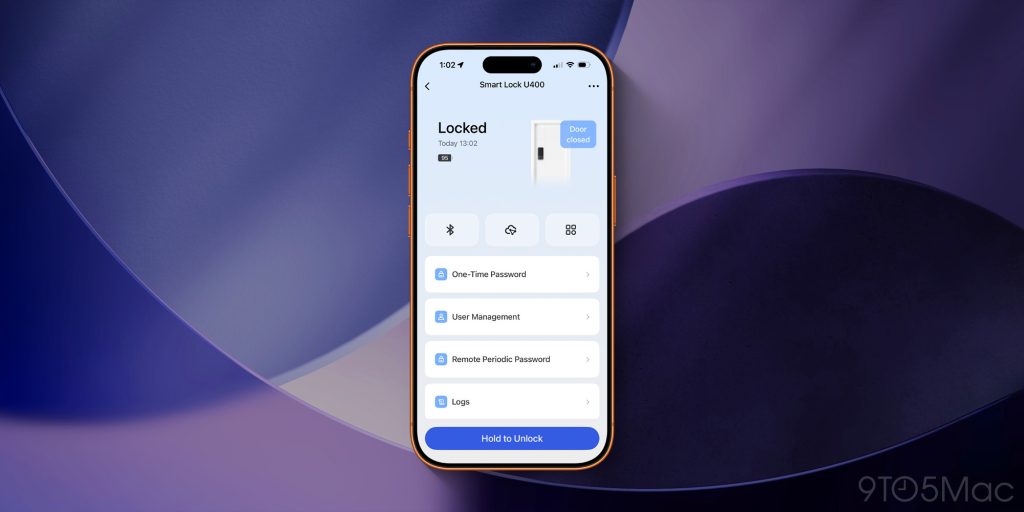
In addition to digital keys, the device features a high-sensitivity capacitive touchpad for passcode entry and a biometric fingerprint scanner. The integration between the Aqara app and the Apple Home app allows for granular control over user permissions, including time-sensitive guest access and temporary codes, which are stored locally on the device to maintain privacy standards. For traditionalists, a mechanical key backup remains integrated, providing a failsafe in the event of a total power failure or system error.
Power Management and Sustainability
A notable departure from its predecessors is the U400’s approach to power management. Many smart locks have historically relied on disposable lithium CR123A or AA batteries, which are costly and environmentally taxing. The U400 utilizes a high-capacity, rechargeable battery pack that can be charged via a USB-C port.
According to technical specifications provided by Aqara, the device is designed to function for up to six months on a single charge. This efficiency is achieved through the use of low-power UWB polling intervals and optimized power consumption during idle states. The ability to charge the battery externally or while installed offers a level of convenience that has been largely absent in the consumer smart lock market.
Market Implications and Future Outlook
The entry of the Aqara U400 into the market sets a new standard for expectations regarding smart home responsiveness. As consumers become increasingly accustomed to "it just works" technology, the friction associated with traditional smart locks—such as latency, manual app intervention, and misalignment issues—is becoming less tolerable.

From an industry perspective, the U400 serves as a proof-of-concept for the viability of UWB in domestic security. While the price point of $269.99 places it in the premium segment of the market, the cost is justified for users who prioritize the combination of high-end convenience and physical hardware integrity.
Analysts suggest that other manufacturers are likely to follow suit, potentially leading to a broader adoption of UWB in home security products over the next 24 to 36 months. However, the requirement for Apple HomeKit compatibility remains a potential barrier for households invested heavily in Android or proprietary smart home ecosystems.

Furthermore, the integration of these locks into the wider Apple ecosystem—including the ability to trigger scenes (such as turning on lights or adjusting the thermostat upon unlocking the door)—creates a cohesive smart home environment. The U400 is not merely a tool for entry; it acts as a central node in the automated home, acting as a trigger for a series of pre-configured events.
Conclusion
The Aqara UWB Smart Lock U400 represents a pivotal moment in the maturity of the smart home. By successfully marrying physical security with advanced spatial awareness, it has moved the industry away from the experimental phase of smart locks into a more refined, reliable era. While the installation process demands more effort than entry-level solutions, the trade-off for increased reliability, superior power management, and the seamlessness of UWB-enabled access makes it a significant development for homeowners looking to modernize their security infrastructure. As UWB technology continues to proliferate across more devices, the U400 will likely be remembered as the product that solidified the standard for modern residential access control.