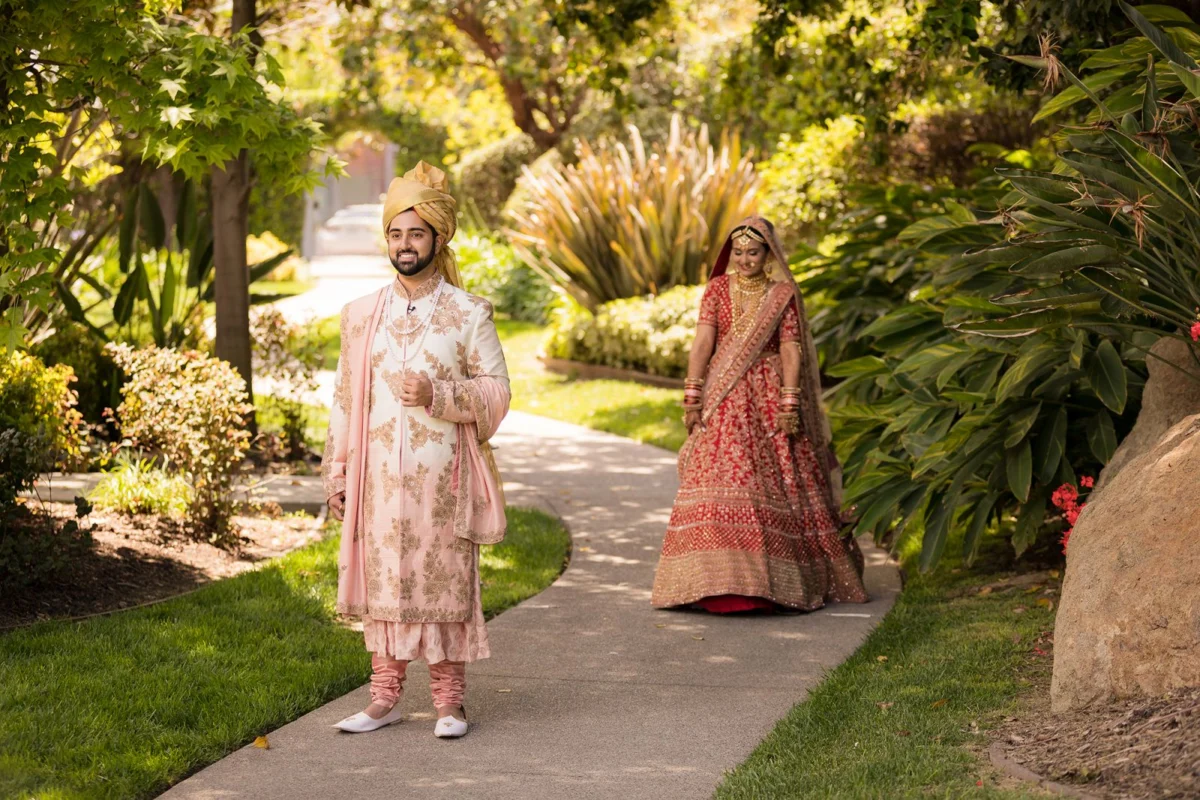
The first look has emerged as a transformative development in the wedding industry, fundamentally altering the traditional flow of the ceremony day. By definition, a first look is a scheduled, private moment occurring prior to the wedding ceremony where the couple sees one another for the first time. Historically, Western wedding tradition dictated that the couple should not see each other until the bride reached the altar, a superstition rooted in 18th-century arranged marriages to prevent the groom from backing out if he disliked the bride’s appearance. Today, the practice has shifted toward a logistical and emotional strategy designed to alleviate anxiety and maximize professional photography opportunities.

Evolution of the Wedding Timeline
The adoption of the first look is largely driven by the increasing complexity of wedding day schedules. In the past, the "cocktail hour" was the primary window for portrait sessions. However, modern couples often prefer to attend their own receptions, necessitating that the bulk of formal photography—including bridal party shots and couple portraits—be completed before the ceremony begins.

A standard wedding timeline incorporating a first look typically begins three to four hours before the ceremony. This allows for a dedicated 30-minute block for the reveal, followed by immediate transition into portraits while the couple is fresh and hair and makeup remain pristine. Data from wedding industry analysts suggests that nearly 60% of couples opting for a professional photographer now choose to schedule a first look, a significant shift from the 10% reported two decades ago.

The Strategic Value of Pre-Ceremony Reveals
Beyond scheduling efficiency, the first look serves a vital psychological function. Professional wedding planners and psychologists note that the "altar moment" is often high-pressure, with hundreds of eyes watching for a reaction. By contrast, the first look provides a controlled, intimate environment.

"The first look acts as a pressure-release valve," says one industry consultant. "It allows the couple to decompress, share private vows, and physically ground themselves before entering the highly performative environment of the public ceremony." This reduction in cortisol levels during the early hours of the day often leads to more natural, relaxed expressions during the subsequent ceremony and reception.

Technical Requirements for Photographers
For the professional photographer, the first look is a high-stakes, unrepeatable event. Because it is a staged moment, the burden of technical execution lies solely with the creative team.

Location Scouting and Lighting
Professional standards dictate that the location for a first look must be scouted at least one hour before the event. Outdoor locations require clear, directional light, preferably in a shaded area to avoid harsh contrast. If the event is indoors, the photographer must secure a space with neutral, non-distracting backgrounds—often a private suite or an architectural feature—to ensure the focus remains entirely on the couple’s expressions.

Lens Selection and Camera Settings
A versatile zoom lens, such as the 28-70mm f/2 or 24-70mm f/2.8, is considered the industry standard for these sessions. This allows the photographer to capture wide environmental shots of the initial approach, as well as tight, intimate portraits of the reaction without having to physically move and risk disturbing the sanctity of the moment.

Manual mode is mandatory to ensure consistency. To capture fast-moving emotional responses, a shutter speed of at least 1/500th of a second is recommended. Photographers should maintain a wide aperture (f/2.0 to f/2.8) to isolate the subjects from the background. Crucially, all camera timestamps must be synchronized via official sources like time.gov to ensure that, in multi-shooter environments, the sequence of images remains perfectly aligned during the post-production workflow.

Coordination and Team Logistics
When multiple photographers or cinematographers are involved, communication is the primary safeguard against compromised shots. A common protocol involves the "lead" photographer managing the bride’s arrival, while the "second" or "third" shooter manages the groom’s positioning.

The groom is typically instructed to stand with his back to the entry point. The second shooter, acting as the director, ensures he remains in place until the bride is in position. A common technique involves a "shoulder tap," where the bride approaches from behind and taps the groom’s shoulder, triggering the reveal. This gives the photographers a predictable moment to anticipate the reaction.

Managing Expectations and Candid Moments
The most significant error a photographer can make during a first look is to over-direct the couple once the initial reveal has occurred. After the primary reaction, the couple typically experiences a cascade of emotions—tears, laughter, and physical touch. The photographer’s role at this stage is to act as a silent observer.

Interjecting to suggest poses or adjustments during this window can shatter the emotional authenticity of the moment. Industry best practices suggest allowing the couple at least five to ten minutes of uninterrupted time to interact, hold hands, or share private conversation. These candid moments are frequently cited by couples as their most cherished images in their final gallery.

Broader Implications for the Wedding Industry
The rise of the first look has had a cascading effect on the wedding industry, impacting everything from florist schedules (who must have the bouquet ready earlier) to venue design. Venues are now increasingly requested to provide "hidden" pathways or private outdoor corridors that allow the couple to travel to the meeting spot without being seen by early-arriving guests.

Furthermore, the popularity of the first look has expanded to include "first looks" with parents, bridesmaids, and other significant family members. This trend toward "staged emotional intimacy" reflects a broader shift in wedding culture, where the priority is moving away from rigid adherence to tradition and toward the creation of meaningful, personal experiences.

Conclusion
The first look is not merely a photograph; it is a meticulously orchestrated moment of connection. For the couple, it offers a reprieve from the rigid structure of the day. For the photographer, it represents a mastery of light, timing, and interpersonal management. As the industry continues to evolve, the ability to balance the technical demands of high-end photography with the raw, unpredictable nature of human emotion remains the hallmark of a successful professional. Whether the couple chooses to adhere to the tradition of seeing each other at the altar or embraces the logistical freedom of a pre-ceremony reveal, the goal of the modern wedding documentation remains the same: to preserve the emotional truth of the day.