The landscape of portable digital imaging has undergone a profound structural shift over the past decade, transforming rugged, simplified capture devices into sophisticated, high-performance production suites. When early adopters strapped devices like the GoPro Hero4 Black to helmets and handlebars in 2014, the operational premise was straightforward: choose a basic resolution, press record, and hope the dynamic range and stabilization sufficed. For years, the market for action cameras remained constrained by these hardware limitations, serving primarily as casual documentation tools for extreme sports enthusiasts and road-trip hobbyists.
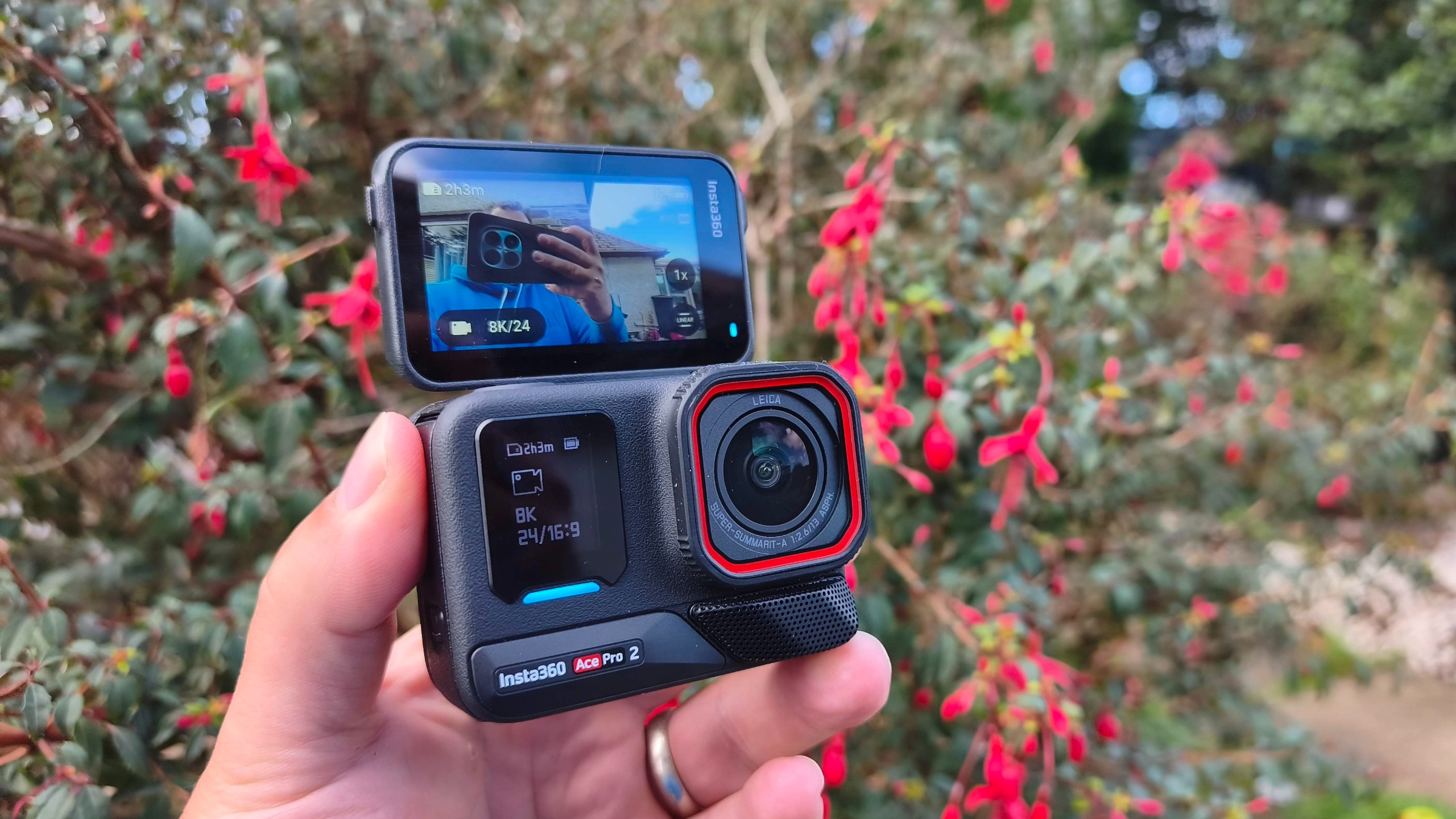
However, the release of advanced iterations such as the Insta360 Ace Pro 2 Videography Bundle marks a definitive departure from this legacy. Industry analysts note that modern pocket-sized cameras no longer merely record incidental moments; instead, they integrate professional-grade color science, dual-chip processing, and advanced sensor capabilities that challenge traditional mirrorless and entry-level cinema equipment. This evolution reflects broader technological maturation within the consumer electronics sector, where artificial intelligence and high-density semiconductor manufacturing have trickled down from Hollywood-tier production houses into consumer-accessible hardware.
The Technological Leap: Sensors, Processing, and Dual-Chip Architecture
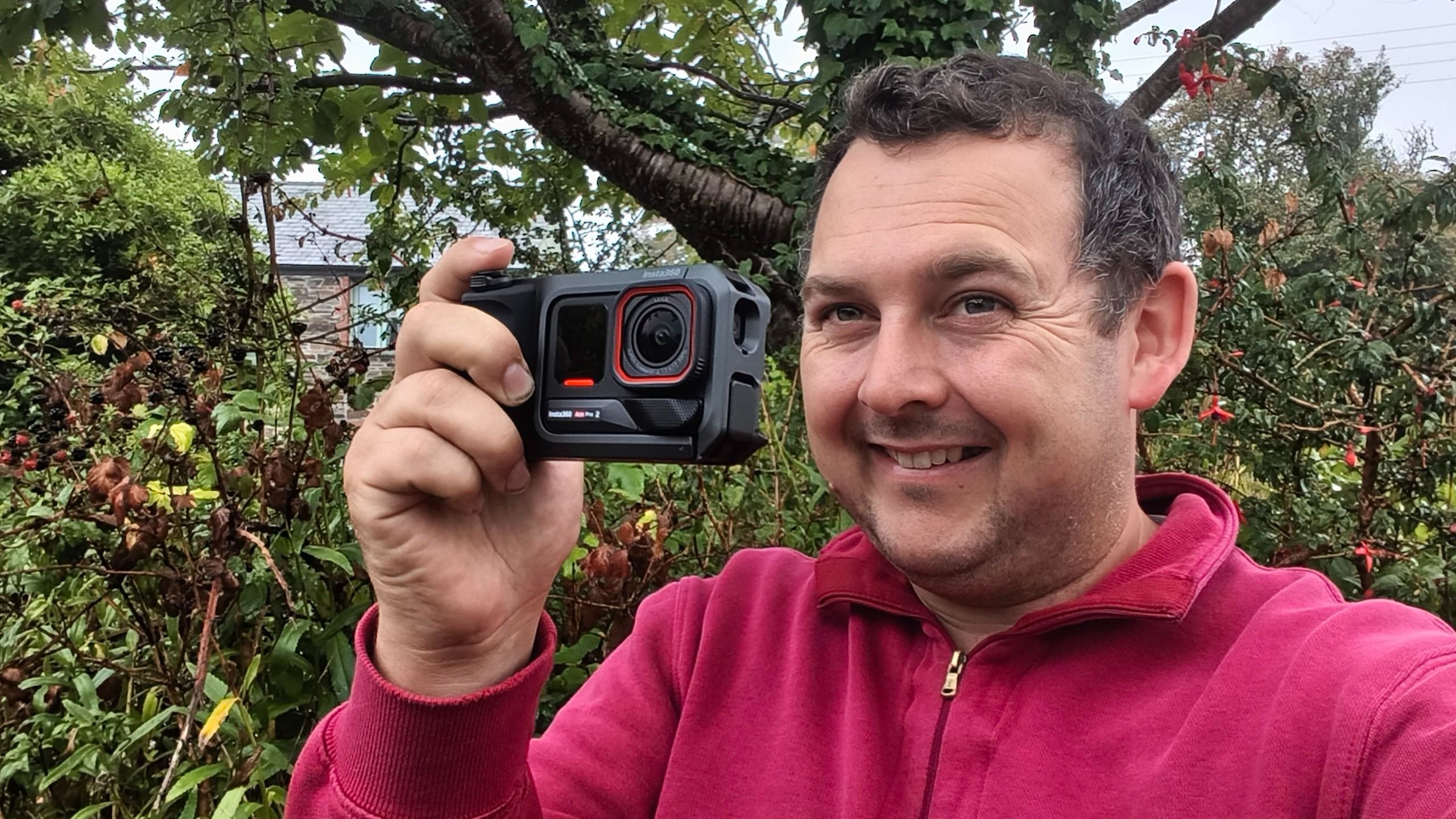
At the core of this transformation is the integration of high-resolution sensors and specialized dual-chip processing systems. The Insta360 Ace Pro 2 utilizes an 8K-capable sensor that facilitates a 2x 4K Clarity Zoom, allowing operators to punch in without incurring the catastrophic resolution loss typical of digital crops on older hardware. Complementing this sensor is an advanced dual-chip architecture dedicated to real-time artificial intelligence noise reduction and enhanced highlight compression.
In practical deployment, these engineering advancements directly address historical weaknesses of small-format sensors. Low-light performance—traditionally an insurmountable barrier for pocket cameras due to physical constraints on light collection—has been substantially mitigated through features like PureVideo and PureVideo Plus. Operating at up to 4K 60fps, these systems employ intelligent algorithms to suppress digital noise in shadowy environments while preserving highlight detail around high-contrast light sources, such as neon street signs or direct headlights against a nocturnal backdrop.
Consequently, creators working in high-contrast or low-light scenarios can bypass the muddy, artifact-heavy footage that once signaled an action camera’s limitations. This technical leap bridges the gap between the physical durability required for extreme environments and the visual fidelity demanded by professional broadcast standards.
Bridging the Gap: Professional Color Science and Cinematic Workflows
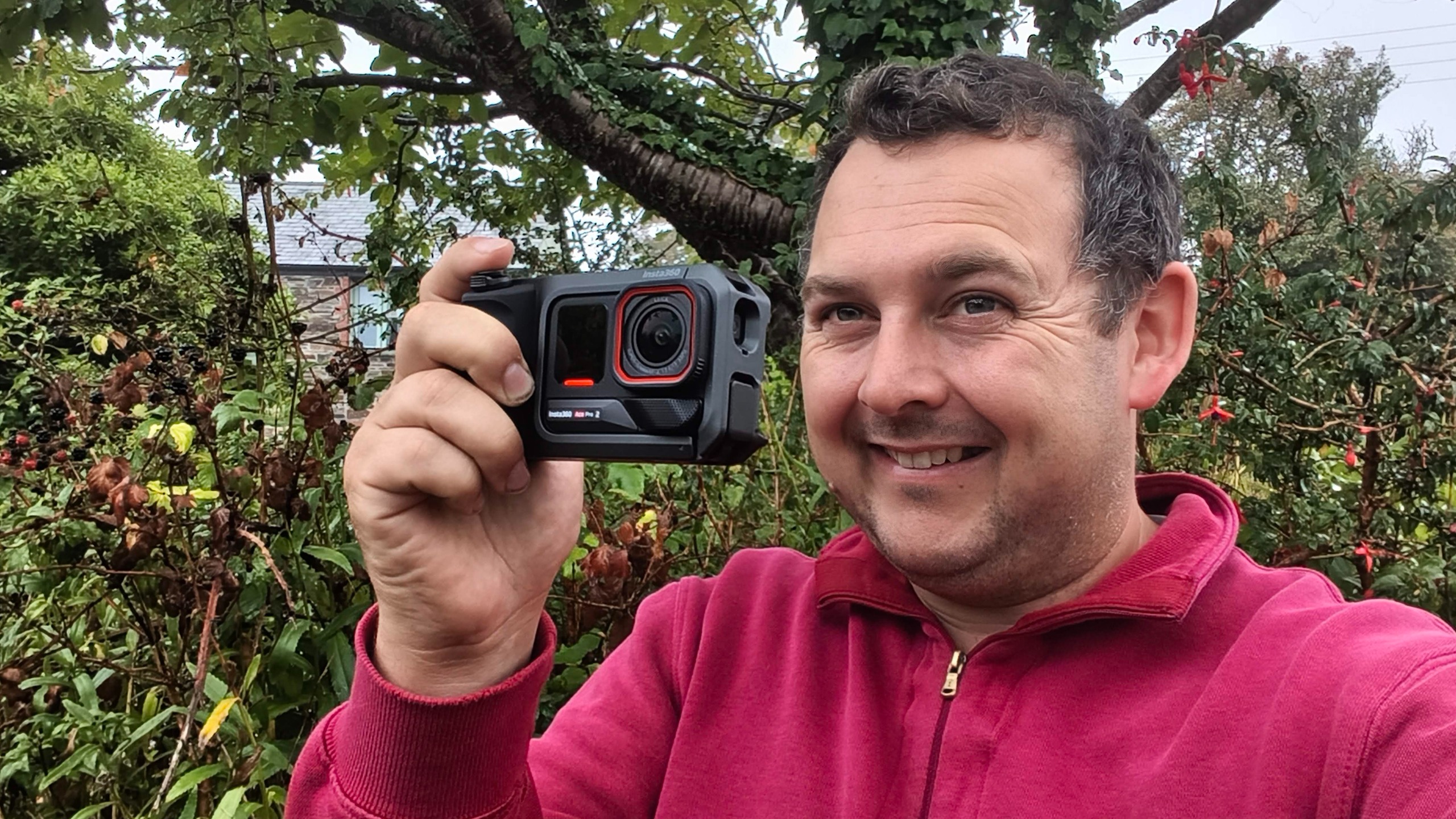
Perhaps the most significant indicator of the action camera’s maturation is the adoption of professional color grading frameworks and optical ecosystems traditionally reserved for cinema cameras. In a strategic collaboration with German optics manufacturer Leica, Insta360 has embedded multiple proprietary color profiles directly into the Ace Pro 2 firmware. Profiles such as Leica Eternal, Leica BW HC, Leica Natural, and Leica Vivid provide users with distinct aesthetic baselines straight out of the camera, eliminating the immediate necessity for extensive color grading.
For professional filmmakers requiring maximum post-production flexibility, the inclusion of I-Log along with official LUT (Look-Up Table) previews on the device represents a major workflow optimization. Cinematographers can monitor graded previews in real-time while capturing flat, high-dynamic-range profiles that preserve shadow and highlight details for post-production grading.
Furthermore, modular hardware accessories expand the operational envelope of the device. The integration of the Xplorer Grip Pro introduces physical exposure and zoom controls alongside an auxiliary 2010mAh battery, extending continuous 4K 60fps recording with Active HDR enabled to up to 140 minutes. Additionally, dedicated optical add-ons, such as the Cinematic Lens, allow operators to natively shoot in a 2.35:1 widescreen aspect ratio complete with authentic cinematic flare characteristics, rather than executing a destructive crop in editing software.
Evolution of User Experience and Specialized Modes
Beyond technical specifications, modern action cameras have fundamentally restructured how creators interact with portrait and social-first media formats. Traditional vertical cropping often resulted in compromised resolution or awkward framing. The Ace Pro 2 addresses this through an advanced Portrait Mode that independently optimizes facial exposure while managing background highlight clipping.
Crucially, these beauty and exposure optimizations are not isolated software filters; they operate concurrently with Leica and film-inspired color profiles. This integration allows content creators to achieve a finished, broadcast-ready aesthetic directly on location, bypassing the multi-step rendering and exporting processes previously required for professional social media content.
Industry observers have noted that these software capabilities reflect a broader democratization of high-end production tools. By automating complex exposures and stabilizing shaky footage via advanced internal gyroscopes and software algorithms, manufacturers have lowered the technical barrier to entry for high-end visual storytelling.
Broader Market Implications and Industry Impact

The convergence of professional filmmaking tools into rugged, pocket-sized form factors carries significant implications for the broader camera market. Traditional entry-level mirrorless cameras and fixed-lens camcorders now face intense competition from devices that offer comparable 4K resolution, log profiles, and high dynamic range while possessing extreme environmental durability and negligible weight.
Independent filmmakers, documentary crews, and commercial production houses increasingly utilize these compact units as "B-roll" or crash cams, mounting them in tight spaces or hazardous conditions where deploying a primary cinema rig is impractical or financially unviable. The ability to achieve cinematic depth, robust low-light control, and professional color profiles from a device small enough to fit inside a jacket pocket alters the calculus of production budgeting and logistical planning.
As semiconductor efficiency continues to climb and sensor technology advances, the distinction between dedicated action cameras and professional production tools will likely continue to blur. For creators and cinematographers alike, the modern action camera has evolved from a simple novelty into a versatile, highly capable instrument of visual communication.