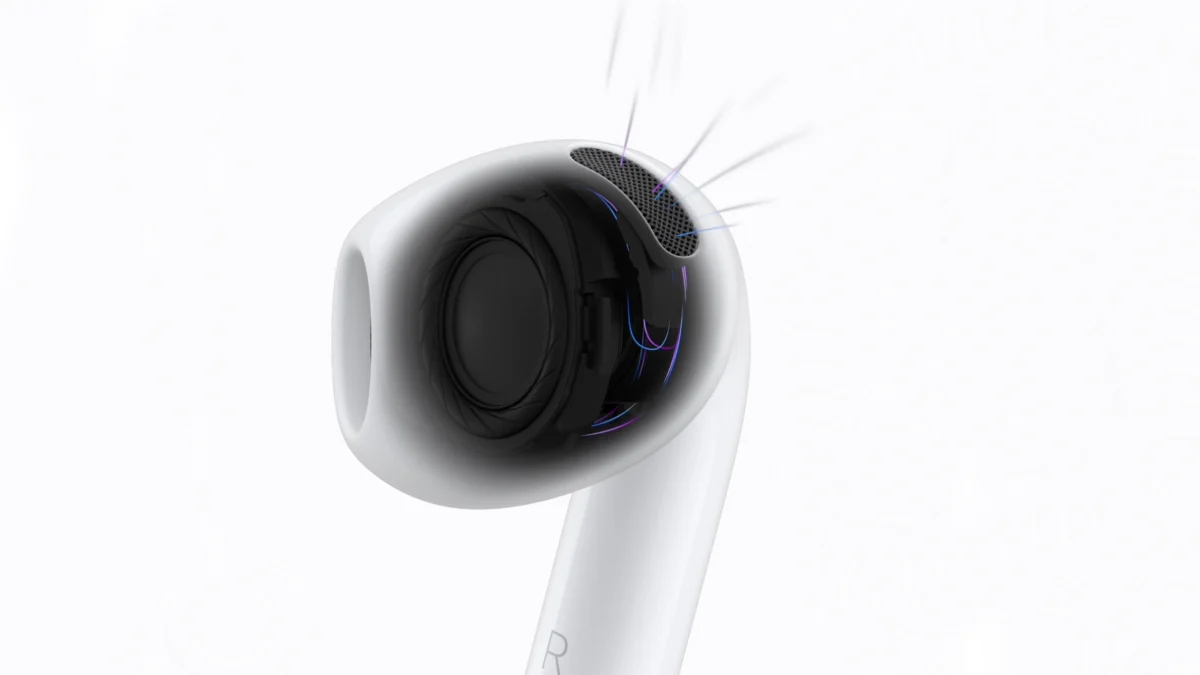
Apple has officially unveiled the latest iteration of its iconic wireless audio line, the AirPods 5, marking a significant shift in the company’s hardware strategy by standardizing active noise cancellation (ANC) across the entire product family. While the transition from the fourth generation to the fifth represents an incremental evolution in terms of physical aesthetics, the internal architecture and functional capabilities suggest a concerted effort by Apple to address long-standing user demands for more consistent feature parity. As the market for premium true-wireless earbuds becomes increasingly crowded with high-fidelity competitors, Apple’s decision to prioritize widespread ANC integration and refined acoustic performance aims to solidify its dominance in the portable audio sector.
A New Strategic Direction in Product Pricing
The launch of the AirPods 5 follows a period of intense speculation regarding Apple’s pricing strategy. Following recent upward adjustments to the costs of several flagship hardware products, including the latest iPhone 18 series, analysts had anticipated a similar trend for the audio division. Contrary to these market expectations, the Cupertino-based tech giant has adopted a more aggressive pricing model.
The base model of the AirPods 5 is priced at £119 / $129 / AU$219, while the premium variant, which includes a wireless charging case compatible with both Qi and Apple Watch chargers, is set at £139 / $149 / AU$249. This pricing structure is notably more accessible than the launch figures for the predecessor AirPods 4, which debuted at £129 / $129 / AU$219 for the entry-level model and reached £179 / $179 / AU$299 for the ANC-enabled version. By undercutting the previous generation’s entry costs, Apple is effectively positioning the AirPods 5 as a high-value upgrade, potentially complicating the retail landscape for remaining stocks of the AirPods 4. While the older models remain available through third-party retailers, their value proposition is currently being challenged by the superior feature set of the newer generation.

Design Evolution and Durability Improvements
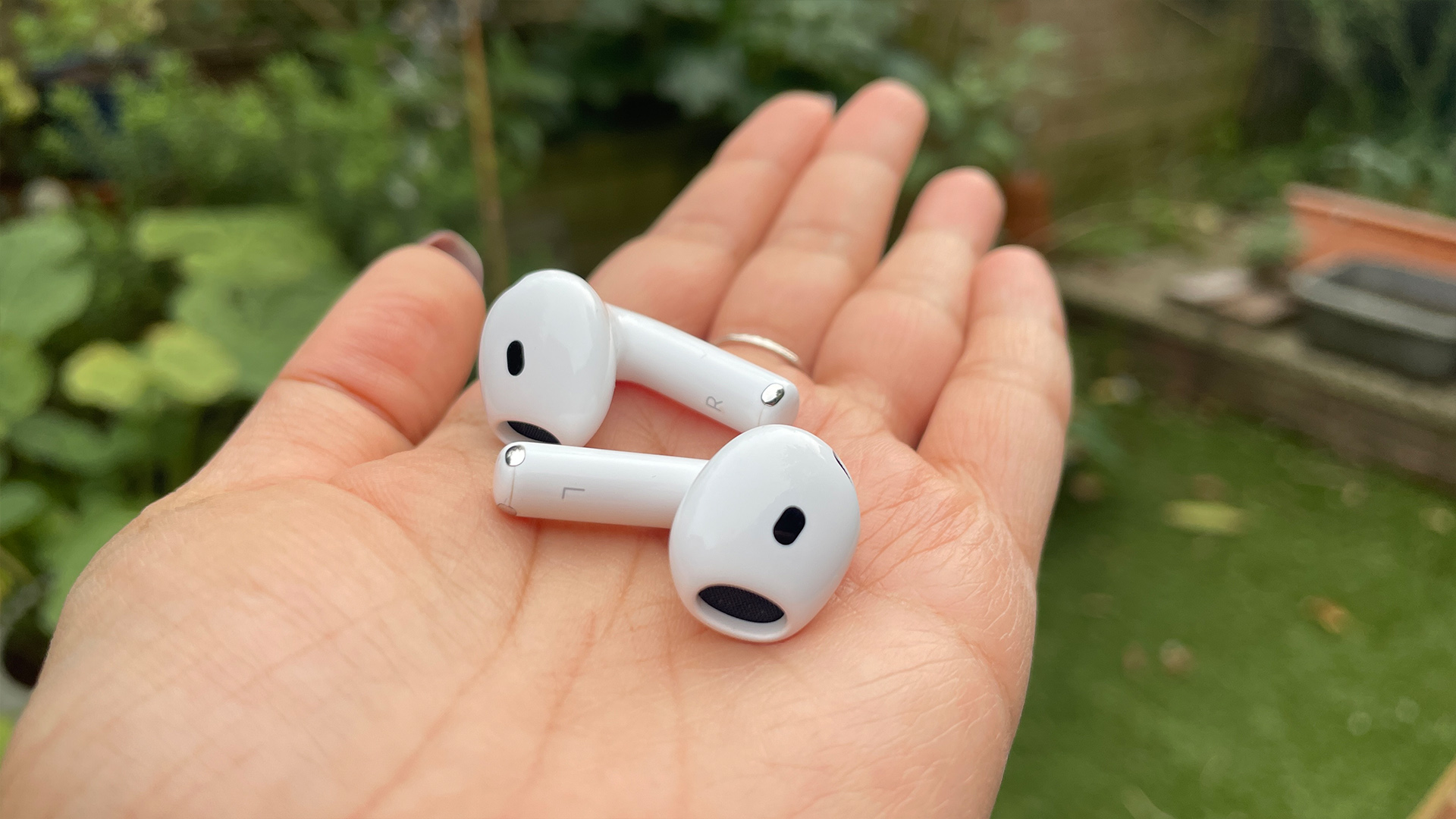
At a glance, the AirPods 5 retain the familiar open-ear design that has defined the series since its inception. This design choice continues to be a point of contention for some consumers, as the absence of silicone eartips necessitates a specific ear geometry to ensure a secure fit. However, Apple has introduced subtle yet functional refinements to the hardware.
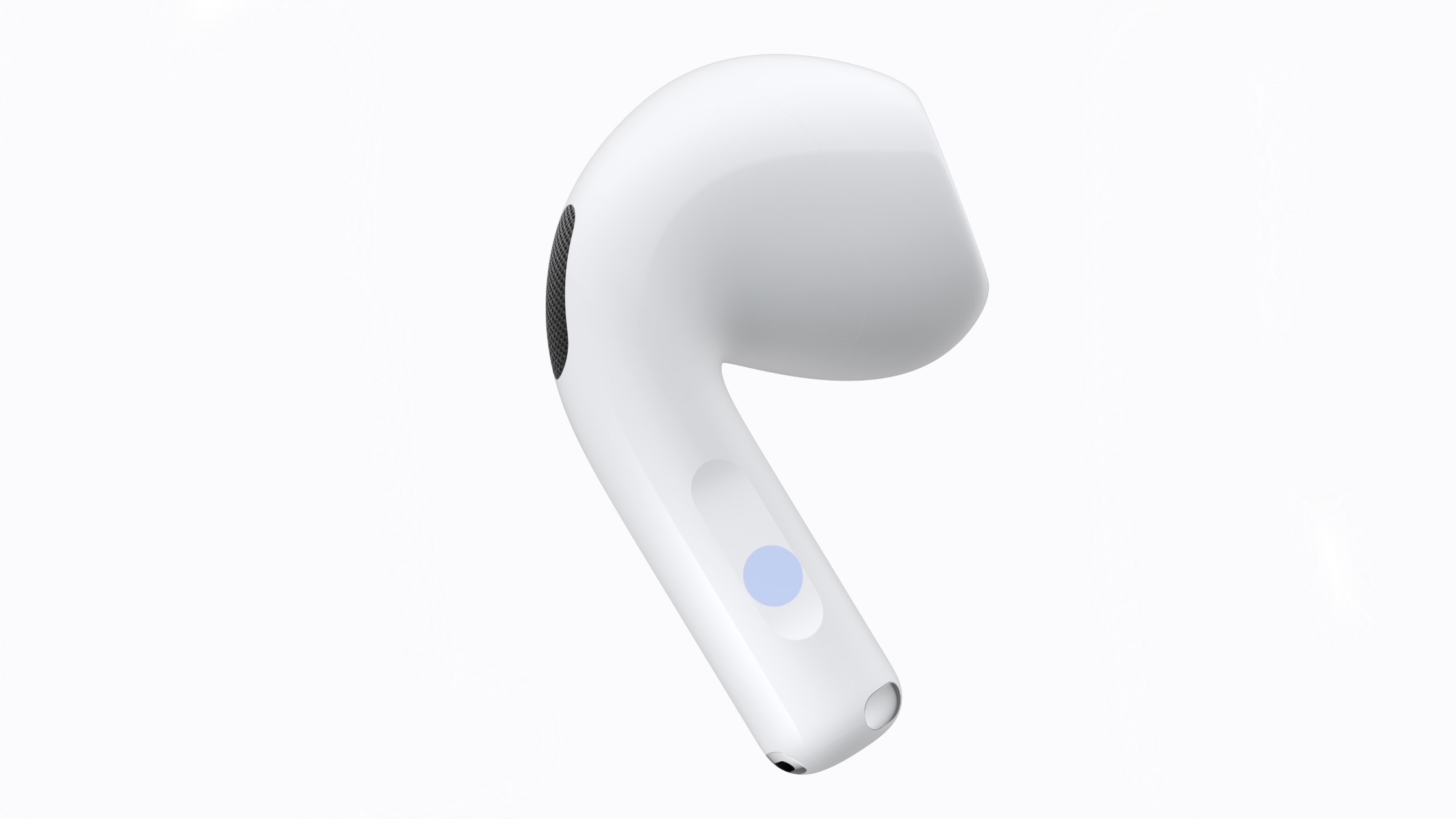
The most notable design adjustment is the integration of haptic-feedback volume controls on the stems of the higher-tier AirPods 5, which feature a slightly recessed area to facilitate easier tactile navigation. This addresses a common user grievance regarding the necessity of using voice commands or the connected device to adjust volume levels. Furthermore, Apple has significantly improved the durability profile of the earbuds. The AirPods 5 boast an IP57 rating for dust and water resistance, an upgrade from the IP54 rating found on the AirPods 4. This enhancement provides a greater margin of safety for users in active environments, offering increased protection against moisture and particulate matter. Despite these additions, the weight remains a constant 4.3 grams per earbud, maintaining the lightweight profile that has been a hallmark of the product line.
Advancements in Acoustic Architecture and ANC
The primary differentiator for the AirPods 5 is the across-the-board implementation of active noise cancellation. In the previous generation, ANC was reserved exclusively for the more expensive model, creating a fragmented experience for the user base. By standardizing this feature, Apple is signaling that noise mitigation is now considered an essential component of the listening experience rather than a luxury add-on.
Apple claims the noise cancellation hardware in the AirPods 5 is 50 percent more effective than the system employed in the AirPods 4. The engineering team has focused on optimizing the ANC to function within an open-ear design, which traditionally struggles to isolate low-frequency sounds. By targeting specific frequency ranges—such as the low-end rumble of public transportation or the consistent hum of HVAC systems—the AirPods 5 aim to provide a quieter environment without the "suction" sensation often associated with in-ear, sealed-tip designs.
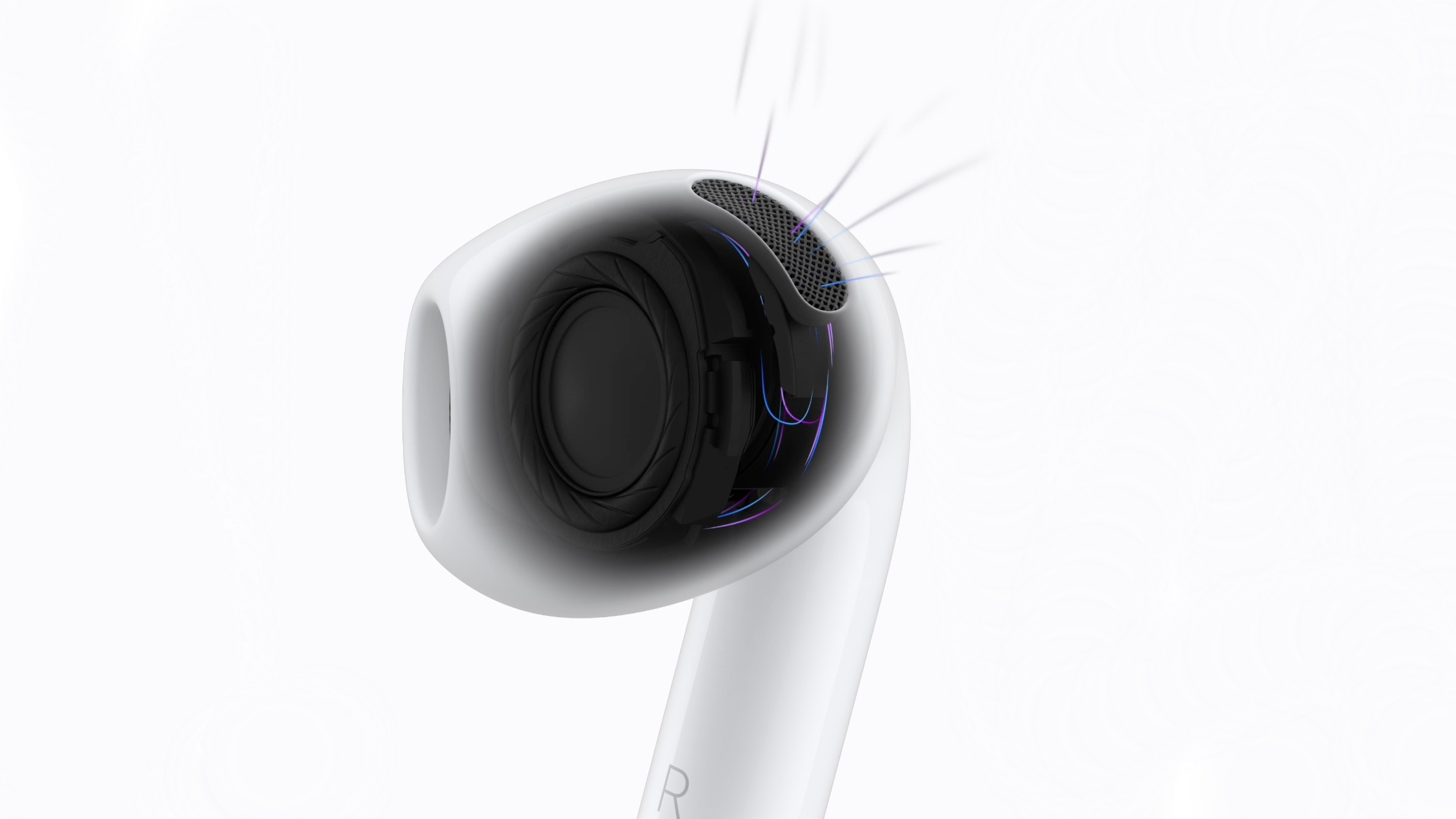
The acoustic architecture has also been overhauled. The introduction of a new multi-port system, coupled with next-generation adaptive EQ, is designed to deliver a more consistent sound profile regardless of the user’s ear shape. This is complemented by an updated Transparency mode, which Apple asserts provides a more natural audio passthrough, allowing users to remain spatially aware of their surroundings without the artificial "hiss" sometimes present in digital noise processing.
Feature Parity and Smart Integration
Both variants of the AirPods 5 are equipped with the H2 chip, which serves as the central processing unit for all audio tasks, including computation for spatial audio and real-time noise management. This parity ensures that the core processing capabilities—such as adaptive audio, conversation awareness, and personalized spatial audio—are available to all users, regardless of the charging case configuration.
One significant feature update is the inclusion of Live Translation on both models. Previously, this capability was restricted to the premium version of the AirPods 4, but its expansion to the base AirPods 5 reflects a broader trend of integrating AI-driven utility directly into wearable hardware. The integration with the latest iteration of Siri allows for more conversational and contextual interactions, aligning the earbuds with Apple’s broader AI roadmap. Connectivity remains consistent with the industry-standard Bluetooth 5.3 protocol, ensuring stable pairing and efficient power management across various devices within the Apple ecosystem.
Critical Analysis of Battery Performance
Despite the technological advancements in noise cancellation and sound processing, the battery performance of the AirPods 5 remains a point of critique. Apple reports 4 hours of playback on the base model and 5 hours on the premium model, both with ANC enabled. These figures do not represent a significant departure from the underwhelming battery life observed in the AirPods 4.
When considering the total listening time provided by the charging cases, the AirPods 5 offer 20 to 22 hours of usage. While this is sufficient for daily use, it falls behind many competitors in the wireless earbud market that frequently offer 6 to 8 hours of continuous playback. The reliance on USB-C for wired charging in the base model and the addition of wireless charging for the premium model provides flexibility, yet the underlying power efficiency of the H2 chip appears to have reached a plateau. Critics argue that while the sound and noise-cancelling features have improved, the endurance of the hardware has remained stagnant, potentially limiting the utility for long-haul travel or extended professional use.
Broader Market Implications
The release of the AirPods 5 is not merely a product update but a clear recalibration of Apple’s audio strategy. By bringing premium features like ANC and improved water resistance to the base model, Apple is effectively forcing its competitors to justify their own mid-range pricing. The move to consolidate the product lineup suggests that Apple is prioritizing user experience consistency, aiming to eliminate the "feature-gap" that previously existed between entry-level and high-end consumers.
However, the continued use of an open-ear design remains a strategic gamble. While it offers a comfortable, non-invasive fit that many users prefer, it creates physical limitations that no amount of digital signal processing can entirely overcome. As Apple continues to iterate on this design, the focus remains on pushing the boundaries of what is possible with open-ear acoustics.
Conclusion and Outlook
The AirPods 5 represent a measured, functional upgrade that prioritizes the democratization of active noise cancellation and refined build quality. While the lack of major improvements in battery life may be a point of disappointment for power users, the aggressive pricing and the inclusion of advanced features like Live Translation and enhanced IP57 protection make a compelling case for the new models.
As the industry looks toward the next phase of wearable audio, the AirPods 5 stand as a testament to Apple’s commitment to maintaining its market share through incremental, yet meaningful, hardware refinements. For the average consumer, the choice between the base and premium models now comes down to a preference for wireless charging and the specific, minor refinements in the casing, rather than a fundamental difference in the quality of the listening experience. The success of this generation will ultimately be determined by real-world performance metrics and the durability of the new acoustic architecture over time, both of which will be subjects of further evaluation in the coming months.