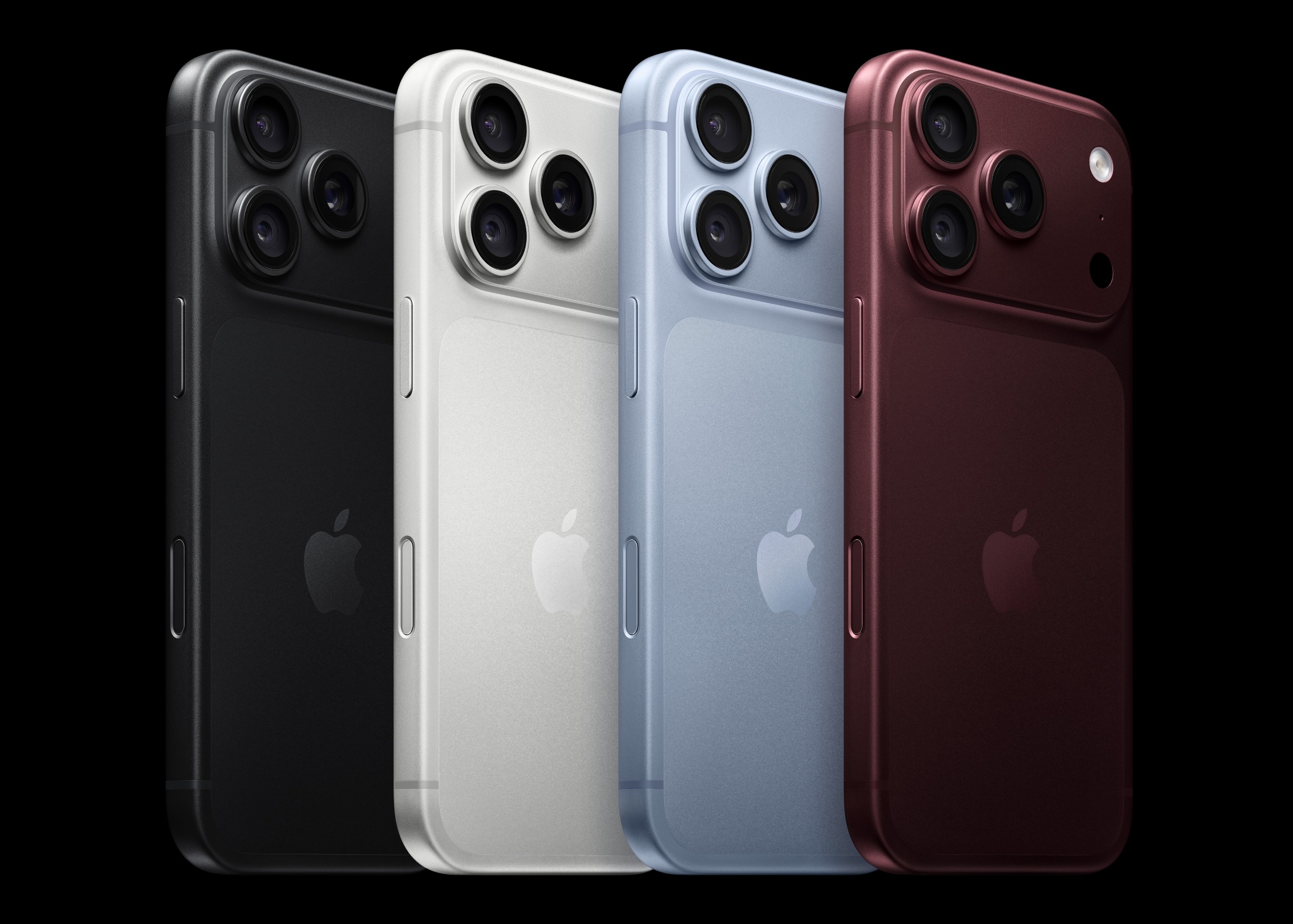
Apple Inc. has officially ushered in a new era of mobile computing during its landmark annual product showcase, highlighted by the debut of its cutting-edge 2-nanometer system-on-a-chip (SoC), the A20 Pro. Marking the first major keynote led by newly appointed Chief Executive Officer John Ternus, the event served as a comprehensive hardware refresh that not only updated Apple’s traditional flagship smartphone lineup—the iPhone 18 Pro and Pro Max—but also finally answered years of consumer anticipation by introducing the company’s inaugural foldable device, the iPhone Duo.
The introduction of the A20 Pro processor and its accompanying in-house components underscores a massive vertical integration strategy by Apple. By phasing out legacy external partners in favor of proprietary silicon, the technology giant is aggressively pushing the boundaries of thermal management, artificial intelligence efficiency, and cellular connectivity. As mobile workloads increasingly demand desktop-grade computing capabilities, Apple’s latest semiconductor engineering aims to cement its competitive edge against rival chipmakers like Qualcomm and MediaTek.
A New Silicon Era: The 2-Nanometer A20 Pro Architecture
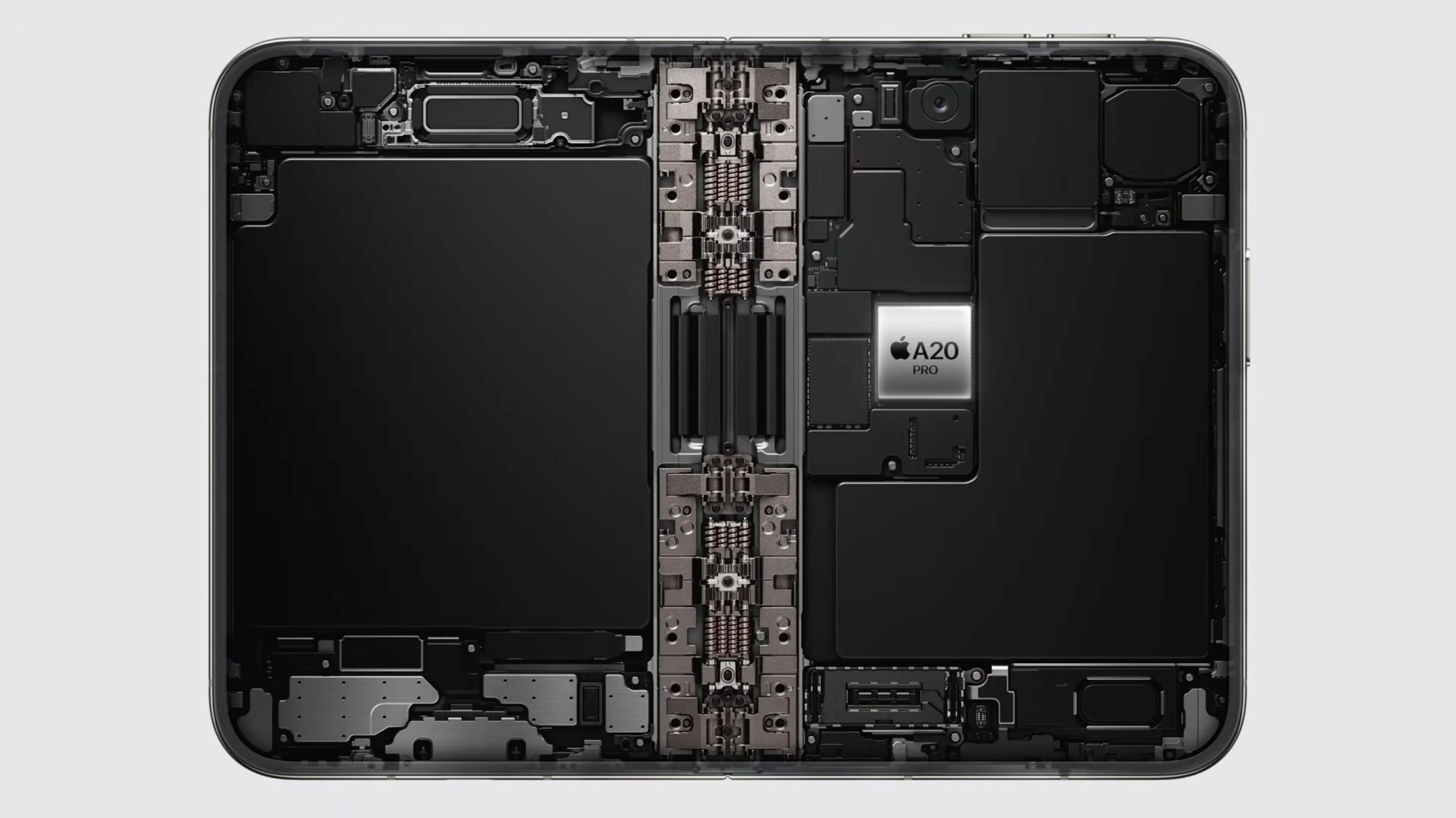
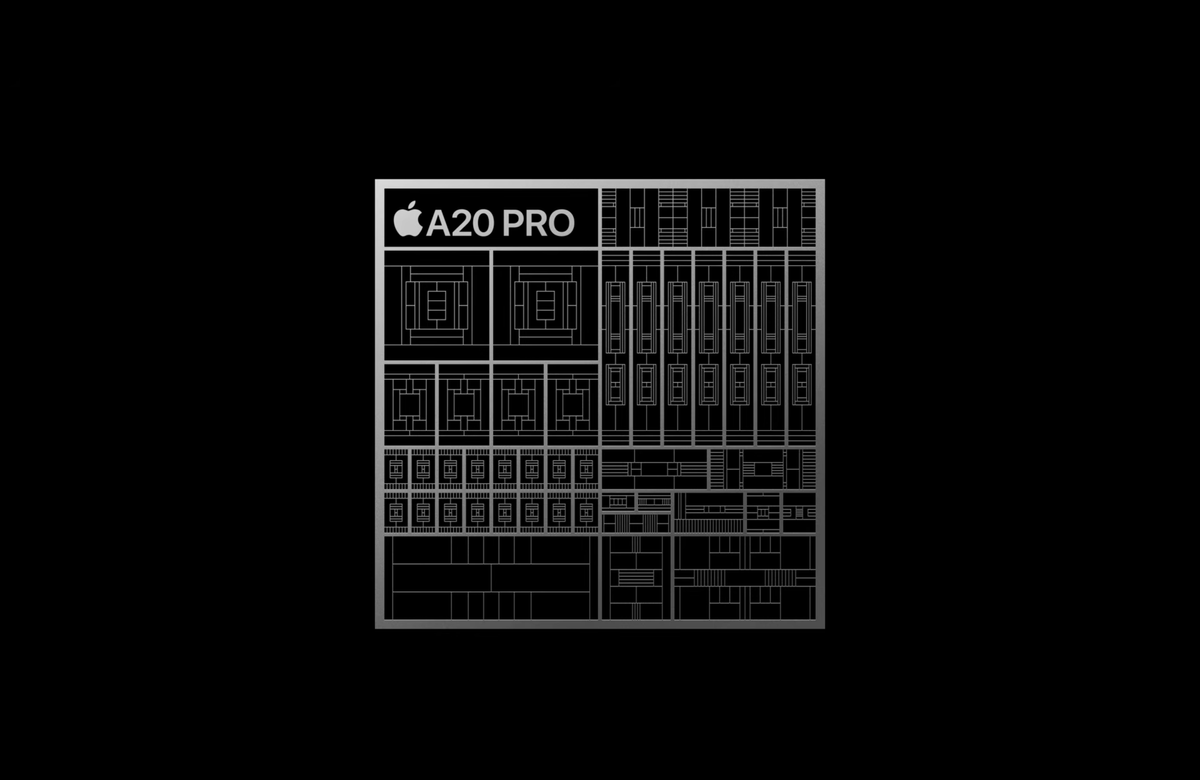
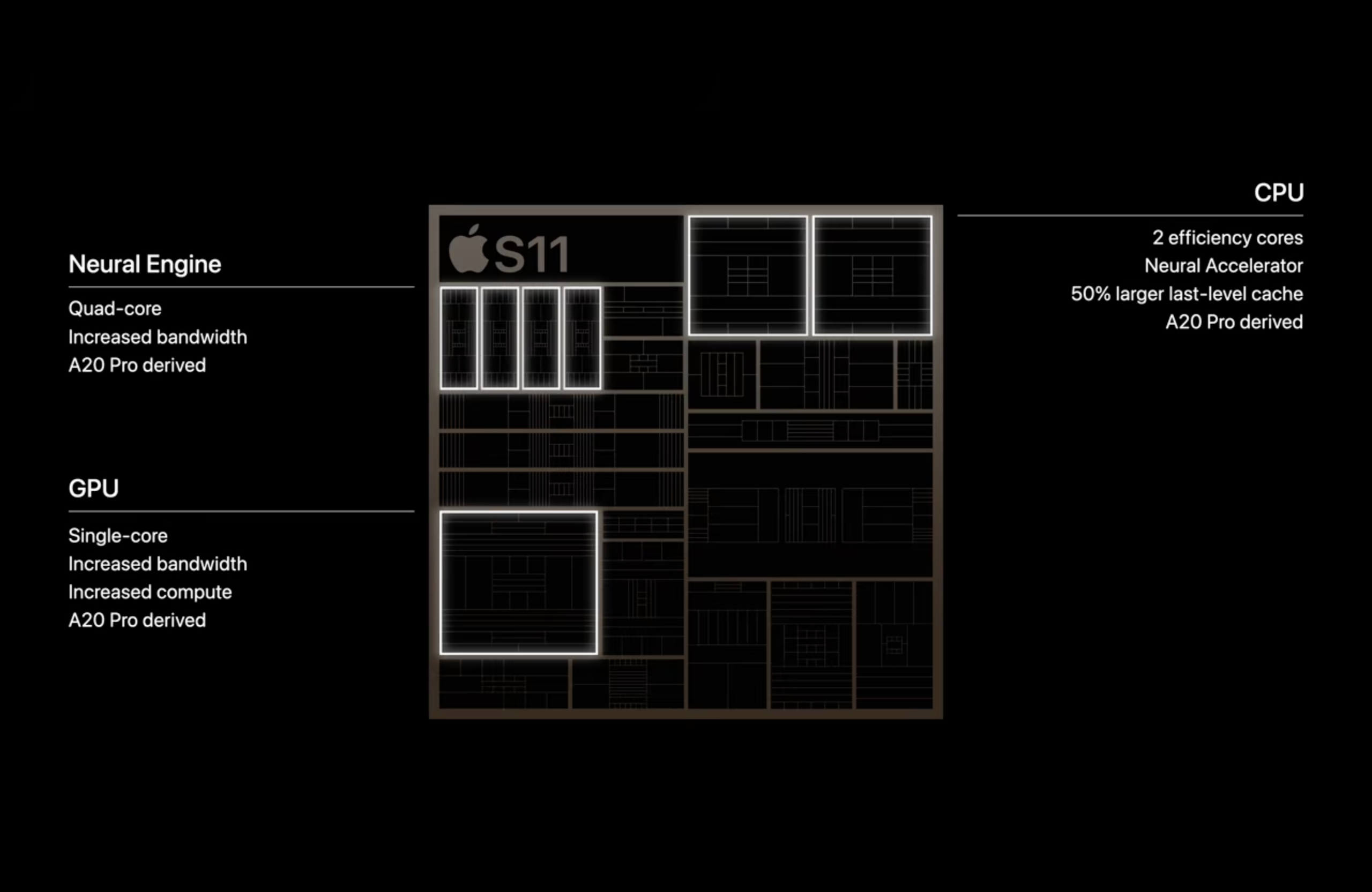
At the heart of Apple’s latest hardware ecosystem is the A20 Pro, manufactured using an advanced 2-nanometer process node. This follows closely on the heels of Apple’s desktop-class M6 chip announcement in August, making the A20 Pro the company’s first 2nm processor to power a handheld device. The SoC features a powerful 6-core central processing unit (CPU), which includes two high-performance "super-cores" that deliver a 20-percent performance increase over the previous generation, alongside four efficiency cores equipped with dedicated neural accelerators. Apple proudly markets this configuration as the fastest CPU ever integrated into a smartphone.
Complementing the CPU is a 7-core graphics processing unit (GPU) that boasts a massive 40-percent generation-over-generation performance boost. Enhanced by wider memory bandwidth and new neural accelerators, the GPU is capable of executing FP8 computations at twice the speed of its predecessor. Furthermore, the A20 Pro integrates a dual neural engine architecture comprising a combined total of 32 cores. This robust machine-learning foundation is explicitly designed to handle the growing demands of on-device generative AI workloads, real-time computational photography, and advanced augmented reality applications seamlessly.
Thermal Redesign and Power Efficiency
One of the most significant engineering hurdles in designing ultra-powerful mobile processors has historically been thermal management. To combat potential overheating and thermal throttling under sustained heavy loads, Apple completely rethought the packaging and internal layout of the A20 Pro.
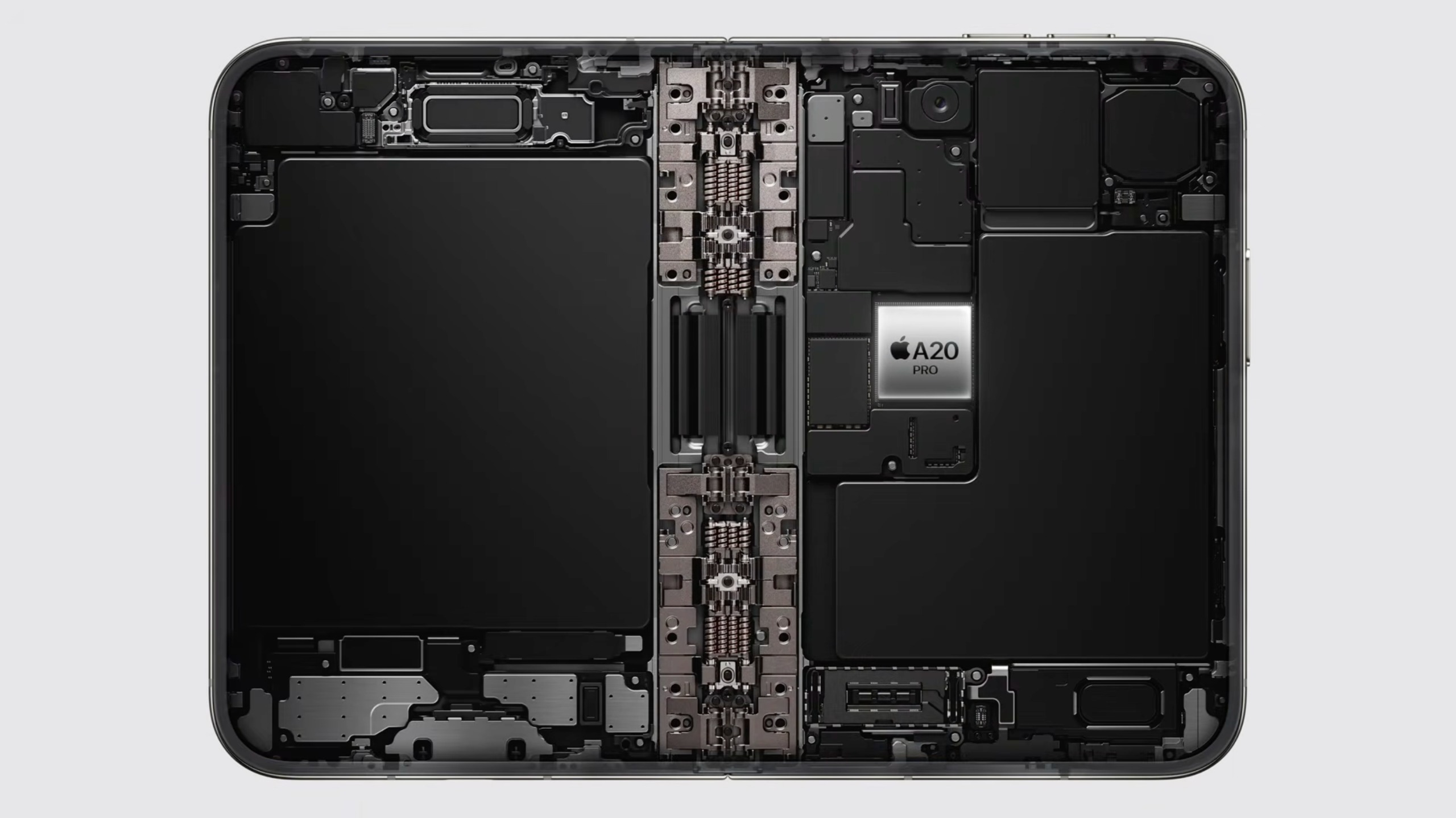
In the new architecture, the silicon dies are positioned in a way that entirely removes memory components from the thermal path of the SoC. This allows the silicon to mount directly onto a newly designed vapor chamber. This vapor chamber features a surface area three times larger than that found in the iPhone 17 Pro, reinforced with additional graphite, copper layers, and 80 percent recycled stainless steel.
According to official metrics provided by Apple, these structural and thermal enhancements yield up to a 40-percent improvement in sustained performance compared to the iPhone 17 Pro, and a staggering double (2x) the sustained performance of the iPhone 16 Pro. Coupled with intelligent battery optimizations, the iPhone 18 Pro series achieves unprecedented longevity. The iPhone 18 Pro is rated for up to 36 hours of video playback and 24 hours of mixed daily usage, while the larger Pro Max variant extends these figures to 45 hours of video playback and 30 hours of mixed usage per charge.
Transitioning to Proprietary Networking: The C2 Cellular Modem
In a decisive move toward technological self-reliance, Apple has also abandoned its reliance on Qualcomm for its high-end devices, introducing the proprietary C2 cellular modem. The company asserts that the C2 modem delivers significantly faster upload speeds compared to the preceding C1X iteration while simultaneously consuming 15 percent less electrical energy. Additionally, the C2 chip introduces native millimeter-wave (mmWave) support across models sold within the United States.
Beyond cellular connectivity, the iPhone 18 Pro and iPhone Duo models incorporate Apple’s new N1 networking chip. This component brings future-proofing capabilities to the hardware suite by supporting Wi-Fi 7, Bluetooth 6, and Thread networking protocols, ensuring robust smart home integration and hyper-fast wireless data transfer speeds.
The iPhone 18 Pro and Pro Max: Pricing and Availability
The traditional slab-style flagships, the iPhone 18 Pro and iPhone 18 Pro Max, will launch with aggressive entry-level pricing given their substantial hardware upgrades. The iPhone 18 Pro will start at $1,199, while the larger iPhone 18 Pro Max will start at $1,299. Both devices feature an updated, highly optimized Dynamic Island and a versatile 48-megapixel fusion camera system. This camera introduces a variable aperture alongside advanced post-capture customization settings, allowing users to fine-tune white balance and cinematic visual effects directly after recording. Pre-orders for the iPhone 18 Pro series open immediately, with retail availability scheduled for September 18.
The iPhone Duo: Apple’s Long-Awaited Foldable Enters the Market
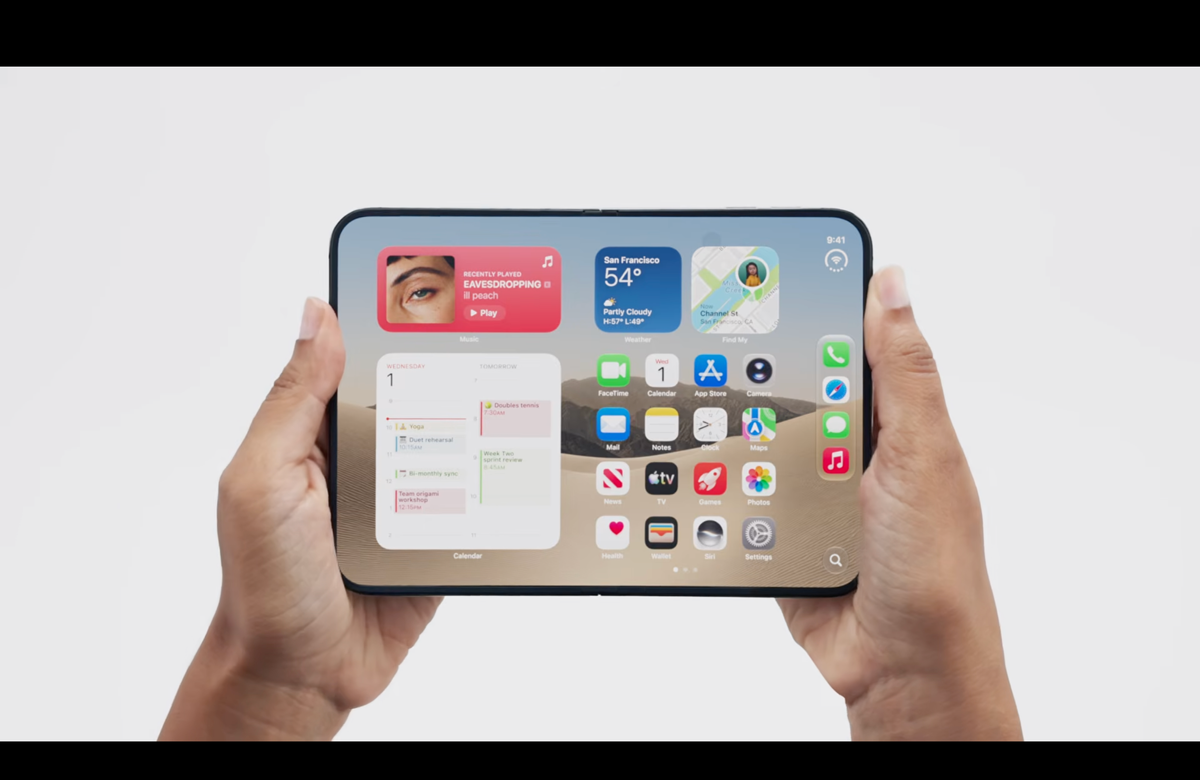
Undoubtedly, the crown jewel of the hardware event was the official unveiling of the iPhone Duo, Apple’s long-rumored and highly anticipated foldable smartphone. Powered by the same formidable A20 Pro processor, the iPhone Duo represents a radical departure from traditional iPhone design paradigms, combining a slim profile with dual-screen versatility.
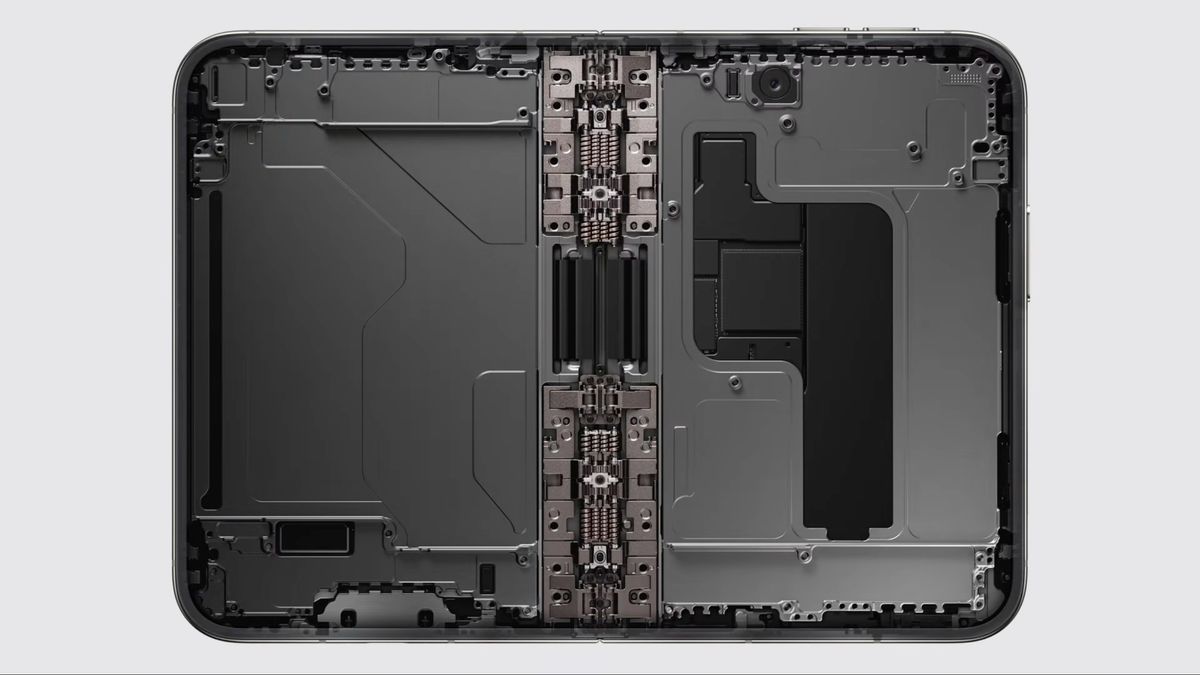
When fully unfolded, the iPhone Duo measures as the thinnest iPhone ever created, boasting a massive 7.6-inch internal display—the largest screen ever fitted to an Apple smartphone. To achieve this ultra-slim form factor without compromising structural integrity, Apple constructed the chassis using aerospace-grade titanium and an intricately engineered hinge comprising over 100 individual mechanical components. The device carries an official IP68 rating for dust and water resistance and will be offered in two striking colorways: "star white" and "night sky" (a deep, dark blue).
Display Engineering and Biometrics
Addressing the common consumer pain points associated with foldable displays, Apple integrated an advanced anti-glare internal display engineered to minimize crease visibility significantly. The screen is backed by a rigid titanium plate, providing a premium tactile feel beneath the user’s fingertips.
In a notable ergonomic shift, Apple opted to bypass Face ID for the iPhone Duo, returning instead to Touch ID for biometric authentication. Executives explained that fingerprint recognition is inherently superior for a foldable device, as it remains instantly accessible whether the phone is used in its closed compact form or fully opened, while also allowing users to register multiple fingers for convenience.
Furthermore, the iPhone Duo supports multiple operational "poses," including partial folds and a dedicated standby mode that activates automatically when the device is propped into a tent-style configuration—even when disconnected from a power source. Later in the year, Apple confirmed that full Apple Pencil support will be extended to both screens on the Duo, bridging the gap between smartphone and tablet productivity.
Battery Innovation and Camera Capabilities
Because foldable devices present unique spatial constraints regarding battery placement, Apple engineered a dual-battery system for the iPhone Duo, housing an independent power cell in each half of the device while managing them under unified software. Consequently, the device is exclusively eSIM-enabled worldwide to maximize internal space. Apple claims the Duo delivers up to 31 hours of video playback utilizing the inner display, 44 hours using the outer display, and a consistent 24 hours under a balanced usage model alternating equally between both screens.
Imaging on the iPhone Duo is handled by a versatile dual-camera array on the rear, featuring a primary 48-megapixel sensor with up to 2x optical-grade telephoto capabilities paired with an ultra-wide lens. For video conferencing and selfies, the outer cover features a 12-megapixel center-stage camera, while the inner flexible display incorporates an innovative under-display FaceTime camera—marking Apple’s first implementation of a truly invisible front-facing camera lens.
Pricing for the iPhone Duo starts at $1,999 for the baseline 256GB storage configuration, scaling upward for higher-capacity tiers reaching up to 2TB. Pre-orders for the foldable flagship are scheduled to commence on October 16, with official retail store rollouts and deliveries beginning on October 23.
Implications and Broader Market Impact
Apple’s introduction of the 2nm A20 Pro and the iPhone Duo signals a profound strategic pivot under John Ternus’s fresh executive leadership. By aggressively moving forward with proprietary silicon—including both the A-series processors and the newly minted C2 cellular modems—Apple is effectively insulating its supply chain from external dependencies while maximizing hardware-software synergy.
The entry into the foldable market with the iPhone Duo positions Apple in direct competition with established foldable pioneers like Samsung and Google. However, by leveraging its unmatched manufacturing scale, custom thermal architecture, and the deeply integrated ecosystem of iOS 27, Apple is poised to redefine consumer expectations in the ultra-premium smartphone segment. As industry analysts parse the specifications and await rigorous real-world testing, the 2026 product cycle may well be remembered as the moment Apple successfully rewrote the technological rulebook for mobile devices.