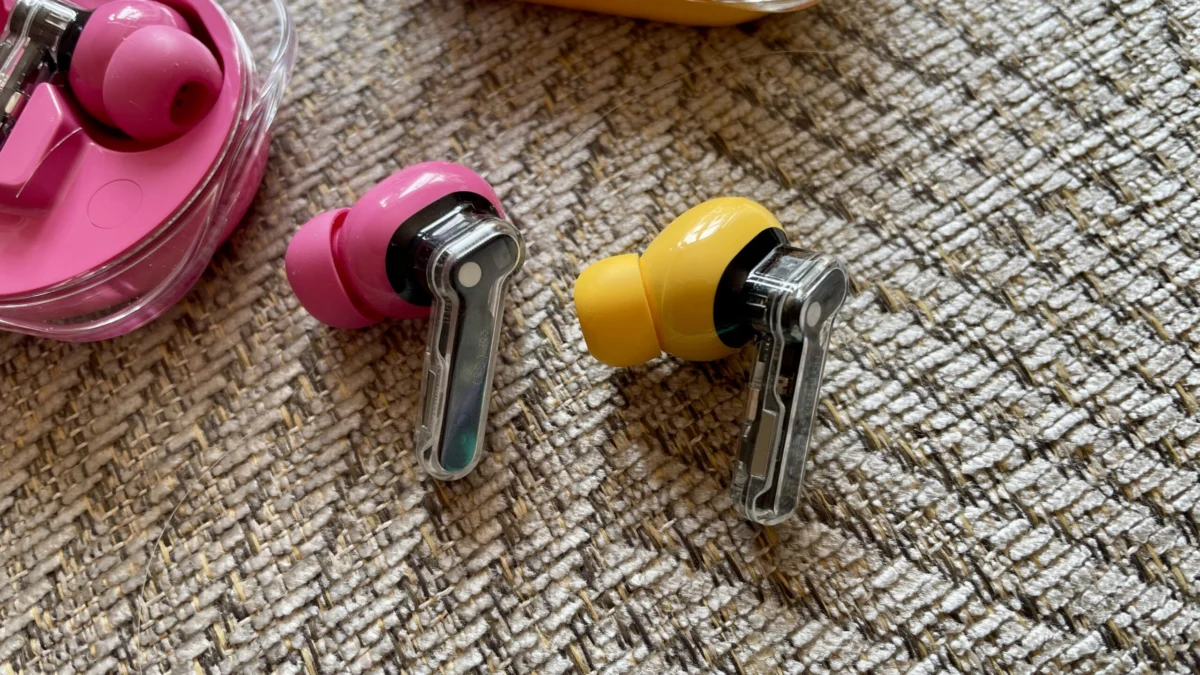
The release of Nothing’s latest mid-range earbuds, the Ear (3a), has been met with a mixture of anticipation and significant concern, primarily due to the inclusion of "Audio Snapshot" and "Call Recording" features. Priced at $99 / £99, these earbuds aim to capture a "young, creative, and engaged" demographic, yet their new functionalities have ignited a debate over privacy and user consent, overshadowing improvements in audio quality and design. This launch marks a notable deviation from previous iterations in Nothing’s affordable ‘a’ lineup, which had previously garnered strong praise for their balance of performance and value.

Product Overview and Market Positioning
The Nothing Ear (3a) are positioned as the direct successors to the well-received Nothing Ear (a) from 2024, despite the numerical jump (there were no Ear (1a) or (2a) models). They are designed to complement the more premium Nothing Ear (3) in the company’s current generation. Nothing has historically cultivated a brand image centered on transparency, unique aesthetics, and a "sense of play" for its ‘a’ series, making these models a frequent contender for "best budget earbuds" lists.
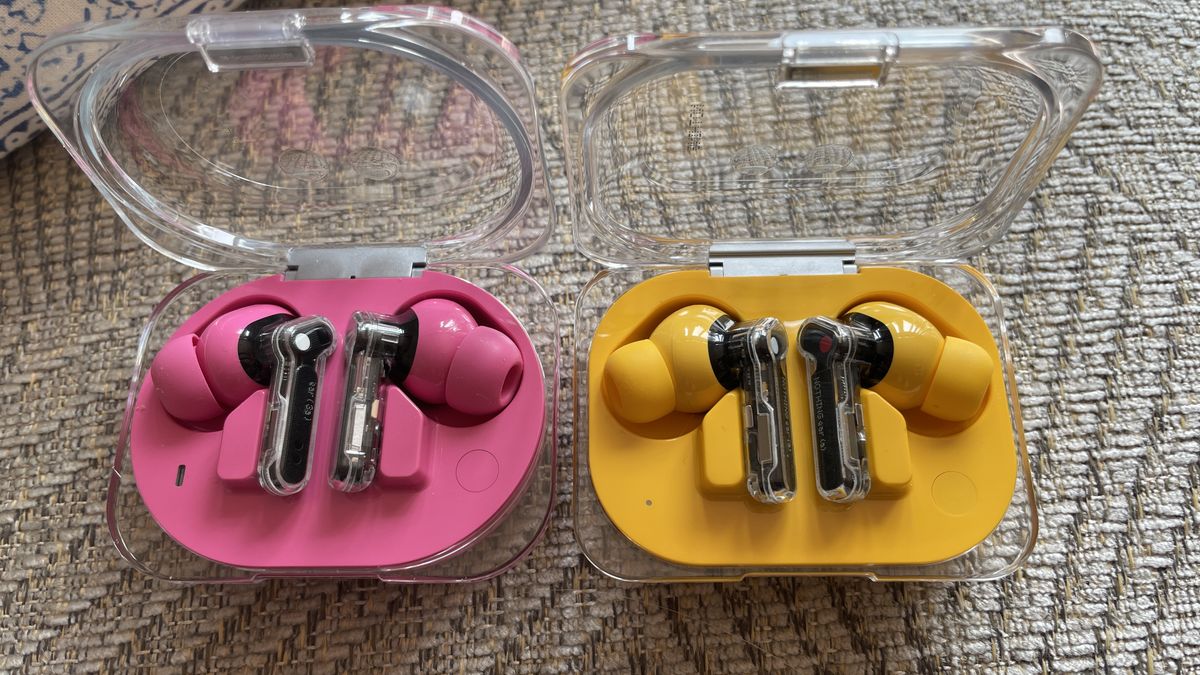
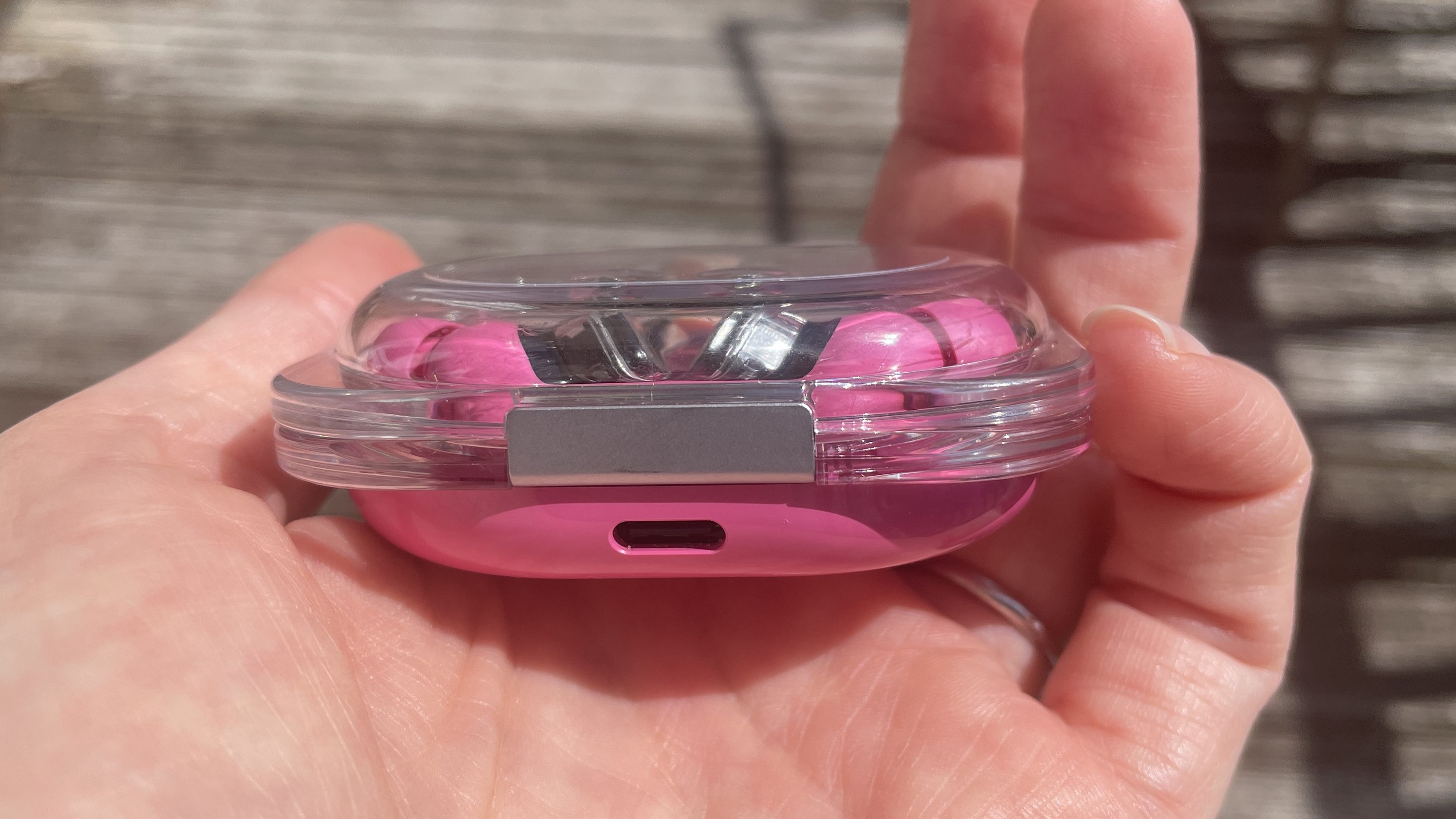
However, the Ear (3a) introduce an unexpected feature set, while notably omitting enhancements that many fans and tech reviewers might have anticipated. Key top-tier sound curation profiles found in Nothing’s flagship models, wireless charging support, and the ceramic driver unveiled in the more expensive Ear (without the ‘a’) model in 2024 are conspicuously absent. Instead, the updates include a new pink colorway, a slightly larger 12mm driver (up from 11mm), a curvier case with a three-LED status light, and Nothing’s static spatial audio profile. The most impactful additions, however, are the "Audio Snapshot" and "Call Recording" capabilities, which have become the focal point of the device’s reception.
Controversial Features: Audio Snapshot and Call Recording

The "Audio Snapshot" and "Call Recording" features allow users to record phone calls, voice notes from apps like WhatsApp or Instagram, and other audio snippets directly through the earbuds. With 32MB of onboard storage, the Ear (3a) can store up to two hours of audio, activated by a simple squeeze of the earbud stem. Nothing also offers a complimentary three-month subscription to its Pro Transcription service, providing 120 minutes of transcription per month. Post-trial pricing for this service is yet to be finalized, with an announcement expected in August. Furthermore, Nothing plans to integrate AI-powered summaries, speaker identification, and calendar reminders based on recorded conversations later this year.
The primary concern revolves around the notification system for these recording features and the broader implications for privacy and consent. During a traditional phone call, the only indication that a recording has commenced is a brief beep. While Google Meet calls trigger an audible announcement ("This call will be recorded in 3, 2, 1"), this vocal prompt is reportedly absent for direct smartphone-to-smartphone calls. This subtle notification mechanism, particularly the non-verbal beep, raises questions about its effectiveness in ensuring genuine consent from all parties involved in a conversation.

Legal and Ethical Implications of Call Recording
The legality of recording phone calls varies significantly by region. In the United Kingdom, where the reviewer is based, it is legal to record a call for personal use even without the explicit consent of the other party, though sharing such a recording publicly may require consent. In the United States, however, laws differ by state. Some states operate under "one-party consent" rules, where only one participant needs to be aware of and consent to the recording. Conversely, "two-party consent" (or "all-party consent") states require all participants to consent. For calls crossing state lines in the US, the stricter "two-party consent" rule, as per the Federal Wiretap Act, generally applies.
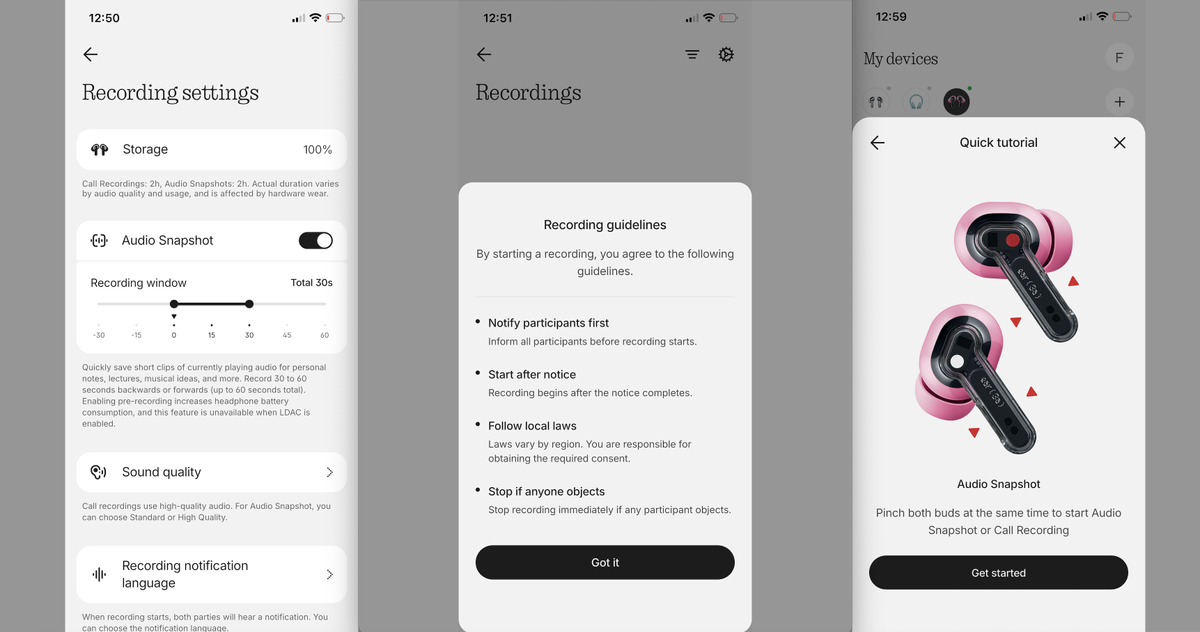
Nothing asserts that it "aligns with internationally recognised privacy standards ISO 27001, ISO 27701 and EN 18031." The Nothing X app, used for setting up the earbuds, includes a tutorial reminding users to obtain permission before recording calls. However, critics argue that placing the onus entirely on the user to secure consent, coupled with a minimal notification like a beep, creates an environment where non-consensual recording could easily occur. The reviewer expressed strong reservations, noting that such features, especially when marketed with a "playful" tone, can contribute to a sense of unease and privacy intrusion in an increasingly surveilled digital landscape, referencing similar concerns seen with smart glasses. This contrasts sharply with devices like the Viaim RecDot, which explicitly advertise their recording capabilities with visible "record" buttons and clear indicators, alongside a higher price point that signals a professional use case.
Performance and Design Analysis

Despite the ethical quandaries, the Nothing Ear (3a) largely delivers on audio performance for its price point. The earbuds support LDAC and Bluetooth 6.0, enabling high-resolution audio streaming up to 32-bit/96kHz at 990kbps, provided the source device and audio files are compatible. The sound profile, while noted to be somewhat bass-heavy by default, can be adjusted using the new "Advanced" 8-band EQ tab, which also includes a "Q factor" for precise frequency tuning. This level of customization allows users to tailor the sound to their preference, mitigating the initial bass dominance. The reviewer found the sound quality generally engaging, with good separation in complex tracks, although a slight lack of overall volume was noted, often requiring listening above 50% volume.
The Active Noise Cancellation (ANC) performance is also commendable for its segment, offering up to 45dB of noise reduction (effective to 5 kHz), an improvement of 17.1% over its predecessor. Users can select from High, Mid, Low, and Adaptive noise-nixing profiles. The Transparency mode is described as decent, providing a more three-dimensional soundscape than many rivals, allowing ambient sounds to pass through naturally. While not on par with premium offerings like the AirPods Pro 3 or Bose QuietComfort Ultra Earbuds (Gen 2), the ANC delivers a "fairly clean, largely uninterrupted and issue-free neutral background" for music.

In terms of design, the Ear (3a) maintain Nothing’s distinctive aesthetic, now available in pink, black, white, and a refreshed yellow hue. The case is 50% curvier than the Ear (a) and features three LEDs for battery and pairing status. The 12mm custom driver features an "aerospace-grade diaphragm." Comfort is addressed with an extra set of ear-tips (four in total, including an XS size), and the tips themselves are thicker and more flared for a secure fit. However, the reviewer noted that despite being lighter (4.53g per earbud) than the Ear (a) (4.8g), the earpieces might still feel a bit large for individuals with smaller ears during extended listening sessions. Call handling is described as "clear and clean as a whistle," thanks to three MEMS microphones per earbud with AI ENC. Other features include in-ear detection, a low-lag mode for gaming, seamless pairing, multipoint connectivity to two devices, an ear-tip fit test, and a "Find My Earbuds" function. For Nothing Phone users, the earbuds also offer ChatGPT access via stem squeeze.
Battery Life: A Significant Downgrade
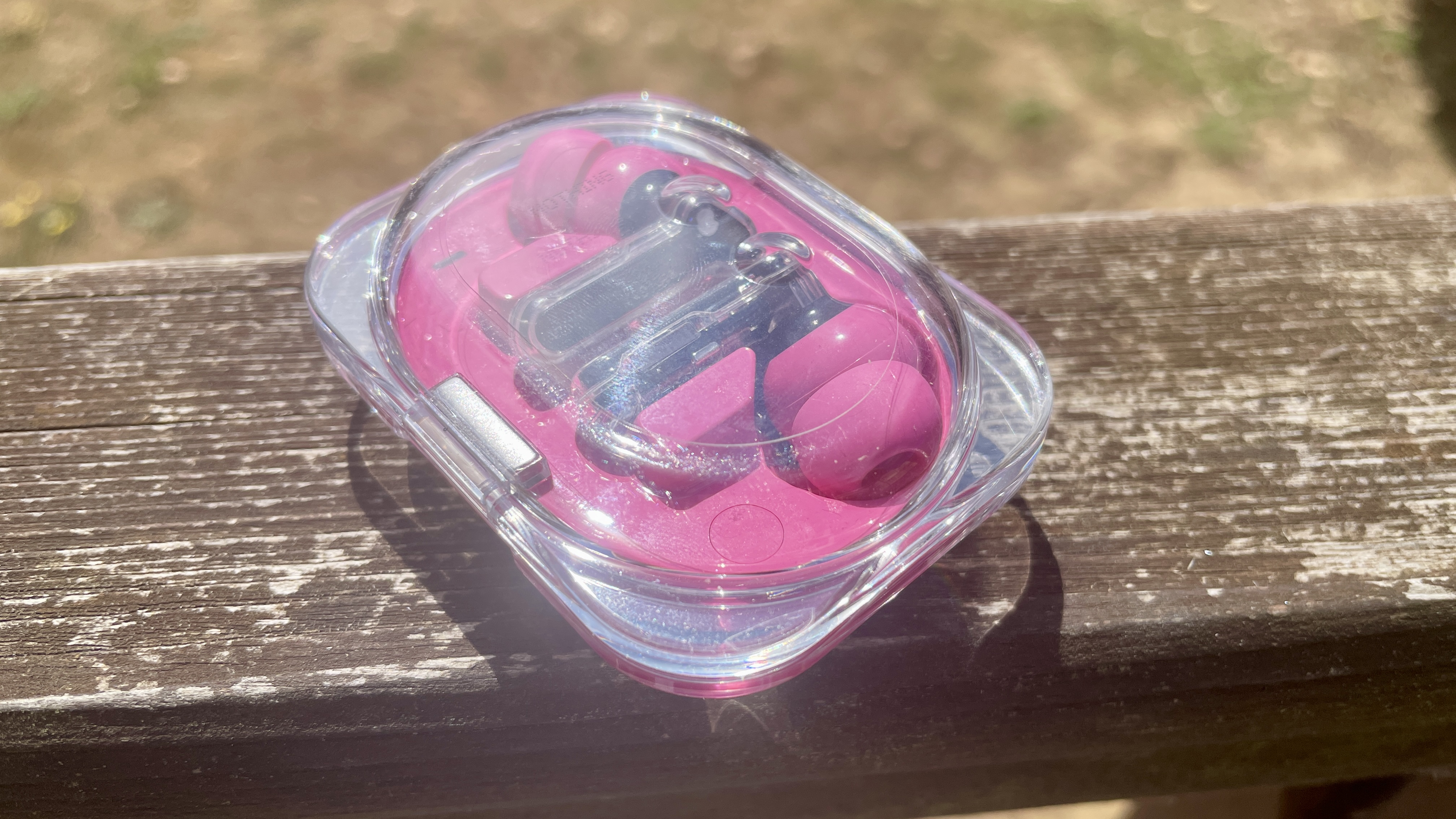
One of the most disappointing aspects highlighted in the review is the battery life. The Ear (3a) offer up to 6 hours of playback without ANC and 4.5 hours with ANC engaged. The charging case extends these figures to 25 hours (ANC off) or 18 hours (ANC on). These figures represent a noticeable regression compared to the predecessor, the Nothing Ear (a), which boasted up to 9.5 hours without ANC and 5.5 hours with ANC on a single charge. When factoring in the need to often listen at volumes above 50% (the standard for battery measurements), real-world endurance may be even shorter.
This reduction in battery performance is particularly glaring when compared to competitors in the budget and mid-range segments. For instance, the Cambridge Audio Melomania A100 offer 11 hours per charge and up to 39 hours with the case, alongside aptX Lossless support, making them a more practical choice for extended use. The reviewer speculated that the slightly larger 12mm driver, combined with the onboard 16MB flash drive and other features, might be contributing to this decreased stamina, suggesting a potential trade-off that negatively impacts user experience for features that are, in some cases, ethically contentious.

Value Proposition and Market Competition
At $99 / £99, the Nothing Ear (3a) are priced competitively within the budget wireless earbud market. However, their value proposition is complicated by the controversial call recording feature and the reduced battery life. While the sound quality, ANC, and overall design are solid for the price, the ethical implications of the recording features weigh heavily on the reviewer’s assessment. The perceived shift from a consumer-friendly focus on sound and convenience to a more intrusive feature set is seen as a misstep.
In a crowded market, the Ear (3a) face stiff competition. Rivals include:
- Apple AirPods 4: Offering seamless integration and gesture controls for iPhone users, though typically at a higher price point.
- Cambridge Audio Melomania A100: Praised for their exceptional sound quality, superior battery life (11 hours per charge, 39 hours with case), and aptX Lossless support, often available at a discounted price.
- Huawei FreeArc: Affordable open earbuds that deliver excellent sound, especially appealing to those who prefer an open-ear design.
- SoundPEATS Clip1: Another inexpensive clip-style open earbud option.
These alternatives, particularly the Cambridge Audio Melomania A100, offer compelling arguments for consumers prioritizing audio fidelity, extended battery life, and traditional features over potentially intrusive functionalities. The reviewer concluded that while the basic performance of the Ear (3a) is acceptable, the overall feature set, particularly the call recording, detracts from its appeal and makes it difficult to recommend unreservedly.

Expert Testing Methodology
The Nothing Ear (3a) were subjected to rigorous testing over a period exceeding two weeks, including a 48-hour run-in period. The testing regimen mirrored TechRadar’s established methodology for audio products, evaluating comfort, Active Noise Cancellation effectiveness, and real-world battery performance during daily commutes on public transport (London Underground, walking) and in various outdoor environments. Audio quality was assessed through extensive listening sessions using reference playlists on Apple Music and Tidal, alongside TechRadar’s proprietary reference tracks, podcasts, and movies. The reviewer also utilized the earbuds for YouTube tutorials on a MacBook Pro to gauge versatility. With over seven years of dedicated experience in audio product testing, coupled with a background in dance and musical theatre, the reviewer brought a discerning ear for sound quality, fit, and user experience, with a particular emphasis on the nuances of ANC performance.