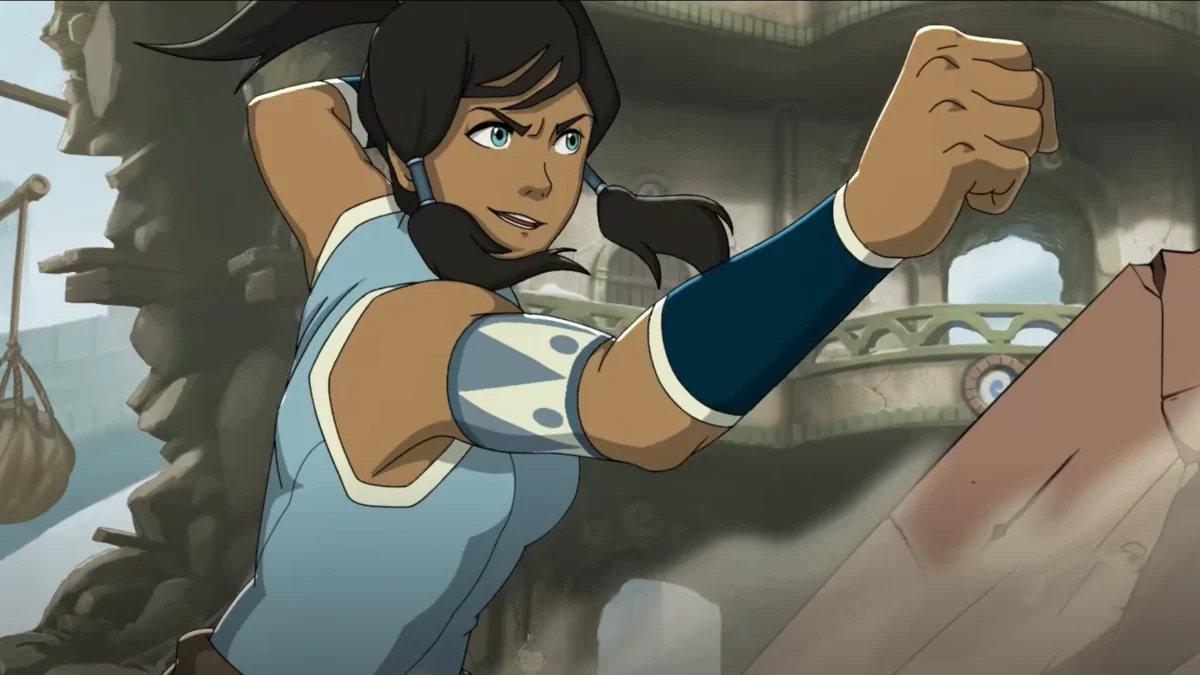
The highly anticipated fighting game, Avatar Legends: The Fighting Game, has encountered significant pre-launch disruptions, with its Xbox release being unexpectedly delayed by over two months and its Nintendo Switch version launching today with notable limitations, including the absence of cross-play, limited localization, and the unavailability of its Deluxe Edition. The announcement, made by developer PM Studios less than 24 hours before the game’s global release, has ignited considerable frustration within its eager player base, particularly among Xbox users who had pre-ordered the title and made plans to play on its original launch day.
Unforeseen Setbacks for Xbox and Nintendo Switch Players
Originally slated for a global release today, Avatar Legends: The Fighting Game will not be available for Xbox players as planned. PM Studios cited "unforeseen circumstances on a backend feature" as the primary reason for postponing the Xbox launch to September 3rd. This abrupt change leaves Xbox users who pre-ordered the game in a state of limbo; their pre-orders will not be automatically canceled, requiring manual intervention if they wish to withdraw their purchase due to the delay. This situation is particularly jarring given the proximity of the announcement to the intended launch, leaving many feeling blindsided.
Nintendo Switch players, while still able to access the game today, will experience a considerably pared-down version. The Deluxe Edition, which includes additional content and is available on PC, PlayStation, and eventually Xbox, will not be offered on the Switch at launch. Furthermore, two crucial features that are often standard in modern fighting games – cross-platform play and comprehensive localization beyond English – will also be absent from the Switch version. PM Studios has issued a commitment to introduce these features, along with the Deluxe Edition upgrade, to Switch players "as soon as possible," promising future updates on their timeline and progress.
The Avatar Universe in Gaming: A Brief History
The Avatar franchise, encompassing Avatar: The Last Airbender and Legend of Korra, has garnered a massive global following since its debut in 2005. Known for its rich world-building, compelling characters, and sophisticated elemental bending combat, the series has naturally lent itself to various video game adaptations over the years. These adaptations have spanned multiple genres, from action-adventure to role-playing games, with varying degrees of critical and commercial success. The announcement of Avatar Legends: The Fighting Game was met with considerable excitement, as a dedicated fighting game offered a direct avenue to translate the dynamic and visually spectacular bending combat into a competitive format.
Developed by PM Studios, a publisher known for bringing a diverse range of indie and niche titles to market, Avatar Legends: The Fighting Game promised to deliver an authentic fighting experience rooted in the beloved lore. The game aimed to feature a roster of iconic characters from both Avatar: The Last Airbender and The Legend of Korra, allowing players to master unique bending styles and special abilities. The prospect of engaging in one-on-one combat with characters like Aang, Korra, Zuko, and Toph, each with their distinct elemental disciplines, resonated strongly with fans eager for a definitive fighting game experience within the universe.
Development Hurdles and Multi-Platform Challenges
The challenges faced by Avatar Legends: The Fighting Game underscore the inherent complexities of modern multi-platform game development. Launching a title simultaneously across PC, PlayStation, Xbox, and Nintendo Switch involves navigating distinct hardware architectures, operating systems, and submission processes for each platform holder (Microsoft, Sony, Nintendo). Each platform has its own set of technical requirements, certification standards, and backend infrastructure that developers must adhere to.
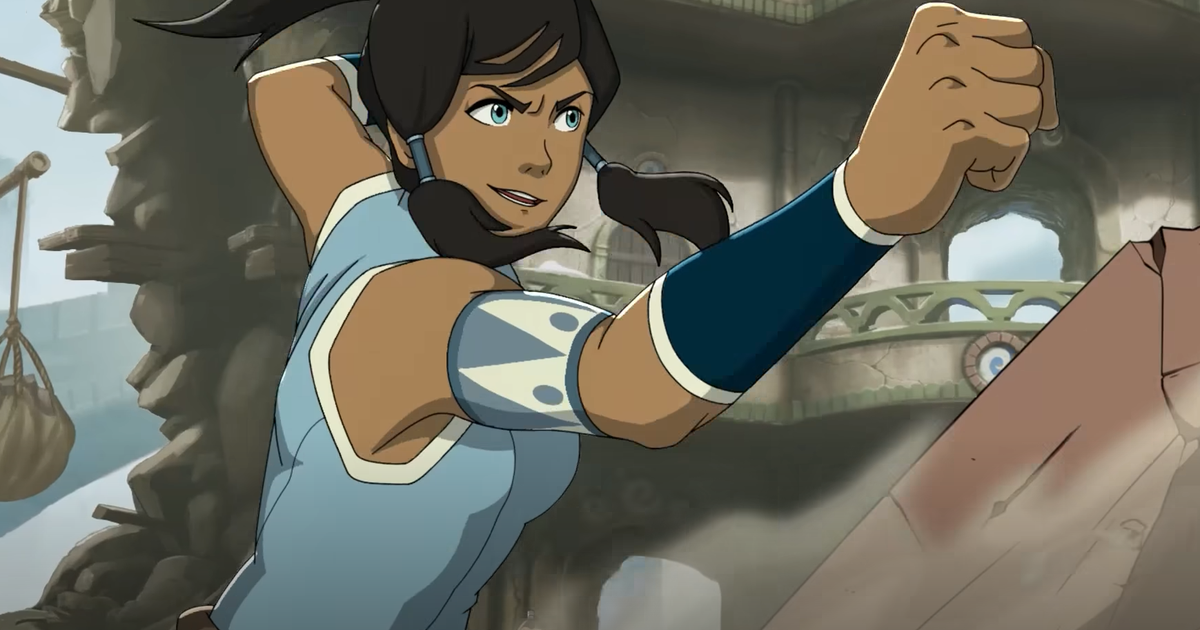
The "backend feature" issue cited for the Xbox delay is a common, albeit often vague, point of failure in game launches. This could encompass a wide array of technical components, such as online multiplayer infrastructure, server stability, digital rights management (DRM), user account authentication systems, or integration with platform-specific services like achievements and cloud saves. A critical malfunction or incompatibility in any of these areas, especially one discovered late in the development cycle, can necessitate a delay to prevent a broken or compromised player experience at launch. Microsoft, like other platform holders, maintains stringent quality control to ensure games meet performance and functionality benchmarks before release.
For the Nintendo Switch, the limitations at launch – particularly the absence of cross-play and the Deluxe Edition – point to different kinds of development hurdles. Cross-play, while increasingly common, requires significant investment in network infrastructure and complex agreements between platform holders. Integrating cross-play post-launch often means substantial patching and potentially re-engineering parts of the game’s online code. Similarly, the Deluxe Edition’s absence suggests either a delay in asset finalization, certification issues specific to the Switch eShop, or prioritization of getting the core game out the door on that platform, even if it means a staggered release of premium content. Localization, too, is a resource-intensive process, requiring translation, cultural adaptation, and rigorous testing across multiple languages, often leading to staggered releases or post-launch patches for broader language support.
Community Outcry and Erosion of Trust
The announcement of these delays and limitations, delivered mere hours before the global launch, triggered an immediate and vocal backlash from the gaming community. Social media platforms, particularly X (formerly Twitter), became a hotbed of frustration and disappointment. Many Xbox players expressed feeling betrayed, having pre-ordered the game and, in some cases, even taken time off work specifically to play on the intended release day.
One X user, Lagoon884, articulated the sentiment: "Are you actually kidding me, why would you announce this the day of release if you knew you wouldn’t be able to release it on Xbox till two months later." Another user, Alto, echoed this frustration, stating, "Why would they wait until the day BEFORE to say something. I literally took off work to play it on release. Now I have to wait until September??? Horrible communication." This sentiment highlights a critical aspect of game launches: player trust and communication. In an era of instant information, developers are increasingly expected to be transparent and timely with updates, especially concerning major delays that impact player plans and financial commitments. Late announcements, regardless of the underlying technical reasons, can severely damage goodwill and community relations.
The initial positive reception during the game’s open beta period, which allowed players to sample the gameplay and mechanics, now stands in stark contrast to the current souring sentiment. The beta had largely generated enthusiasm, with players praising the combat system, character designs, and faithfulness to the source material. This positive momentum has now been significantly undermined by the chaotic launch information, creating a challenging public relations situation for PM Studios.
Competitive Landscape and Timing Implications
The timing of these launch issues is particularly unfortunate given the competitive landscape of the fighting game genre. The genre is experiencing a resurgence, with several high-profile titles and betas vying for player attention. Tomorrow, for instance, marks the open beta launch of Marvel Rivals, another highly anticipated competitive title. Such proximity means that Avatar Legends: The Fighting Game risks losing potential players to competing titles, especially those who might have considered picking up Avatar Legends but are now faced with delays or feature limitations.
In the fast-paced world of gaming, especially for online-focused genres like fighting games, the "day one" experience is paramount. A smooth launch, stable servers, and full feature set are crucial for building an active player base, fostering a competitive scene, and generating positive word-of-mouth. Any significant stumble at launch can lead to a loss of initial momentum, making it harder to attract and retain players in the long run. The fighting game community is often fiercely dedicated but also discerning, and initial impressions can significantly influence a game’s longevity and success.

Broader Implications for Developers and the Industry
The situation surrounding Avatar Legends: The Fighting Game serves as a stark reminder of the immense pressures and potential pitfalls in modern game development and publishing. For PM Studios, the immediate implications include:
- Reputational Damage: The late announcement and platform-specific issues can harm the studio’s reputation for future releases, affecting player confidence and pre-order willingness.
- Financial Impact: Delayed sales on Xbox, potential refund requests, and reduced initial sales on Switch due to feature limitations could impact revenue projections. Resources might also need to be reallocated to address the "backend feature" and develop the missing Switch functionalities.
- Player Retention: A rocky launch can deter players from investing time and money into the game, potentially leading to a smaller active player base, which is detrimental for online fighting games that thrive on community engagement.
- Communication Strategy Review: The incident underscores the need for robust and transparent communication strategies, especially when dealing with critical launch information. Early and clear messaging, even if it means announcing bad news, is often preferred over last-minute surprises.
From an industry perspective, this event highlights the ongoing challenges of quality assurance and certification processes across multiple platforms. While platform holders like Microsoft and Nintendo strive to ensure a high standard of games released on their systems, last-minute technical hitches can still occur, forcing difficult decisions that balance player expectations with game integrity. It also reiterates the growing demand for cross-play as a standard feature, with its absence increasingly viewed as a limitation rather than an acceptable omission.
Looking Ahead: A Path to Redemption?
PM Studios’ commitment to addressing the issues and bringing the full Avatar Legends: The Fighting Game experience to all platforms as soon as possible offers a glimmer of hope. For Xbox players, the new September 3rd release date provides a clear target, albeit a distant one. For Switch players, the promise of future updates for cross-play, localization, and the Deluxe Edition means they may eventually receive the complete package.
The success of this recovery effort will heavily depend on several factors:
- Effective Communication: PM Studios must maintain consistent and transparent communication with its player base, providing regular updates on the progress of fixes and feature implementations.
- Quality of Post-Launch Patches: When the missing features and fixes are eventually rolled out, their quality and stability will be crucial. A well-executed patch can help restore confidence.
- Marketing and Re-engagement: The studio will need to re-engage with the community, perhaps through new marketing campaigns or special events, to reignite enthusiasm for the game, especially closer to the Xbox re-launch and Switch feature updates.
- Game Performance: Ultimately, the core game’s quality and long-term support will be the most significant factor. If Avatar Legends: The Fighting Game delivers a compelling and enjoyable experience once fully realized across all platforms, it may still manage to win back its spurned players and establish a foothold in the competitive fighting game market.
The road ahead for Avatar Legends: The Fighting Game appears challenging, but not insurmountable. The developers face the critical task of steering the ship back on course, polishing the product to its intended state, and, crucially, rebuilding the trust that has been shaken by this tumultuous pre-launch period. The future success of the game will serve as a case study in how developers navigate unforeseen obstacles and manage community expectations in the demanding world of video game releases.