During Tesla’s second-quarter earnings call on Wednesday, CEO Elon Musk provided a concrete timeline for the integration of autonomous driving capabilities into the company’s electric semi-trailer truck, the Tesla Semi. Musk indicated that the self-driving functionality is expected to become operational by the end of 2026 or early 2027. This announcement sheds light on a key aspect of Tesla’s long-term vision for commercial trucking and addresses a persistent concern regarding the availability of qualified drivers.
The strategic decision to prioritize autonomous development for higher-volume vehicles such as the Model 3, Model Y, and the anticipated Cybercab was highlighted by Musk. He explained that the current focus of Tesla’s software team is on achieving the highest levels of safety and reliability for these mass-market vehicles, which constitute the vast majority of Tesla’s fleet. Consequently, the development of autonomous features for the Tesla Semi has been placed on a temporary back burner, with Musk stating it is "taking a bit of a backseat for the next six months or so." However, he reassured investors that the technology will be fully functional in the following year, aligning with the anticipated ramp-up of high-volume production for the Tesla Semi.
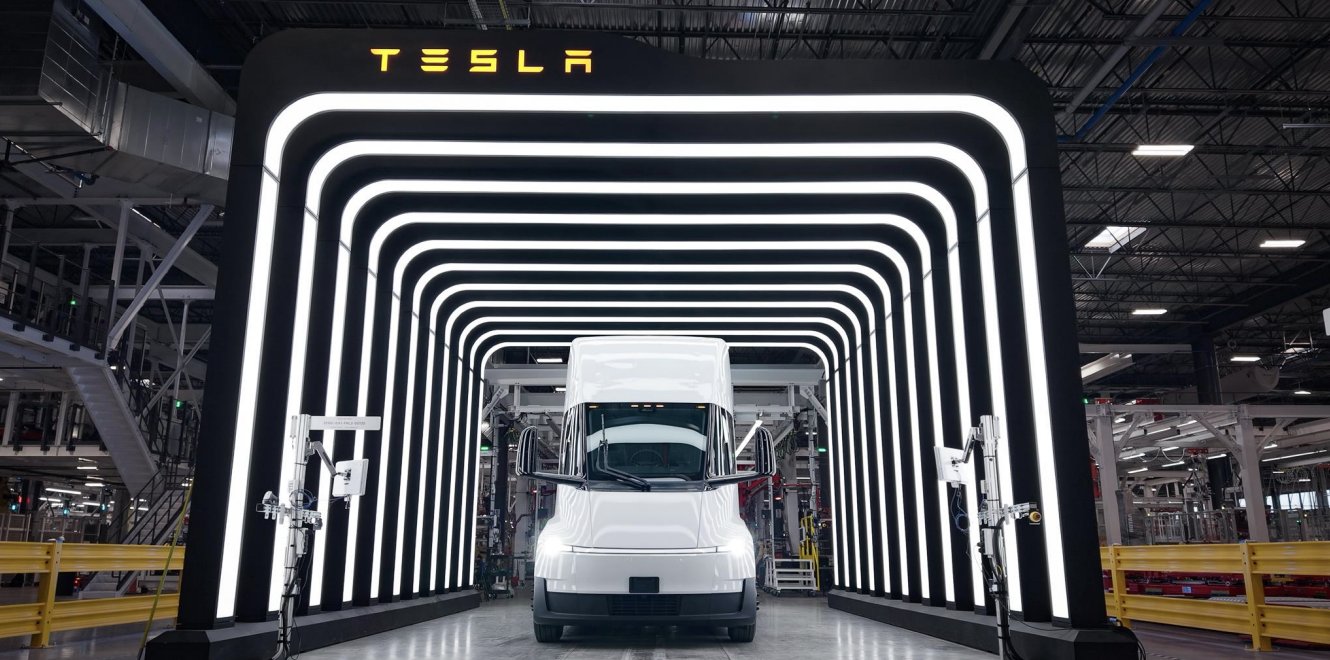
This projected timeline for autonomous Semi operation is not without precedent and is supported by recent observations of the vehicles on public roads. In June, a Tesla Semi was spotted in Sunnyvale, California, equipped with a comprehensive validation rig. This rig included the distinctive rooftop sensor array that Tesla typically deploys on vehicles in advance of significant advancements in its Full Self-Driving (FSD) capabilities. The presence of such advanced testing equipment suggests that development has been actively progressing, even if the focus has been shifted temporarily.
Further reinforcing these observations, a second production-ready Tesla Semi was sighted near Fremont, California, shortly thereafter, also featuring a similar suite of cameras and lens washers. This indicates a systematic approach to testing and validation for the autonomous features. Additionally, Tesla enthusiast and analyst Nic Cruz Patane shared video footage this month showcasing the exterior camera array of the production Tesla Semi. This array comprises ten AI4-based units seamlessly integrated into the truck’s design, rather than being retrofitted. The intentional design choice to embed these sophisticated camera systems from the outset underscores Tesla’s commitment to enabling advanced driver-assistance and ultimately, autonomous driving capabilities for its commercial vehicle.
The rationale behind pursuing autonomy for the Tesla Semi extends beyond technological ambition; it addresses a critical real-world challenge: a significant shortage of qualified truck drivers. Musk elaborated on this point during the earnings call, stating, "There is a really serious shortage of truckers." He posited that a self-driving Semi offers a compelling solution to alleviate this industry-wide problem. Furthermore, he suggested that autonomous technology could enhance both the safety and comfort for human drivers who continue to operate these vehicles.
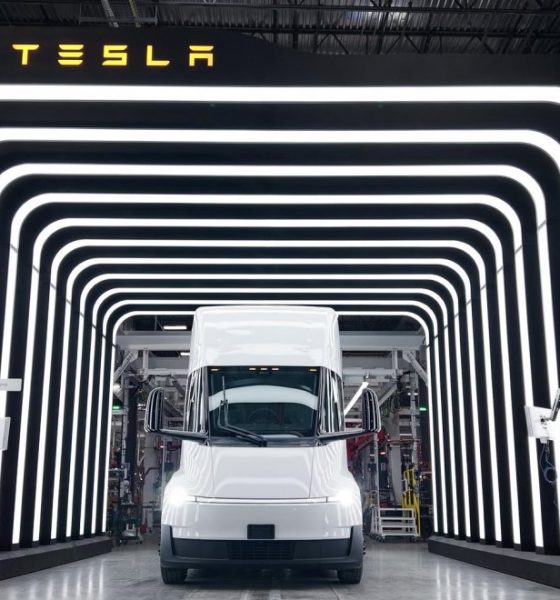
The projected timeline for autonomous functionality also aligns with the current production realities of the Tesla Semi. Tesla’s Q2 shareholder letter notably omitted previous promises of reaching volume production for the Semi within the current year. Elon Musk identified the output of 4680 battery cells as a primary constraint impacting the production scalability of both the Semi and the Cybercab. The proposed early 2027 timeline for autonomous software development provides Tesla’s autonomy team with adequate time to refine its systems while the hardware production, particularly battery cell manufacturing, catches up. This phased approach ensures that the technological advancements in software are not prematurely deployed without the necessary hardware capacity to support widespread adoption.
It is crucial to note that Musk’s statement about self-driving "working" by early 2027 does not necessarily equate to a public, unsupervised rollout of fully driverless trucks. The phrasing suggests that the internal validation and operational readiness of the autonomous system will reach a mature stage by that time. This would involve the software effectively leveraging the advanced hardware already present on every production truck. The ultimate decision regarding when these vehicles will be cleared for unsupervised operation on public roads will likely depend on regulatory approvals, further extensive testing, and the successful demonstration of unparalleled safety metrics.
Background and Context of Tesla Semi Development
The Tesla Semi was first unveiled in November 2017, marking Tesla’s ambitious entry into the heavy-duty trucking sector. At its unveiling, the company promised a revolutionary approach to freight transportation, emphasizing electric propulsion, advanced aerodynamics, and a futuristic cab design. The initial targets for production were set for 2019, but like many of Tesla’s ambitious product launches, the Semi experienced significant delays. These delays were attributed to various factors, including the company’s focus on scaling up production of its mass-market electric vehicles (Model 3 and Model Y), challenges in battery technology and production, and the complexities inherent in developing and certifying heavy-duty autonomous driving systems.

The production of the Tesla Semi eventually commenced on a small scale at Tesla’s Nevada Gigafactory in late 2022. Initial deliveries began in December 2022 to select customers, primarily for pilot programs and validation purposes. These early units were crucial for gathering real-world operational data and refining the vehicle’s performance and efficiency. The ramp-up in production at the Nevada facility, as alluded to by Musk, is a critical step towards making the Semi a more significant player in the trucking industry.
The Strategic Importance of Autonomous Trucking
The trucking industry is a cornerstone of global commerce, responsible for transporting the vast majority of goods. However, it faces persistent challenges, including driver shortages, high operating costs, and environmental concerns related to diesel emissions. Tesla’s Semi aims to address these issues by offering an all-electric solution with the potential for significantly lower operating costs per mile due to reduced fuel and maintenance expenses.
The integration of autonomous driving technology into the Semi is seen as a transformative element for several reasons. Firstly, it directly tackles the driver shortage issue. As populations age and fewer individuals enter the profession, autonomous trucks could ensure the continuous flow of goods. Secondly, autonomous systems have the potential to optimize routes, driving patterns, and platooning (trucks driving in close formation), leading to increased efficiency, reduced energy consumption, and improved safety by minimizing human error, which is a leading cause of accidents.

Supporting Evidence and Observations
The recent sightings of Tesla Semis equipped with advanced sensor suites are not isolated incidents. These observations align with Tesla’s broader strategy for advancing its autonomous driving technology. The company has consistently iterated on its FSD software, moving from driver-assistance features to more sophisticated capabilities. The architectural decisions made in the design of the Semi, such as the integration of ten AI4 cameras, indicate a clear intention to equip the vehicle with the necessary hardware to support advanced autonomous functions.
The mention of "AI4 based units" suggests the use of Tesla’s proprietary AI hardware, which has been central to its FSD development. The number and placement of these cameras are designed to provide comprehensive 360-degree visibility, crucial for navigating complex road conditions, identifying potential hazards, and making safe driving decisions. The inclusion of lens washers further indicates a focus on maintaining optimal sensor performance in various weather conditions, a critical factor for reliable autonomous operation.
Implications for the Commercial Vehicle Industry
The successful deployment of autonomous Tesla Semis could have profound implications for the commercial vehicle industry and the broader supply chain.

- Addressing Driver Shortages: Autonomous trucks could alleviate the current and projected shortage of truck drivers, ensuring that goods continue to move efficiently across the country.
- Enhanced Safety: By reducing human error, autonomous driving technology has the potential to significantly decrease the number of accidents involving commercial trucks, leading to fewer injuries and fatalities, as well as reduced insurance costs.
- Increased Efficiency and Reduced Costs: Optimized routing, platooning, and consistent driving speeds enabled by autonomy can lead to fuel savings and faster delivery times. Lower maintenance costs associated with electric powertrains further contribute to overall cost reduction.
- New Business Models: The advent of autonomous trucking could foster new business models, such as dedicated autonomous freight services, where trucks operate around the clock without the need for driver rest breaks.
- Regulatory Landscape: The widespread adoption of autonomous trucks will necessitate significant advancements in regulatory frameworks governing their operation on public roads. Tesla’s progress will likely influence how governments and regulatory bodies approach the certification and deployment of self-driving commercial vehicles.
Future Outlook and Challenges
While Elon Musk’s timeline provides a clear target, the path to fully autonomous Semi operation is not without its challenges. These include:
- Technological Maturity: Ensuring the AI system can reliably handle all driving scenarios, including adverse weather, unpredictable road conditions, and complex urban environments, is paramount.
- Regulatory Approval: Gaining approval from transportation authorities in various jurisdictions will be a lengthy and rigorous process, requiring extensive safety validation.
- Public Acceptance: Building public trust and acceptance of autonomous trucks operating on the same roads as passenger vehicles will be crucial for widespread adoption.
- Cybersecurity: Protecting the autonomous systems from cyber threats will be essential to prevent malicious interference.
- Infrastructure Readiness: While not strictly necessary for the trucks themselves, charging infrastructure for electric Semis will need to be robust and widely available to support long-haul operations.
Tesla’s commitment to developing autonomous capabilities for its Semi, coupled with its progress in battery technology and vehicle production, positions it as a key player in the future of commercial transportation. The projected early 2027 activation of self-driving features represents a significant milestone, signaling a tangible step towards a more automated and efficient future for freight logistics. The industry will be closely watching Tesla’s progress as it navigates the complex technical, regulatory, and societal challenges inherent in bringing this transformative technology to fruition.