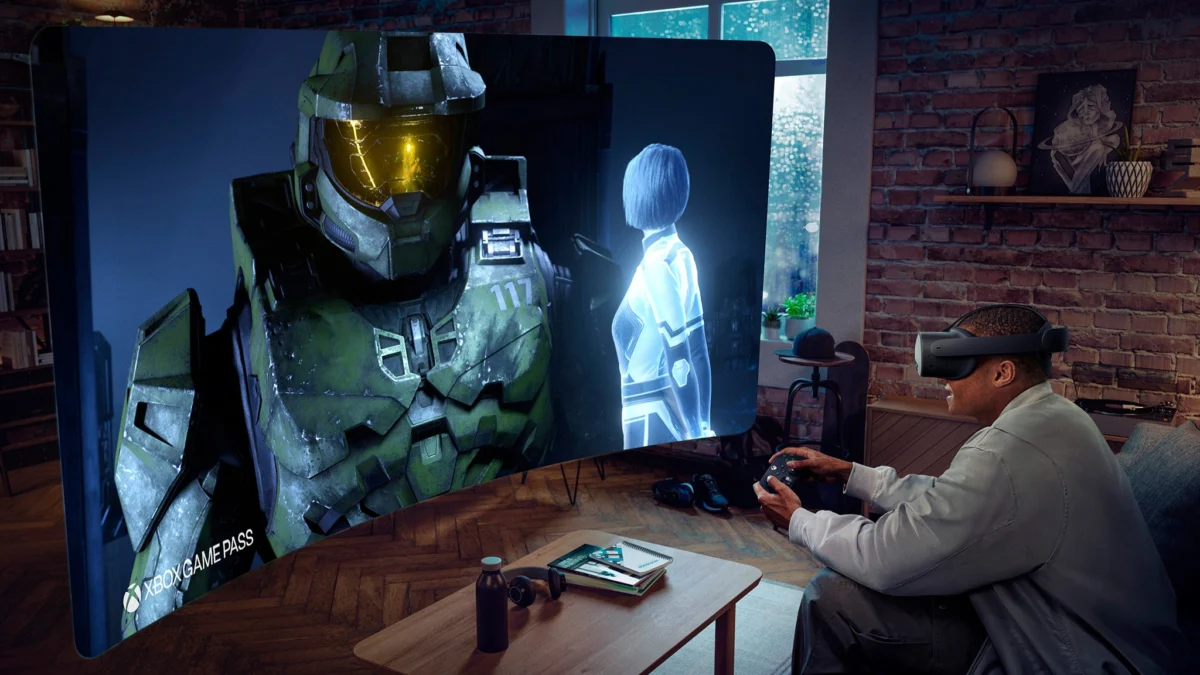
Meta, a dominant force in the virtual reality (VR) landscape, has announced a significant expansion of its Meta Horizon Plus subscription service through a strategic collaboration with Xbox. Effective July 21, Meta Horizon Plus subscribers gain access to a "starter edition" of Xbox Game Pass, unlocking a curated library of over 50 diverse titles for play on Meta Quest headsets. This integration marks a pivotal moment for both companies, aiming to enhance the value proposition of VR gaming and broaden the reach of Xbox’s expansive content catalog. The partnership not only introduces a wealth of new games to the Meta Quest ecosystem but also pioneers innovative cross-platform features, including synchronized progression and cloud gaming capabilities tailored for the VR environment.
The Partnership Unveiled: Bridging VR and Console Ecosystems
The core of this collaboration lies in the integration of a specialized version of Xbox Game Pass into the Meta Horizon Plus subscription. Subscribers will immediately gain access to a robust collection of over 50 games, carefully selected to offer a wide spectrum of genres and experiences. This library is designed to appeal to a broad audience, encompassing critically acclaimed AAA blockbusters alongside innovative indie titles. Notable inclusions highlighted in the announcement feature popular Bethesda Softworks titles such as Fallout 4 and Fallout 76, demonstrating a commitment to bringing high-fidelity, immersive experiences to VR. Complementing these expansive adventures are engaging cooperative games like Ghost Town Games’ Overcooked 2, known for its chaotic yet captivating multiplayer gameplay, and the acclaimed co-op shooter Deep Rock Galactic. The inclusion of such diverse titles underscores Meta’s ambition to provide a comprehensive and varied gaming experience within its VR ecosystem, mitigating a common challenge faced by nascent VR platforms: a limited content library.
Beyond the initial download-and-play options, the starter edition of Xbox Game Pass within Meta Horizon Plus introduces a crucial cloud gaming component. Users will be allocated 10 hours of cloud gaming per month, enabling them to stream games directly to their Quest headsets without the need for large downloads or local storage. This feature is particularly significant for VR, where storage capacity can be a limiting factor and the convenience of streaming offers immediate access to a wider array of titles. Cloud gaming also facilitates seamless multiplayer experiences, allowing Quest users to connect and play with friends on PC or other supported cloud gaming devices, fostering a more interconnected gaming community. For those who prefer uninterrupted play or have specific titles they wish to revisit frequently, Meta has confirmed that an option to download games from the library for unlimited access will also be available, providing flexibility to suit different player preferences.
Seamless Gaming: Cross-Platform Progression and Rewards
A hallmark of modern gaming ecosystems is the ability to maintain progress across multiple devices, and this partnership delivers on that expectation. A key feature of the integrated Xbox Game Pass experience is synchronized progression. This means that game saves and progress made on a Meta VR headset will seamlessly transfer if a user switches to an Xbox console, a PC, or any other supported device where they access their Xbox Game Pass library. This cross-platform continuity eliminates the frustration of starting over and encourages players to engage with their favorite titles across various hardware platforms without interruption. Such interoperability is a powerful incentive for users invested in both VR and traditional gaming ecosystems, enhancing the perceived value of both their Meta Quest headset and their Xbox Game Pass subscription.
Furthermore, the collaboration introduces opportunities for users to earn additional rewards through their gameplay within this integrated environment. While specific details about these rewards are yet to be fully elucidated, the concept suggests an expanded loyalty program that could encompass in-game bonuses, exclusive content, or other incentives tied to engagement across Meta and Xbox platforms. This not only encourages deeper interaction with the available game library but also strengthens the symbiotic relationship between the two companies’ platforms, rewarding users for their continued participation in this evolving ecosystem. The immediate rollout of Xbox Game Pass for Meta Horizon Plus, commencing on July 21, signifies Meta’s agility and commitment to swiftly bringing new features to its subscriber base.
Enhancing Immersion: Innovative Controller Emulation
Recognizing the unique input methods inherent to virtual reality, Meta is actively developing a feature to allow users to emulate an Xbox gamepad using their Quest Touch controllers. This innovative solution, expected to roll out in the coming weeks, will enable VR players to interact with traditional Xbox games using the natural hand and motion tracking capabilities of their Quest controllers, potentially offering a more immersive and intuitive control scheme within the VR environment. This development addresses a potential barrier for VR users who might not own an Xbox controller or prefer the native VR input experience.
Until this emulation support is fully implemented, users retain the flexibility to play their Xbox Game Pass titles on their Quest headset either without an external controller, utilizing existing VR-native control options for compatible games, or by pairing a standard Xbox controller directly with their Quest headset for a more traditional, familiar gaming experience. The option to use a physical controller caters to those accustomed to console gaming, ensuring that the transition to playing Xbox games in VR is as smooth and accessible as possible. This dual approach to input methods underscores Meta’s commitment to user choice and accessibility, striving to cater to a diverse range of player preferences and technical setups.
Strategic Alignment: A History of Collaboration
This latest partnership between Meta and Xbox is not an isolated event but rather the continuation of a growing strategic alliance between the two technology giants. Their collaborative efforts gained significant attention in June 2025 with the release of the Meta Quest 3S Xbox Edition. This limited-edition VR headset, while functionally similar to the standard Quest 3S, stood out through its distinctive Xbox branding, featuring the iconic green and black color scheme. It also included a special edition preinstalled Elite Strap for enhanced comfort and, crucially, came bundled with an Xbox controller that was pre-paired with the headset. This "turn it on and play" philosophy highlighted a shared vision of reducing friction for gamers and providing an immediate, high-quality experience.
The rapid sell-out of the Quest 3S Xbox Edition on Meta’s storefront and the subsequent scramble by consumers to find stock at retailers like Best Buy or from resellers underscored the significant market demand for such cross-branded hardware and the appeal of a streamlined gaming setup. This previous hardware collaboration laid the groundwork for the deeper software and service integration announced today, demonstrating a proven track record of successful joint ventures and a clear strategic intent to bridge the VR and console gaming worlds. These partnerships reflect a mutual understanding of the growing interconnectedness of digital entertainment and the potential for synergistic growth by leveraging each other’s strengths.
Meta Horizon Plus: The Gateway to VR Content
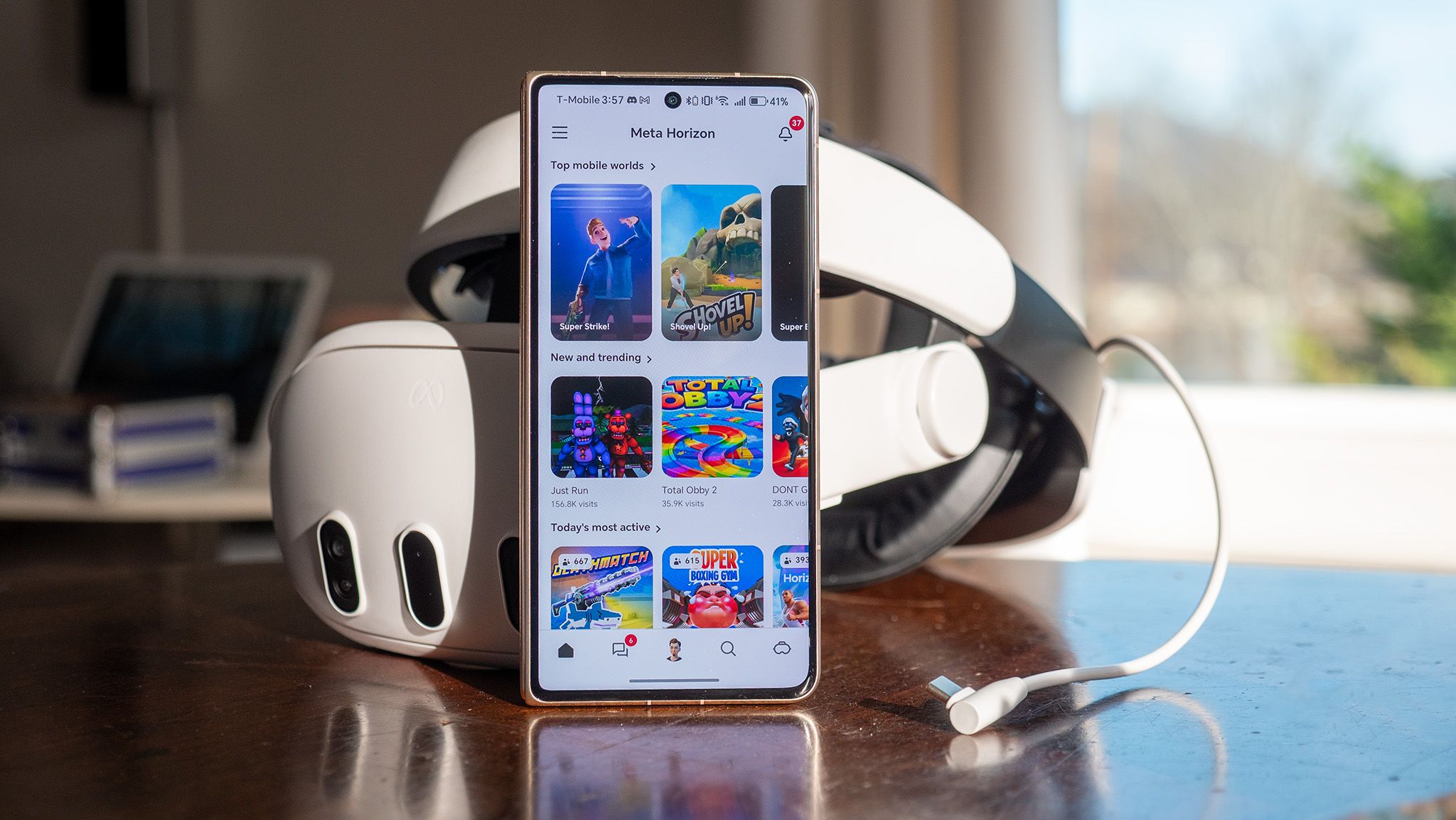
Meta Horizon Plus serves as Meta’s premium subscription service, designed to enrich the VR gaming experience on its Quest headsets. Positioned as a gateway to an expanding library of VR-centric content, the service aims to provide consistent value to its subscribers. Priced at $59.99 USD per year or $7.99 USD per month, Meta Horizon Plus offers not only access to a growing collection of games but also includes exclusive deals and discounts on titles within the broader Meta Quest store. This pricing structure offers flexibility, allowing users to choose between an annual commitment for cost savings or a monthly plan for greater flexibility. To further entice new users, Meta frequently offers promotional periods, such as a free month trial, allowing potential subscribers to experience the benefits of Horizon Plus firsthand before committing financially.
With the addition of Xbox Game Pass, the value proposition of Meta Horizon Plus significantly escalates. It transforms from primarily offering Meta-curated VR content to a comprehensive gaming hub that bridges the gap between dedicated VR experiences and the vast universe of traditional console and PC games, now accessible in a VR context. This move is crucial for Meta as it seeks to establish its Quest platform as a primary entertainment device, not just a niche VR gadget. By providing a diverse and continually refreshed content library, Meta aims to increase user engagement, drive hardware sales, and solidify its position in the competitive immersive technology market.
The Broader Landscape: VR’s Evolution and Cloud Gaming’s Rise
This collaboration arrives at a critical juncture for both the VR industry and the broader gaming market. Virtual reality, while still a nascent technology compared to traditional gaming, is experiencing steady growth. Analyst firms like IDC project significant increases in VR headset shipments, driven by technological advancements, increased content availability, and more accessible price points. Meta’s Quest line of headsets has been a major catalyst in this expansion, capturing a substantial share of the consumer VR market. However, a persistent challenge for VR has been the relatively limited depth and breadth of its exclusive content libraries compared to console or PC gaming.
Xbox Game Pass, on the other hand, has revolutionized the gaming subscription model, often referred to as the "Netflix of games." With millions of subscribers worldwide, Game Pass offers an extensive library of first-party titles on day one of release, alongside a rotating selection of third-party games, cloud gaming access via Xbox Cloud Gaming, and exclusive member discounts. Microsoft’s strategy with Game Pass has been to expand its reach across as many platforms as possible, from Xbox consoles and PCs to mobile devices via cloud streaming. This partnership with Meta represents a natural extension of that strategy, bringing Game Pass into the burgeoning VR ecosystem and potentially introducing a vast new audience to its service.
The integration also highlights the increasing importance of cloud gaming. Cloud gaming platforms are gaining traction as they offer accessibility and flexibility, allowing users to play high-fidelity games on less powerful hardware, provided they have a stable internet connection. While VR adds a layer of complexity to cloud streaming due to the need for low latency and high refresh rates to prevent motion sickness, the inclusion of 10 hours of cloud gaming in the starter edition suggests that Meta and Xbox are confident in their ability to deliver a satisfactory experience. This move could also serve as a testbed for more advanced cloud-based VR experiences in the future, pushing the boundaries of what’s possible in immersive gaming.
Industry Reactions and Market Implications
The announcement has garnered considerable attention within the gaming and technology sectors. While official statements from top executives have yet to be fully released, it is highly probable that leaders from both Meta and Xbox will emphasize the synergistic benefits of this partnership. Mark Zuckerberg, CEO of Meta, would likely highlight how this collaboration significantly enriches the Meta Quest ecosystem, making VR more appealing and accessible to mainstream gamers, thereby accelerating the adoption of virtual reality. Phil Spencer, CEO of Microsoft Gaming, would likely underscore the expansion of Game Pass’s footprint into a new, rapidly growing platform, reinforcing Xbox’s commitment to meeting players wherever they are and providing unparalleled value through its subscription service.
Industry analysts are likely to view this partnership as a strategic win for both companies. For Meta, it addresses the critical content gap that has historically hindered VR’s mass appeal. By leveraging Xbox’s established library, Meta can offer immediate access to a wealth of familiar and high-quality titles, potentially driving Meta Horizon Plus subscriptions and Quest hardware sales. For Xbox, it expands the reach of Game Pass into a novel and growing segment of the gaming market, diversifying its subscriber base and further solidifying its position as a leader in subscription-based gaming. The move could also put pressure on competitors in both the VR and subscription gaming spaces, compelling them to innovate and form similar strategic alliances. This collaboration could also accelerate the convergence of gaming platforms, blurring the lines between traditional consoles, PCs, and VR headsets.
Challenges and Future Outlook
Despite the significant potential, the integration also presents certain challenges. Cloud gaming in VR demands exceptionally low latency to prevent motion sickness and ensure a fluid experience. While 10 hours of cloud gaming monthly is a good starting point, the quality of the streaming experience will be crucial for long-term user satisfaction. Furthermore, curating a library of 50+ games that are truly compelling in a VR context, even if played on a virtual screen, will be an ongoing task. Not all traditional games translate perfectly to the VR environment, and the selection process will need to be meticulous.
Looking ahead, this partnership could be a precursor to deeper integrations. One could envision future scenarios where select Xbox titles are fully optimized for native VR play on Quest headsets, moving beyond simply streaming a 2D game into a virtual theater. The development of Quest Touch controller emulation for gamepad input suggests a commitment to adapting traditional gaming experiences for VR-native controls, hinting at a future where the lines between traditional and immersive gaming become even more blurred. This collaboration fundamentally alters the competitive landscape, positioning Meta Quest not just as a standalone VR platform but as an extension of the broader Xbox gaming ecosystem, offering a tantalizing glimpse into the future of cross-platform, immersive entertainment.
This alliance represents a bold step towards a more interconnected and content-rich future for virtual reality. By combining Meta’s leading VR hardware and platform with Xbox’s expansive game library and cloud gaming expertise, both companies are poised to unlock new avenues for growth, attract a wider audience to VR, and redefine what it means to experience games in an immersive environment.