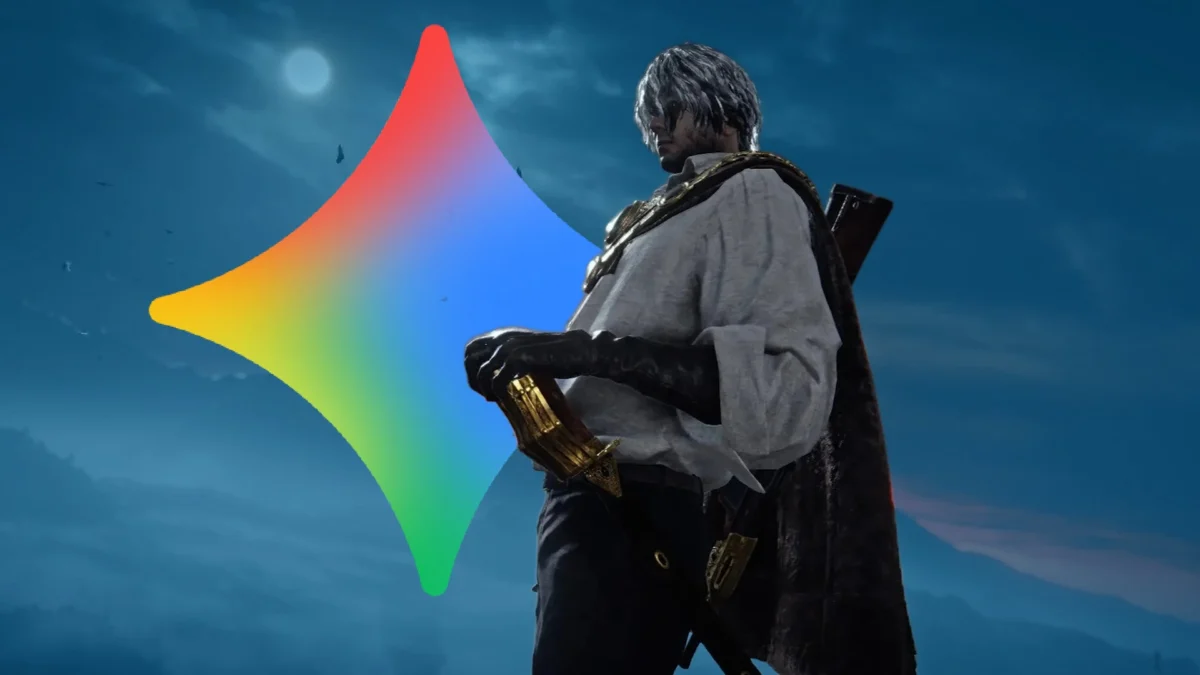
Google’s artificial intelligence-powered search function has erroneously cited elaborate, fan-created lore and fictional boss details from a dedicated Reddit community as official information for The Duskbloods, an unreleased and highly anticipated title from renowned developer FromSoftware, expected to be a Nintendo Switch 2 exclusive. This incident highlights a persistent challenge for AI systems in distinguishing verified facts from creative user-generated content, particularly in niche online communities. The first official playtest for The Duskbloods, which will mark the initial public exposure to the game outside of its developers at FromSoftware and Nintendo, is scheduled for next month. However, Google’s AI has been confidently presenting detailed descriptions of non-existent characters and gameplay mechanics, sourced directly from the subreddit r/TheDuskbloods, to unsuspecting users.
The Genesis of a Digital Fabrication: Fan Speculation Meets AI Algorithms
The phenomenon was initially brought to wider attention by Ian Walker at Video Game Town, who detailed how prolonged fan speculation and "shitposting" within the r/TheDuskbloods subreddit have culminated in Google’s AI misinterpreting these creative works as factual game data. This elaborate fan activity is a common occurrence in the gaming world, especially for titles shrouded in secrecy or those with protracted development cycles, such as Grand Theft Auto VI. However, the dedicated fanbase of FromSoftware, known for its intense engagement with lore and challenging gameplay in titles like Dark Souls, Bloodborne, and Elden Ring, often exhibits a particularly "goofy" and creative streak, leading to exceptionally detailed and convincing fan-made content.
For months, the r/TheDuskbloods community has been a hotbed of imaginative speculation, with users crafting intricate backstories, boss encounters, and gameplay features for a game about which very little official information has been released. Characters like "Bugout Billy," humorously described as "the unlockable character you get when you beat the Duskbug Brigade boss in the Underdusk zone," are clearly satirical. Yet, other creations, such as "Blood Mistress Elizabeth," characterized as "clearly the fanservice boss," or "Lycan Vrykolakas," lauded as "Blaidd 2" and "absolute cinema," possess a veneer of plausibility that can easily deceive a casual observer, or, as has been demonstrated, an uncritical AI. User Southern_Copy_6173, for instance, compiled an extensive ranked list of fictional bosses, complete with enough lore, aesthetic descriptions, and gameplay nuances to appear genuinely credible to those unfamiliar with the context.
The Chronology of Misinformation
The timeline of this particular AI hallucination reveals a gradual entrenchment of false information within Google’s search results:
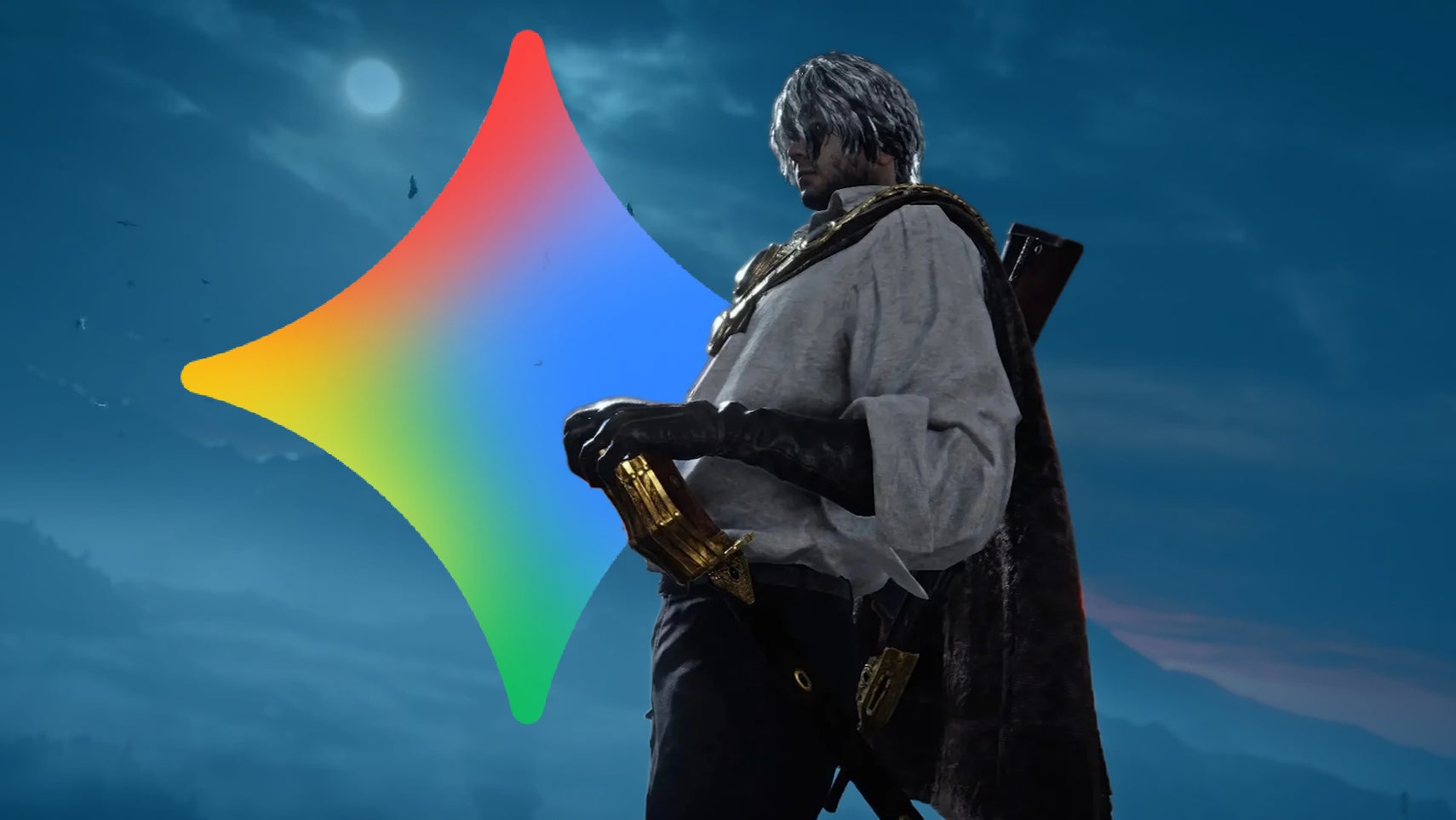
- Early Speculation (Months Ago): The r/TheDuskbloods subreddit begins to flourish with elaborate fan theories, mock-ups, and fictional lore for the unreleased game, driven by the typical information vacuum surrounding FromSoftware titles and the anticipation for the Nintendo Switch 2.
- Initial AI Detection (Approximately Two Months Ago): As evidenced by a Reddit post, Google’s AI first began to pick up on these fan creations, identifying "Sanguiphisto" as the "undisputed S+ tier challenge" in The Duskbloods, alongside other fabricated bosses like "Orlac" and "Blood Mistress Elizabeth." This marked the initial poisoning of the information well.
- Continued Inconsistency (Recent Weeks): Despite growing awareness of the subreddit’s nature, Google’s AI has continued to demonstrate inconsistent behavior. While a direct query asking for "confirmed Duskbloods bosses" might yield a response acknowledging the lack of official announcements and the prevalence of Reddit-based speculation, slightly rephrased questions can still elicit confident, albeit false, assertions. For example, asking if "Lycan Vrykolakas" is a real boss in the game might prompt the AI to confirm his existence and provide fabricated details.
- Detailed Fabrication on Demand (Most Recent Discovery): Pushing the system further, specific queries about fictional characters, such as "Bugout Billy’s features and abilities," led the AI to generate detailed explanations of how to unlock him, citing "leaks" that do not exist. Crucially, the AI would pull this information directly from the user-generated Reddit posts, even identifying the nickname as informal, yet it failed to flag the entire context as unverified or fake.
- Upcoming Official Playtest: The paradox is underscored by the impending official playtest next month, which will be the first legitimate glimpse of the game, contrasting sharply with the months of AI-generated fantasy.
This pattern suggests that while Google’s AI might possess some degree of contextual awareness regarding the source of information, its ability to critically evaluate and filter for factual accuracy, especially in the absence of official countervailing data, remains deeply flawed.
Background: The Allure of FromSoftware and the Nintendo Switch 2
The phenomenon surrounding The Duskbloods is rooted in several key factors that amplify fan engagement and the potential for AI misinterpretation. FromSoftware has cultivated a legendary status in the gaming industry, celebrated for its unique brand of action RPGs characterized by challenging combat, intricate world-building, and famously cryptic lore. Their games, including Demon’s Souls, Dark Souls, Bloodborne, Sekiro: Shadows Die Twice, and the critically acclaimed Elden Ring, consistently generate immense anticipation. The community surrounding these titles is known for its deep dives into every available shred of information, often filling in the blanks with their own theories and creative interpretations. This environment is ripe for elaborate fan-fiction to emerge and thrive, especially when official details are scarce.
Adding another layer of anticipation is the context of the Nintendo Switch 2. While Nintendo has yet to officially announce a successor to its hugely successful Switch console, industry analysts and leakers widely anticipate its arrival. Any game rumored to be a launch title or an early exclusive for a new Nintendo console, especially one from a studio as prominent as FromSoftware, immediately becomes a focal point of intense speculation. The lack of concrete details from both Nintendo and FromSoftware creates a vacuum that fan communities eagerly fill, often with imaginative and highly detailed content that serves as both entertainment and a means to cope with the prolonged wait.
The Broader Implications: AI Hallucinations and Information Integrity
This incident with The Duskbloods is not an isolated case but rather a salient example of the broader challenge of "AI hallucination" – a phenomenon where artificial intelligence systems generate plausible but entirely false information. Large Language Models (LLMs), which underpin many AI search functionalities, are trained on vast datasets of internet text. While this allows them to generate human-like responses and synthesize information, it also exposes them to the entire spectrum of online content, including satire, fan fiction, outdated information, and outright misinformation. The models are designed to predict the next most probable word or phrase, and in the absence of definitive factual anchors, they can "confidently" create narratives that sound convincing but lack any basis in reality.
The implications of such AI behavior extend far beyond the realm of video game lore:

- Erosion of Trust in AI Search: When users cannot trust the factual accuracy of information provided by AI search tools, their utility diminishes significantly. If a search engine cannot differentiate between official news and fan-made jokes, its credibility as a reliable source of information is severely compromised.
- Spread of Misinformation: The confident presentation of false information by a seemingly authoritative source like Google’s AI can rapidly spread misinformation. Users, assuming the AI is accurate, might further disseminate these falsehoods, leading to a polluted information ecosystem.
- Challenges for Content Creators and Journalists: This incident highlights the difficulty in navigating an environment where AI can inadvertently legitimize unofficial content. For developers like FromSoftware, it means that their carefully managed information releases can be undermined by AI-amplified fan fiction. For journalists, it necessitates even more rigorous fact-checking and verification processes when using AI tools for research.
- Societal Impact: While a game’s fictional bosses might seem trivial, the underlying mechanism of AI hallucination poses serious risks in more critical domains. Imagine an AI providing incorrect medical advice, financial guidance, or historical facts based on unverified online content. The reference to the "Torment Nexus" meme, which describes the inevitable and often dystopian consequences of advanced technology, becomes acutely relevant here. As AI systems demand more computational resources and become more deeply integrated into daily life, their capacity to distort reality and impact critical decision-making becomes a profound societal concern. The incident with The Duskbloods serves as a playful yet potent warning of these larger, more serious implications.
Industry Responses and the Path Forward
Neither Google nor FromSoftware have issued specific statements regarding this particular incident. However, their general stances on content and AI accuracy are relevant. Google has consistently iterated its commitment to improving the factual accuracy and safety of its AI products, frequently releasing updates and refining its algorithms to combat misinformation and hallucination. The company employs various strategies, including improved training data, better fact-checking mechanisms, and human oversight, to enhance the reliability of its AI outputs. This event will likely contribute to internal reviews and further refinement of how its AI processes information from niche online communities.
FromSoftware, known for its tight-lipped approach to game development and marketing, typically allows fan communities to engage in speculation, often seeing it as a form of organic hype generation. Their usual strategy is to reveal information on their own terms, closer to a game’s release or major event. While they might not directly address AI misinterpretations, such incidents could influence future communication strategies, perhaps prompting earlier, albeit limited, official information releases to preempt widespread fan-generated misinformation, or at least provide clearer signposts for AI systems to differentiate official content.
Reddit, as a platform for user-generated content, relies on community moderation and reporting to manage the vast amount of information shared. While the r/TheDuskbloods community engaged in playful speculation, it underscores the broader challenge for platforms to label and categorize content in a way that AI systems can reliably interpret its nature (e.g., satire, fan fiction, verified news).
The case of The Duskbloods and Google’s AI is a fascinating microcosm of the ongoing tension between rapidly advancing AI capabilities and the imperative for factual accuracy. As AI becomes an increasingly ubiquitous intermediary for information access, the responsibility for critical evaluation shifts, not only to the users but also, crucially, to the developers of these powerful tools to ensure they serve as reliable conduits of truth rather than unwitting amplifiers of fiction. The gaming community’s creative fervor has, in this instance, inadvertently provided a stark illustration of the evolving challenges in the digital information age.