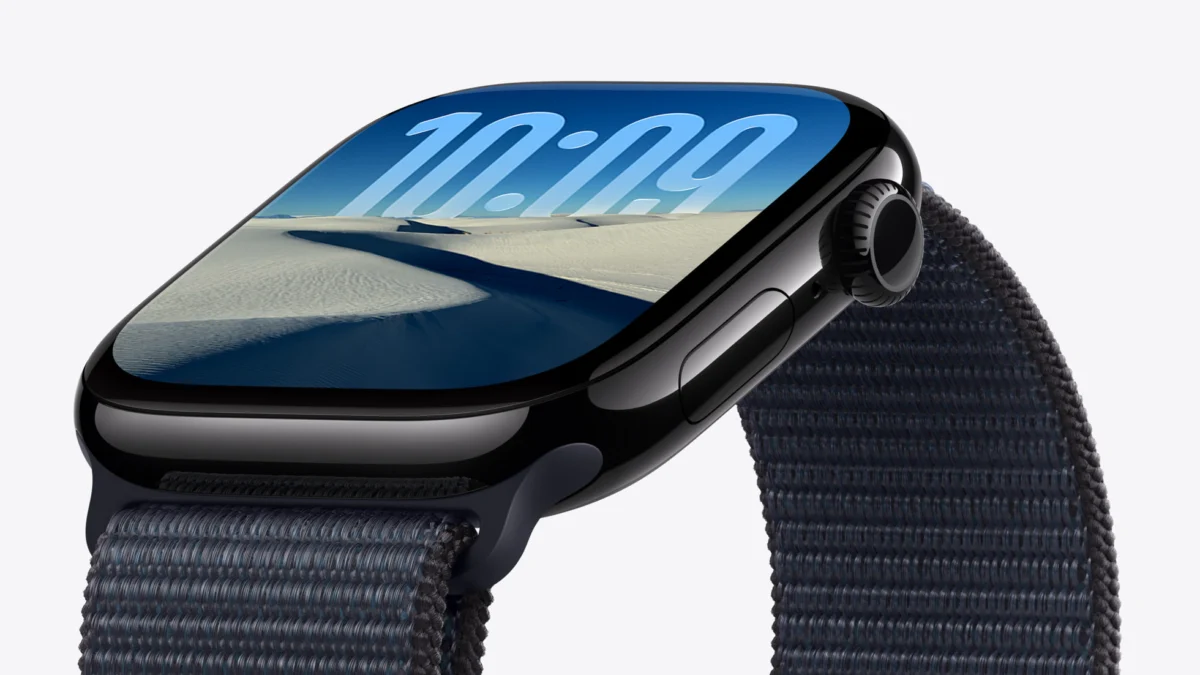
The upcoming release of the Apple Watch Series 12 represents a pivotal moment in the evolution of Apple’s wearable technology, marking what industry analysts suggest will be the most significant hardware transition since the introduction of the Series 9. As Apple prepares for its traditional September hardware showcase, internal leaks and supply chain reports indicate that the Series 12 will move beyond the incremental updates seen in the Series 10 and Series 11, focusing instead on a fundamental architectural overhaul designed to support a new era of artificial intelligence and extended biometric monitoring. The shift is centered on four primary pillars: a next-generation system-in-package (SiP), a prioritized focus on battery longevity, refined cardiovascular health notifications, and a streamlined user interface that bridges the gap between the standard Series models and the high-end Ultra line.
A Departure from Iterative Silicon: The T8320 Processor
For the past three hardware cycles, Apple has utilized a processor architecture that, while highly efficient, remained largely stagnant in terms of raw computational leaps. The Apple Watch Series 9, 10, and 11 were built upon a foundation categorized internally as the "Watch7" family. This classification reflected a shared DNA in the CPU and GPU clusters, which prioritized energy efficiency over the high-performance overhead required for complex generative tasks. However, documentation sourced from within Apple’s software environment suggests that the Apple Watch Series 12 will debut the "Watch8" family, powered by a new central processing unit identified as the T8320.
The transition to the T8320 is not merely a branding exercise but a technical necessity driven by the requirements of watchOS 27. With Apple increasingly integrating large language models (LLMs) and advanced Siri AI capabilities into its ecosystem, the Apple Watch requires a higher ceiling for on-device processing. By moving to the T8320, Apple is expected to provide the neural engine capacity necessary to handle complex voice queries and predictive health analytics without relying on a tethered iPhone. This leap in performance is reminiscent of the transition seen in the Series 9, which introduced the S9 chip and enabled the "Double Tap" gesture and on-device Siri processing for basic commands. The Series 12 aims to expand this further, potentially allowing for real-time translation and more sophisticated context-aware notifications.

Prioritizing Power: The Physical and Chemical Evolution of the Battery
Battery life has remained the primary point of contention for Apple Watch users since the device’s inception in 2015. While the Apple Watch Ultra has addressed this for the enthusiast market, the standard Series models have generally maintained an "all-day" battery life of approximately 18 to 24 hours. For the Series 12, Apple is reportedly re-engineering the internal chassis to accommodate a physically larger battery cell. This change is complemented by the efficiency gains provided by the T8320 chip and advancements in Low-Temperature Polycrystalline Oxide (LTPO) display technology.
The focus on battery longevity is intrinsically linked to Apple’s push into comprehensive sleep tracking. To provide a holistic view of a user’s health, a wearable must be worn consistently through the night, a requirement that clashes with the traditional nightly charging cycle. By aiming for a 36-to-48-hour battery window for the standard Series 12, Apple hopes to capture a larger segment of the health-conscious market currently leaning toward competitors like Garmin or Oura. Reports suggest that Apple has explored various methods to achieve this, including the removal of certain components deemed less essential to the core user experience.
One such casualty of this design philosophy appears to be the rumored Touch ID integration. While early prototypes of the Series 12 allegedly featured a fingerprint sensor integrated into the Digital Crown, recent reports from supply chain analysts indicate that Apple has scrapped this feature. The decision was reportedly driven by two factors: the physical space required for the sensor and the impact on water resistance. Apple’s engineering team ultimately determined that the volume saved by omitting Touch ID was better utilized for battery capacity and advanced health sensors, which provide more tangible value to the end-user than a secondary biometric unlock method.
Advanced Cardiovascular Monitoring and the FDA Pipeline
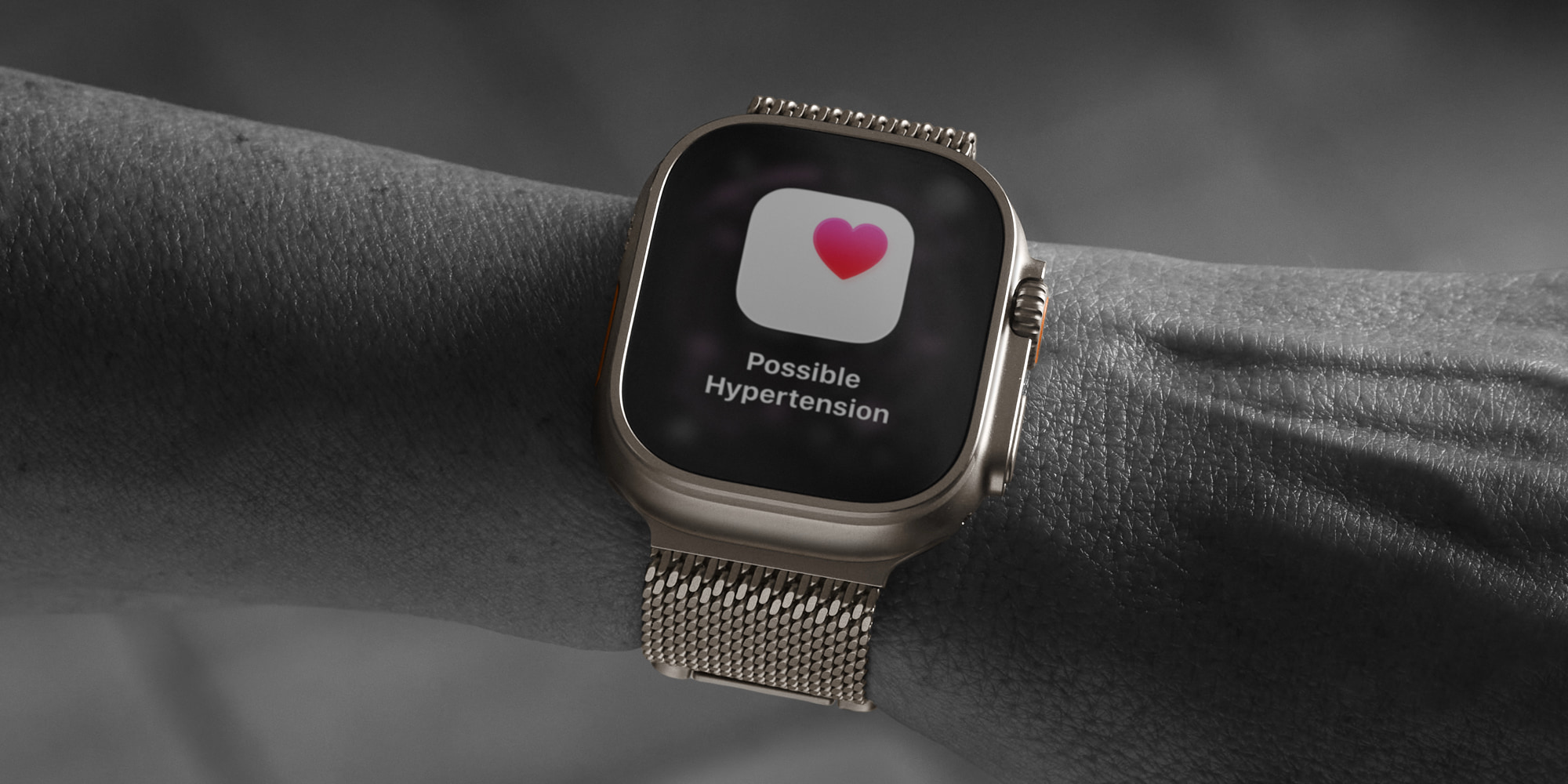
Health monitoring continues to be the primary driver of Apple Watch sales, and the Series 12 is expected to introduce more sophisticated tools for managing hypertension. Following the introduction of basic hypertension notifications in watchOS 26, Apple has reportedly submitted a more advanced high blood pressure notification system to the U.S. Food and Drug Administration (FDA) for review.

The current implementation of hypertension tracking on the Apple Watch is a trend-based system. It does not provide a systolic or diastolic reading in the traditional sense; rather, it uses the optical heart rate sensor to monitor patterns over a 30-day period. If the device detects a consistent pattern of elevated heart rate and vascular activity that correlates with high blood pressure, it alerts the user to seek professional medical consultation.
For the Series 12, the goal is to refine this predictive modeling. While noninvasive, continuous glucose monitoring remains the "holy grail" for Apple’s health team, that technology is still several years away from commercial viability in a form factor as small as a wristwatch. In the interim, Apple is focusing on refining its existing sensor suite to provide more granular data on vascular health. This includes leveraging the T8320’s processing power to filter out "noise" from the sensors, leading to fewer false positives and a more reliable diagnostic tool for the millions of users worldwide living with undiagnosed hypertension.
User Interface and the Democratization of the Modular Ultra Face
The visual identity of the Apple Watch Series 12 will also see a refresh through watchOS 27. Historically, Apple has reserved certain high-density watch faces for its most expensive or largest models. The "Modular Ultra" face, which debuted with the Apple Watch Ultra, became an immediate favorite for its ability to display a wealth of information at a glance, including real-time altitude, depth, and multiple complications.
For the Series 12, Bloomberg reports that Apple is developing a "simplified" version of this design. This new face is expected to feature the large, bold digital clock found on the Ultra, but with a layout optimized for the slightly smaller and more rounded displays of the Series watches. By removing the bezel-specific complications found on the Ultra and replacing the central large complication with a more streamlined row of data points, Apple is providing a "pro" aesthetic to its mainstream lineup. This move is seen as a way to refresh the visual appeal of the device for long-time users who may feel that the existing library of watch faces has become stale.
Chronology of Development and Market Context
The development of the Apple Watch Series 12 has occurred during a period of intense competition in the wearables sector. Samsung’s Galaxy Watch 7 and 8 series have made strides in body composition analysis, while Google’s Pixel Watch has integrated deep Fitbit analytics. Apple’s response has been to double down on its ecosystem integration and its reputation for medical-grade accuracy.
- Late 2024: Initial development of the T8320 chip begins, focusing on 3nm process technology to maximize efficiency.
- Mid 2025: Apple begins the FDA submission process for refined hypertension algorithms.
- Early 2026: Leaked code in beta versions of iOS and watchOS reveals the "Watch8" family identifiers (N237, N238, and N240).
- May 2026: Reports surface that Touch ID has been officially shelved in favor of battery and sensor upgrades.
- September 2026: Expected official announcement alongside the iPhone 18 and Apple Watch Ultra 4.
Strategic Implications for the Wearables Market
The launch of the Apple Watch Series 12 is more than a product refresh; it is a strategic repositioning. By significantly upgrading the processor for the first time in several years, Apple is future-proofing its wearable line against the rapid advancements in mobile AI. The focus on battery life and cardiovascular health reinforces the device’s status as an essential health tool rather than a mere notification hub.
Furthermore, the decision to offer the Series 11 at a discount ahead of the Series 12 launch suggests that Apple is moving toward a tiered pricing strategy that keeps older, yet still capable, hardware in the hands of more consumers while pushing the "early adopters" toward the new architecture of the Series 12. As the wearable market matures, the differentiation between models will increasingly rely on software capabilities powered by superior silicon, a trend that the Series 12 is poised to lead.
With the official unveiling expected in the fall, the Apple Watch Series 12 stands as a testament to Apple’s willingness to sacrifice "flashy" features like Touch ID for the sake of foundational improvements in power, performance, and health. For current users of the Series 9 or 10, the Series 12 may represent the most compelling reason to upgrade in half a decade, offering a device that is not only faster but significantly more capable of acting as a proactive health monitor and AI assistant.