The imminent arrival of the Google Pixel 11 Pro XL, slated for debut on August 12, 2026, marks another significant moment in the competitive smartphone landscape, prompting a critical comparison with its predecessor, the Pixel 10 Pro XL. As technological advancements continue to shape consumer expectations and global economic factors influence pricing strategies, the decision to upgrade to the latest model or opt for a year-old flagship has become more complex and pertinent than ever. This year, with rising technology prices and the Pixel 11 Pro XL rumored to offer refinements rather than a radical overhaul, the value proposition of the Pixel 10 Pro XL appears particularly compelling.
The Anticipated Launch and Market Context
Google’s annual Pixel launch events have become a focal point for Android enthusiasts and industry observers alike, showcasing the company’s vision for hardware-software integration, particularly through its custom Tensor chipsets and advancements in computational photography and artificial intelligence. The Pixel 11 Pro XL is expected to continue this tradition, building upon the foundation laid by previous generations. The August 12, 2026, launch date positions it strategically ahead of the holiday shopping season, a crucial period for consumer electronics sales.
In recent years, the smartphone market has witnessed a gradual increase in device costs, driven by inflation, component shortages, and intensified research and development expenses, particularly in areas like advanced camera sensors, custom silicon, and innovative display technologies. This upward trend makes the strategic choice between a brand-new device and a slightly older, discounted model more pronounced. For many consumers, the perceived incremental nature of upgrades in recent flagship generations further strengthens the case for considering a year-old device as a cost-effective alternative that still delivers a premium experience.
Design Evolution and the Introduction of "Pixel Glow"
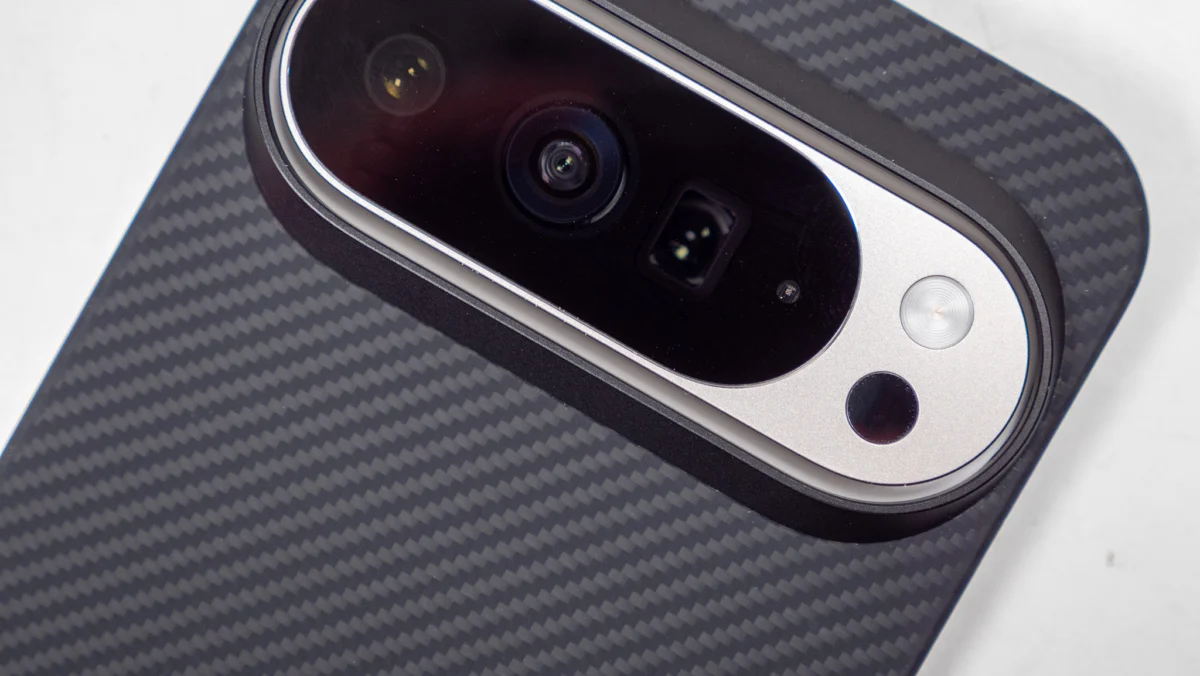
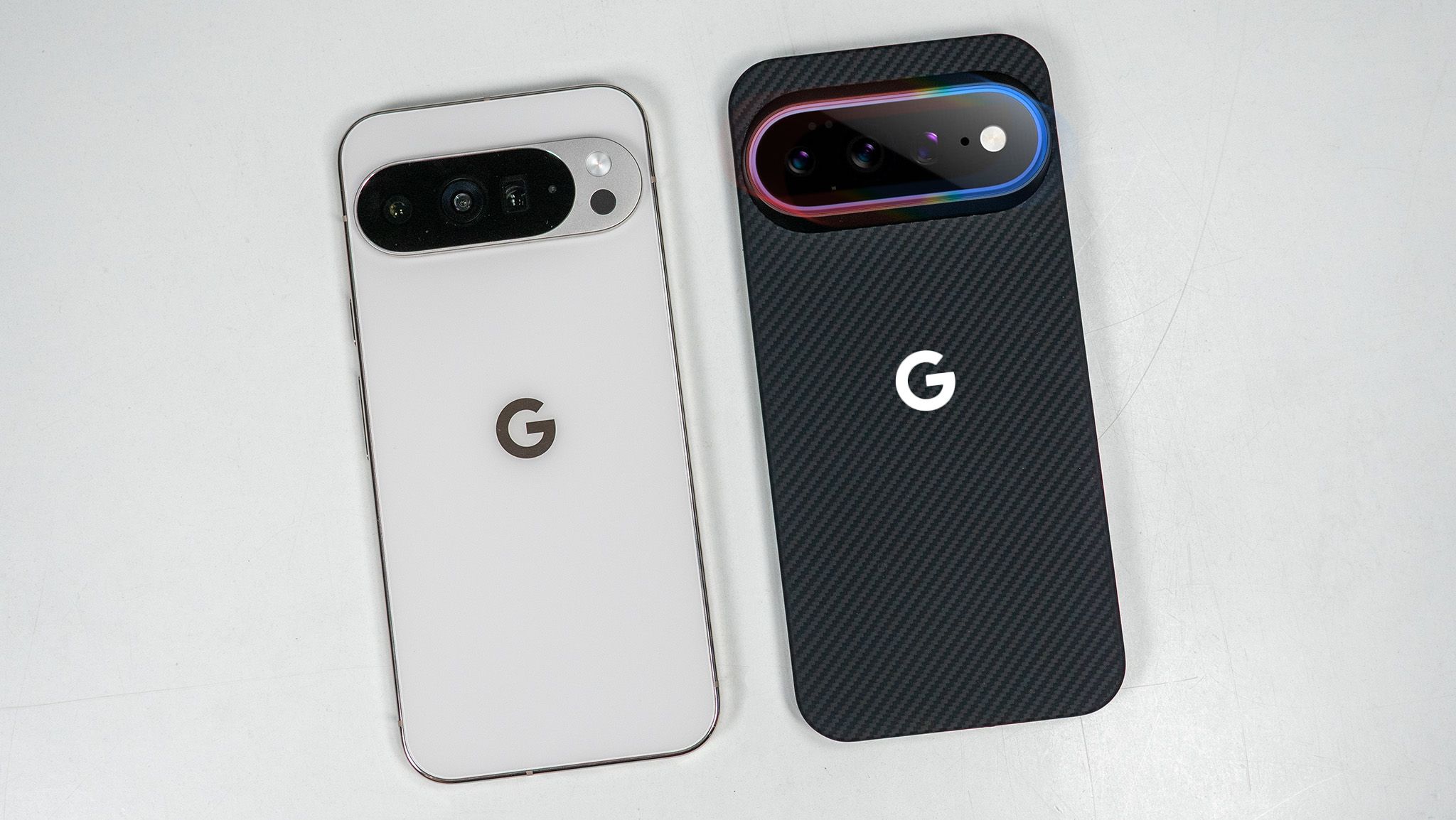
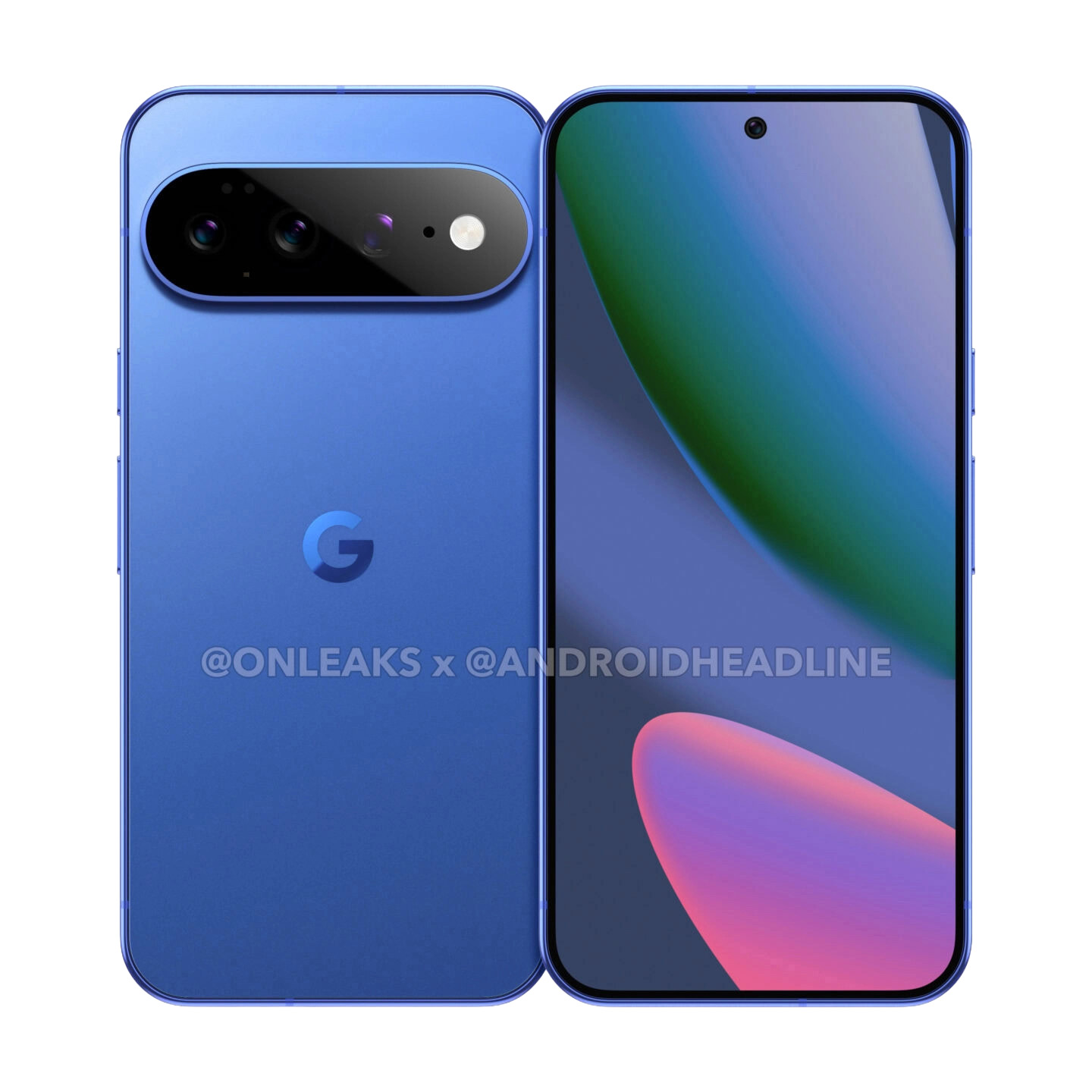
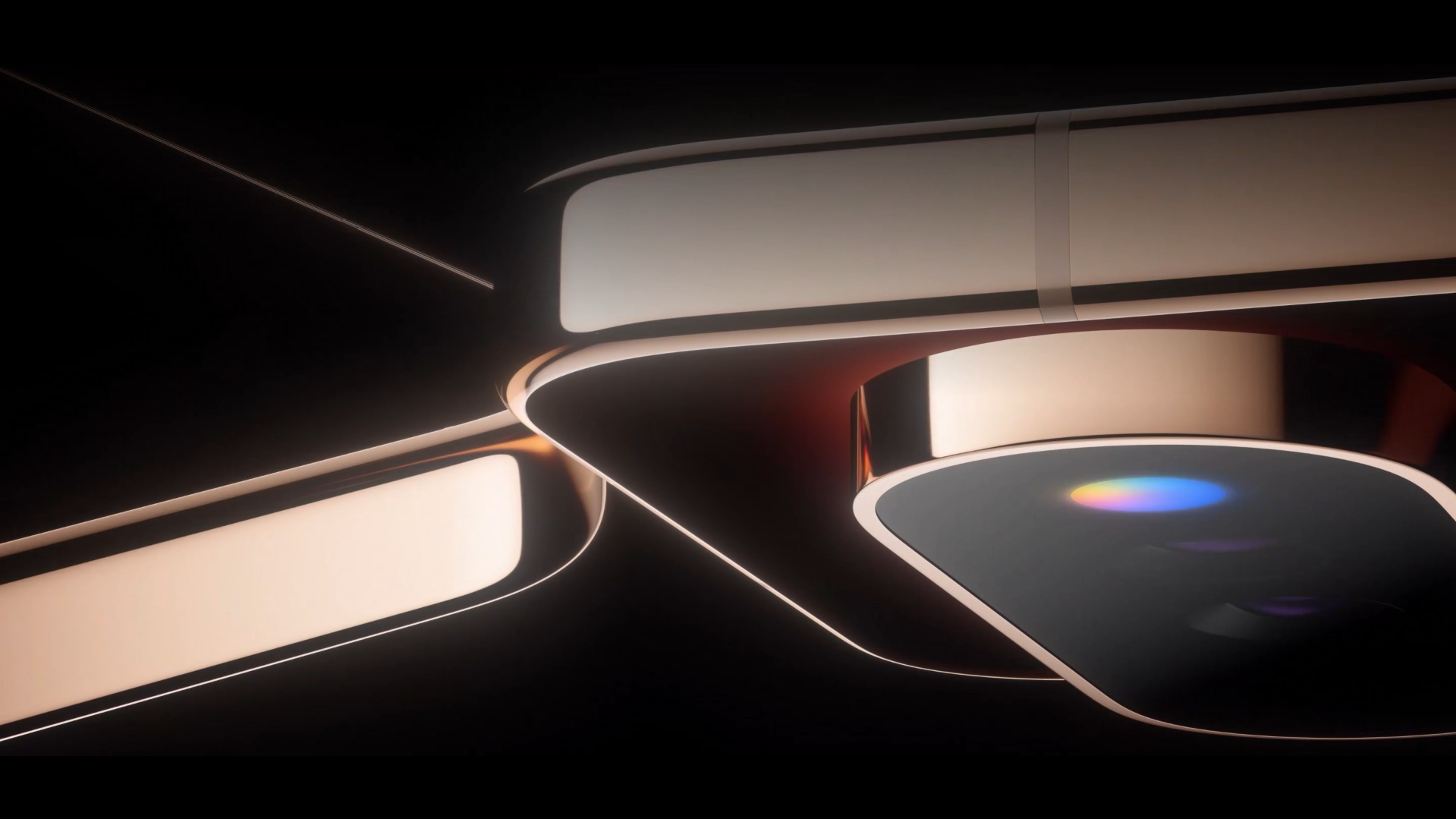
At first glance, the Pixel 11 Pro XL is expected to bear a strong resemblance to the Pixel 10 Pro XL, maintaining the distinctive design language that has characterized the Pixel series. This continuity in aesthetic suggests a mature design philosophy, where functional enhancements are integrated without necessitating a complete visual redesign. However, a notable and visually striking innovation anticipated for the Pixel 11 Pro XL is "Pixel Glow," a novel LED ring integrated around the rear camera island, potentially serving as an advanced camera flash unit.
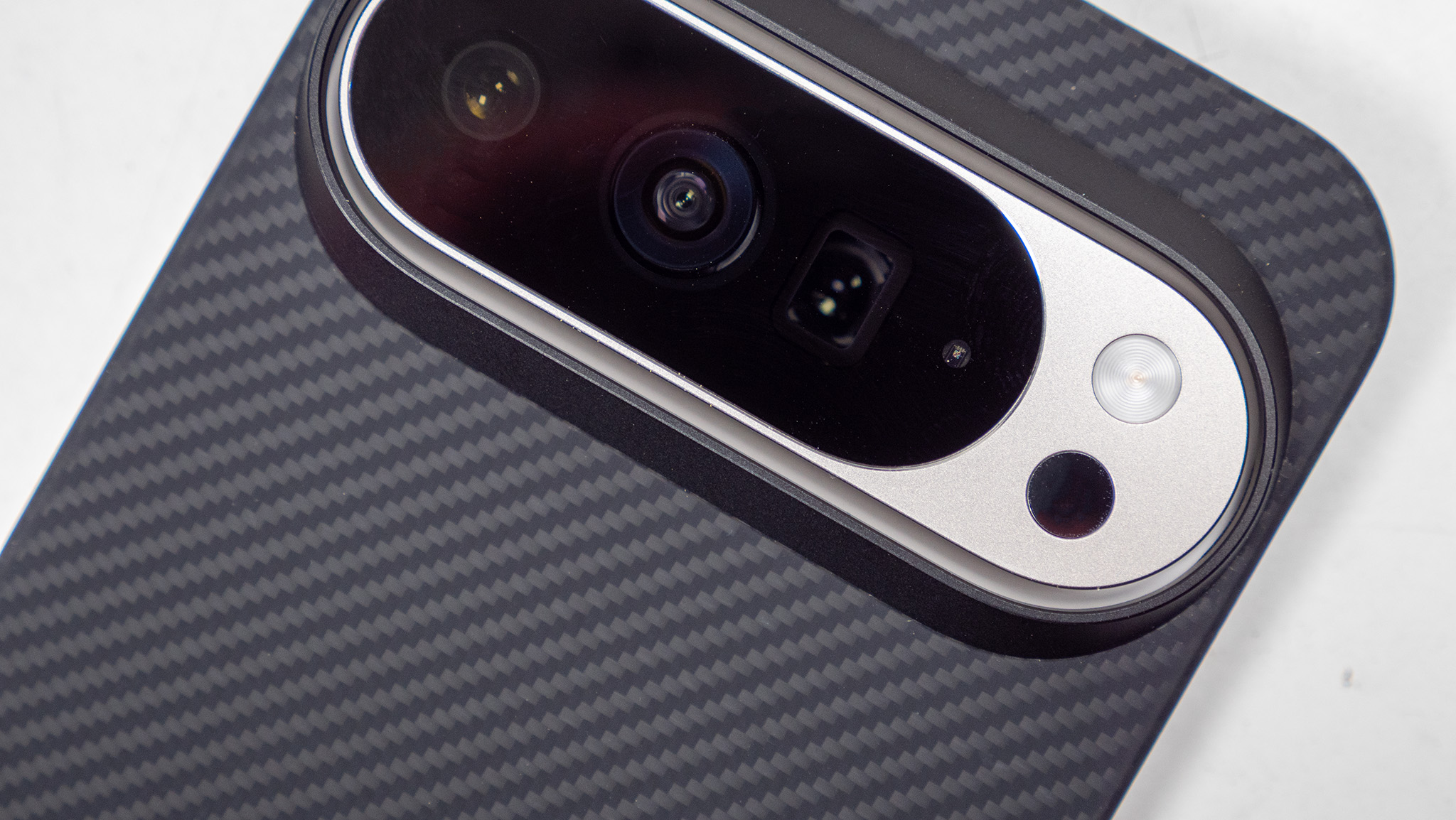
This "Pixel Glow" feature represents Google’s foray into dynamic, notification-based lighting, drawing parallels to design elements seen in other innovative smartphones like those from Nothing. It is rumored to offer customizable lighting patterns for incoming notifications, interactions with Google’s AI assistant Gemini, and specific application functionalities. This addition could provide a unique visual identifier for the Pixel 11 Pro XL, enhancing user engagement and offering a personalized touch that differentiates it from competitors. Early glimpses from leaked Pixel 11 cases, such as those from Thinborne, confirm the presence of a distinct lip around the camera module, indicative of where this subtle LED illumination would emanate.
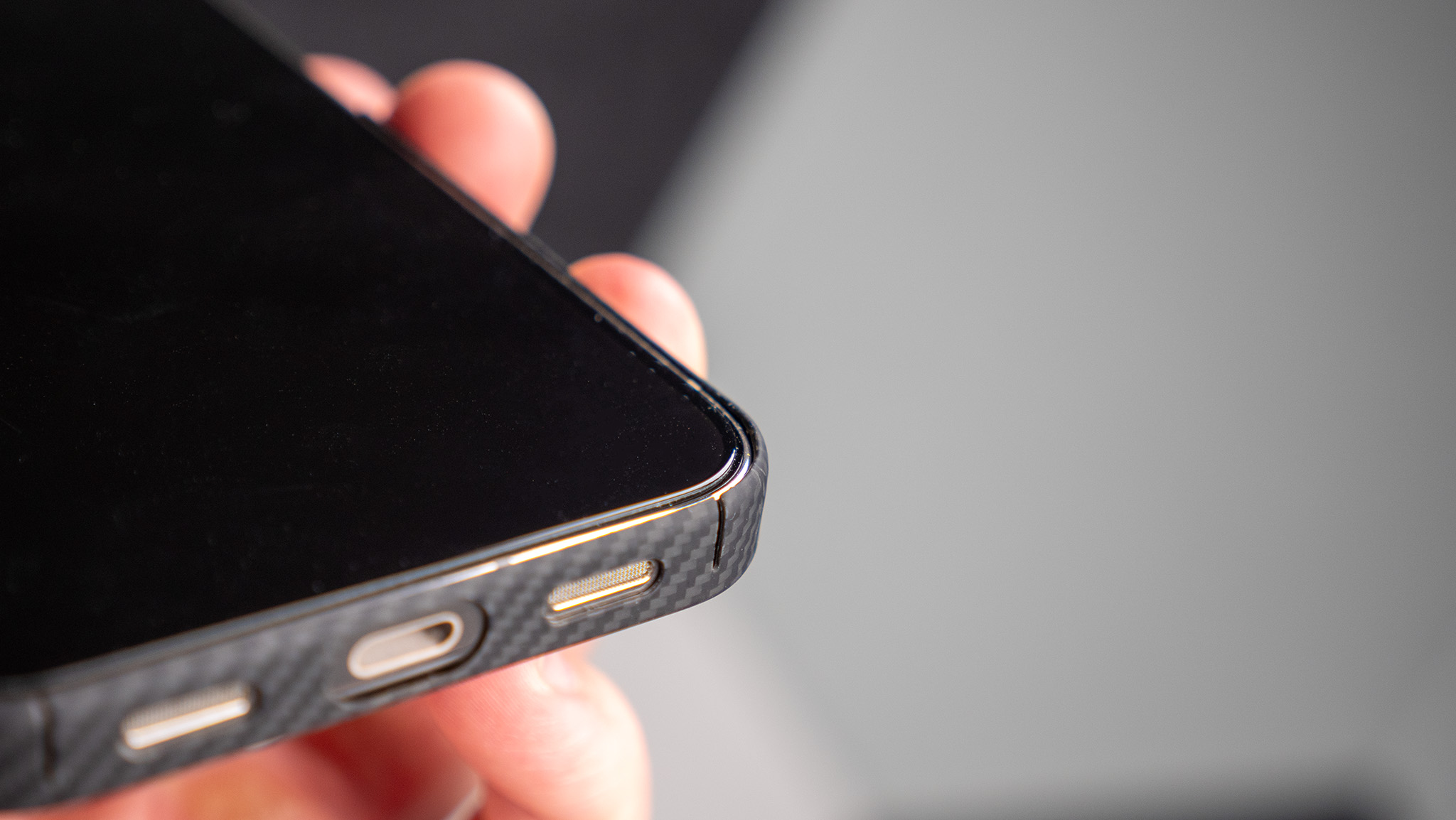
Beyond this prominent new feature, subtle ergonomic adjustments are expected. Reports suggest minor repositioning of microphones and a slight downward shift of the power and volume buttons on the Pixel 11 Pro XL. While these changes may appear minor individually, they contribute to the overall tactile experience and could improve usability for some users. Crucially, both the Pixel 10 Pro XL and the upcoming Pixel 11 Pro XL are expected to feature integrated Pixelsnap magnets, ensuring compatibility with the growing ecosystem of MagSafe-like accessories without requiring a specialized case. This built-in magnetic system simplifies the use of various attachments, from magnetic wallets to camera grips and charging solutions, enhancing the versatility of the devices.
Display Technology: Consistency and Accessibility Focus
The display specifications for the Pixel 11 Pro XL are largely anticipated to mirror those of its predecessor, featuring a 6.8-inch Super Actua QHD+ OLED panel with a 120Hz refresh rate. This continuity implies that users can expect a consistently vibrant, sharp, and fluid visual experience. The Super Actua display technology, first introduced in earlier Pixel models, has been praised for its color accuracy, deep blacks, and excellent contrast, making it ideal for media consumption, gaming, and general productivity. The 120Hz refresh rate ensures smooth scrolling, responsive touch interactions, and an immersive experience in compatible applications and games.
While a revolutionary display overhaul is not expected, the Pixel 11 Pro XL may feature a slight increase in peak brightness, a common incremental improvement seen across smartphone generations, enhancing outdoor visibility and HDR content playback. More significantly, Google’s ongoing commitment to display accessibility is expected to continue. Features like "Comfort Filters," designed to reduce eye strain, and last year’s "sensitive eyes" PWM dimming setting, which aims to mitigate flicker for sensitive users, highlight Google’s focus on user comfort and inclusivity. Pulse Width Modulation (PWM) dimming, used by OLED screens at lower brightness levels, can cause discomfort for some individuals, and any improvements in the PWM dimming rate would be a welcome enhancement, potentially announced at the August 12 event.

Performance and Efficiency: The Dawn of the Tensor G6
The most substantial upgrade anticipated for the Pixel 11 Pro XL lies in its internal architecture, specifically the introduction of the Tensor G6 processor. Following in the footsteps of its predecessors, the Tensor G6 is Google’s custom-designed system-on-a-chip (SoC), engineered to optimize the device’s performance, particularly in AI and machine learning tasks, which are central to the Pixel experience.
Rumors suggest the Tensor G6 will be manufactured using a cutting-edge 2nm process. This miniaturization in fabrication technology is a critical driver of improved performance and power efficiency. Compared to older process nodes, a 2nm chip can pack more transistors into a smaller area, leading to faster processing speeds and significantly reduced power consumption. This advancement is expected to translate into a performance gain of approximately 15% in daily use compared to the Tensor G5 in the Pixel 10 Pro XL, ensuring snappier app launches, smoother multitasking, and more efficient handling of demanding applications.
Beyond raw CPU performance, the Tensor G6 is also rumored to incorporate a newer PowerVR GPU with Vulkan 1.4 compatibility. Vulkan is a low-overhead, high-performance graphics API that provides developers with more direct control over GPU hardware, enabling more sophisticated graphics and better optimization for demanding mobile games. Compatibility with Vulkan 1.4 signifies a commitment to pushing the boundaries of mobile gaming, promising richer visuals, more stable frame rates, and potentially new graphical effects that were not feasible on previous Pixel generations. This would position the Pixel 11 Pro XL as a more formidable device for mobile gamers.
Furthermore, a significant improvement in efficiency is projected through the integration of a new MediaTek modem. Previous Tensor chips have sometimes faced criticism regarding modem performance and power consumption, particularly in comparison to Qualcomm’s offerings. The shift to a MediaTek modem is anticipated to bring a substantial 20-30% improvement in overall power efficiency. This enhancement, combined with the more efficient Tensor G6, is crucial for extending battery life and improving cellular connectivity stability, particularly in areas with weaker signals. This strategic choice underscores Google’s ongoing efforts to refine its custom silicon approach and address critical performance areas.
Battery Life and Charging Innovations
Complementing the efficiency gains of the Tensor G6 and the new MediaTek modem, the Pixel 11 Pro XL is expected to feature a slightly larger battery capacity of 5,000mAh, a modest increase from the Pixel 10 Pro XL’s 4,870mAh unit. While the numerical increase may seem minor, when combined with the projected 20-30% improvement in overall system efficiency, it suggests a significant leap in real-world battery endurance. This combination aims to make the Pixel 11 Pro XL the most efficient Pixel phone to date, potentially offering users a full day or more of heavy usage without needing a recharge, addressing a common pain point for many smartphone users.
In terms of charging, both the Pixel 10 Pro XL and the Pixel 11 Pro XL are expected to support 45W wired charging, allowing for rapid replenishment of the battery. Wireless charging is also consistent, with support for 25W Qi2 wireless charging. Qi2 is the latest generation of the Qi wireless charging standard, incorporating Apple’s MagSafe technology for magnetic alignment, which ensures optimal charging efficiency and convenience. The integrated Pixelsnap magnets in both models further enhance the utility of Qi2, making it effortless to align the phone with compatible wireless chargers and accessories. This robust charging ecosystem ensures flexibility and speed, catering to various user preferences.
Camera System: Addressing Past Challenges and Future Potential
The camera hardware on the Pixel 11 Pro XL is rumored to be identical to that of the Pixel 10 Pro XL, featuring a versatile triple-camera setup on the rear: a 50MP wide-angle primary sensor (f/1.7, 25mm), a 48MP ultrawide sensor (f/1.7), and a 48MP 5x periscope telephoto lens (f/2.8). The front camera is expected to remain a 42MP sensor (f/2.2). While the specifications suggest a powerful and capable camera system, the experience with the Pixel 10 Pro XL highlighted that hardware alone does not guarantee perfection.
The Pixel 10 Pro XL’s camera, despite its strengths in capturing objects in motion (a hallmark of Pixel’s computational photography, excellent for kids and pets), reportedly suffered from an "unreliable" telephoto camera. This inconsistency in zoom performance was a point of concern for users expecting flagship-tier results across all lenses. Furthermore, while video recording quality saw substantial improvements with the Pixel 10 Pro XL, it continued to lag behind established rivals such as Apple and Samsung, particularly in terms of dynamic range, low-light performance, and overall stabilization.
For the Pixel 11 Pro XL, the expectation is that Google will leverage the enhanced processing power of the Tensor G6 and its advancements in AI to refine its computational photography algorithms. This could lead to more consistent and reliable performance across all lenses, especially improving the telephoto experience. A renewed focus on video quality, with enhancements to stabilization, dynamic range, and noise reduction, is also highly anticipated to close the gap with competitors. Given Google’s history of delivering impressive camera results through software optimization, even identical hardware could yield superior results on the Pixel 11 Pro XL if these software issues are adequately addressed.
Software Experience: Android 17 and Pixel Feature Drops
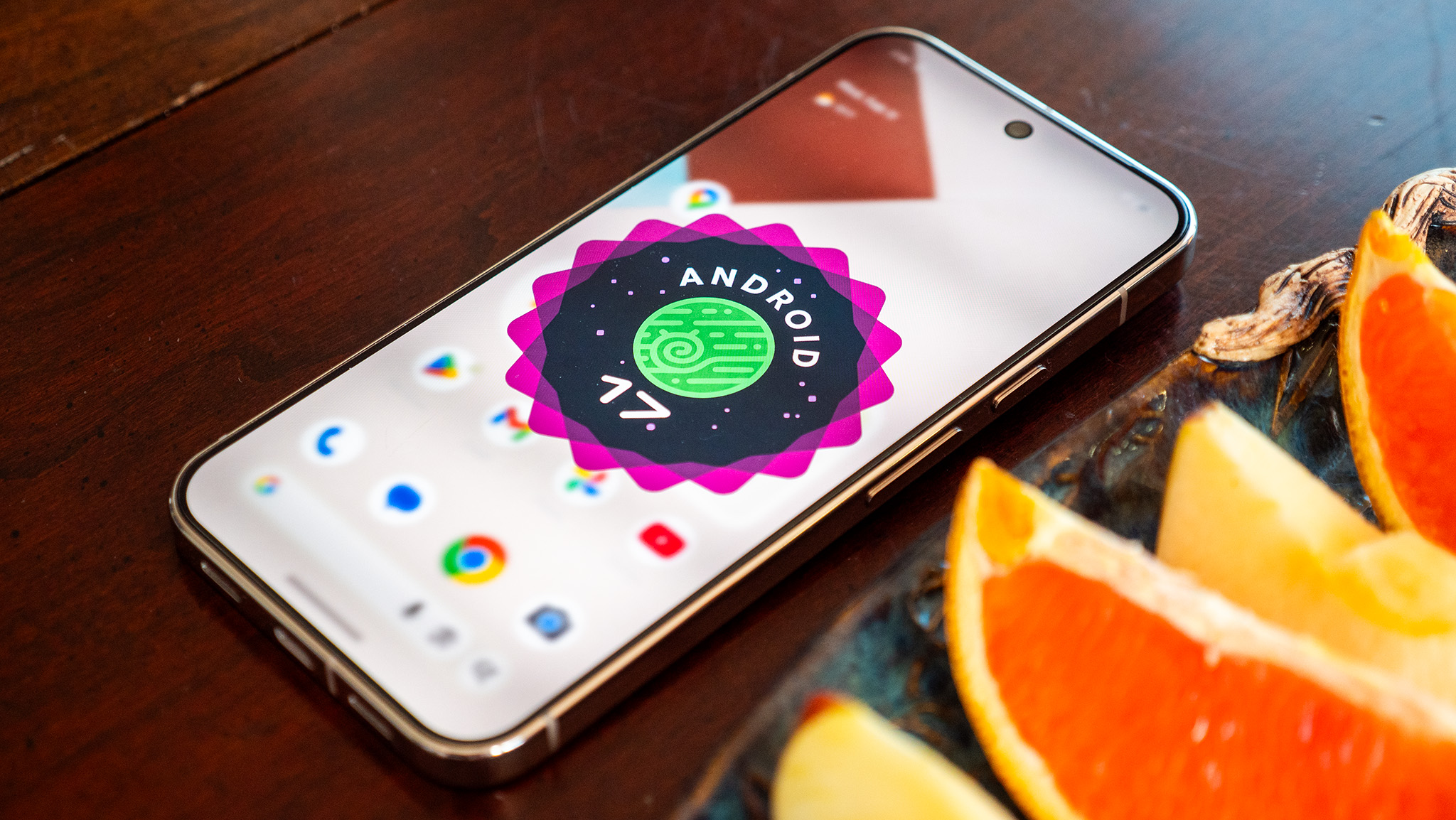
The Pixel 11 Pro XL will launch with Android 17, the latest iteration of Google’s mobile operating system, bringing with it a suite of new features, security enhancements, and performance optimizations. The Pixel 10 Pro XL, having launched with Android 16, will be upgradable to Android 17, ensuring that users of the older model can still access the latest software innovations, albeit potentially with a slight delay.
However, Google’s software update process, while generally commendable for its longevity and consistency, has not been without its challenges. The Pixel brand has occasionally made headlines for "buggy updates" and "major problems" following system updates, leading to user frustration and impacting the brand’s reputation for reliability. Recent examples, such as graphics issues or touchscreen complaints after certain updates, underscore the importance of stable and thoroughly tested software releases.
Despite these occasional setbacks, Google’s commitment to quarterly "Pixel Drop" updates is a significant advantage for Pixel users. These updates regularly introduce new features, performance improvements, and security patches, keeping the devices fresh and enhancing their functionality over time. While the Pixel 11 Pro XL is expected to launch with some exclusive features, Google has a strong track record of eventually bringing many of these innovations to older Pixel devices, ensuring that Pixel 10 Pro XL users will likely not miss out on most significant software enhancements in the long run. This tiered rollout strategy balances the allure of new device exclusivity with a commitment to supporting older hardware.
Market Dynamics and Consumer Choice: The 2026 Conundrum
The comparison between the Pixel 11 Pro XL and the Pixel 10 Pro XL unfolds in a year where economic considerations are paramount for many consumers. With rapidly rising technology prices, the cost difference between a brand-new flagship and a year-old model (especially when factoring in discounts or second-hand offers) is likely to be substantial. This financial reality makes the Pixel 10 Pro XL an incredibly attractive proposition for budget-conscious buyers or those who prioritize value for money.
The Pixel 11 Pro XL offers compelling upgrades: a significantly more efficient and powerful Tensor G6 processor, an enhanced GPU for gaming, a larger battery, and the distinctive "Pixel Glow." These are undoubtedly strong reasons to consider the new device, particularly for power users, avid mobile gamers, or those who value cutting-edge performance and novel design elements. The efficiency gains could translate into a noticeably smoother and longer-lasting experience.
However, for the average user, the incremental nature of some of these upgrades, coupled with the Pixel 10 Pro XL’s already robust feature set (identical display, camera hardware, charging, and MagSafe compatibility), might not justify the anticipated price premium. The Pixel 10 Pro XL, even a year after its release, remains a highly capable smartphone, offering a premium experience that continues to receive the latest Android updates and many of Google’s AI-driven features.
Therefore, the decision hinges on individual priorities. For consumers seeking the absolute latest in mobile technology, top-tier performance, and a unique aesthetic feature like Pixel Glow, the Pixel 11 Pro XL will be the clear choice. For a vast segment of the market, however, the Pixel 10 Pro XL represents an exceptional value proposition. Its strong performance, reliable camera (despite minor telephoto quirks), and sustained software support make it a prudent purchase, especially when available at a reduced price point. The "gulf in price" between the two models in 2026 is likely to be a decisive factor for many, making the year-old Pixel 10 Pro XL potentially the smarter buy for most people.
Conclusion
The Google Pixel 11 Pro XL is poised to deliver a refined flagship experience, characterized by a significant leap in processing efficiency and power with the Tensor G6, enhanced gaming capabilities, and the innovative "Pixel Glow" design element. These advancements underscore Google’s continuous pursuit of performance and user experience improvements. However, its close predecessor, the Pixel 10 Pro XL, remains a highly competent device, sharing many core specifications, including its impressive display and robust camera hardware.
In an economic climate marked by increasing technology costs, the value proposition of the Pixel 10 Pro XL is particularly strong. While the Pixel 11 Pro XL promises to be Google’s most advanced smartphone to date, offering compelling reasons for an upgrade, its incremental improvements in design and performance might not outweigh the potential cost savings offered by its still-excellent predecessor for a substantial portion of the consumer base. Ultimately, the choice between the two will come down to a balance between embracing the absolute latest innovations and making a financially judicious decision in a rapidly evolving market.