The relentless pursuit of peak performance in motorsport has led to a groundbreaking collaboration between Motul, a global leader in lubricant technology, and McLaren Racing, a titan of Formula 1 and endurance racing. This strategic alliance aims to develop and deploy bespoke lubricant formulations, pushing the boundaries of what is possible in automotive fluid engineering and setting new industry benchmarks for reliability and efficiency across diverse racing disciplines.
At its core, this partnership signifies a commitment to leveraging extreme motorsport environments as the ultimate testing ground for cutting-edge lubrication. By subjecting Motul’s advanced formulas to the unparalleled stresses of Formula 1 and the grueling demands of endurance racing, both entities are poised to accelerate innovation and translate these advancements directly to their consumer product lines. The initial focus of this collaboration centers on optimizing transmission fluids, a critical component where friction reduction and long-term durability are paramount.
"McLaren was already using a very high-performance transmission fluid, with an extremely high level of requirements," stated Julien Plet, Head of R&D at Motul. "Our challenge was to go even further: decrease friction losses even more while ensuring lubricant durability over time. The formulation developed with McLaren Racing has been validated to maintain its performance over several thousand kilometers under Formula 1 conditions. And this is only the beginning: in F1, cars are constantly evolving, and the formulation will continue to progress as well."
This sentiment underscores the iterative and dynamic nature of motorsport development. Formula 1 cars, with their ever-increasing power outputs, aerodynamic complexities, and sophisticated hybrid powertrains, present a unique set of challenges for lubricants. These engines operate at extreme temperatures and pressures, demanding fluids that can not only withstand these conditions but also actively contribute to performance by minimizing parasitic losses.
The Genesis of the Partnership: A Shared Vision for Excellence
The alliance between Motul and McLaren Racing is not merely a transactional sponsorship; it is a deep-seated technical collaboration built on a shared ethos of innovation, precision, and a relentless drive for victory. McLaren Racing, with its storied history in motorsport dating back to 1963, has consistently pushed the envelope in automotive engineering. Their success across Formula 1, IndyCar, and endurance racing, including multiple Le Mans 24 Hours victories, is a testament to their commitment to superior technology.
Motul, founded in France in 1853, has cultivated a reputation for producing high-performance lubricants and maintenance products for a wide range of vehicles, with a particularly strong presence in motorsports. Their expertise spans a vast spectrum of applications, from motorcycles and cars to boats and even aviation. The company’s dedication to research and development, coupled with its extensive involvement in various racing series, provides a fertile ground for co-creation.
The decision to partner for bespoke lubricant development stems from a mutual recognition of the critical role fluids play in the ultimate performance of racing machines. In disciplines where fractions of a second can determine the outcome of a race, any improvement in mechanical efficiency, heat management, or component longevity can provide a significant competitive advantage.
Formula 1: The Ultimate Proving Ground
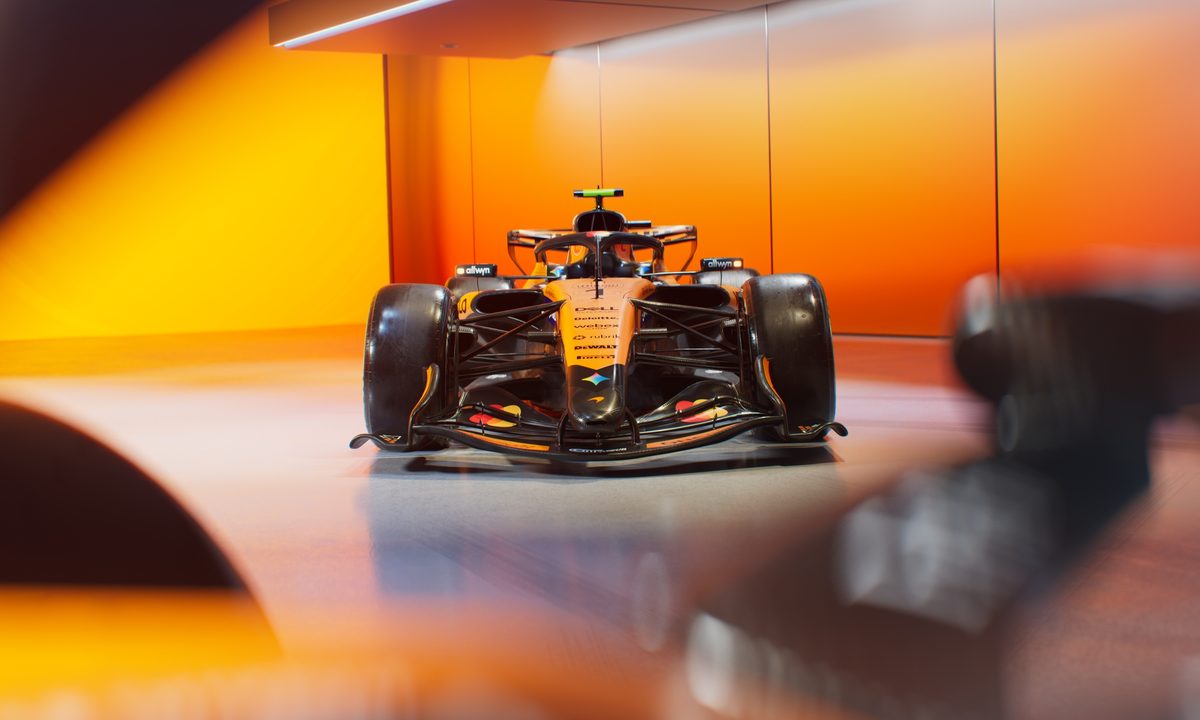
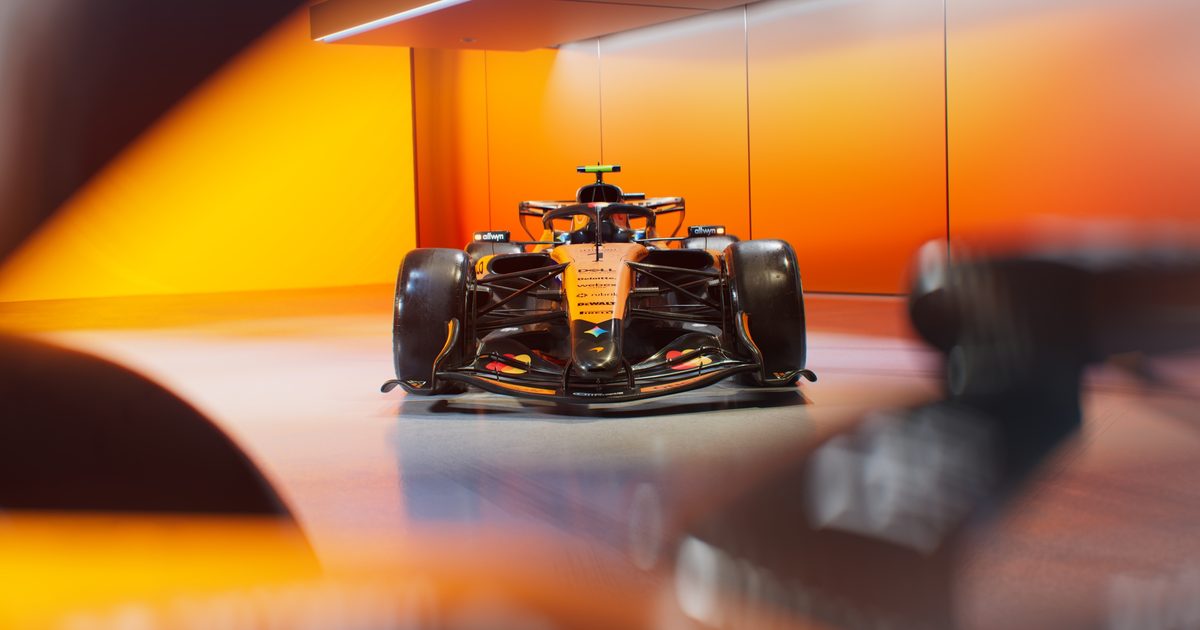
Formula 1, often described as the pinnacle of motorsport, serves as an unparalleled testing environment. The extreme operational parameters within an F1 car – rotational speeds exceeding 15,000 rpm, combustion temperatures reaching thousands of degrees Celsius, and aerodynamic downforces that can lift a car off the ground – place immense strain on every component, particularly the powertrain and its associated lubrication systems.
The collaboration will see Motul’s engineers working in close proximity with McLaren Racing’s technical teams. This symbiotic relationship allows for real-time feedback from the track, enabling rapid refinement of lubricant formulations. The data gathered from sensors embedded within the F1 cars, combined with the direct observations of race engineers and drivers, provides an invaluable dataset for Motul’s R&D department.
Key performance indicators being rigorously monitored and optimized include:
- Friction Reduction: Minimizing internal friction within the gearbox and engine components directly translates to more power reaching the wheels and improved fuel efficiency.
- Thermal Stability: Lubricants must maintain their viscosity and protective properties across a wide range of operating temperatures, from the frigid conditions of a cold start to the intense heat generated during a race.
- Wear Protection: Under immense mechanical stress, lubricants must form a robust barrier to prevent metal-on-metal contact, thereby extending the life of critical engine and gearbox components.
- Oxidation Resistance: Exposure to heat and contaminants can cause lubricants to degrade. Advanced formulations must resist oxidation to maintain their performance characteristics over extended periods.
- Compatibility: Ensuring the lubricant is compatible with all materials within the transmission system, including seals, gaskets, and exotic alloys, is crucial to prevent component failure.
The development process is highly iterative. Initial laboratory tests are followed by rigorous dyno testing, and finally, real-world validation on the track. Each session provides valuable data that informs the next iteration of the lubricant formulation. This meticulous approach ensures that by the time a lubricant is deployed in a competitive setting, it has undergone extensive validation under the most demanding conditions imaginable.
Expanding Horizons: Endurance Racing and Beyond
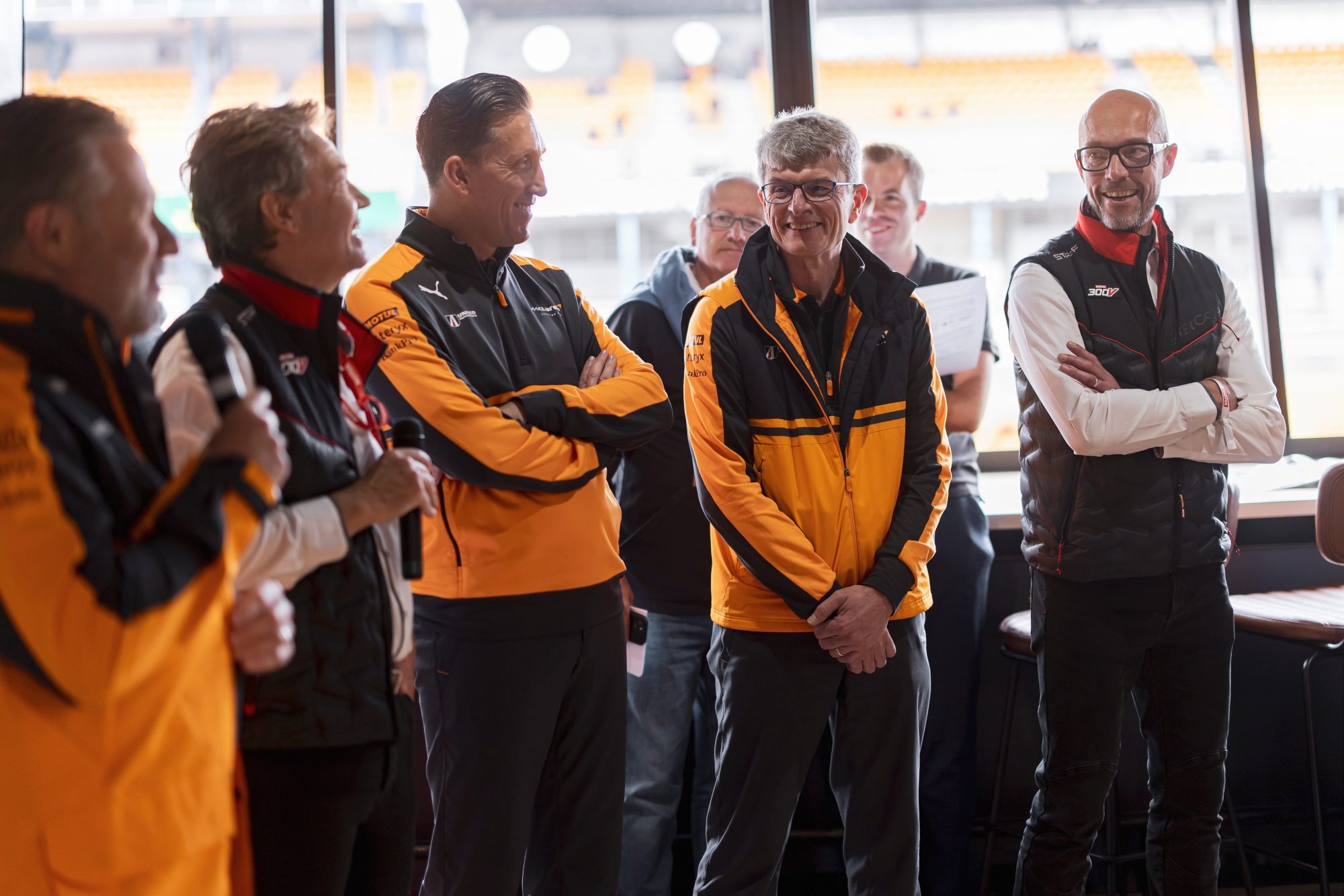
The partnership’s vision extends beyond the high-octane world of Formula 1. Motul and McLaren Racing are also extending their collaborative efforts to the realm of endurance racing, a discipline that presents a different, yet equally demanding, set of challenges. The 24 Hours of Le Mans, the 24 Hours of Spa, and other long-distance races require lubricants that can perform flawlessly for extended periods, often under variable conditions and with minimal opportunity for mid-race intervention.
Endurance racing places a premium on sustained performance and reliability. While F1 races are typically under two hours, endurance events can last for 24 hours or more. This prolonged operation at high load amplifies the importance of thermal management, consistent viscosity, and robust wear protection. A lubricant that performs exceptionally well in a sprint race might falter under the sustained assault of an endurance event.
Motul’s commitment to the World Endurance Championship (WEC) aligns perfectly with McLaren’s strategic interests in this sector. The development of lubricants specifically for McLaren’s World Endurance Championship supercars, slated for 2027, will build upon the lessons learned in Formula 1, further refining the bespoke formulations. This cross-disciplinary approach allows for a holistic advancement of lubricant technology, benefiting a broader spectrum of motorsport and automotive applications.
"If our products can withstand conditions as demanding as those faced by the top racing teams, we know they meet the highest standards of quality and reliability," Plet emphasized. "These are the very same products we offer to our customers. This has been part of our promise to them for decades: greater protection, endurance, and long-term reliability."
This statement highlights a key tenet of Motul’s philosophy: the trickle-down effect of motorsport innovation. The technologies and advancements developed for the extreme environments of professional racing are meticulously adapted and integrated into the lubricants available to everyday consumers. This ensures that drivers of all vehicles can benefit from the cutting-edge performance and protection honed on the track.

The Timeline of Collaboration
The intensification of this partnership signifies a structured approach to development and deployment:
- 2026: Motul is supplying lubricants for the gearboxes of McLaren’s Formula 1 cars. This initial phase is crucial for validating the first generation of bespoke transmission fluids under the intense scrutiny of F1 competition.
- 2027: The collaboration expands to include McLaren’s World Endurance Championship (WEC) supercars. This phase will focus on adapting and further developing these high-performance lubricants for the unique demands of long-distance racing.
This phased approach allows for a systematic progression, ensuring that each step builds upon the knowledge and data gained from the previous one. The success in F1 will provide a strong foundation for the challenges presented by WEC, enabling Motul and McLaren to collectively push the boundaries of endurance lubricant technology.
Broader Implications and Industry Impact
The implications of this Motul-McLaren Racing partnership extend far beyond the confines of the racetrack. The development of ultra-high-performance lubricants has several significant downstream effects:
- Enhanced Vehicle Durability: The advanced wear protection and thermal stability offered by these lubricants can lead to extended component life and reduced maintenance requirements for production vehicles.
- Improved Fuel Efficiency: By reducing internal friction, these lubricants contribute to greater mechanical efficiency, which can translate into improved fuel economy for consumers.
- Environmental Benefits: More efficient engines and longer-lasting components can contribute to a reduced environmental footprint.
- Accelerated Technological Advancement: The intense R&D environment of motorsport often acts as a catalyst for broader technological innovation within the automotive industry. Solutions developed for racing can find their way into mainstream automotive applications, driving progress across the board.
- Brand Prestige and Consumer Confidence: The association with a legendary racing team like McLaren Racing lends significant credibility to Motul’s product lines, reinforcing consumer confidence in the quality and performance of their lubricants.
The commitment to developing lubricants that maintain their performance over thousands of kilometers under F1 conditions is a remarkable feat of chemical engineering. It suggests a level of durability and resilience that was previously unattainable. This not only benefits the racing teams but also sets a new standard for the longevity and reliability expected from high-performance automotive fluids.
Looking Ahead: A Future of Optimized Performance
As motorsport continues to evolve with new regulations, powertrain technologies, and an ever-increasing demand for efficiency, partnerships like the one between Motul and McLaren Racing are becoming increasingly vital. The ability to collaboratively develop and rigorously test cutting-edge lubrication solutions is essential for staying at the forefront of performance.
The synergy between Motul’s deep understanding of lubricant chemistry and McLaren Racing’s unparalleled expertise in high-performance vehicle engineering promises a future where vehicles operate with unprecedented levels of efficiency, durability, and power. This collaboration is not just about winning races; it is about shaping the future of automotive lubrication and setting new standards of excellence for the entire industry. The bespoke lubricants born from this partnership are a testament to the power of shared vision and the relentless pursuit of perfection.