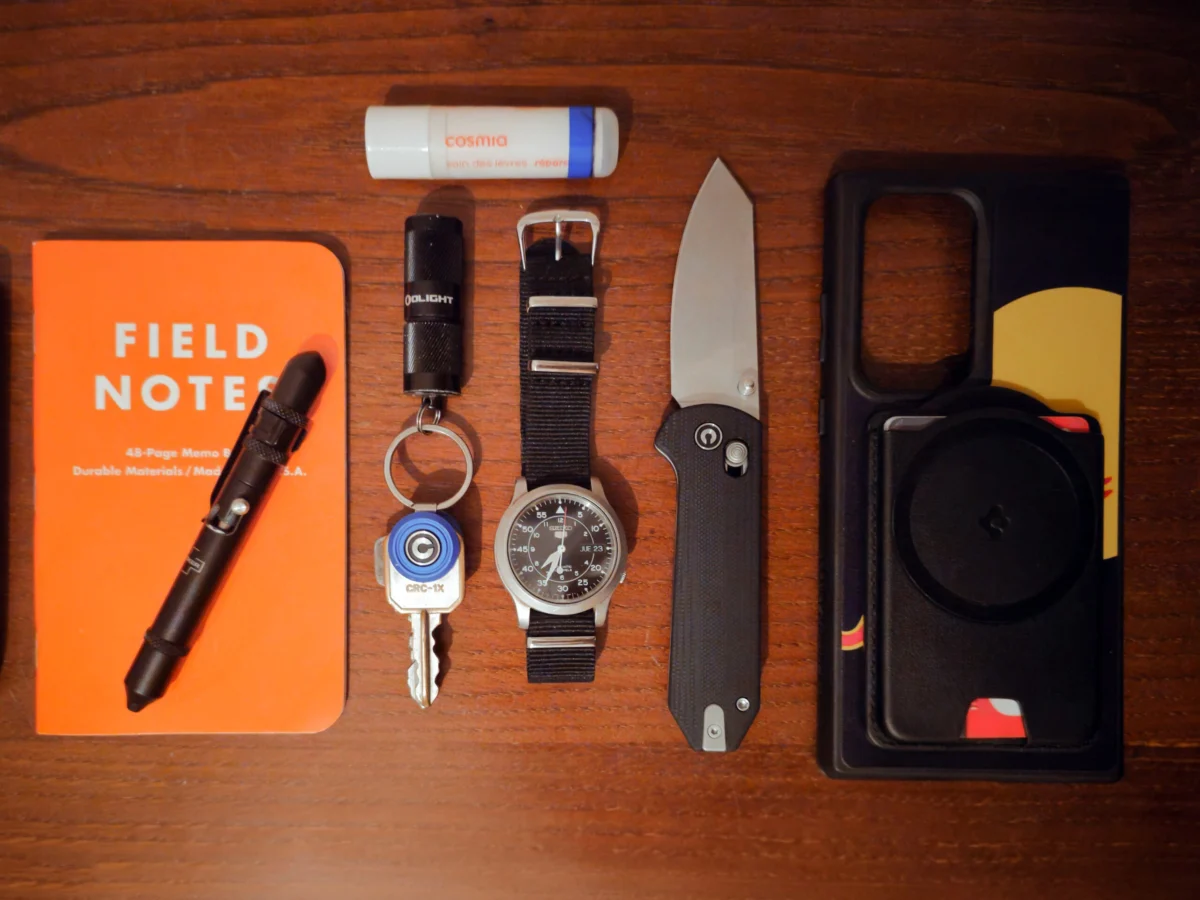
Everyday carry, commonly referred to as EDC, has evolved from a niche hobby into a sophisticated lifestyle and professional philosophy that prioritizes preparedness, utility, and personal expression. For Ruben, an aeronautical automation operator based in Portugal, the selection of tools is not merely a matter of convenience but a reflection of a professional environment that demands precision, reliability, and efficiency. His current gear loadout, which balances high-performance tools with minimalist organization, offers a window into the modern requirements of the aerospace support industry and the growing market for "budget-premium" EDC equipment. By examining the components of Ruben’s kit—ranging from the award-winning CIVIVI Yonder to the tactile reliability of Field Notes—we can discern broader trends in consumer behavior and the technical standards expected by professionals in high-stakes automation roles.
The Professional Context: Automation in the Aeronautical Sector
To understand the utility of Ruben’s EDC, one must first consider the rigors of aeronautical automation. This field involves the maintenance, programming, and oversight of the robotic and computerized systems used in aircraft manufacturing, maintenance, and flight operations. Professionals in this sector often work in environments where every second counts and where the failure of a minor component can have significant downstream effects.
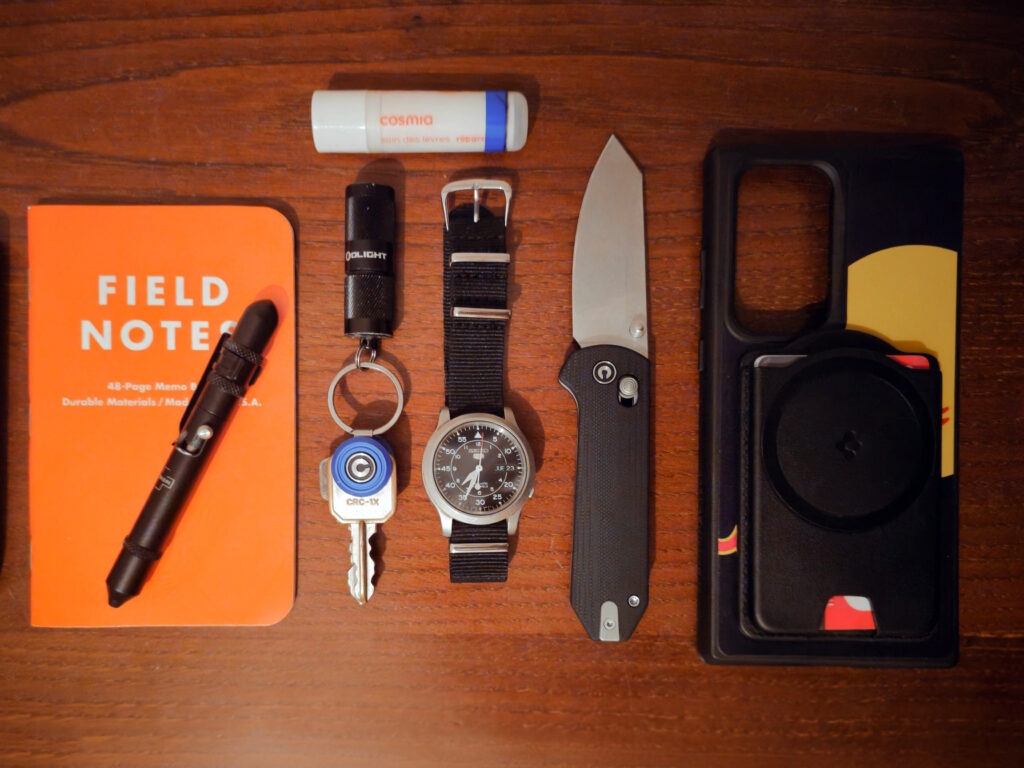
The tools Ruben carries are designed to support these tasks. For instance, the inclusion of a mini bolt-action pen and a notebook suggests a constant need for documentation—logging system errors, noting maintenance codes, or sketching mechanical adjustments on the fly. In an industry increasingly dominated by digital interfaces, the "analog" backup of pen and paper remains a staple for reliability in environments where electronic devices may be restricted or prone to battery failure.
Analysis of Primary Gear: The CIVIVI Yonder and Field Notes
The centerpiece of Ruben’s recent acquisition is the CIVIVI Yonder. Designed by Zac Whitmore, a recognized figure in the knife community and a Blade HQ alumnus, the Yonder represents a shift in the knife industry toward high-value, high-performance tools. The Yonder gained significant industry recognition at Blade Show 2024, where it was awarded "Best Buy of the Year." This accolade is significant because it highlights a tool that does not sacrifice mechanical integrity for a lower price point.
The Yonder features a crossbar lock, a mechanism known for its strength and ambidextrous ease of use. For an automation operator, the ability to deploy and retract a blade with one hand while the other is engaged with machinery is a practical necessity. The knife’s "no-nonsense" design philosophy aligns with the aesthetic of the aeronautical industry: clean lines, durable materials (typically G10 or Micarta handles), and a blade steel capable of maintaining an edge through repetitive cutting tasks.
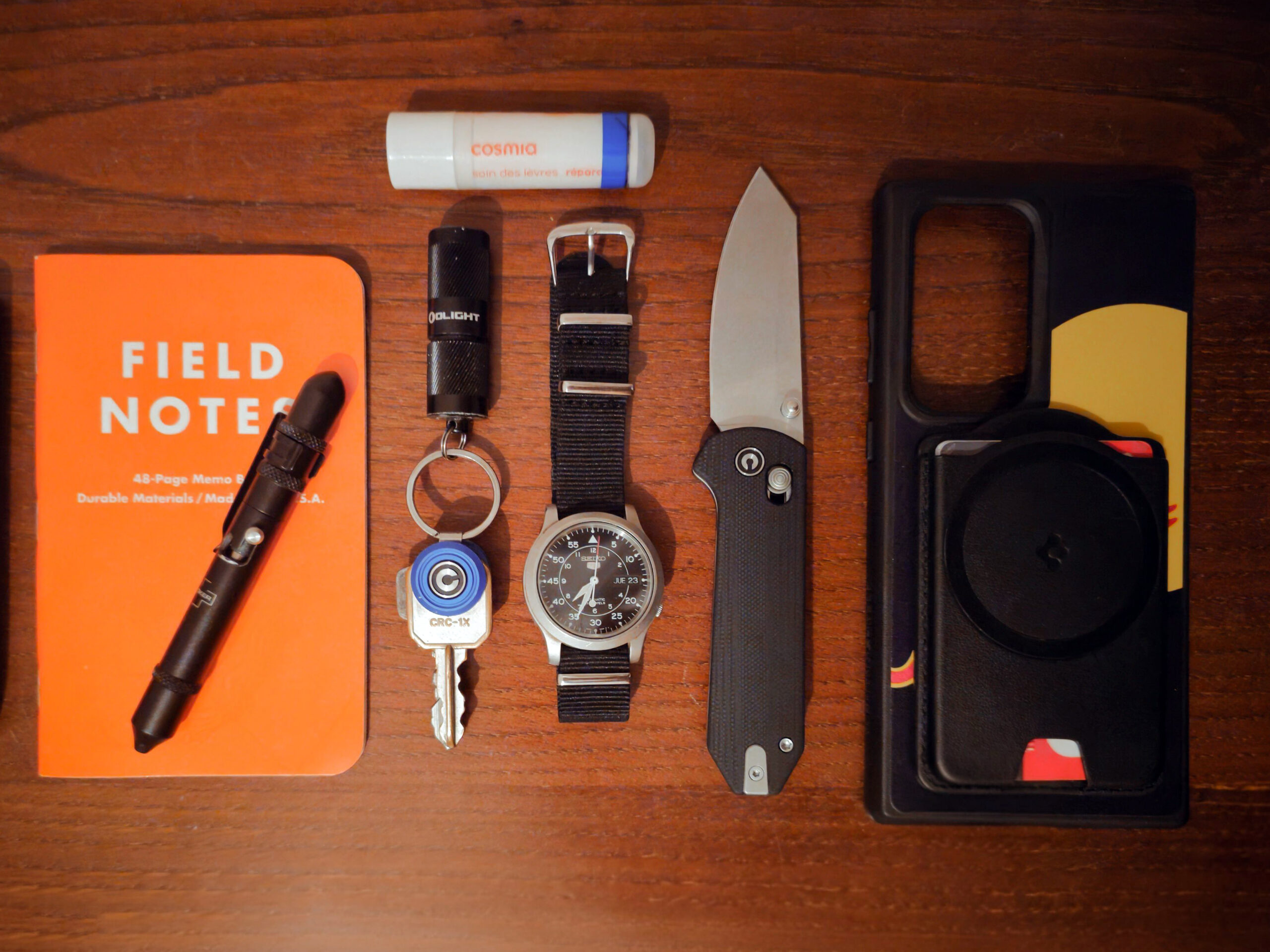
Complementing the knife is Ruben’s first acquisition of Field Notes. Since its inception, the Field Notes brand has revitalized the pocket notebook market by emphasizing durability and a "work-ready" aesthetic. For Ruben, transitioning to this specific brand suggests a move toward standardized organization. In the context of aerospace automation, having a dedicated space for "Notes, To-Dos, and Ideas" (the brand’s tagline) ensures that critical data captured during a shift is preserved and easily accessible.
The Minimalist Philosophy: Consolidation and Efficiency
A recurring theme in modern EDC is the reduction of "pocket bulk." Ruben’s kit achieves this through several clever consolidation strategies. The use of a magnetic wallet attached to a smartphone eliminates the need for a traditional, bulky billfold. This shift reflects a global trend toward digital payments and the reduction of physical card carry, which is particularly useful in active work environments where a heavy wallet can be a hindrance.
Furthermore, the integration of an ultra-compact key organizer and a keychain flashlight demonstrates a commitment to "spatial economy." In the aerospace sector, snag hazards are a genuine safety concern. By streamlining keys into a silent, rigid organizer, an operator reduces the risk of loose items catching on sensitive equipment or wiring. The keychain flashlight, though small, provides essential illumination for inspecting darkened recesses of automation bays or electrical cabinets, proving that in EDC, "small" does not equate to "incapable."
A Chronology of EDC Evolution
The evolution of Ruben’s gear highlights a broader timeline of the EDC movement over the last two decades:
- The Early 2000s (The Utility Era): EDC was largely defined by heavy multi-tools and oversized tactical folders. Weight was often equated with quality.
- The 2010s (The Boutique Era): The rise of Instagram and online forums led to a focus on aesthetics and "pocket jewelry." Titanium and exotic materials became popular, but often at the expense of affordability.
- 2020–Present (The Value-Performance Era): This is the era Ruben currently occupies. Brands like CIVIVI, Kizer, and Casio have mastered the art of producing "enthusiast-grade" gear at accessible prices. The focus has shifted toward ergonomic design, innovative locking mechanisms (like the crossbar lock), and the "dressier" crossover gear.
Ruben’s mention of swapping his work gear for a Kizer Feist and a Casio Edifice with a "Tiffany" dial during off-duty hours illustrates this final stage. The Kizer Feist, a front-flipper designed by Justin Lundquist, is a masterclass in sleek, gentlemanly design, while the Casio Edifice EFB-108D-1AV provides a high-end look (reminiscent of luxury integrated-bracelet watches) with the legendary reliability of a quartz movement.
Supporting Data: Market Trends in Professional Tools
The global EDC market has seen exponential growth, driven by professionals in technical fields like Ruben’s. According to recent market analysis reports, the global pocket knife market alone is expected to grow at a CAGR (Compound Annual Growth Rate) of approximately 4.5% through 2030. Interestingly, the "budget-premium" segment—knives priced between $40 and $80—is the fastest-growing sector.
The popularity of the Casio Edifice line also speaks to a trend in "functional luxury." While the "Tiffany" dial (a specific shade of turquoise) became a viral sensation in the watch world following high-end releases from Patek Philippe and Rolex, Casio’s adoption of the colorway allowed professionals to enjoy the aesthetic trend without compromising the "beater" utility required for daily wear.
Professional Implications and Analysis
The gear a professional carries serves as a silent resume. In the case of an Aeronautical Automation Operator, the gear suggests a person who values:
- Redundancy: Having a pen, paper, light, and blade ensures that the most basic human needs (communication, vision, and tool-use) are met regardless of the environment.
- Precision: The choice of a bolt-action pen—a mechanism that won’t accidentally deploy in a pocket—shows a preference for mechanical certainty.
- Adaptability: The ability to pivot from a rugged work setup to a "dressier" configuration (Kizer/Casio) indicates a modern professional who views their tools as an extension of their identity in various social contexts.
The "Editor’s Note" from the original source reinforces this, praising the "balance of minimalism and value." This balance is critical in today’s economy, where professionals are looking for tools that offer the best "bang for the buck" without sacrificing the performance needed for specialized labor.
Future Outlook: The Intersection of Tech and Tool
As Ruben continues to refine his carry, we can expect to see further integration of smart technology with traditional tools. We are already seeing the rise of "smart" key organizers that include Bluetooth tracking and multi-tools that include USB-C charging capabilities. However, for the aeronautical professional, the "analog" core of the EDC—the steel blade and the paper notebook—will likely remain unchanged. These are the "fail-safe" components of a professional life.
In conclusion, Ruben’s EDC is more than a collection of items; it is a curated toolkit designed for the specific demands of aeronautical automation in Portugal. It represents a successful marriage of award-winning design, like the CIVIVI Yonder, and time-tested utility, like Field Notes. As the EDC market continues to mature, the focus will likely remain on this "sweet spot" of high value and high utility, allowing professionals across all sectors to carry tools that are as hardworking as they are. Through his Instagram presence (@ruben_b_caeiro), Ruben contributes to a global community of makers and operators who understand that being prepared is not just a hobby, but a professional standard.