








The evolution of optical glass has fundamentally dictated the trajectory of visual storytelling, transforming the camera lens from a rudimentary tool into a sophisticated piece of precision engineering. Whether for professional cinematography, architectural documentation, or wildlife photography, the lens serves as the primary interface between the subject and the sensor. Understanding the distinctions between lens categories is not merely a matter of technical interest; it is a critical prerequisite for resource allocation and artistic execution in the field of photography.

The Foundational Distinction: Prime versus Zoom Lenses
At the most granular level, all camera lenses are classified into two primary operational categories: prime and zoom. A prime lens features a fixed focal length, meaning the optical elements are engineered to provide a single, static field of view. By removing the complex internal mechanisms required for variable magnification, engineers can prioritize optical clarity, larger apertures, and reduced physical weight. Historically, prime lenses have been the gold standard for low-light photography and portraiture due to their ability to achieve wider maximum apertures, often reaching f/1.2 or f/1.4, which facilitates both high shutter speeds and shallow depth-of-field effects.

Conversely, zoom lenses provide a variable focal length range, allowing photographers to adjust their framing without changing their physical position. This versatility is essential in fast-paced environments, such as photojournalism or event coverage, where the ability to transition from a wide-angle environmental shot to a tight portrait in seconds is paramount. However, this flexibility comes at the cost of optical compromises and increased mass. Modern zoom technology, particularly in the professional "f/2.8 constant aperture" tier, has narrowed the quality gap between primes and zooms, though often at a significantly higher price point and weight.

Technical Classification by Focal Length
Lenses are further categorized by their focal length, which determines the angle of view projected onto the sensor. The categorization generally follows a standard spectrum:

- Wide-Angle Lenses (14mm to 35mm): These optics capture a broad field of view, making them the preferred choice for landscape, architectural, and interior photography. Ultra-wide-angle lenses (under 20mm) introduce a unique perspective that can exaggerate the distance between foreground and background, providing a sense of immersion.
- Normal Lenses (40mm to 60mm): Often referred to as "standard" lenses, this category most closely approximates the human eye’s natural perspective. These lenses are highly regarded for their versatility and are frequently used for street photography and general-purpose documentation.
- Telephoto Lenses (85mm and above): Telephoto lenses compress the perspective, making distant subjects appear closer and larger within the frame. Super-telephoto lenses, typically ranging from 400mm to 1200mm, are the specialized tools of wildlife and sports photographers who require extreme reach when physical access to the subject is restricted.
The Role of Sensor Format in Optical Performance
The relationship between the lens and the image sensor is a critical component of modern photography, particularly regarding the "crop factor." Sensors are generally divided into two categories: full-frame (equivalent to the 35mm film standard) and crop-sensor (such as APS-C or Micro Four Thirds).

When a lens is designed specifically for a smaller, crop-sensor body, it cannot be effectively used on a full-frame camera without severe vignetting or image loss. Conversely, a full-frame lens can be used on a crop-sensor body, but it will undergo a "focal length multiplier" effect—usually 1.5x—which effectively narrows the field of view. For instance, a 50mm lens mounted on an APS-C sensor will produce the same framing as a 75mm lens would on a full-frame system. This is a vital consideration for professionals managing diverse gear kits, as it impacts the effective reach and aperture behavior of their equipment.

Specialized Optics: Macro, Tilt-Shift, and Cine Lenses
Beyond standard photography, specialized lenses cater to specific technical requirements:

Macro Lenses: These are designed for extreme close-up photography, typically achieving a 1:1 reproduction ratio. This means the object is rendered on the sensor at its actual physical size. True macro photography requires specialized optical correction to maintain sharpness at very close focusing distances, a feat standard lenses cannot accomplish.

Tilt-Shift Lenses: These represent the intersection of optical physics and mechanical precision. By allowing the lens to "tilt" or "shift" relative to the sensor, photographers can manipulate the plane of focus or correct perspective distortion. These are indispensable in architectural photography, where the goal is to render buildings with perfectly parallel vertical lines that would otherwise converge due to the camera’s angle.

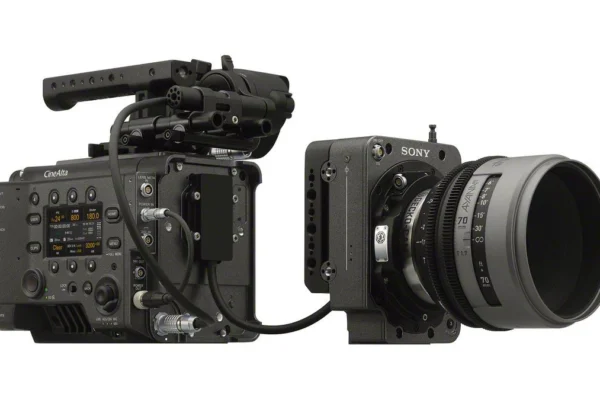
Cinema (Cine) Lenses: Designed specifically for motion picture production, these lenses differ from their photographic counterparts by incorporating "de-clicked" aperture rings for smooth exposure transitions and geared focus rings that interface with follow-focus systems. They are built to minimize "focus breathing"—a phenomenon where the focal length shifts slightly when changing the focus distance—which is essential for maintaining consistent framing in film.

Analytical Implications for Equipment Investment
For the working professional or the serious enthusiast, the selection of a lens should be an analytical process based on specific use cases rather than general performance metrics. Market data suggests that lens longevity far exceeds that of camera bodies; while sensors become obsolete every three to five years, high-quality glass can remain relevant for decades.

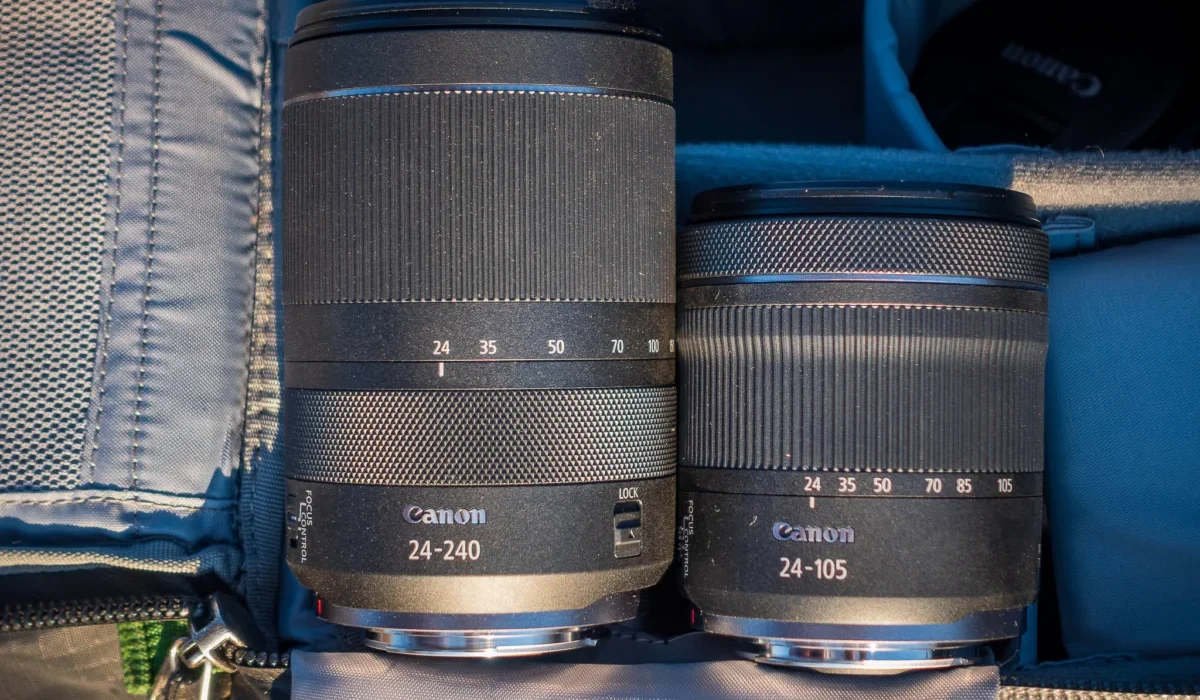
The primary implication for consumers is the "cost of versatility." A superzoom lens, which may cover a massive range from 24mm to 240mm, provides unparalleled convenience but often suffers from variable maximum apertures that darken as the lens zooms in. This requires the user to compensate with higher ISO settings, potentially introducing digital noise. In contrast, investing in a collection of prime lenses may be more expensive and cumbersome, but it offers the highest possible optical resolution and aperture control.

Historical Context and Future Trajectories
The history of the camera lens is one of constant refinement, moving from the simple meniscus lenses of the early 19th century to the complex, computer-aided designs of the digital age. In recent years, the shift toward mirrorless camera systems has forced manufacturers to redesign lens mounts, leading to wider apertures and shorter flange distances. This technological shift has allowed for unprecedented levels of sharpness and reduced chromatic aberration.

Industry experts observe that as software-based image processing becomes more advanced, the physical requirements for lenses are evolving. Computational photography—using algorithms to correct lens distortion and vignetting in real-time—has enabled manufacturers to produce smaller, lighter lenses that rely on digital correction for final image output. However, the physical laws of light diffraction and glass dispersion remain constant, ensuring that high-quality optical engineering will remain the cornerstone of professional-grade imagery.

In conclusion, the decision-making process for acquiring camera equipment is an exercise in balancing technical specifications against practical application. By understanding the functional distinctions between prime and zoom, the impact of sensor format, and the unique capabilities of specialized optics, photographers can make informed investments that align with their creative objectives and operational requirements. Whether the goal is the broad, sweeping vistas captured by a wide-angle lens or the minute details revealed by a macro prime, the lens remains the most significant variable in the quality of the final image.