





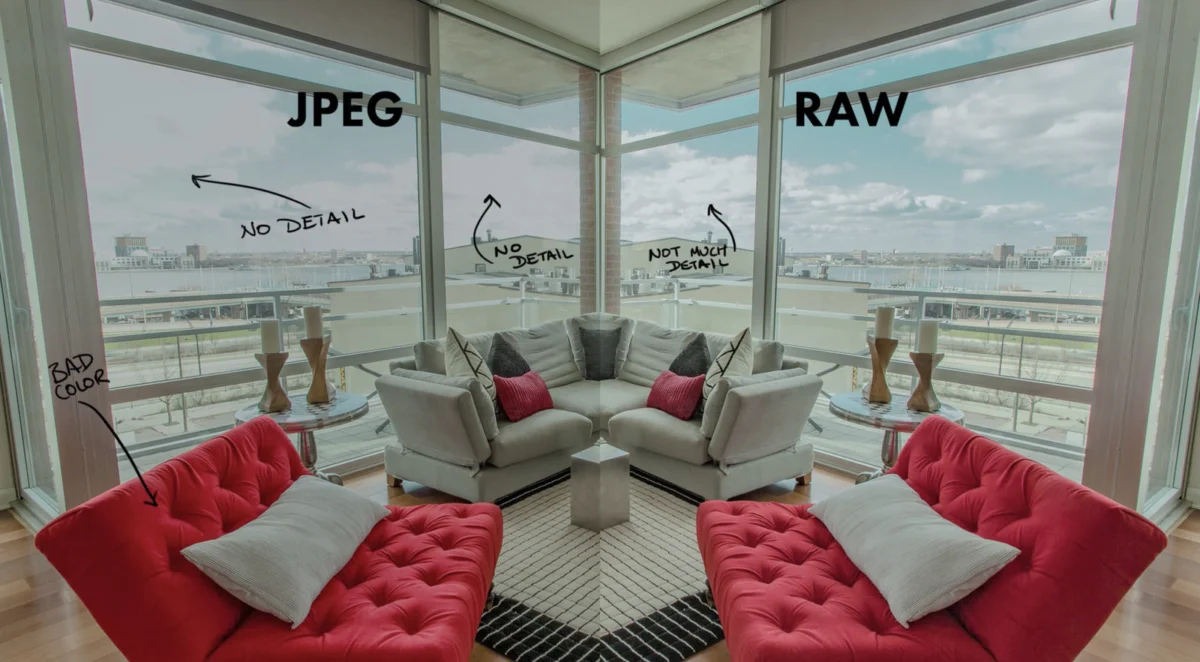
For many photographers, the technical distinction between 8-bit and 16-bit image files remains an overlooked aspect of the digital imaging pipeline. While the numerical difference between eight and sixteen may appear negligible to the casual observer, the underlying mathematical implications are profound, representing a shift from millions to trillions of possible color variations. This disparity serves as the fundamental divide between consumer-grade image capture and professional-level digital processing, dictating the limits of dynamic range, color accuracy, and post-production flexibility.
The Mathematics of Color Depth
At its core, bit depth defines the amount of data used to represent the color and luminance values of a single pixel. In an 8-bit image, each of the three color channels—Red, Green, and Blue—is assigned 256 possible levels of intensity. When combined, this results in approximately 16.7 million color possibilities ($256^3$). While this range is sufficient for standard screen displays and many forms of web consumption, it is often insufficient for high-end color grading or extensive retouching.
In contrast, a 16-bit image provides 65,536 levels per channel. This exponential increase results in over 281 trillion color combinations. The transition from 8-bit to 16-bit is not merely a quantitative increase in file size; it is a qualitative leap in the fluidity of tonal transitions. In 8-bit files, aggressive editing—such as pulling shadows or shifting white balance—often leads to "banding" or posterization, where gradients break into visible, discrete steps rather than smooth, lifelike transitions. A 16-bit workspace, by providing a vastly larger data pool, ensures that the software has enough information to maintain smooth gradients even after significant exposure adjustments.

Historical Context and the Digital Evolution
The debate regarding bit depth has its roots in the early 1990s, when digital camera manufacturers first began transitioning from proprietary, low-resolution capture methods to standardized JPEG and RAW formats. As digital sensors improved, the industry realized that the 8-bit ceiling of the JPEG standard was a bottleneck for professional creative work.
By the early 2000s, the adoption of RAW format capture became the industry standard for professional photography. RAW files, unlike JPEGs, do not compress the data or bake in white balance and contrast settings at the moment of capture. Instead, they store the raw output from the camera sensor, typically at 12-bit or 14-bit depths. This development allowed photographers to "develop" their images in post-processing software such as Adobe Lightroom or Capture One, which operate in a 16-bit environment to maximize the preservation of sensor data.
Chronology of Data Standards
- 1980s-1990s: The dominance of 8-bit color depth (256 colors per channel) was established by early graphic software and display limitations.
- Early 2000s: Introduction of commercial DSLR cameras capable of RAW output, typically providing 12-bit depth.
- Mid-2000s: Industry shift toward 14-bit RAW capture, offering higher dynamic range and better shadow recovery.
- 2010-Present: Widespread standardization of 16-bit processing pipelines in editing software, allowing for high-fidelity manipulation of raw sensor data.
Sensor Output: The 12-Bit vs. 14-Bit Dilemma
A common point of confusion for modern photographers involves the difference between 12-bit and 14-bit raw files. While the software processing environment is typically 16-bit, the physical sensors in most cameras are optimized for either 12-bit or 14-bit output.
From an analytical standpoint, the choice between these two often comes down to a trade-off between file size and data precision. In high-speed scenarios—such as professional sports or wildlife photography—photographers often require rapid frame rates and minimal buffer latency. Utilizing 12-bit raw files can reduce the amount of data written to memory cards, effectively increasing the buffer capacity and potentially saving space on storage media without a catastrophic loss of image quality for many applications. However, for studio, landscape, or portrait photography, where precision and subtle tonal gradations are paramount, 14-bit capture remains the preferred standard to ensure the highest possible latitude for post-production recovery.

The Role of Post-Processing and Dynamic Range
The practical implication of bit depth is most visible during the post-processing phase. "Latitude" is the technical term for the amount of information available in the highlights and shadows of an image. When a photographer captures an image with a high-bit depth, they are essentially capturing more "headroom."
If an image is underexposed, an 8-bit JPEG file will reveal significant noise and color degradation when the shadows are brightened. The lack of bit depth means there is not enough information to reconstruct the shadow detail. Conversely, a 14-bit or 16-bit RAW file retains a significantly higher degree of detail in those dark areas. Industry benchmarks suggest that modern professional cameras can recover 4 to 5 stops of shadow detail, a feat that is physically impossible within the constraints of an 8-bit JPEG.
Industry Perspectives on Workflow
Major software developers and hardware manufacturers, including Adobe, Phase One, and Sony, consistently advocate for a 16-bit workflow. According to technical documentation from Adobe, operating in a 16-bit environment is critical to avoid "quantization errors"—the mathematical rounding errors that occur during complex color calculations. By keeping the working environment at 16 bits, these errors are pushed below the threshold of human perception.
However, a recurring caveat remains: the display hardware. Most standard consumer monitors and even some professional-grade displays are limited to 8-bit color reproduction. While the image file itself contains 16-bit data, the screen may only be capable of displaying 16.7 million colors. Despite this, the benefit of the 16-bit file persists throughout the editing process; the extra data acts as a buffer against the degradation that inevitably occurs when applying multiple layers of adjustment, such as curves, saturation, and exposure compensation.

The 32-Bit Frontier: Is It Necessary?
As technology advances, some software platforms now support 32-bit floating-point processing. This is primarily utilized for High Dynamic Range (HDR) compositing and 3D rendering, where the range of light values can exceed what is captured in a single frame. For the vast majority of traditional photography, 32-bit processing is considered overkill. The added computational overhead for storing and editing 32-bit files significantly increases processing time and hardware requirements without providing a perceptible benefit for standard print or web media.
Broader Implications and Final Recommendations
The technological gap between 8-bit and 16-bit imaging is not merely a matter of marketing; it is a fundamental pillar of modern digital photography. By understanding that bit depth functions as a "working environment" for data, photographers can make more informed decisions regarding their shooting formats.
The primary takeaway for the industry is clear: whenever possible, prioritize the capture of raw, high-bit data. Even if the final output is destined for an 8-bit medium—such as a compressed JPEG for web or a standard display—the integrity of the final product is exponentially higher when the edit is performed on a robust, 16-bit foundation. As storage costs continue to decrease and processing power continues to rise, the argument for shooting anything less than the highest available raw bit depth becomes increasingly difficult to justify, particularly for professionals who require maximum flexibility in their final output. Ultimately, the transition from 8-bit to 16-bit is a transition from destructive to non-destructive imaging, a necessary evolution for any serious pursuit of visual quality.