








The smart home industry stands at a critical juncture as it approaches the tenth anniversary of Amazon’s Echo and the voice assistant Alexa. As Amazon prepares for a leadership transition with the impending departure of David Limp, the head of devices and services, the ecosystem faces a period of introspection regarding its maturity, security, and long-term viability. This milestone serves as a focal point for analyzing the evolution of domestic automation, shifting from novelty-driven gadgetry to a complex, infrastructure-dependent landscape.
A Decade of Evolution and Executive Transition
Since its introduction in 2014, the Amazon Echo has been the primary gateway for mass-market smart home adoption. However, as the device enters its second decade, the departure of David Limp marks the end of a formative era. Limp, who oversaw the expansion of the Echo line, Kindle, and Fire TV, has been instrumental in positioning Amazon as a dominant force in consumer IoT. His exit occurs amidst a broader pattern of executive turnover at Amazon, prompting industry analysts to speculate on the future strategic direction of the company’s hardware division.
The growth of the smart home has been characterized by rapid, often fragmented, development. What began as a series of disparate, voice-controlled lights and speakers has evolved into a sprawling network of interconnected devices. Despite this growth, the industry continues to grapple with the "smart home paradox": consumers are increasingly connected, yet the user experience remains hindered by platform silos, privacy concerns, and hardware complexity.
The Paradox of Hardware: From Composting to Connectivity
The current state of the smart home is best exemplified by the diverse range of devices hitting the market. The recent emergence of the Mill composting system, founded by Nest veteran Matt Rodgers, underscores a shift toward purposeful, high-end appliance integration. While innovative, such devices highlight the high barrier to entry for consumers, both in terms of cost and the technical knowledge required to maintain a functional smart ecosystem.
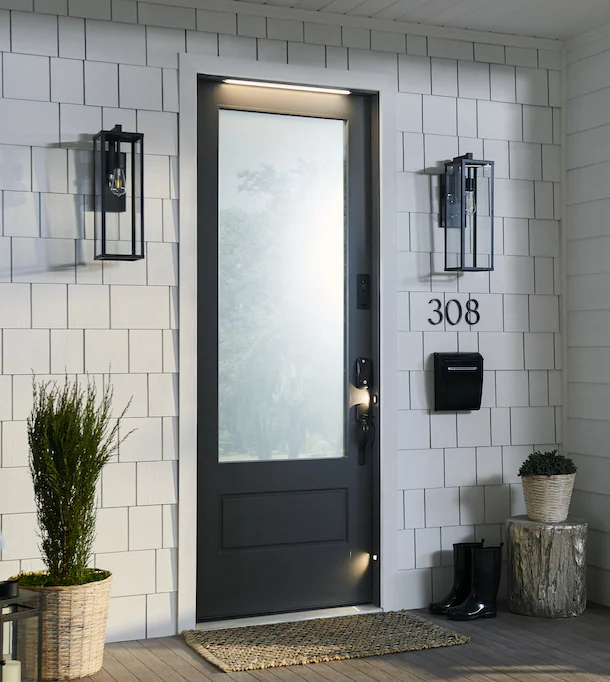
Simultaneously, the retail availability of the Masonite smart door at Home Depot signals the mainstreaming of high-ticket, integrated infrastructure. Priced at a premium that limits its accessibility to a luxury market, the product illustrates the industry’s push to embed connectivity into the physical architecture of homes. Yet, the existence of such products raises fundamental questions about value proposition: does the convenience of a "smart" entry point justify its significant price tag and the added security risk of a networked physical barrier?
Regulatory Oversight and Cybersecurity Mandates
As device density increases, the Federal Communications Commission (FCC) has taken proactive steps to address systemic security vulnerabilities. The release of a Notice of Proposed Rule Making (NPRM) for an IoT cybersecurity labeling program is a landmark development. This initiative aims to establish a standardized "seal of approval" for smart devices, intended to inform consumers about the baseline security features of a product.
The proposal arrives at a time when industrial and consumer cybersecurity threats are reaching a fever pitch. Reports from Microsoft regarding vulnerabilities in industrial control equipment—capable of disabling critical power infrastructure—have intensified the urgency for better regulatory frameworks. The FCC’s 30-day public comment period on the IoT label is not merely a bureaucratic formality; it is a vital opportunity for stakeholders to shape the standards that will govern the future of device security in the domestic and commercial spheres.

The Role of Connectivity Standards: Z-Wave and Matter
Connectivity remains the backbone of the smart home. The Z-Wave protocol, long a stalwart of reliable, low-power home automation, is currently undergoing a strategic revitalization. The emergence of new providers for Z-Wave chips is essential for ensuring supply chain stability and encouraging competition.
In this landscape, the introduction of the Matter standard serves as a critical bridge. Matter, designed to foster interoperability between devices from disparate manufacturers, is the industry’s most ambitious attempt to solve the "silo" problem. However, the integration of existing protocols like Z-Wave into the Matter ecosystem is complex.
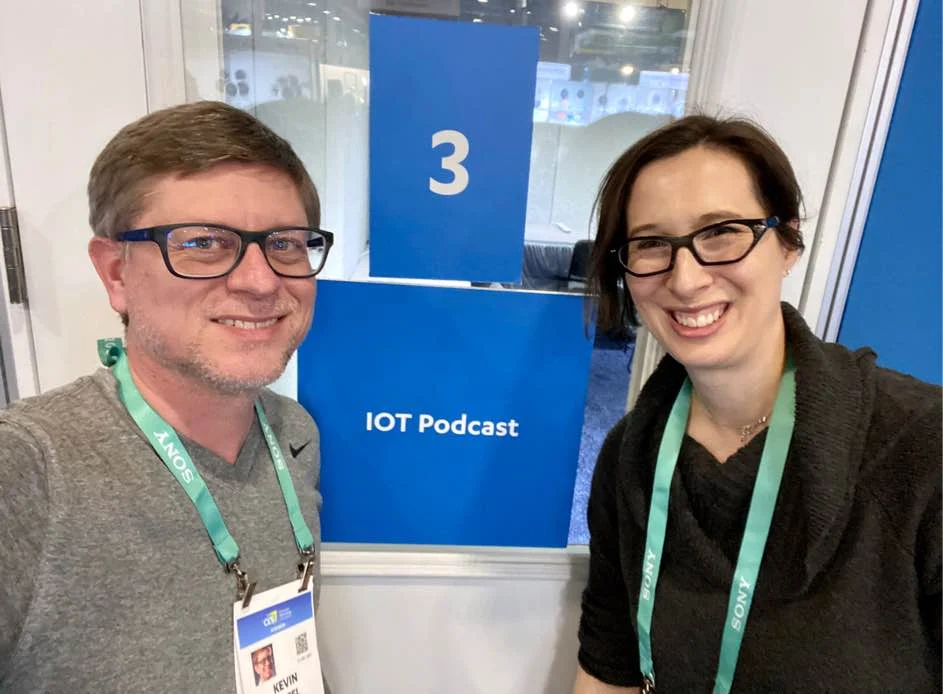
Mariusz Malkowski, founder and CTO of Trident IoT, recently emphasized the necessity of bridging these standards. According to industry experts, the future of the smart home lies in multi-protocol support, where Z-Wave’s proven reliability for specific use cases (such as security sensors and locks) complements Matter’s broader ecosystem compatibility. Trident IoT’s role as both a chip manufacturer and a certification house signifies a shift toward more centralized quality assurance for the Z-Wave community, aiming to reduce the technical friction that has historically plagued the smart home sector.
Assessing the Hub: The Case for Local Control
The market for smart home hubs—the "brains" of the ecosystem—also remains in flux. Recent evaluations of devices like the Homey Pro illustrate a clear trend: power users are increasingly seeking local control. By moving processing away from the cloud and onto the local network, these devices offer increased latency performance and improved privacy.
However, the cost and technical requirement of these hubs highlight a gap in the market. While mass-market assistants like Alexa rely heavily on cloud-based processing, the professional-grade or enthusiast-grade market is moving toward decentralized architectures. The implication is clear: the industry is bifurcating into two streams—the "convenience-first" cloud ecosystem and the "performance-first" local ecosystem.
Broader Implications and Future Outlook
The next five years will be defined by three critical trends: the consolidation of standards, the strengthening of security regulations, and the professionalization of the installation market.
- Interoperability: The widespread adoption of Matter will likely reduce consumer frustration, but the "walled garden" approach of major tech conglomerates will persist as they compete for data dominance.
- Security by Design: With the FCC’s proposed labeling, manufacturers will be forced to treat cybersecurity as a core feature rather than an afterthought. This will likely lead to the obsolescence of cheap, insecure "white-label" devices that have historically flooded the market.
- Infrastructure Integration: As seen with smart doors and advanced appliances, the smart home is moving from "add-on" to "built-in." This transition necessitates a more collaborative relationship between hardware manufacturers, architects, and home builders.
The departure of key leadership at major tech firms, coupled with the maturation of protocols like Z-Wave and Matter, indicates that the smart home is entering a period of consolidation. The initial "Wild West" phase of the smart home is ending. In its place, we are seeing the emergence of a more regulated, robust, and complex environment that requires both industry-wide cooperation and stricter oversight.
For the average consumer, the path forward remains one of careful selection. As the industry debates the merits of local versus cloud control and navigates the transition to standardized connectivity, the value of a smart home will no longer be measured by the number of connected devices, but by their reliability, security, and long-term interoperability. As the Echo celebrates its tenth year, the industry must demonstrate that it has learned from the past decade of trial and error, moving away from the novelty of voice commands and toward a truly resilient, invisible infrastructure that enhances the domestic experience without sacrificing the sanctity of the home.