










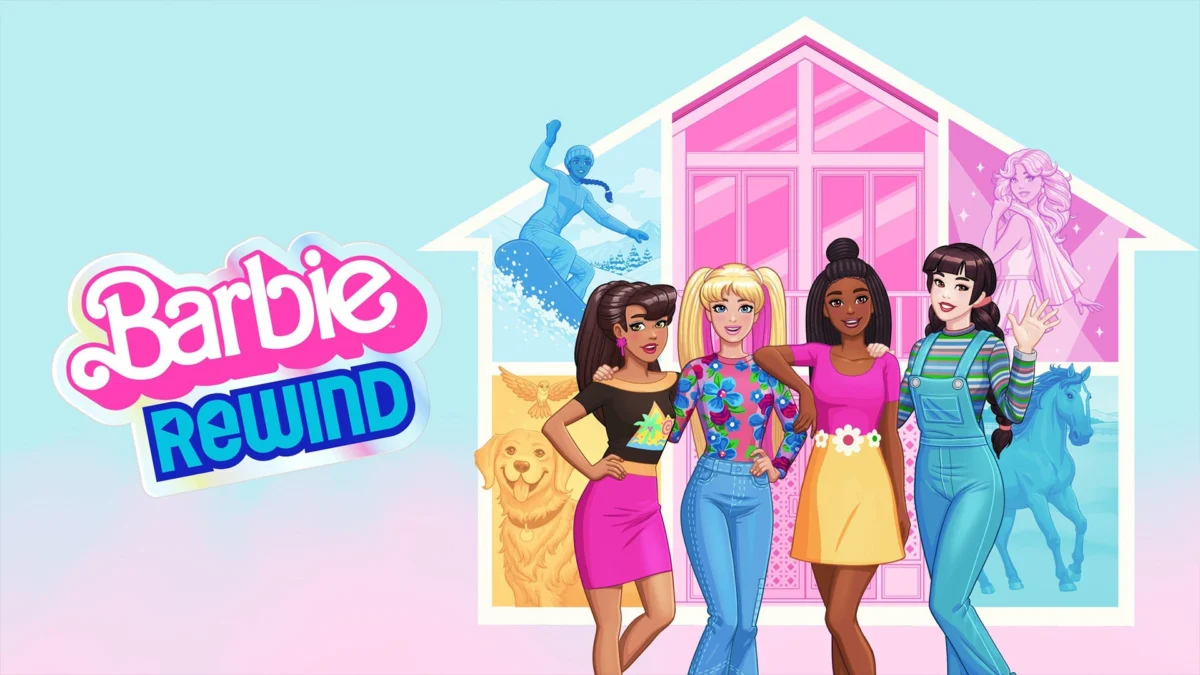
The landscape of video game preservation reached a significant milestone this week with the launch of Barbie Rewind, a meticulously curated collection developed by Digital Eclipse. Known for their high-fidelity archival work on projects such as Atari 50: The Anniversary Celebration and the Mortal Kombat: Legacy Kollection, the studio has turned its attention to one of the most prolific and historically significant figures in pop culture: Barbie. This compilation serves as more than just a trip down memory lane; it acts as a digital museum, aggregating sixteen titles from the late 20th century to provide a window into the evolution of "girl games"—a genre that once struggled for mainstream recognition but has since become a cornerstone of the interactive entertainment industry.
A Legacy of Digital Play
Barbie’s presence in the digital sphere is vast, spanning nearly every major hardware generation since the early 1990s. While characters born from video games like Mario or Sonic dominate discussions of legacy, Barbie represents a unique intersection of toy culture and interactive software. Her games have served as entry points for millions of young players, often experimenting with design choices—such as simulation, interior design, and narrative-driven adventure—long before these mechanics were popularized in mainstream titles.
The significance of this release lies in its scope. By gathering 16 distinct titles, Digital Eclipse has provided a rare, centralized look at how developers approached game design for a demographic that was often overlooked by the male-dominated industry of the 1990s. The compilation includes titles ranging from the 1991 NES iteration of Barbie to later releases on the Game Boy Color and Super Nintendo Entertainment System.
Chronology of the Barbie Interactive Era
The history of Barbie in gaming is marked by rapid technological shifts. The following timeline outlines the evolution captured within the new collection:
- 1991: The debut of the franchise on home consoles with the original Barbie for the Nintendo Entertainment System (NES).
- Early 1990s: The expansion into various hardware platforms, testing the viability of licensed properties in the burgeoning home console market.
- Mid-to-Late 1990s: A transition toward more complex simulation elements, as seen in titles like Barbie: Vacation Adventure for the SNES.
- Early 2000s: The refinement of handheld experiences, specifically on the Game Boy Color, including Barbie: Pet Rescue.
- 2024: The release of Barbie Rewind, which incorporates previously unreleased content alongside archived titles to offer a holistic perspective on the character’s interactive history.
One of the most notable features of this collection is the inclusion of the previously unreleased SNES version of Barbie: Vacation Adventure. For gaming historians and enthusiasts, the preservation of "lost" or unreleased software is a vital endeavor, as it provides insight into the development challenges and market decisions that defined the industry during the 16-bit era.
The Digital DreamHouse and Modern Preservation
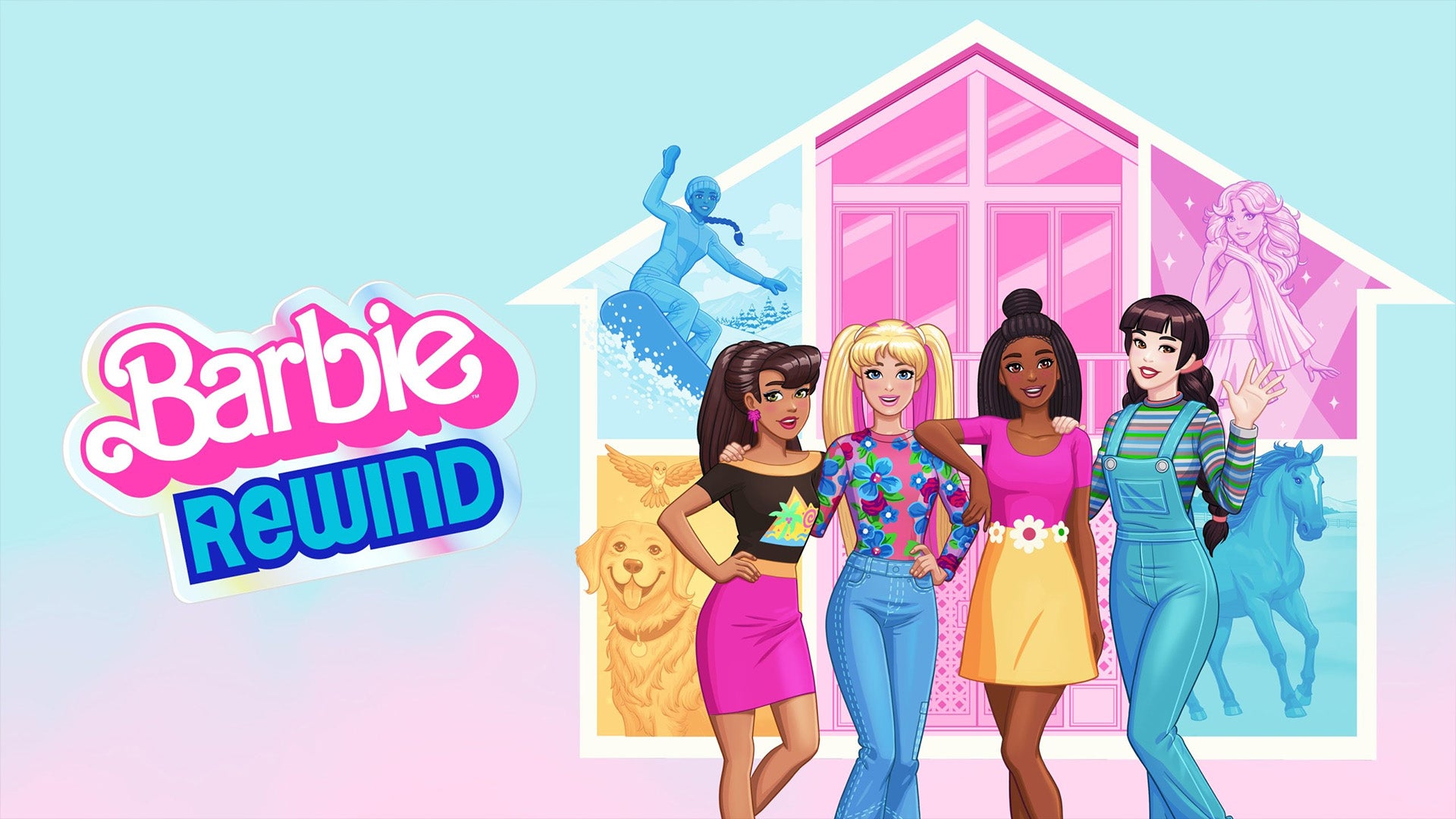
Beyond the raw emulation of classic titles, Barbie Rewind introduces a meta-layer to the experience. Players are invited into a customizable digital DreamHouse, a hub world that serves as a playful homage to the physical act of playing with dolls. By allowing users to decorate rooms with a variety of furniture, the developers have successfully translated the tactile, imaginative experience of traditional doll play into a pixel-art format.
This feature, alongside a digital lookbook that chronicles the character’s history, suggests that Digital Eclipse aimed for more than a simple "best-of" list. The inclusion of familiar franchise characters—such as Ken, Teresa, and Christie—within the DreamHouse hub reinforces the sense of cohesion, framing the disparate games not as isolated products, but as chapters in a long-standing narrative.
Market Context and Industry Impact
When analyzing the release of Barbie Rewind, it is essential to consider the current state of video game preservation. Many titles from the 8-bit and 16-bit eras are at risk of being lost to time due to the degradation of physical media and the obsolescence of proprietary hardware. Digital Eclipse’s approach—which favors high-quality emulation and the addition of "museum-like" context—is widely regarded as the gold standard in the industry.
However, the collection also highlights the limitations of such efforts. Fans of the franchise have noted the absence of fan-favorite 3D titles, such as Barbie: Secret Agent and Barbie Horse Adventures: Mystery Ride. The current collection is heavily weighted toward 2D pixel-art entries, a choice that likely stems from the technical difficulty of emulating older 3D architectures compared to the more straightforward 2D platforms. While the absence of these titles may be a point of contention for some, it leaves the door open for future volumes or expanded collections, provided the commercial success of this initial release warrants further investment.
Institutional and Critical Reception
While official statements from Mattel regarding the specific development process of the compilation remain minimal, the project reflects a broader trend of corporate IP holders recognizing the cultural value of their digital catalogs. By partnering with a studio as respected as Digital Eclipse, the stakeholders have ensured that the product meets high standards of technical performance and user experience.
Industry analysts suggest that the success of Barbie Rewind could signal a shift in how licensed games are treated by major brands. Historically, games tied to toys or films were often viewed as disposable marketing collateral. The existence of this collection suggests that these titles are now being rebranded as "legacy content," capable of generating revenue and brand loyalty decades after their initial release. This shift in perspective is beneficial for both the gaming industry and the archivists who have long advocated for the protection of software as a cultural artifact.
The Broader Implications of Retro Collections
The release of Barbie Rewind serves as a case study for the value of "niche" history. By legitimizing a catalog that was once marginalized as being "too gendered" or "too casual," Digital Eclipse is actively broadening the scope of what is considered worthy of preservation. This inclusivity not only validates the experiences of players who grew up with these games but also provides a more accurate and comprehensive map of the history of interactive media.
As modern gaming continues to push the boundaries of photorealism and narrative complexity, there is an increasing appetite for the simplicity and charm of earlier eras. The pixel-art aesthetic, combined with the low-barrier, high-imagination gameplay of the 90s, provides a distinct contrast to the hyper-competitive nature of current AAA titles.
For those looking to explore this history, Barbie Rewind is currently available on the Steam platform. It stands as a testament to the idea that games—regardless of their initial intended audience or complexity—are a vital part of our shared cultural memory. As the industry looks toward the future, compilations like this ensure that the foundational steps taken by characters like Barbie are not forgotten, but rather, are preserved for a new generation of players to discover, analyze, and enjoy.