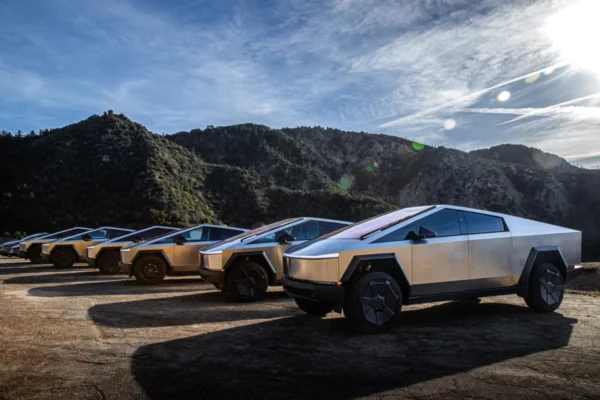











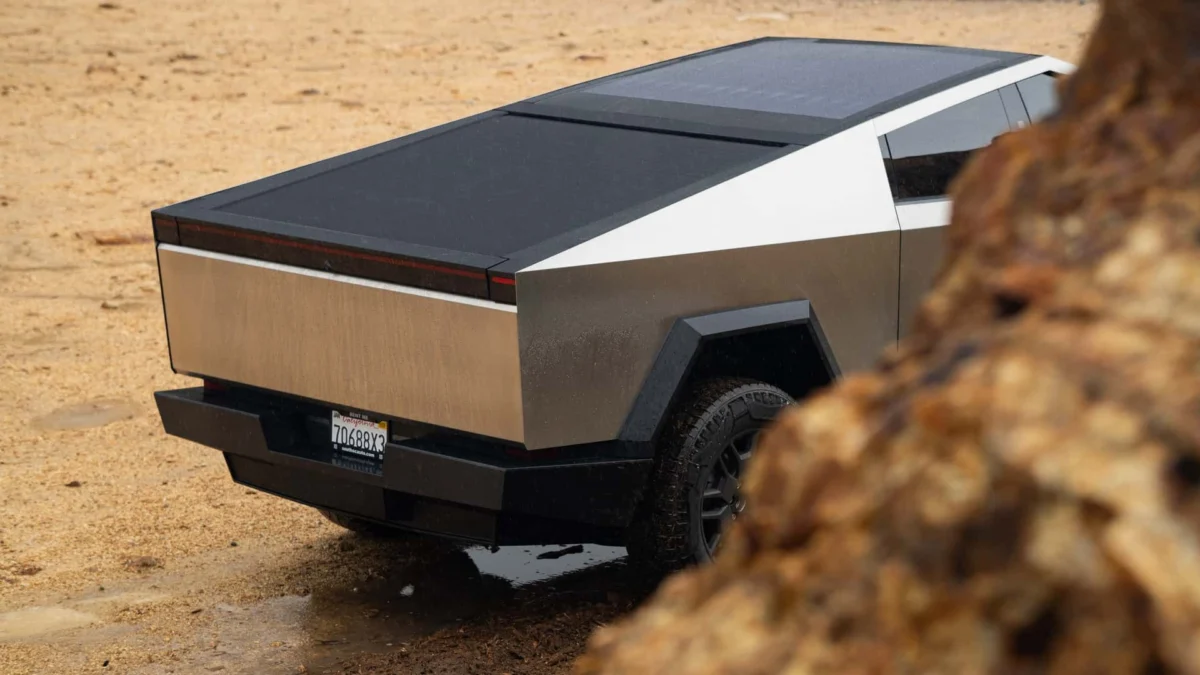
In a notable shift in strategy for one of the automotive industry’s most unconventional vehicles, Tesla has officially announced an extension of its Cybertruck production timeline. Chief Executive Officer Elon Musk confirmed on Wednesday that the stainless-steel pickup will remain in production through the end of September 2027, providing the company with a roughly 10-month window beyond its previously stated expiration date. This decision, while technically prolonging the lifecycle of the polarizing vehicle, arrives amidst a broader corporate pivot toward the mass production of the autonomous, steering wheel-free Cybercab at Tesla’s Gigafactory Texas.
A Revised Timeline for the Stainless-Steel Pickup
The lifecycle of the Tesla Cybertruck has been marked by delays, design controversies, and a production ramp-up that challenged the company’s manufacturing capabilities. Originally unveiled in 2019 as a futuristic vision of utility, the truck did not begin volume deliveries until late 2023.
Last week, in a late-night social media announcement, Musk signaled the eventual retirement of the model, stating that production would conclude in the middle of 2027. Following that initial disclosure, the company clarified a tentative cessation date of July 2027. However, the latest update extends that deadline through September, offering a temporary reprieve for prospective buyers who have been waiting on the order list.
Musk characterized the extension as a gesture toward the vehicle’s dedicated fan base rather than a strictly calculated financial move. "In order to work through more of the Cybertruck order backlog, production will be extended through the end of summer 2027," Musk stated on X. He further remarked in a follow-up interaction that the decision was "not the smartest move from a profit-maximizing standpoint," suggesting that the company is prioritizing customer fulfillment and brand sentimentality over the immediate reallocation of factory resources to the Cybercab project.
Production Targets and Market Reality
The Cybertruck was initially framed by Tesla as a potential market disruptor, with Musk once floating an ambitious annual production target of 250,000 units. Had this goal been realized, the Cybertruck would have stood as a top-tier contender in the fiercely competitive North American pickup truck market, competing directly with established giants like the Ford F-150 and the Chevrolet Silverado.
Industry analysts note that the reality of the Cybertruck’s market presence has been more modest. Estimates suggest that Tesla has delivered approximately 70,000 units since the launch of the program in late 2023. While these figures represent a significant manufacturing achievement for a vehicle with such a radical, complex design, they remain well below the initial projections. The transition to the Cybercab suggests that Tesla views its future growth in the specialized, high-margin autonomous taxi segment rather than the mass-market pickup segment, which requires massive economies of scale to achieve significant profitability.
The Financials of the Final Run
As the end of the production cycle nears, Tesla has streamlined its offerings. The company recently discontinued lower-trim variants of the truck, leaving the high-performance, tri-motor "Cyberbeast" as the primary available configuration. This consolidation comes with a steep entry price, now set at approximately $110,000.
This pricing strategy acts as both a premium offering for the remaining base and a mechanism to filter the remaining order pool. By limiting the options, Tesla can optimize its supply chain for the final months of production, focusing on a single, high-margin configuration while managing the logistical challenge of winding down specialized tooling and raw material procurement for the vehicle’s unique cold-rolled stainless-steel exoskeleton.
Public Reception and the "Cult" Following
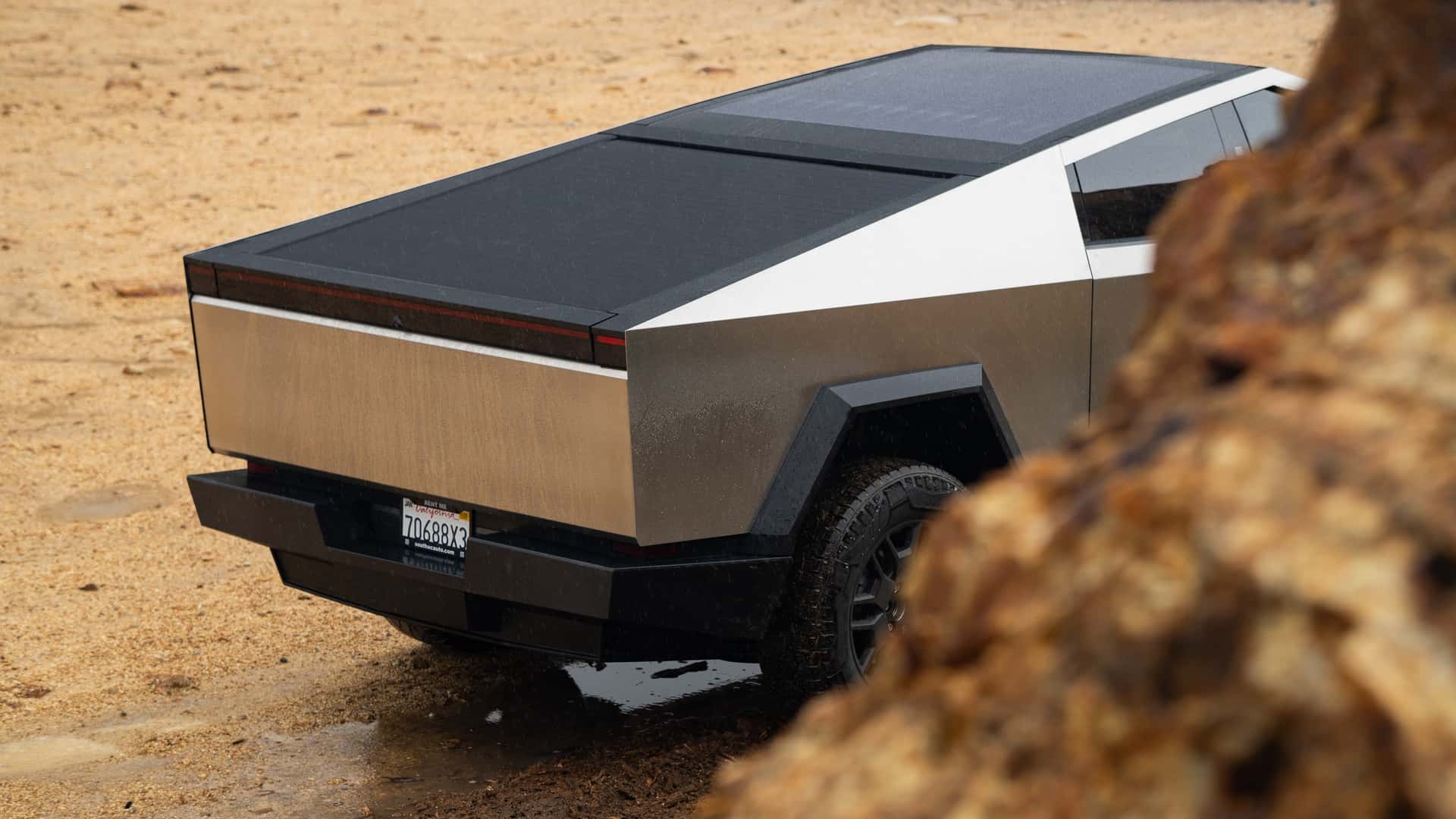
Few vehicles in modern history have polarized public opinion as effectively as the Cybertruck. Its angular, unpainted exterior has drawn comparisons to everything from sci-fi set pieces to armored vehicles, and while it has faced criticism for its unconventional ergonomics and safety concerns, it has also garnered a fiercely loyal following.
The reaction to the news of the truck’s eventual discontinuation was swift. A petition launched on Change.org calling for the continuation of the model has garnered over 5,000 signatures, illustrating the depth of the brand loyalty surrounding the vehicle. Furthermore, aftermarket companies, such as Unplugged Performance—which specializes in Tesla modifications—have publicly expressed interest in exploring ways to sustain the platform, even going so far as to suggest the possibility of taking over production rights or seeking investment to keep the vehicle in existence. These reactions underscore the unique position the Cybertruck occupies in the automotive landscape; it is viewed by many as a cultural artifact of the "Musk era" rather than merely a tool for transportation.
Implications for Gigafactory Texas
The primary driver behind the Cybertruck’s retirement is the strategic reallocation of space and labor at the company’s Texas factory. As Tesla pivots toward its next-generation platform, the focus is shifting to the Cybercab—a two-seater, autonomous vehicle that lacks traditional driver controls.
The integration of the Cybercab requires a significant overhaul of existing production lines. By extending the Cybertruck run by several months, Tesla is attempting to balance its commitment to existing deposit holders with the need to meet investors’ expectations for the autonomy-driven future.
However, this balancing act presents risks. The company previously warned that it would be forced to cancel some outstanding orders and return deposits if it could not satisfy the backlog before the assembly lines were decommissioned. The extra time granted by the September extension may mitigate this, but it also delays the full-scale deployment of the robotic assembly processes required for the Cybercab.
Industry Context and Strategic Outlook
The winding down of the Cybertruck program is a case study in the challenges of "first-principles" engineering. By attempting to build a vehicle with a chassis made of ultra-hard, cold-rolled stainless steel, Tesla faced years of manufacturing hurdles that likely compressed the vehicle’s effective market window.
For the automotive industry at large, the Cybertruck’s lifespan provides valuable data on the appetite for extreme design in the EV segment. While sales volume did not reach the heights of the mass-market Model Y or Model 3, the truck served as a massive marketing engine, keeping Tesla at the center of the global conversation.
As the calendar moves toward 2027, the focus for investors and industry observers will turn toward how Tesla manages the transition. The "sentimentality" cited by Musk may provide a short-term boost in customer satisfaction, but the long-term health of the company’s Texas operations will ultimately hinge on the successful transition from the stainless-steel experiment to the high-volume reality of autonomous transport.
With roughly 10 months of production remaining, Tesla now enters the final phase of the Cybertruck saga. For those who have waited years for their delivery, the extension is a welcome, if expensive, opportunity. For Tesla, it marks the end of a bold, divisive chapter that has undeniably altered the trajectory of the company’s manufacturing legacy. The coming months will be defined by the race to fulfill as many orders as possible, effectively closing the book on one of the most unconventional vehicles to ever reach mass production in the 21st century.