









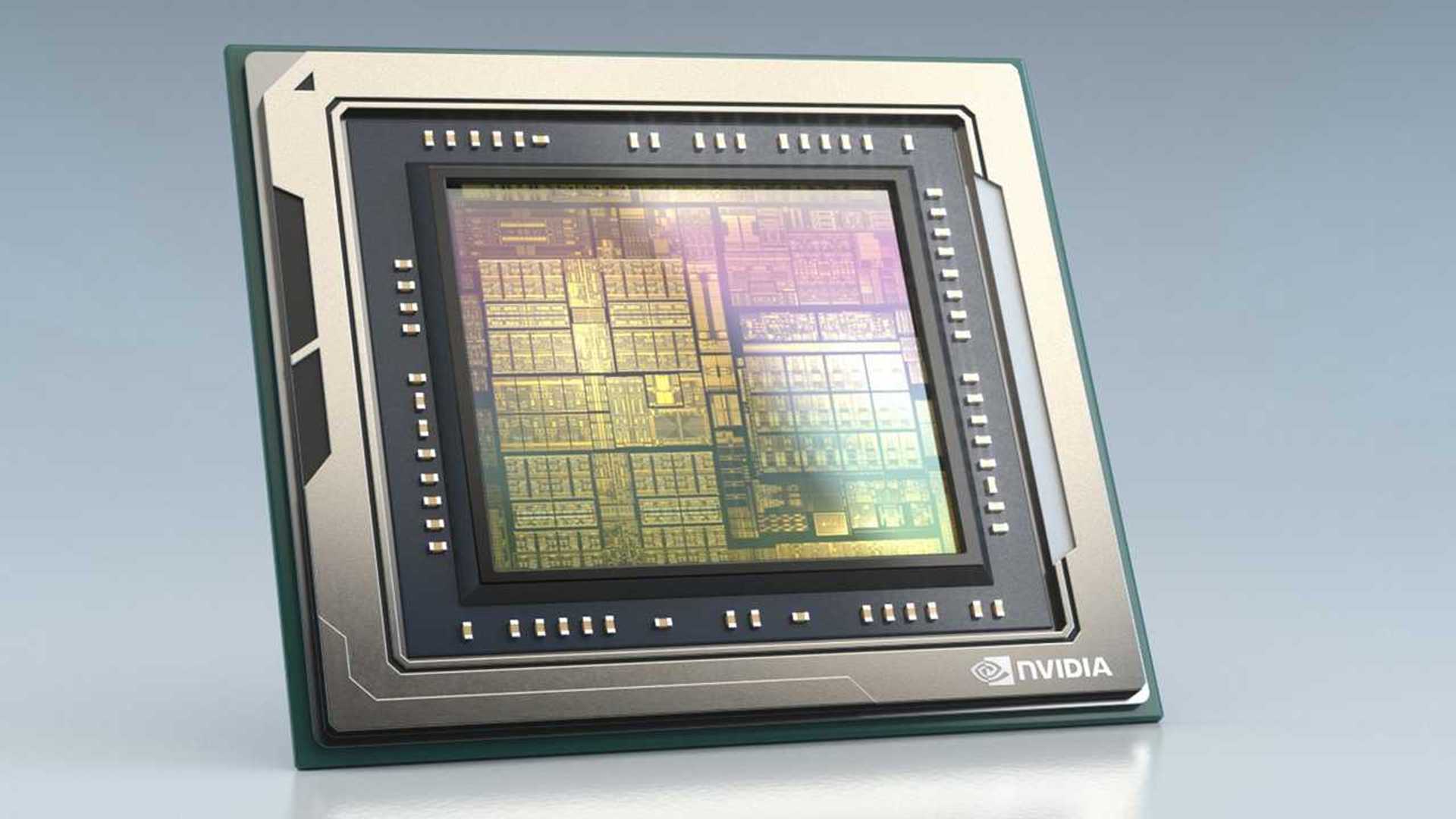
The global automotive industry, still recovering from the scars of the COVID-19-era supply chain collapse, is bracing for a new and potentially more complex semiconductor shortage. While the previous crisis was defined by logistical bottlenecks and factory shutdowns during a global pandemic, the current threat is more structural in nature. A massive, capital-intensive pivot toward artificial intelligence (AI) data centers and advanced robotics is cannibalizing the supply of commodity semiconductors—the essential, "mature" chips that underpin everything from engine control units and infotainment systems to power window motors and advanced driver-assistance systems (ADAS).
The Mechanics of the New Shortage
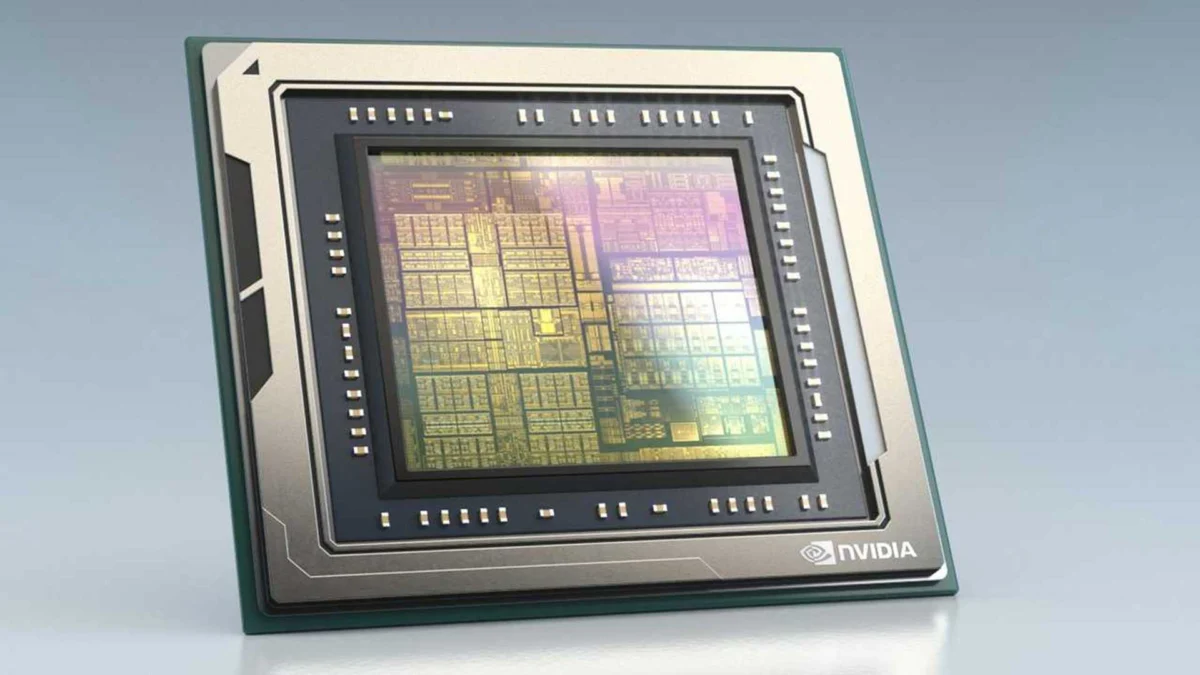
Unlike the high-end, cutting-edge chips produced by companies like Nvidia for AI processing, the automotive industry relies heavily on "legacy" or "mature" node semiconductors. These chips are manufactured using older, well-established processes that are cost-effective and highly reliable. For years, these components were produced in abundance, often sharing manufacturing capacity with industrial and consumer electronics.
However, the rapid expansion of AI infrastructure has fundamentally altered the economics of semiconductor foundries. As tech giants pour hundreds of billions of dollars into AI training clusters and cloud infrastructure, the demand for processing power has become essentially price-insensitive. Because AI data centers generate massive, high-margin revenue for chipmakers, the market priority has shifted away from the low-margin, high-volume production of automotive-grade microcontrollers and power management chips.
Stefan Tilger, CEO of Dutch semiconductor manufacturer Nexperia, recently highlighted the severity of this shift in comments to Reuters. According to Tilger, competitors have systematically redirected production capacity toward high-growth, high-profit sectors, specifically AI data centers. This migration of manufacturing priority has left the automotive sector competing for a dwindling share of legacy production lines, leading to a bottleneck that threatens to stifle vehicle production worldwide.
Chronology of the Semiconductor Evolution
The current situation cannot be viewed in isolation; it is the latest chapter in a multi-year saga of semiconductor volatility.
- 2020–2022: The initial pandemic-induced crisis saw demand for consumer electronics skyrocket as remote work became the norm, while automakers—anticipating a collapse in demand—slashed their chip orders. When demand for vehicles rebounded faster than expected, manufacturers found themselves at the back of the line, resulting in millions of vehicles being left unfinished.
- 2023–2024: The industry entered a period of relative stabilization. Automakers began "de-risking" their supply chains, moving toward direct sourcing agreements with chip foundries and increasing their inventory buffers to avoid a repeat of the pandemic-era shortages.
- 2025 (Present): The rise of generative AI and the proliferation of large-scale language models triggered a historic surge in data center construction. This demand for specialized hardware created a "pull" effect, drawing foundry capacity away from older, less profitable nodes used in traditional industrial and automotive applications.
- 2026 and Beyond: Industry analysts and executives now warn that as the AI build-out intensifies, the competition for mature-node silicon will reach a critical threshold, with supply constraints projected to impact vehicle production volumes starting in the next fiscal year.
Financial Implications and the "Price-Insensitive" AI Market
The economic reality for automotive suppliers is stark. Claus Bauer, the interim finance head at Aumovio—a major supplier for giants like BMW, Ford, and BYD—offered a sobering assessment during a recent earnings call. He noted that the company is facing an "explosion" in chip costs as it competes with AI entities for foundry time.
The fundamental issue is that the automotive sector is price-sensitive; vehicles are consumer goods with fixed price points, and manufacturers cannot easily pass on massive cost spikes to the end buyer. Conversely, the AI sector operates under a different set of rules. As Bauer explained, "All of our suppliers in that regard could sell twice their capacity to this very lucrative, non-price-sensitive area." This creates an asymmetric playing field where automakers are consistently outbid by cloud service providers and tech conglomerates.
Impact on Vehicle Features and Production
If this supply crunch persists, the most immediate consequence for the automotive industry will be a return to the "feature-stripping" tactics used during the pandemic. In 2021 and 2022, manufacturers like Volkswagen, General Motors, and Ford were forced to ship vehicles without features such as start/stop technology, heated seats, or advanced touchscreens because the microcontrollers required to drive those systems were unavailable.
While current production lines are better prepared, there is a limit to how much "feature-stripping" a brand can sustain before it compromises the value proposition of a modern vehicle. Furthermore, as cars become increasingly defined by software—requiring more, not fewer, semiconductors for connectivity and autonomy—the reliance on these essential chips is only growing. A vehicle that lacks its intended suite of digital features is not only less competitive but also potentially less safe or efficient.
Strategic Responses from Manufacturers and Foundries
The industry response is beginning to take shape, though solutions are long-term. Jean-Marc Chery, CEO of STMicroelectronics, has noted that the trend of foundries "disengaging" from traditional automotive and industrial markets is a clear signal that the semiconductor manufacturing base must expand its capacity specifically for legacy nodes.
Several strategies are currently being evaluated:
- Vertical Integration: Some major automakers are moving to acquire equity stakes in or provide direct funding to foundries to guarantee priority access to supply.
- Strategic Stockpiling: Despite the carrying costs, OEMs are increasing their long-term inventory of critical chips to insulate against short-term market shocks.
- Platform Consolidation: Engineers are working to consolidate multiple electronic control units (ECUs) into fewer, more powerful domain controllers. By reducing the total number of chips required in a vehicle architecture, automakers hope to reduce their vulnerability to specific component shortages.
Analysis of Future Market Implications
The convergence of the AI boom and the automotive industry’s reliance on mature-node silicon represents a classic "resource allocation" conflict in global manufacturing. For decades, the automotive industry was the primary driver of demand for chips, but it has been eclipsed by the hyperscale computing needs of the AI era.
Economists observing the sector suggest that this will likely lead to a permanent increase in the cost of automotive electronics. The era of cheap, readily available commodity chips is drawing to a close as manufacturing capacity becomes a premium commodity. For consumers, this may translate into a slower pace of technological integration in entry-level vehicles, as automakers reserve their limited supply of advanced chips for their most profitable, high-end models.
While it is premature to declare that the current situation will be as severe as the 2020-2022 crisis, the underlying drivers are arguably more intractable. The demand for AI computing is not a temporary spike; it is a long-term, secular trend that is fundamentally changing the global semiconductor ecosystem. As such, the automotive industry is entering a new era of scarcity, one where the race to build "smarter" cars may paradoxically be hindered by the very computing power required to build them.
Ultimately, the sector is in a transition period. The success of major automakers in navigating the next few years will depend on their ability to decouple their supply chains from the volatility of the AI market and secure long-term, reliable manufacturing partnerships that can withstand the global hunger for silicon.