





The landscape of mobile journalism and content creation has shifted dramatically over the past decade, with smartphones increasingly replacing dedicated mirrorless and
cinema cameras for everyday shooting. A primary catalyst for this evolution is the ongoing refinement of mobile optics, exemplified by the capabilities of the iPhone 18 Pro Max. However, despite technological advancements in internal stabilization and low-light performance, shooting professional-grade video using a bare smartphone presents persistent ergonomic challenges. Devices are sleek, slippery, and lack the tactile physical controls that traditional videographers rely on for precise adjustments. Enter the modular hardware ecosystem manufactured by SmallRig, a company specializing in custom metal rigs and camera cages designed to bridge the gap between consumer electronics and professional cinema equipment.
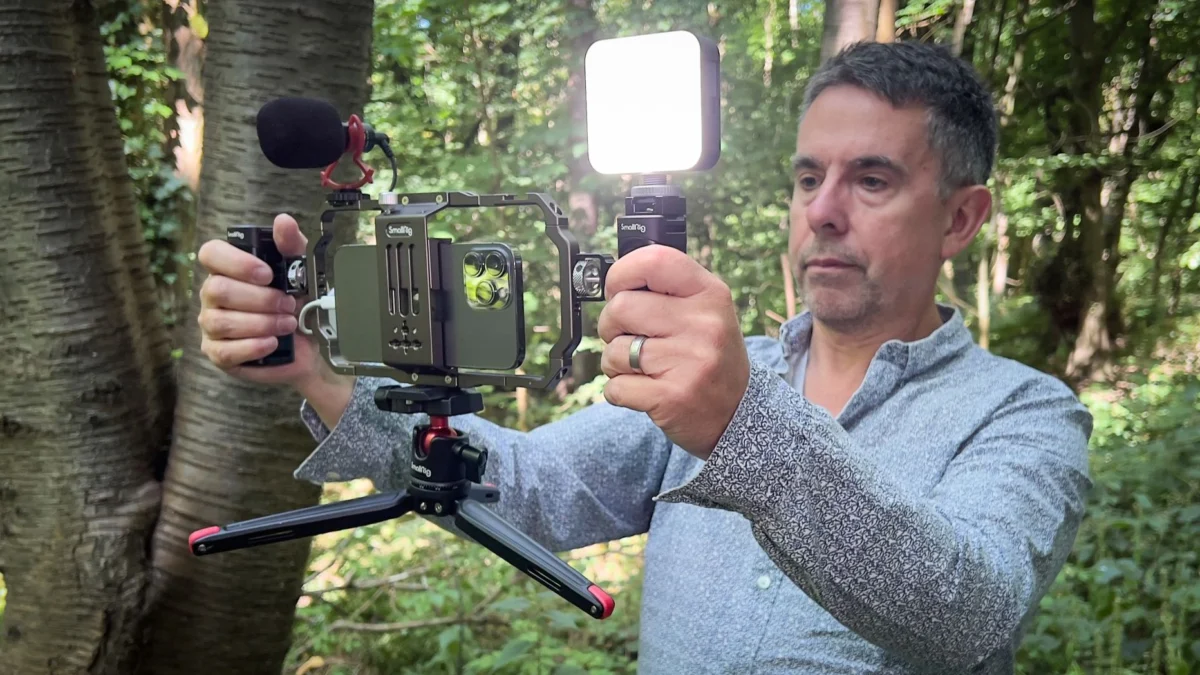
The SmallRig iPhone 18 Pro Max VND Creator Kit, retailing for approximately $199 (£180), represents a comprehensive hardware solution tailored specifically for high-end mobile creators. By enclosing the flagship Apple device within a robust aluminum alloy cage, the system provides essential structural support, multiple mounting points for external accessories, and an innovative wireless remote control unit. Designed to compete with established cinematic mounting solutions from brands like Røde, this modular kit aims to transform a standard consumer smartphone into an ergonomic, production-ready video camera.
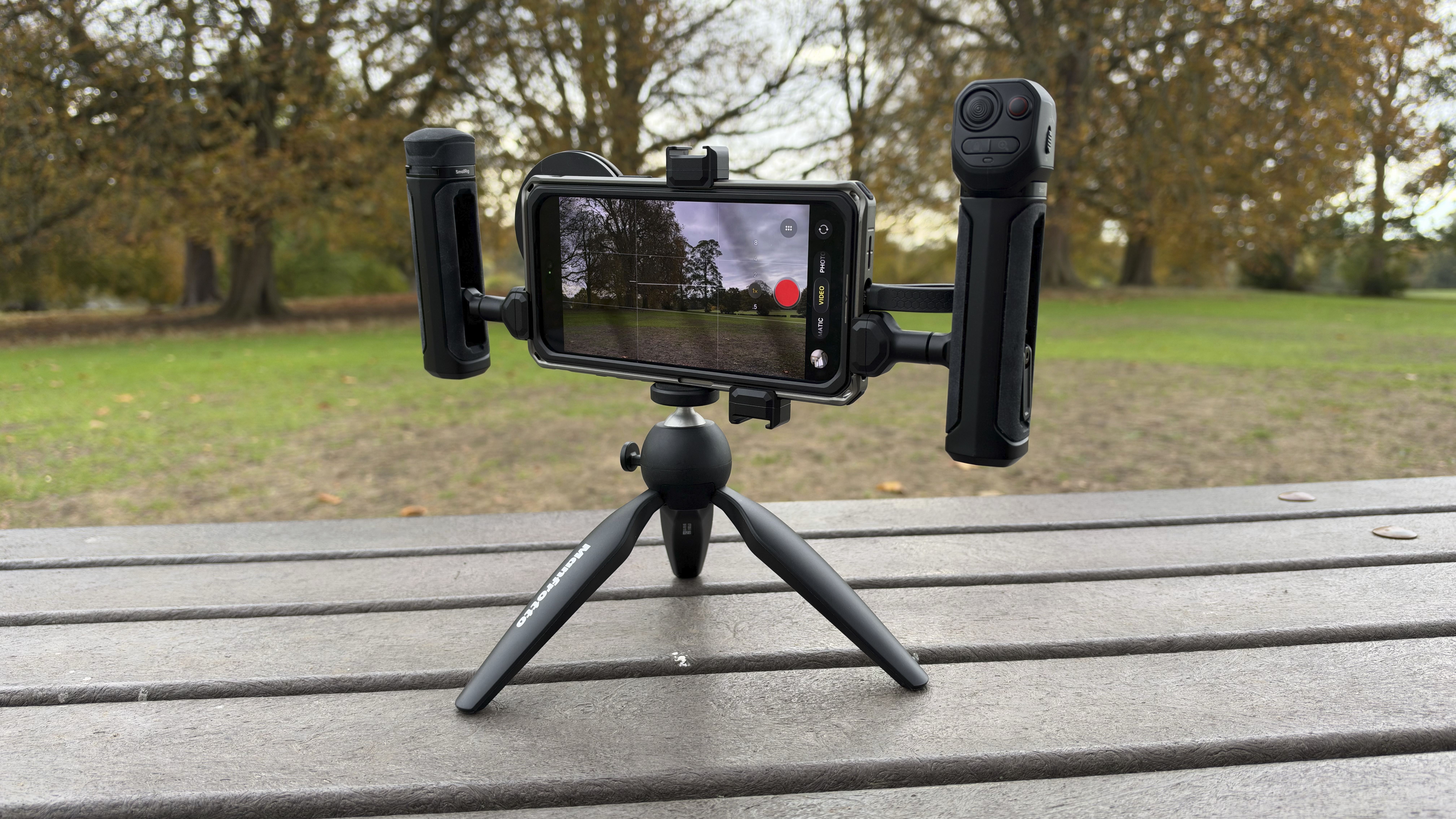
Ergonomics, Design, and the SR-MicroSlide System
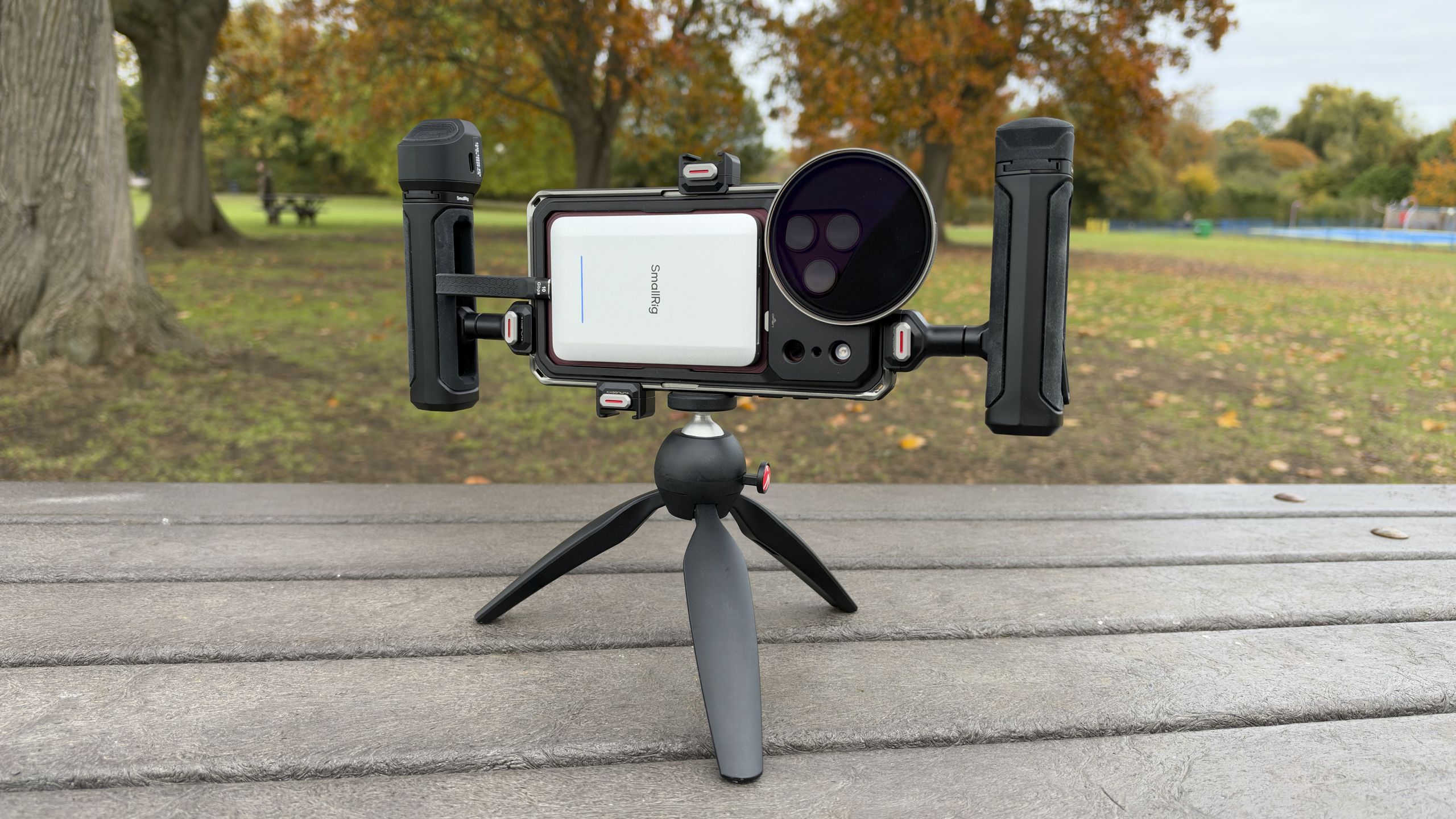
At the core of the VND Creator Kit is a gunmetal grey aluminum alloy cage engineered to fit the exact dimensions of the iPhone 18 Pro Max. Weighing 419.3 grams in its full configuration and measuring 177.4 × 93.6 × 16.2mm, the frame adds substantial heft to the setup. While this increases the overall weight compared to a naked smartphone, the added mass is a deliberate design choice intended to dampen micro-jitters during handheld shooting. Built-in silicone buttons align seamlessly with the device’s external volume and power controls, preserving basic operational functionality while safeguarding the device against accidental drops.
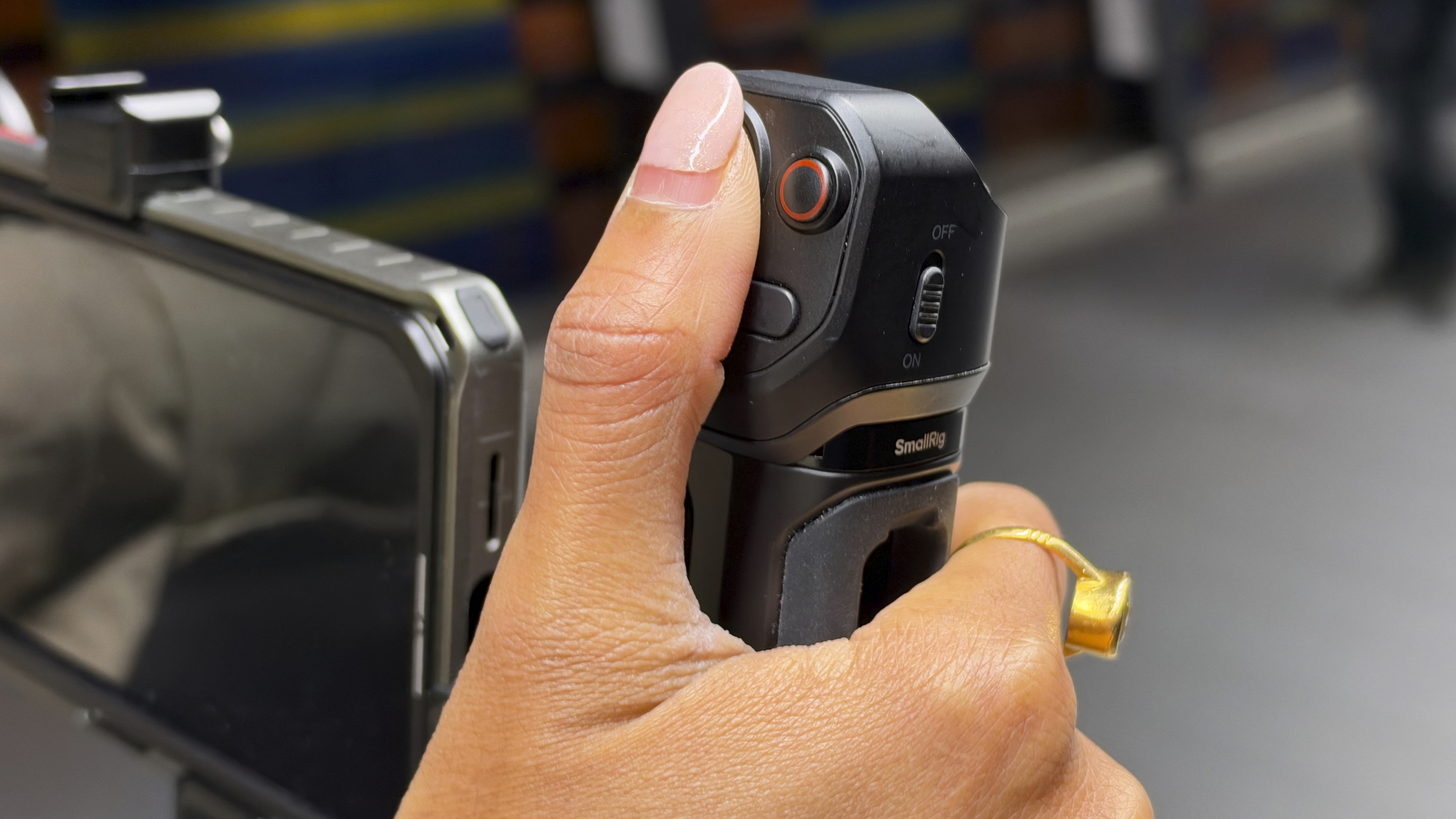
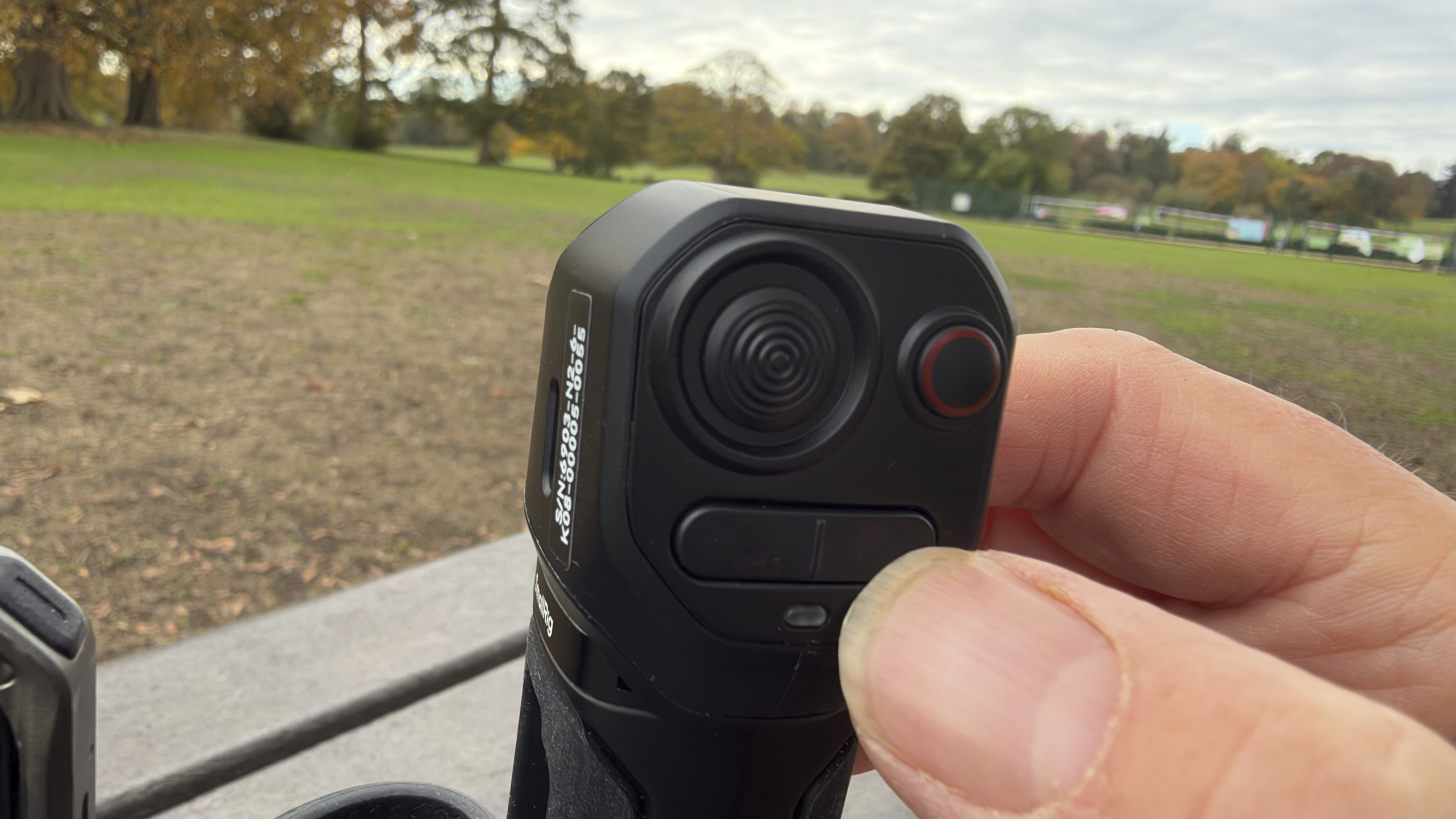
One notable design choice is the exclusion of a physical pass-through button for Apple’s native Camera Control interface. SmallRig deliberately omits this to make room for the kit’s primary differentiator: a detachable wireless remote control unit. Powered by a built-in 3.7V/50mAh battery, the remote features a miniature tactile joystick and dedicated shutter buttons. Operating via Bluetooth, the joystick interfaces directly with the native iOS Camera app. Pushing the thumbstick horizontally allows users to zoom smoothly between the device’s native focal lengths, while vertical adjustments control exposure compensation. Additionally, physical preset buttons enable operators to quickly jump between specific focal magnifications.
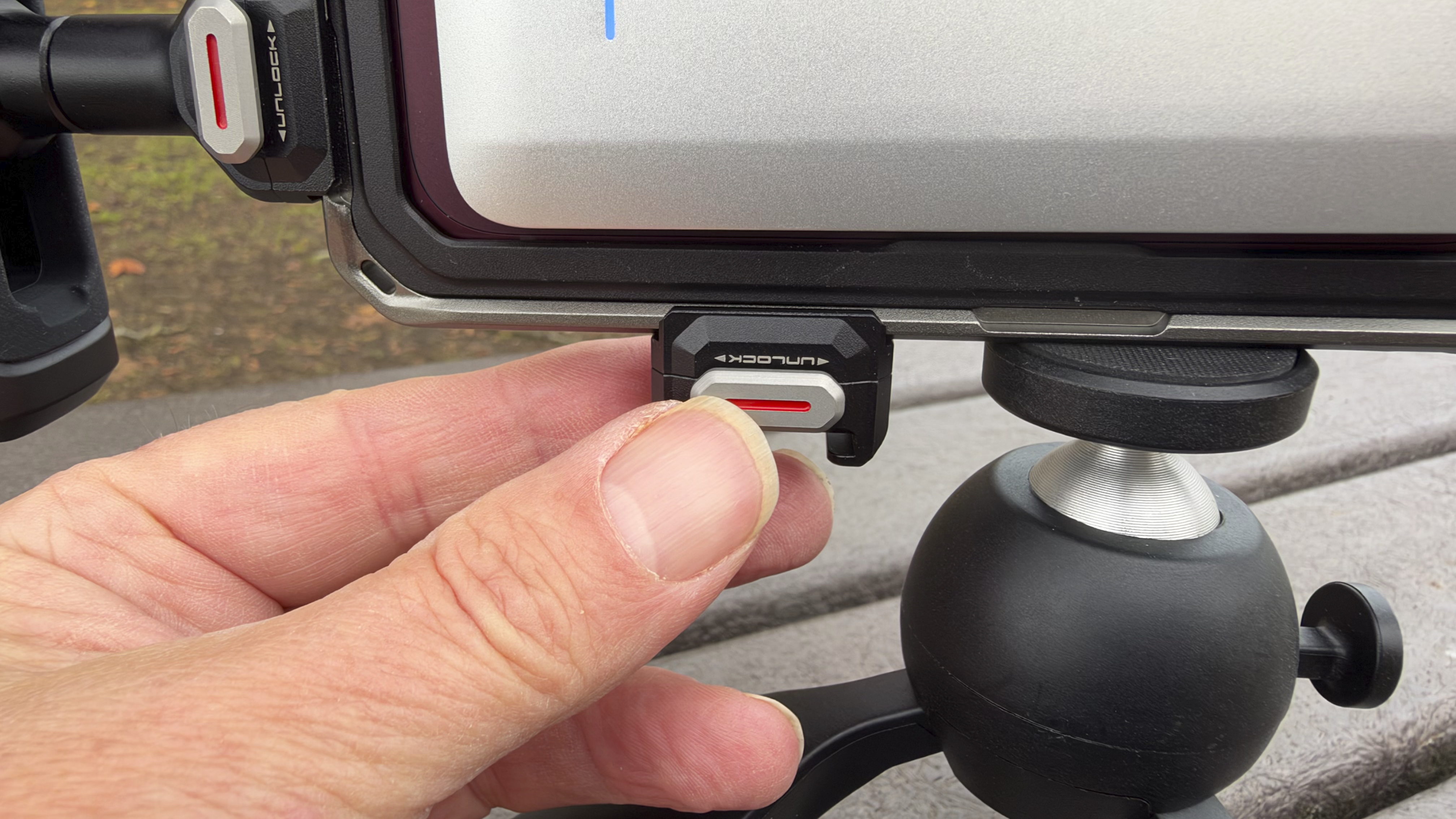
The modular versatility of the kit is further underscored by the inclusion of the SR-MicroSlide system. Unlike older cage designs that rely on fixed screw points, the SR-MicroSlide mechanism uses spring-loaded rail grooves running along the edges of the frame. This enables operators to slide and lock the dual support handles and two included cold shoe mounts anywhere along the top, bottom, or sides of the cage. The handles feature rubberized silicone inserts, ensuring a secure grip that allows creators to effortlessly transition between horizontal and vertical shooting orientations without the rebalancing delays typical of motorized gimbals.
Performance and Field Testing
Real-world testing reveals both the distinct advantages and minor operational limitations of the SmallRig ecosystem. During extended urban and park B-roll sessions, the wide stance afforded by the dual handles significantly improved pan and tilt stability, smoothing out handheld motion beyond the capabilities of standard optical and electronic stabilization alone. The physical remote control successfully replicates the tactile feedback of a traditional camcorder, eliminating the need to tap on-screen icons that often introduce unwanted camera shake.
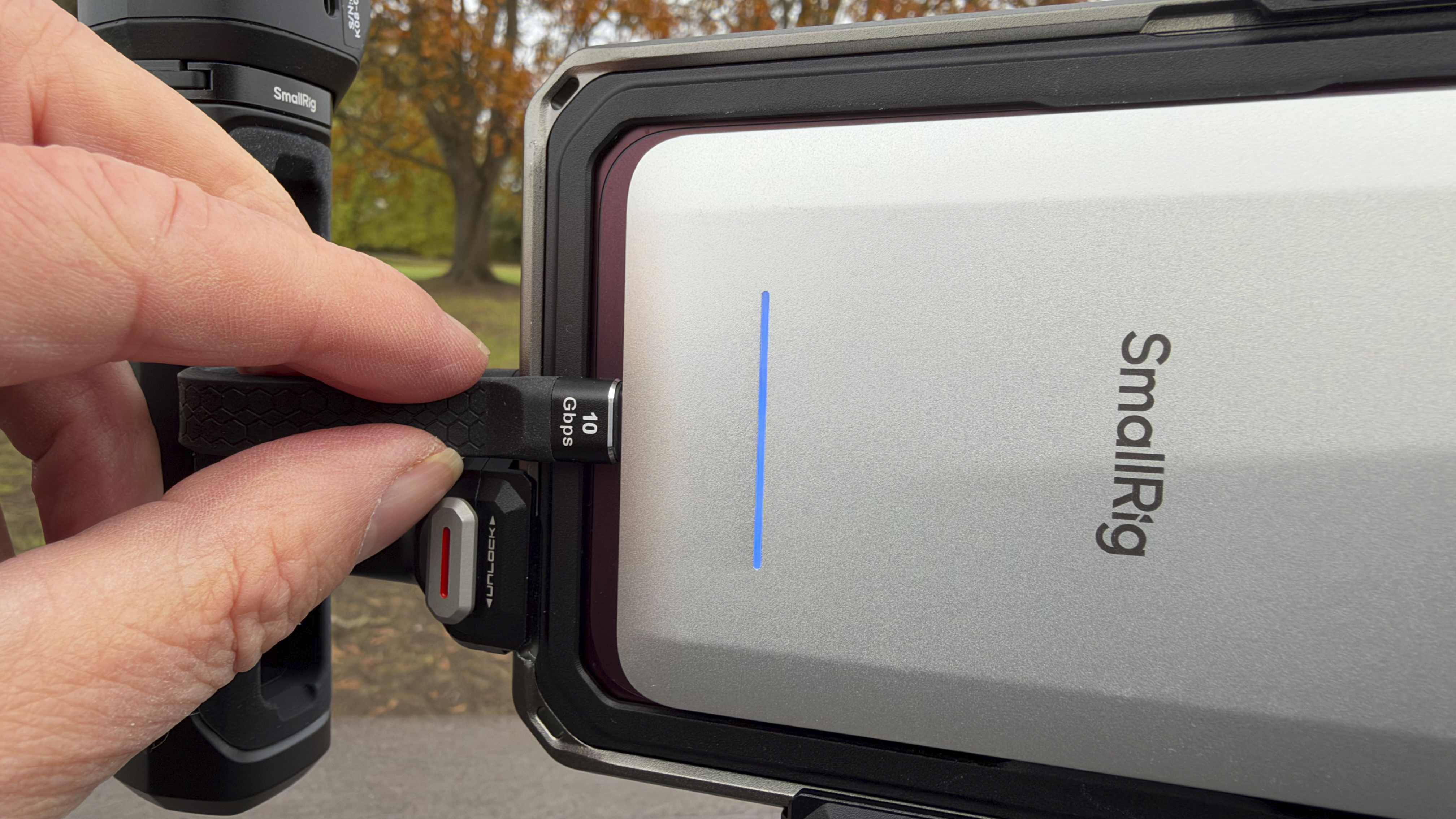
The inclusion of a MagSafe-compatible cutout on the front panel introduces advanced workflow possibilities. During testing with a SmallRig-supplied 1TB external solid-state drive connected via a 10Gbps USB-C cable, the setup seamlessly recorded high-bitrate Apple ProRes Log footage directly to the drive, bypassing internal device storage constraints. This capability is crucial for professional videographers working with demanding color-grading pipelines in post-production software such as Adobe Premiere Pro.
However, field tests also exposed a connectivity constraint regarding audio gear. The tight tolerances of the metal cage limit clearance around the iPhone’s bottom USB-C port. Consequently, bulky wireless microphone receivers with direct male USB-C plugs cannot be attached directly to the device while it is secured inside the frame. Creators relying on wireless audio must instead utilize external shotgun microphones mounted via standard cables or employ a short USB-C extension adapter to bridge the gap.
Optical Integration and Accessories
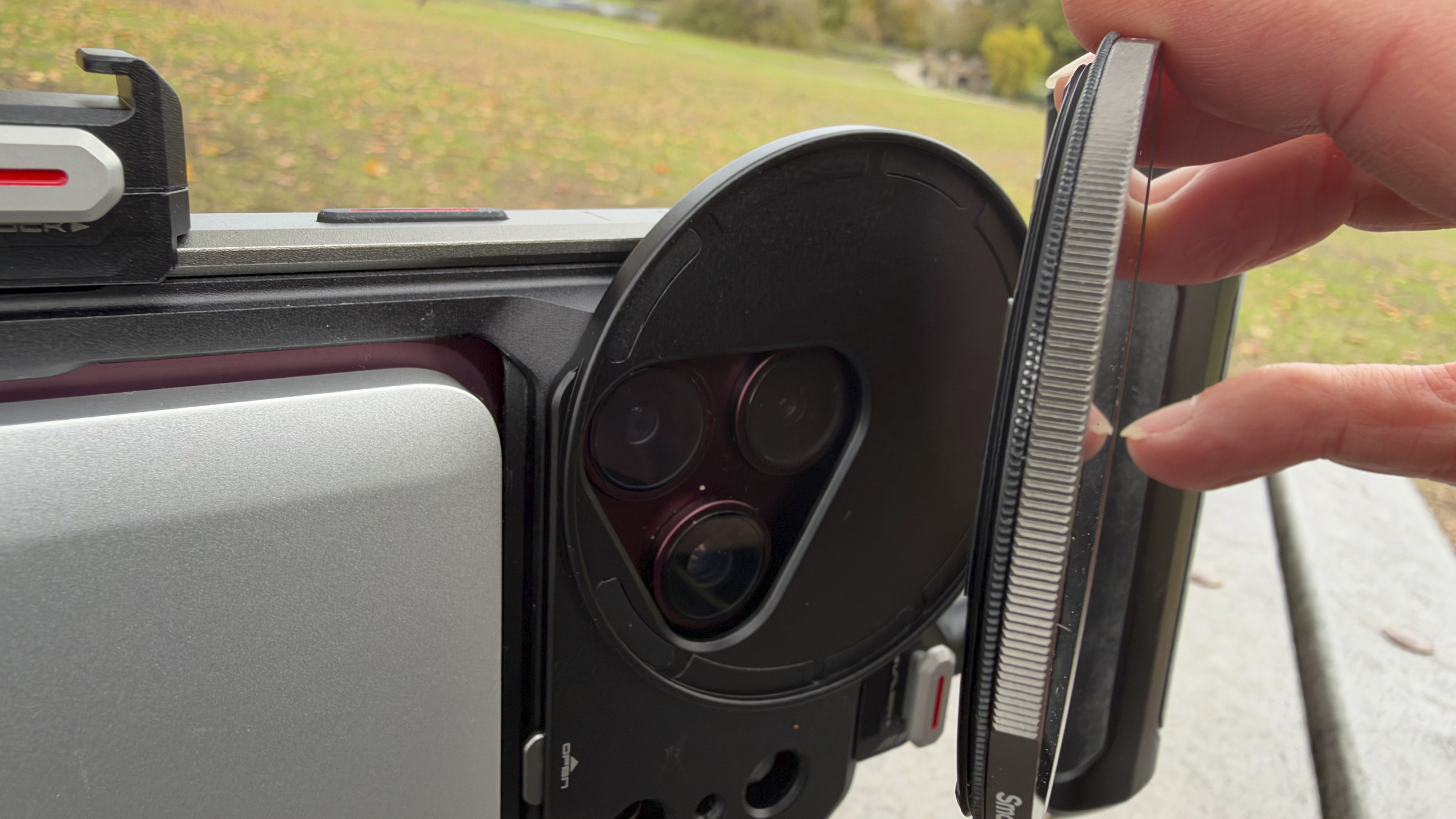
The VND Creator Kit variant includes a magnetic metal backplate that snaps securely over the three rear camera lenses of the iPhone 18 Pro Max. This plate accommodates a variable neutral density (VND) filter, providing a 6- to 9-stop reduction in light transmission. This allows videographers to maintain optimal shutter speeds—typically double the frame rate—under bright daylight conditions while keeping the lens aperture fixed.
While the magnetic attachment system makes swapping or removing the filter effortless, practical application revealed minor ergonomic friction. The outer diameter of the filter sits in close proximity to the left support handle, occasionally making fine manual rotations slightly cumbersome.
Beyond standard video production, the rig’s cold shoe mounts accommodate compact LED panels, such as Godox smartphone flashes, transforming the assembly into an effective portrait photography platform. The increased physical footprint also alters the operator’s presence in public spaces, projecting an image of professional authority that can streamline interactions with subjects and talent. Furthermore, standard 1/4-inch threaded mounts on the base of the frame permit instant mounting to mini tripods, such as the Manfrotto PIXI, or full-sized video tripods for static interview setups.
Market Position and Competitive Implications
Priced at $199 (£180) for the comprehensive VND Creator Kit—or approximately $140 (£127) for the stripped-down Standard Kit without the neutral density filter—SmallRig positions this product as a cost-effective alternative to dedicated cinema rigs. For professionals who have already invested heavily in a flagship smartphone, the expenditure represents a modest percentage of their total hardware budget in exchange for significantly expanded utility.
Competitive analysis highlights alternative solutions such as the Røde Phone Cage, which utilizes magnetic MagSafe attachment and offers broader clearance for peripheral audio receivers, though typically requiring separate purchases for handles and advanced control grips. Meanwhile, universal options like the SmallRig All-In-One Kit cater to cross-platform users utilizing both Android and Apple devices, albeit without the dedicated software-integrated remote controls found on the iPhone-specific model.
Ultimately, the SmallRig iPhone 18 Pro Max VND Creator Kit successfully addresses the physical limitations of mobile filmmaking. By combining robust aluminum construction, flexible modular rails, and tactile remote telemetry, the system bridges the divide between consumer telecommunications technology and professional broadcast standards, establishing a solid benchmark for future smartphone rigging accessories.