










Modern professional environments demand a specific intersection of durability, utility, and portability. For workers in industrial settings—such as factory floors, pipe-fitting facilities, and machine maintenance shops—the tools carried daily are not merely accessories but essential components of operational efficiency. Recent submissions from professionals in these sectors highlight a growing trend toward "Everyday Carry" (EDC) systems that prioritize mechanical reliability, modularity, and the ability to pivot between professional tasks and personal responsibilities, such as parenting.
The Industrial EDC Landscape
In the manufacturing sector, where workers interact constantly with synthetic materials, plastics, and industrial piping, the equipment required for daily maintenance and troubleshooting must meet rigorous standards. The shift toward compact, high-performance tools allows workers to maintain a "low-profile" kit that does not hinder movement or safety protocols while remaining instantly accessible.
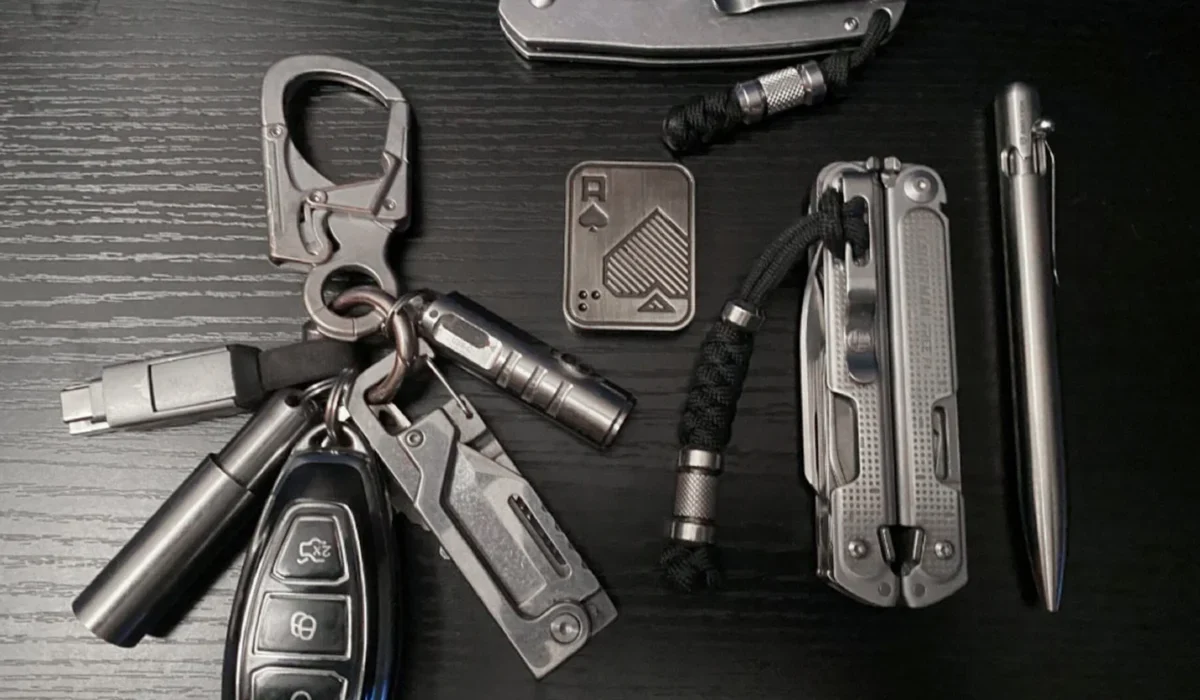
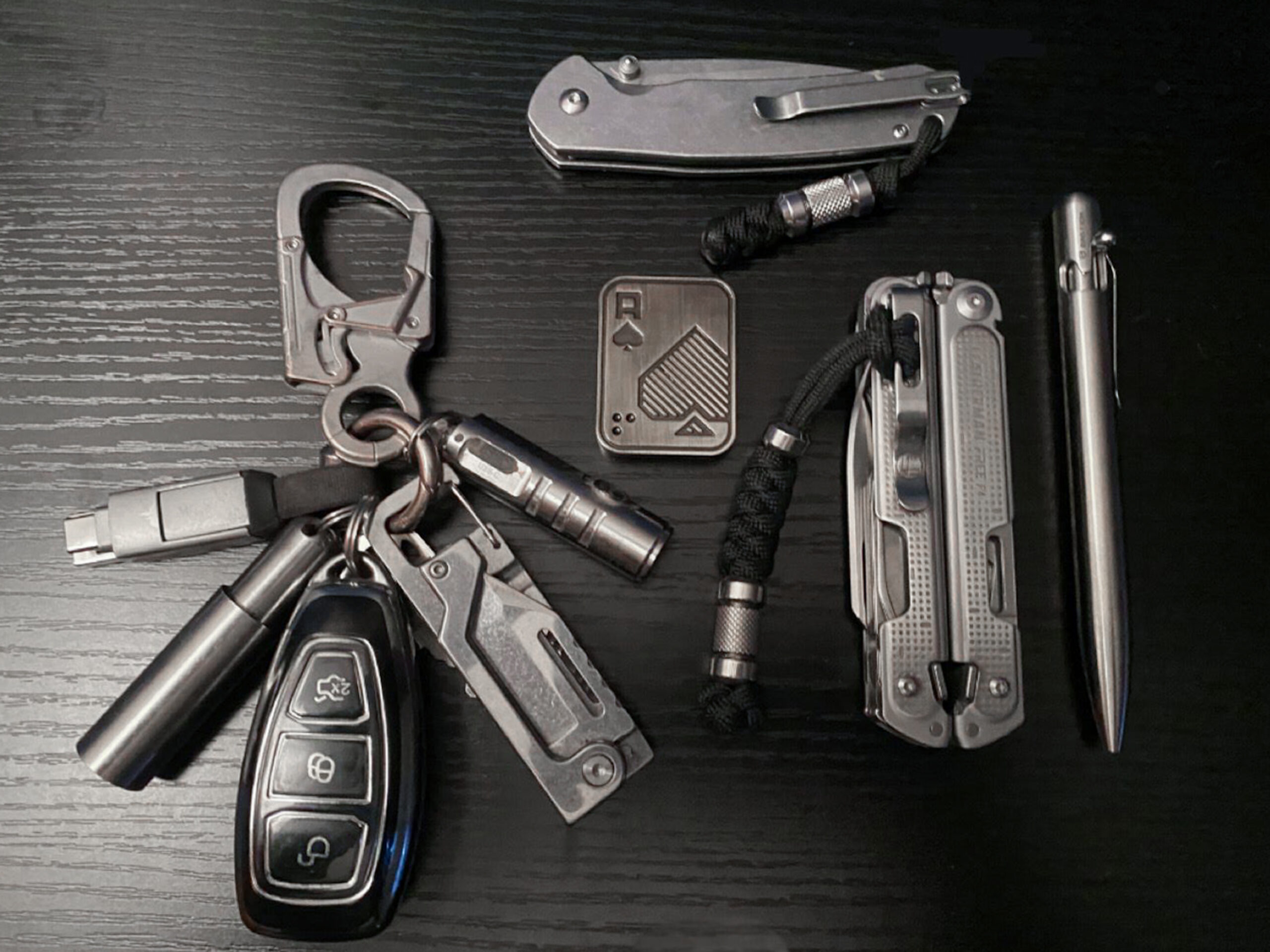
The standard industrial kit typically includes a high-carbon steel cutting implement, a versatile multi-tool for mechanical adjustments, and a compact light source. When these tools are integrated into a cohesive system—often utilizing paracord for improved grip or retrieval and keychain-based organizational hacks—they form an ecosystem of readiness. This evolution in personal utility reflects a broader trend in the professional world where the lines between technical maintenance and daily life have become increasingly fluid.
Chronology of Modern Tool Evolution
The history of the modern multi-tool can be traced back to the late 19th century, but the refinement of these devices for the average industrial worker reached a peak in the early 2000s.
- 1980s–1990s: The mainstream adoption of the folding multi-tool, spearheaded by companies like Leatherman, fundamentally changed the way maintenance tasks were approached. The ability to carry a pair of pliers, a wire cutter, and a blade in a single pocket-sized unit eliminated the need for a bulky tool belt in non-critical situations.
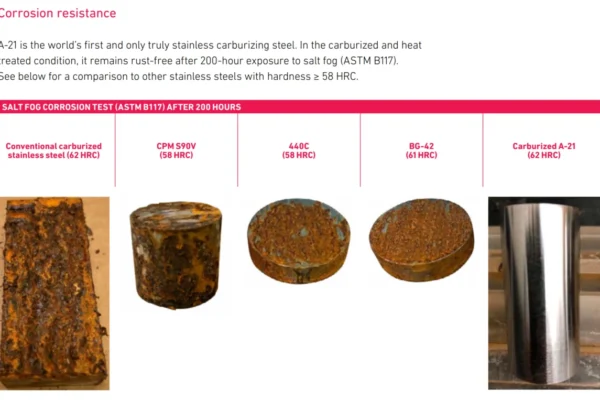
- 2010s: The rise of the EDC movement, fueled by internet communities and forums, shifted the focus toward material science. Titanium, carbon fiber, and high-performance steels like CPM-S35VN became common in everyday tools, providing better edge retention and corrosion resistance for harsh industrial environments.
- 2020s–Present: The contemporary focus has moved toward modularity. The integration of "non-traditional" items—such as portable charging cables, compact scent atomizers for hygiene, and micro-lighting solutions—into a keychain-based system demonstrates a move toward "all-encompassing readiness."
Empirical Analysis of Component Utility
When analyzing the tools frequently cited by professionals in industrial trades, specific criteria emerge that dictate why certain brands and models maintain high utility.
Cutting Implements: Professionals working with plastics and pipes require a blade with high wear resistance. Folders like the CJRB Pyrite have gained traction due to their ergonomic locking mechanisms and reliable steel composition, which allows for consistent performance without frequent sharpening cycles.
Multi-Tools: The Leatherman FREE series represents a shift toward one-handed operability. In a factory setting, the ability to deploy pliers or a screwdriver with one hand while holding a pipe or component with the other is a significant safety and efficiency upgrade. According to workplace ergonomics studies, tools that reduce the need for bimanual manipulation significantly lower the risk of repetitive strain injuries and accidents in tight workspaces.
Illumination: The RovyVon A4 is a prime example of the "high-output, low-mass" philosophy. With modern LED technology, these devices can output over 500 lumens from a housing the size of a key fob. For a factory worker inspecting dark machinery or tight pipe connections, this level of illumination is critical for identifying hairline cracks or blockages that would be invisible under standard overhead factory lighting.
The "Girl Dad" Phenomenon and EDC Integration
A notable sociological trend within the EDC community is the integration of "parental readiness" into the professional tool kit. For working fathers, the industrial EDC kit is increasingly expected to serve dual purposes. The inclusion of hygiene-related items, such as the Mordeco Nanosprayer, indicates that professionals are bridging the gap between the grit of the machine shop and the expectations of social or family life.
This phenomenon suggests that personal identity is no longer segmented by physical location. The "factory worker" and the "parent" are represented by the same set of tools, emphasizing a desire for efficiency that carries over from the shop floor to the home. The use of a keychain as an "underrated platform" for these tools serves as an organizational strategy to keep these disparate items together without cluttering the pockets of work trousers.
Broader Economic and Safety Implications
The implications of a well-curated EDC kit extend beyond individual convenience; they reach into the realm of workplace productivity and safety.

- Operational Readiness: Workers who are self-reliant in terms of tools are statistically more likely to perform "first-line" maintenance, potentially preventing larger mechanical failures that could result in costly downtime.
- Safety Protocols: While personal tools must adhere to strict company safety policies—particularly in environments with high electrical conductivity or explosive hazards—the presence of quality tools ensures that workers are not using makeshift objects (such as screwdrivers as pry bars or pocket knives as wire cutters) that could lead to injury.
- Employee Satisfaction: There is a correlation between the tools provided by an employer and those chosen by the individual. When employees take pride in their kit, it often translates to a higher standard of care for the machinery they operate.
Regulatory and Safety Considerations
It is critical to note that in many industrial environments, the use of personal tools is subject to strict oversight. OSHA (Occupational Safety and Health Administration) and equivalent international bodies emphasize the importance of using tools that are "fit for purpose."
While an individual might favor a specific knife or multi-tool, the employer retains the responsibility for ensuring that any tool used in the facility meets the necessary safety standards for that specific trade. As manufacturers continue to push the boundaries of what a "pocket tool" can do, the gap between consumer-grade gear and industrial-grade equipment is narrowing, leading to a safer, more capable workforce.
Conclusion
The evolution of the industrial everyday carry kit reflects a broader professional philosophy: that the right tools, curated with intention and maintained with care, significantly enhance the capability of the worker. Whether it is a factory worker navigating the complexities of pipe maintenance or a parent managing the unpredictable demands of daily life, the modern EDC system provides a foundation of preparedness. By blending high-performance materials with functional modularity, workers are creating solutions that are as resilient as the industries they support. As technology advances, the next generation of EDC will likely focus further on digital integration and even smaller form factors, ensuring that the worker of the future is as equipped as ever for the challenges ahead.