











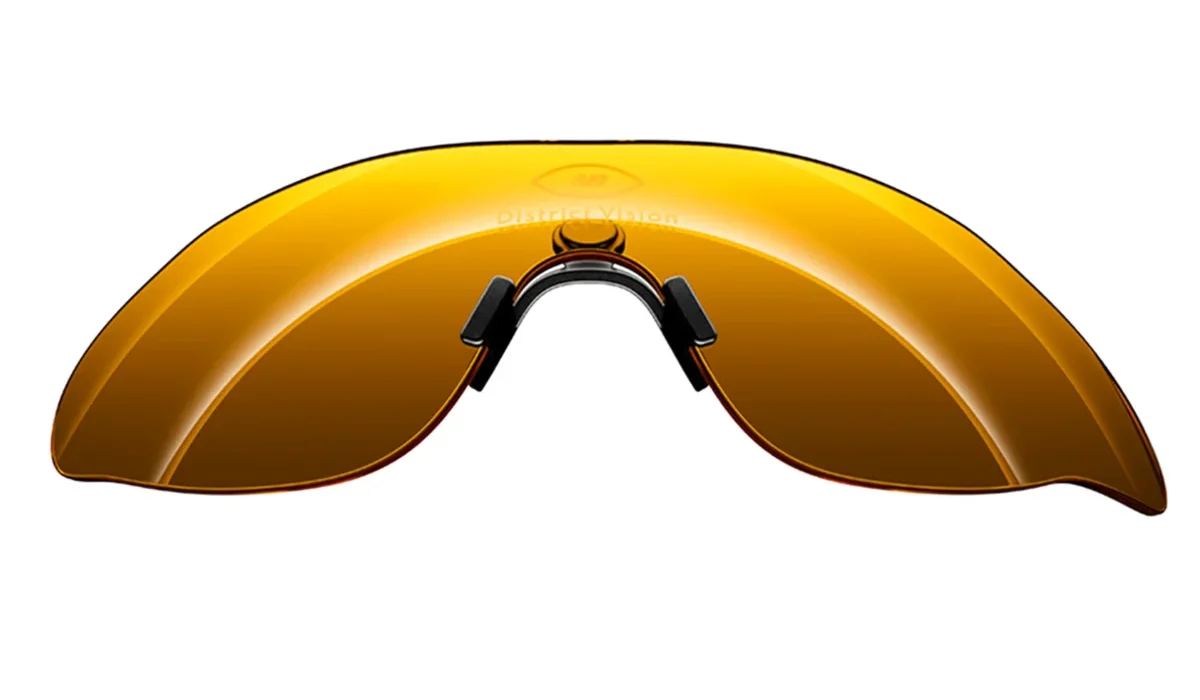
The evolution of athletic eyewear has long been defined by a constant trade-off between structural durability, optical clarity, and minimalist comfort. Traditional performance sunglasses, regardless of how advanced their polymer composition or titanium alloys might be, rely on a fundamental architectural framework: a continuous chassis, lateral temples that apply pressure above the ears, and a mechanical hinge system. For endurance athletes, runners, and cyclists, this physical architecture frequently introduces points of friction, uncomfortable pressure hotspots during extended training sessions, and unnecessary weight. Addressing these enduring ergonomic limitations, performance lifestyle brand District Vision and footwear and apparel giant New Balance have formally introduced a radical departure from conventional design methodology: a patent-pending, temple-free innovation known as the Magnetic Blade.
Unveiled as a conceptual leap forward in wearable athletic technology, the Magnetic Blade strips away the traditional components of sunglasses entirely. By eliminating both the frame and the temple arms, the collaboration achieves an unprecedented reduction in physical weight while completely eradicating temple-induced pressure. The design relies instead on a sophisticated biomechanical integration of advanced optics and kinesiology tape, challenging decades of established manufacturing standards within the optical industry.
Anatomy of Innovation: The Magnetic Blade Design
At the core of the Magnetic Blade project is a meticulous re-engineering of how athletic shields interact with the human face. The system utilizes high-grade, Japanese-made 6B D+ lenses. Known within the optical community for superior clarity, optical precision, and impact resistance, these lenses undergo a rigorous manual manufacturing process. Each piece is individually cut and hand-polished into a proprietary, highly aerodynamic silhouette tailored specifically for the unique geometry of the Magnetic Blade mounting system.
Unlike conventional eyewear that rests its weight primarily across the bridge of the nose and the tops of the ears, the Magnetic Blade redistributes structural support entirely through a novel magnetic interface. The lens is fitted with a specialized nose piece featuring integrated rare-earth magnets. This component pairs directly with a corresponding set of magnets embedded within a medical-grade strip of kinesiology tape. The tape itself is applied directly to the user’s nasal bridge, acting as a secure, skin-safe anchor point that holds the optical shield firmly in place without the need for mechanical arms or head straps.
This ingenious anchoring solution yields multiple functional benefits for high-output athletes. Beyond the drastic shedding of grams—which minimizes the kinetic bounce often associated with traditional heavy frames during a marathon or high-speed cycling descent—the elimination of temple arms removes the interference frequently experienced when wearing performance hats, visors, or technical audio equipment. Furthermore, the absence of sidearms broadens the athlete’s peripheral sensory awareness, an important safety metric in urban and competitive racing environments.
Background Context: The Convergence of Footwear and Vision
The partnership between District Vision and New Balance is rooted in a multi-year collaborative trajectory aimed at merging high-performance running culture with holistic wellness and technical apparel. Founded by Max Vallot and Tom Daly, District Vision has carved out a distinct niche in the endurance sports market since its inception, focusing heavily on mental health awareness in sports alongside technical sun protection. New Balance, meanwhile, has experienced a massive cultural and performance renaissance, cementing its status as an industry leader through advanced footwear engineering and strategic, design-forward partnerships.
The genesis of the Magnetic Blade project reflects a broader industry-wide push toward weight minimization and biometric integration. Over the past decade, running and cycling brands have heavily invested in research and development to reduce the encumbrance of gear. While apparel has shifted toward ultra-lightweight, moisture-wicking weaves, and footwear has embraced carbon-plated foam innovations, eyewear design had remained relatively stagnant, bound to traditional hinges and frames.
By pooling their respective expertise—District Vision’s deep understanding of technical optics and athlete-centric design, paired with New Balance’s vast infrastructure and high-performance heritage—the two brands have sought to break through this technological plateau. The development of the Magnetic Blade underscores a growing design philosophy in sports science: that the most effective gear is that which completely disappears from the user’s sensory awareness during competition.

Chronology of the Reveal and Public Debut
The path to the introduction of the Magnetic Blade has been characterized by careful, deliberate pacing, emphasizing experiential introduction over immediate commercial saturation.
Initial phases of the project involved quiet field-testing among select endurance athletes associated with both District Vision and New Balance’s global running rosters. Prototypes were evaluated in varied climates and training environments, ranging from humid long-distance road runs in urban centers to high-altitude trail sessions, allowing the engineering teams to refine the magnetic pull strength and the skin adhesive properties of the kinesiology tape interface.
Rather than launching the product through a conventional global commercial rollout or an immediate e-commerce drop, the companies opted for a curated, tactile introduction. As of the current announcement phase, a formal mass-market release date, pricing structure, and global distribution timeline have not yet been officially established by either brand.
Instead, the primary physical staging ground for the public debut is located on the East Coast. The Magnetic Blade is currently on public display at the temporary District Vision Winter Shop, situated at 321 Canal Street in New York City. This experiential retail space serves as a testing ground for consumers and design enthusiasts to examine the hardware up close, understand the mechanics of the magnetic bridge system, and gauge public reception to this unconventional form factor.
Broader Industry Impact and Market Implications
The introduction of the Magnetic Blade carries notable implications for the broader athletic optics market. While full-frame sunglasses and wrap-around shield glasses will undoubtedly remain dominant due to consumer familiarity and ease of use, innovations that push the boundaries of ergonomics often serve as a bellwether for future design trends.
From a manufacturing perspective, the reliance on manual processes—such as the hand-polishing of the 6B D+ Japanese lenses and the precise integration of miniature magnets into nose pieces—suggests that initial production runs will likely be limited, positioning the product within a premium, specialized tier of the market.
Moreover, the integration of kinesiology tape into the mounting system opens up intriguing possibilities for cross-disciplinary applications in sports medicine and wearable technology. Kinesiology tape has been utilized by physical therapists and athletes for decades to facilitate muscle movement, reduce pain, and provide structural support without restricting range of motion. By repurposing this medical consumable as a structural anchor for high-performance optics, District Vision and New Balance have bridged the gap between therapeutic athletic care and wearable hardware.
As the industry observes how consumers and elite runners react to the tactile and visual realities of a frameless, magnetically anchored shield, the success of the Magnetic Blade may well inspire a wave of similar minimalist engineering across the sportswear sector. For now, athletes and design aficionados interested in experiencing the future of facial ergonomics firsthand must look toward New York City’s Canal Street, where a small magnetic lens is quietly rewriting the rules of what performance eyewear can be.