










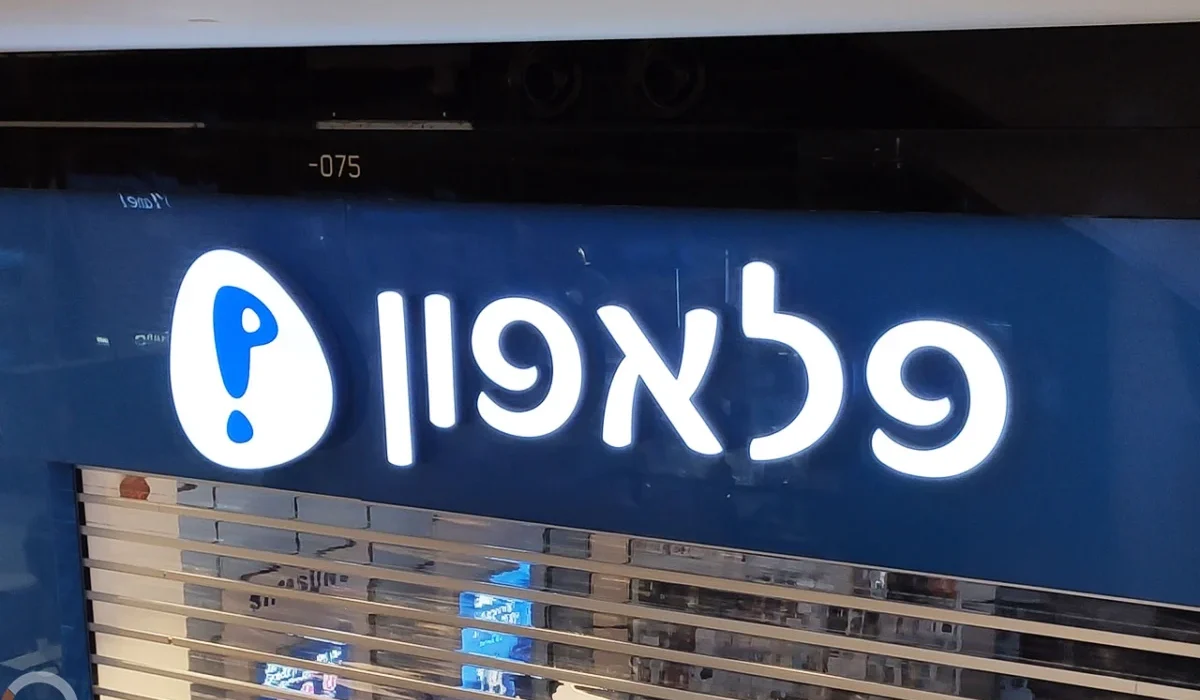
The Israeli telecommunications sector is undergoing a profound structural transformation, highlighted by Pelephone’s recent acquisition of a strategic stake in rival mobile operator WeCom Mobile. This high-profile transaction, involving a 265 million shekel valuation for the smaller carrier, marks a critical turning point for a competitive landscape that has long been characterized by fierce price wars, regulatory scrutiny, and margin compression among traditional network operators. As the Israeli market continues to adapt to technological shifts such as the nationwide rollout of 5G infrastructure and the rising demand for high-speed mobile data, this corporate realignment signals a potential shift from destructive price competition toward operational consolidation and strategic partnerships.
The transaction has drawn intense interest from industry analysts, consumer advocates, and regulatory bodies alike, who are closely monitoring how the partnership will influence market dynamics, pricing structures, and service quality for millions of Israeli consumers. With both Pelephone and WeCom navigating a complex economic environment shaped by shifting consumer habits and capital-intensive infrastructure investments, the deal represents more than just a financial investment; it is a calculated move to secure market positioning in an increasingly saturated and digitized telecommunications ecosystem.
Background and Context of the Israeli Mobile Market
To fully understand the significance of the Pelephone-WeCom agreement, one must examine the turbulent history of Israel’s cellular market over the past decade. Following sweeping regulatory reforms introduced by the Ministry of Communications in the early 2010s—spearheaded by former Minister Moshe Kahlon—the market was deliberately opened to new low-cost competitors. These reforms dismantled the oligopoly held by the traditional tier-one operators, driving monthly cellular bills down from over 150 shekels per subscriber to a fraction of that cost, often hovering around 30 to 40 shekels.
While these reforms delivered immediate, tangible savings to Israeli consumers—making local mobile communication among the cheapest in the developed world—they severely eroded the profitability of network operators. Companies like Pelephone, Partner Communications, and Cellcom faced immense financial pressure, struggling to generate sufficient revenues to fund the massive capital expenditures required to deploy advanced 4G LTE and, subsequently, 5G networks.
Smaller players and virtual network operators (MVNOs), including WeCom (formerly known as Golan Telecom under previous ownership iterations), entered the fray with aggressive pricing models. However, maintaining independent physical infrastructure while competing at rock-bottom price points proved unsustainable for many. Consequently, the market has seen a wave of mergers, acquisitions, and network-sharing agreements designed to pool resources, reduce operational overhead, and stabilize financial performance without entirely sacrificing consumer choice.
Chronology of Recent Telecommunications Consolidation
The path leading to the current partnership between Pelephone and WeCom is part of a broader consolidation trend that has reshaped the Israeli telecom sector over the past several years.
In early 2025, speculation mounted regarding potential structural changes as major operators sought avenues to optimize their operations. Previous merger and acquisition attempts—such as negotiations involving Hot Mobile and other network operators—laid the groundwork for closer regulatory and corporate scrutiny regarding market competition. Although antitrust authorities have historically guarded against excessive market concentration, the financial realities of maintaining capital-intensive infrastructure have forced regulators to adopt a more pragmatic approach to strategic partnerships and minority stakes.
WeCom’s positioning in the market has been particularly dynamic. Operating with a leaner infrastructure model and a smaller market share—estimated at approximately 3% of the subscriber base—WeCom has continuously sought strategic alliances to secure its long-term viability. Meanwhile, major players like Partner Communications reported resilient financial quarters, with average revenue per user (ARPU) stabilizing around 2.74 shekels in recent reporting periods, demonstrating that the large operators are actively finding ways to optimize their existing customer bases.
Financial Structure and Key Data of the Agreement
Under the terms of the newly finalized agreement, Pelephone’s investment values WeCom Mobile at approximately 265 million shekels. This valuation reflects a careful assessment of WeCom’s subscriber assets, operational contracts, and network-sharing arrangements.
Industry data highlights the stark contrast in scale among the market participants. WeCom maintains a modest footprint, capturing roughly 3% of the total subscriber market. In comparison, Pelephone boasts a significantly larger subscriber base, numbering approximately 2.7 million active connections, with roughly 1.6 million of those utilizing advanced 5G services. Partner Communications operates on a comparable scale, serving around 3 million subscribers, with a substantial portion migrated to high-speed data networks.
Despite the disparities in scale, smaller operators have maintained competitive pressure by offering aggressive promotional rates. Recent market data indicates that standard entry-level packages with unlimited calls and text messages, alongside generous data allowances, have fluctuated between 50 and 100 shekels per month depending on the provider and promotional period. However, as infrastructure maintenance costs rise—particularly with the ongoing nationwide expansion of 5G base stations—the ability of standalone, low-margin operators to independently fund future technological upgrades has diminished significantly.
Strategic Implications and Market Analysis
Financial analysts and telecommunications experts view the Pelephone-WeCom deal through the lens of strategic necessity. For Pelephone, acquiring a stake in WeCom provides an additional lever to influence market stability, capture secondary market segments, and optimize network utilization. By integrating operational insights and potentially streamlining back-office or network-sharing costs, both companies can achieve greater efficiencies.
For WeCom, aligning with an established powerhouse like Pelephone offers a vital financial cushion and technical backing. Operating as a standalone entity in a capital-heavy industry entails substantial financial exposure, particularly when competing against integrated media and telecom conglomerates. The partnership ensures that WeCom can continue to offer competitive consumer pricing while benefiting from the robust infrastructure and financial backing of a tier-one parent network.
However, this consolidation has not occurred without raising questions among consumer advocacy groups. Critics frequently voice concerns that reduced independent competition could eventually lead to creeping price increases for end-users, reversing the historic savings achieved by the 2012 regulatory reforms. Antitrust regulators are expected to maintain strict oversight to ensure that the partnership does not compromise fair market competition or create anti-competitive bottlenecks in network access.
Broader Outlook for Israel’s Telecom Sector
Looking ahead, the Israeli telecommunications market is expected to focus heavily on advanced technologies, including the expansion of fiber-optic fixed-line networks, the integration of artificial intelligence in customer service operations, and the densification of 5G infrastructure to support Internet of Things (IoT) applications and smart-city initiatives.
The partnership between Pelephone and WeCom serves as a bellwether for the industry. It demonstrates that raw, unbridled price competition is gradually giving way to strategic cooperation and financial stabilization. As companies balance the high costs of technological innovation with consumer expectations for affordable connectivity, further corporate realignments cannot be ruled out.
Ultimately, the success of this strategic alliance will be measured by its ability to foster a sustainable economic model for the operators while maintaining high standards of service, network reliability, and fair pricing for the Israeli public. As regulatory bodies continue to monitor the implementation of the agreement, the local telecom sector stands at the threshold of a new, more mature era of digital connectivity and corporate stewardship.