










A Strategic Reset in Modena
The upcoming reveal, scheduled at the company’s headquarters in the heart of Italy’s "Motor Valley," is widely regarded by industry analysts as a critical move to stabilize the brand’s market position. Recent reports from The Supercar Blog, corroborated by ongoing discussions among Stellantis and Maserati leadership, suggest that these concepts will do more than preview future models; they will establish a cohesive design language intended to unify the brand’s identity for the remainder of the decade.
For Maserati, this event comes at a defining moment. Following a period of production rationalization that saw the discontinuation of the Ghibli and the previous-generation Levante and Quattroporte, the company is under pressure to prove that its high-performance DNA can successfully transition into a new era of automotive engineering.
The Evolution of the Levante: Reclaiming the E-Segment
The Levante, which first entered the market in 2016, was Maserati’s long-awaited entry into the high-performance SUV segment. While it initially generated significant interest, the model faced stiff competition from established titans such as the Porsche Cayenne, the BMW X5, and the Mercedes-Benz GLE. By the time production ceased in 2024, the Levante had become a testament to both the brand’s potential and the challenges of sustaining relevance in the luxury utility space.
Maserati CEO Santo Ficili has publicly acknowledged the intent to return to the E-segment SUV category. However, industry insiders suggest that a direct, iterative replacement is unlikely. Instead, the concept expected on December 10 is likely to incorporate advanced aerodynamic features and a powertrain architecture that reflects the broader electrification goals of the Stellantis group. By focusing on a "clean-sheet" design, Maserati aims to shed the baggage of its previous SUV sales performance and leverage the brand’s racing heritage to create a vehicle that offers a distinct alternative to the German-dominated SUV market.
The Radical Reinvention of the Quattroporte
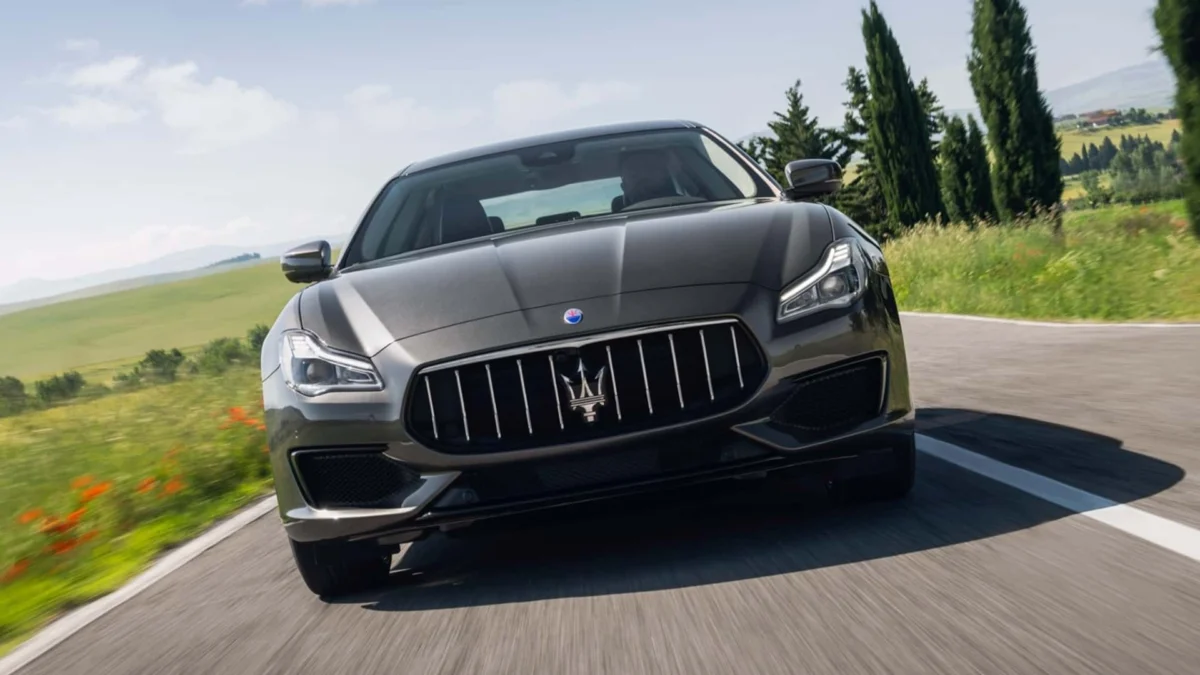
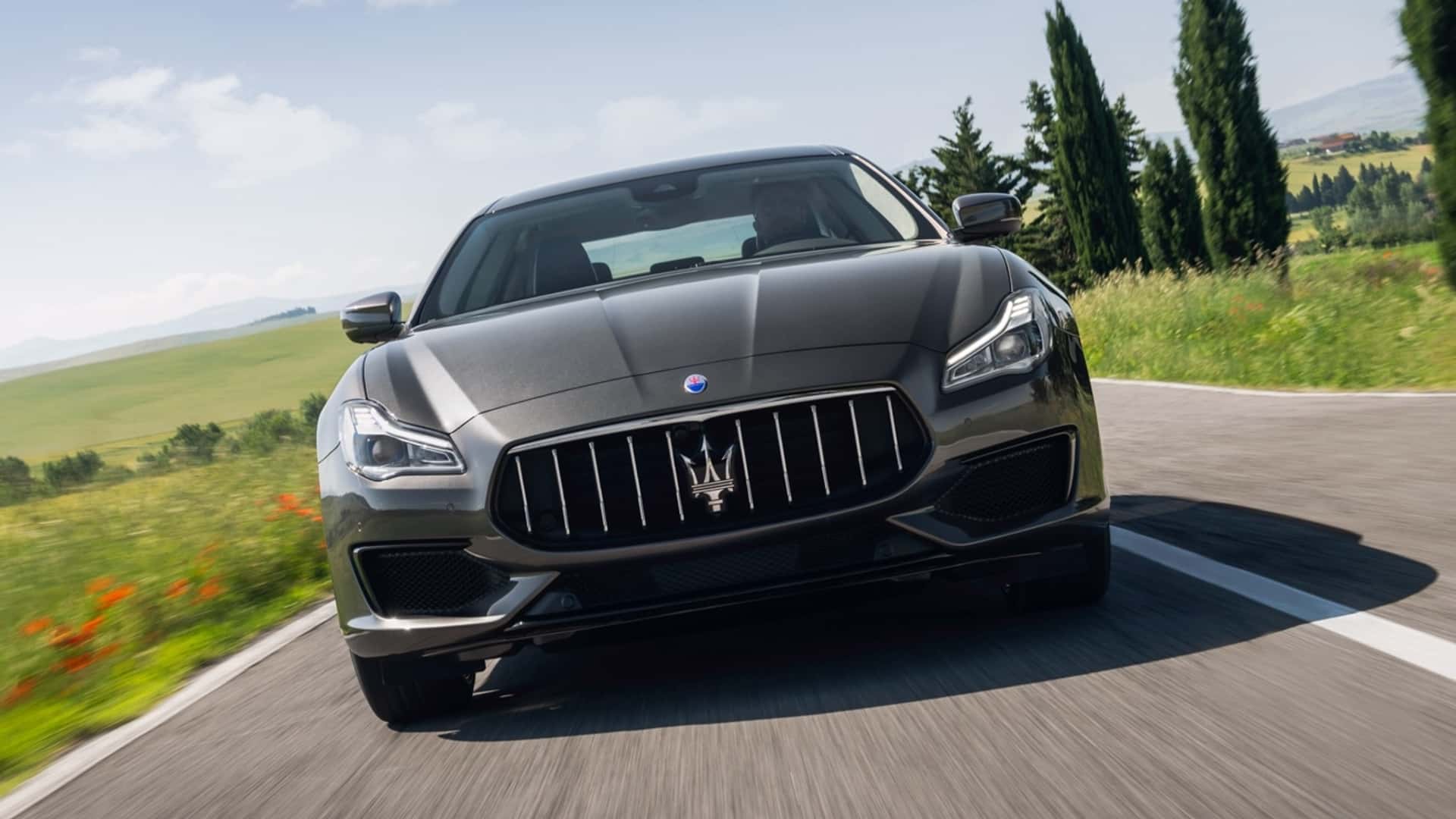
Perhaps the most significant development is the projected transformation of the Quattroporte. Historically, the Quattroporte has been the quintessential Italian luxury sedan—a vehicle defined by its long wheelbase, executive comfort, and high-output engine. However, the modern luxury landscape is moving away from traditional three-box sedan silhouettes in favor of more versatile, aerodynamic profiles.
Ficili has provided cryptic but telling insights into the future of the flagship, explicitly noting that the upcoming iteration "is not a sedan." This has fueled speculation that the next Quattroporte will adopt a "crossover-shooting brake" hybrid form factor. Described as a "very low, big car," this design philosophy suggests a move toward a high-performance, long-range grand tourer that prioritizes interior space and low-drag coefficients. By abandoning the traditional sedan shape, Maserati may be positioning the Quattroporte to compete in a niche segment of "lifestyle luxury" vehicles that blend the driving dynamics of a sports car with the utility of a premium wagon or crossover.
Chronology of a Brand in Transition
To understand the significance of this upcoming reveal, one must examine the recent timeline of Maserati’s product lifecycle:
- 2016: The Maserati Levante makes its global debut, representing the brand’s first foray into the luxury SUV market.
- 2021-2022: The company announces its "Folgore" electrification strategy, committing to an all-electric lineup by 2030.
- 2023: Production of the classic Quattroporte sedan concludes, signaling the end of an era for the brand’s long-standing luxury architecture.
- 2024: The Levante is phased out, leaving a significant void in the brand’s portfolio and prompting speculation about its successor.
- December 10, 2024: The scheduled unveiling of the two new concepts intended to bridge the gap between historical heritage and future-facing innovation.
Market Context and Economic Implications
The decision to pivot toward new vehicle formats is not merely an aesthetic choice but an economic necessity. Maserati, as part of the Stellantis portfolio, must balance the unique requirements of a heritage luxury brand with the economies of scale afforded by the larger conglomerate.
The luxury E-segment remains one of the most profitable sectors in the global automotive market. By re-entering this space with a high-tech, redesigned Levante and a reimagined Quattroporte, Maserati is attempting to capture the "aspirational buyer"—a demographic that prioritizes brand prestige, bespoke design, and cutting-edge technology. Analysis suggests that the failure to offer a compelling, modern alternative to the Porsche Cayenne or the Mercedes-Benz S-Class could alienate the brand’s core customer base, which is increasingly demanding high levels of digital integration and sustainable luxury.
Official Stances and Executive Vision
While specific technical details remain under wraps, the messaging from the top of the organization has been consistent. Stellantis leadership has made it clear that Maserati is not for sale and remains a critical asset in their premium brand hierarchy. The focus is now on "brand purity"—distinguishing Maserati from other Stellantis brands like Alfa Romeo or Lancia by emphasizing superior craftsmanship and exclusive, track-bred performance.
The upcoming concepts are expected to showcase modular platforms capable of supporting both internal combustion engines (ICE) and battery-electric (BEV) powertrains, a flexible approach that allows the company to adapt to regional market demands. This "multi-energy" strategy is seen as a prudent hedge against the varying rates of EV adoption across Europe, North America, and China.
Future Outlook: What Lies Ahead
The December 10 event serves as a bellwether for the brand’s health. If the designs are well-received, it could stabilize investor confidence and provide a clear roadmap for production models expected in 2026 and beyond. However, the transition will not be without risks. The luxury market is unforgiving, and the departure from the traditional Quattroporte sedan form factor is a bold gamble that could either alienate purists or attract a new generation of younger, tech-savvy luxury consumers.
Ultimately, the goal for the team in Modena is to harmonize the visceral, emotional appeal that has defined the Trident for over a century with the pragmatic, technological requirements of a modern automotive manufacturer. As the industry watches closely, the reveal of these two concepts will provide the first concrete evidence of whether Maserati’s vision for the future is as compelling as its storied past. Whether these models succeed or fail will likely dictate the trajectory of one of Italy’s most prestigious automotive houses for the next two decades.