








Apple is poised to redefine its presence in the domestic technology sector with the highly anticipated launch of the HomeView, a dedicated smart home hub that represents the company’s most significant hardware pivot in years. According to reports from Bloomberg’s Mark Gurman and corroborated by recent trademark filings, the device will take center stage at Apple’s "Welcome Home" event scheduled for October 13. This launch is not merely a product release; it is the cornerstone of a broader, more aggressive strategy to integrate the Apple ecosystem directly into the architecture of the modern living space.
The HomeView is designed to operate as a central command station, effectively separating the company’s smart home ambitions from its existing HomePod line of audio-centric smart speakers. By positioning the HomeView as a visual-first interface, Apple is signaling a departure from the purely acoustic interactions that have characterized its smart home strategy since the introduction of the original HomePod in 2018.
Design Philosophy and Hardware Specifications
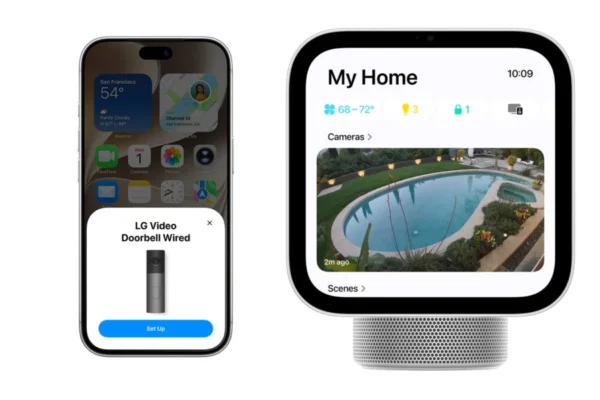
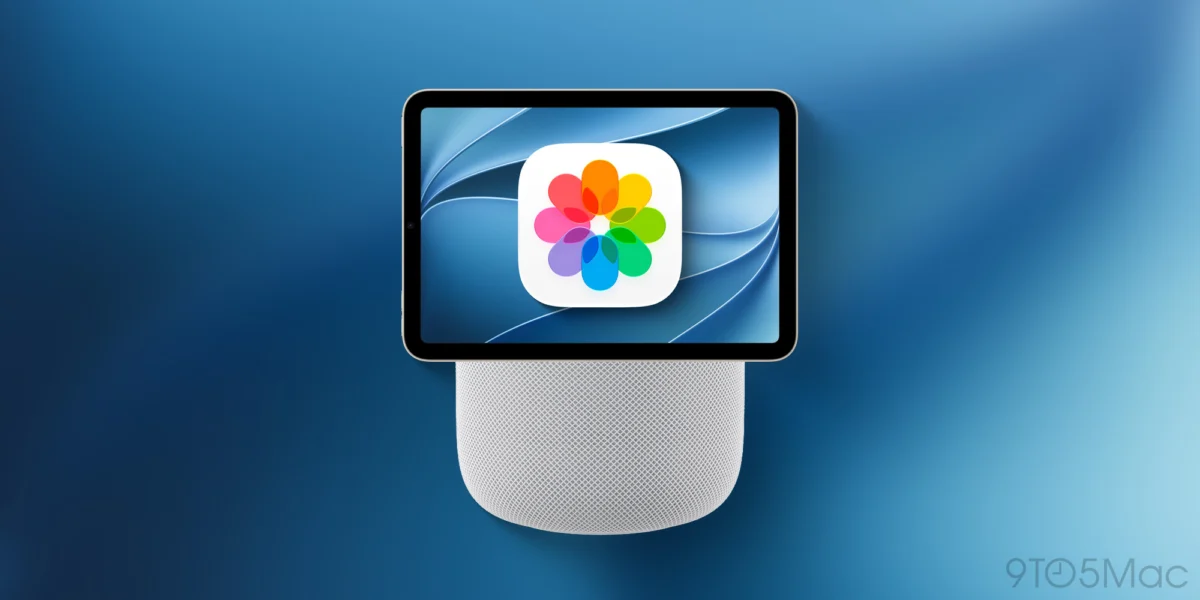
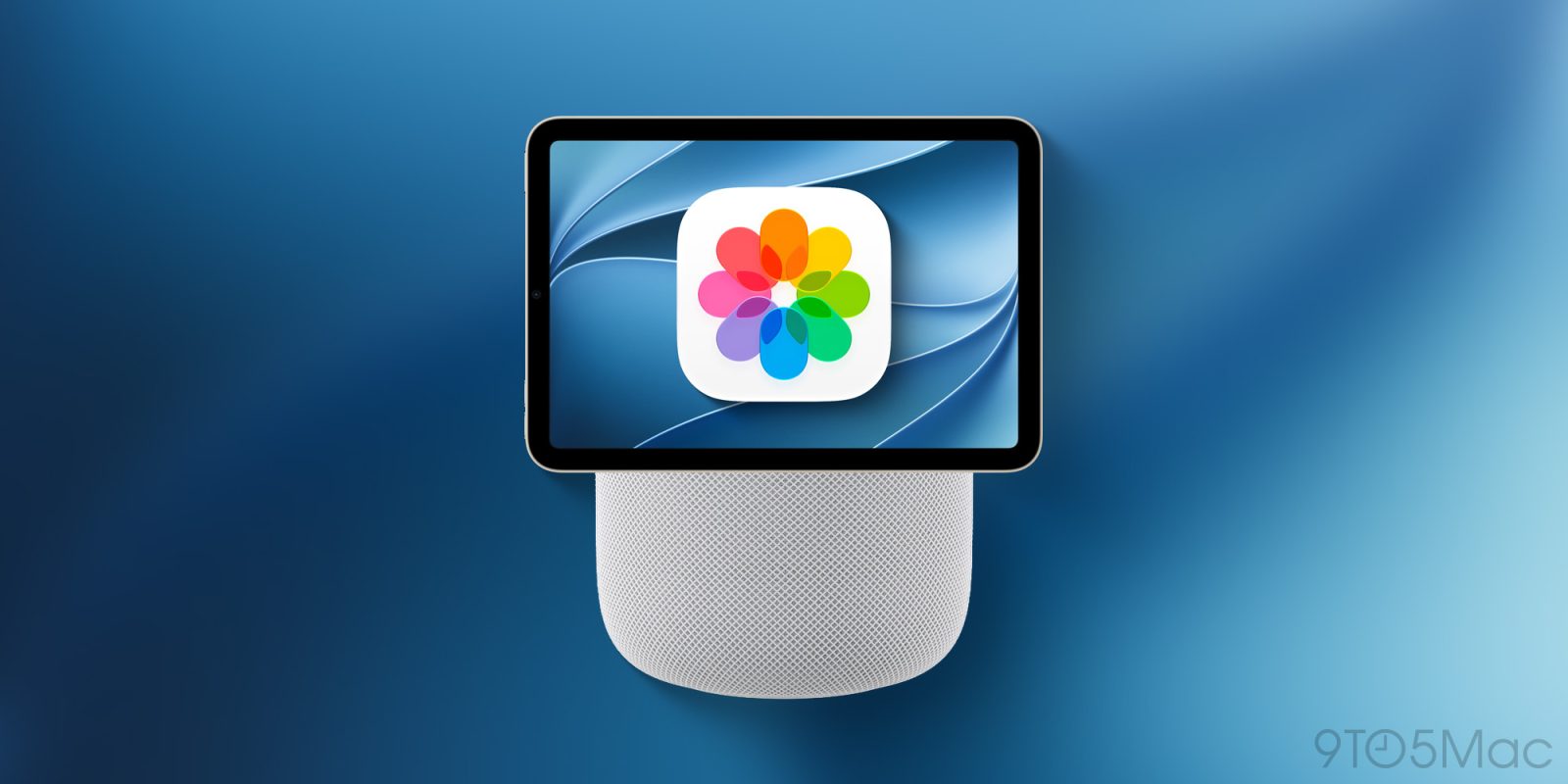
The industrial design of the primary HomeView unit draws heavy inspiration from the iconic iMac G4, featuring a distinct "floating" display mounted atop a robust speaker base. This aesthetic choice suggests that Apple intends for the device to serve as a functional centerpiece in communal areas such as kitchens or living rooms. Internally, the device will be powered by the A18 chipset, a move that provides the necessary computational overhead for advanced on-device processing and the seamless execution of the company’s latest AI-driven Siri interface.
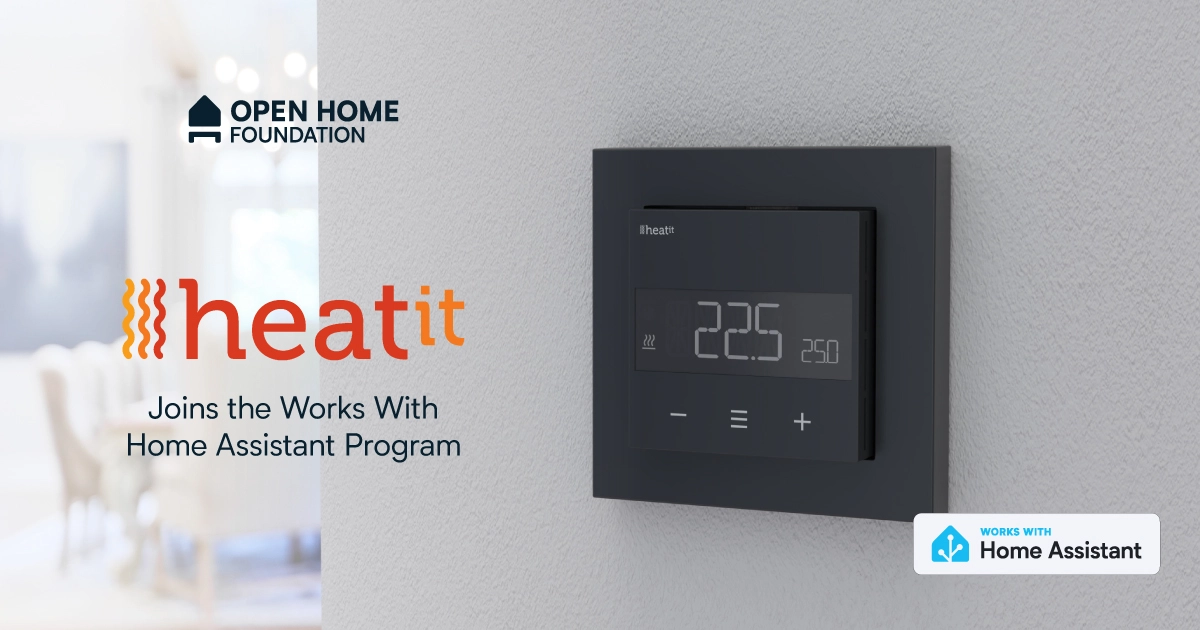
Beyond the flagship model, Apple is reportedly diversifying its reach with a secondary, wall-mountable iteration. While the base model will be available in a palette of four finishes—space gray, silver, starlight, and pink—the wall-mounted version will be restricted to more traditional, utilitarian tones of monochrome silver and space gray. This bifurcation indicates a two-pronged approach: the base model acts as an interactive appliance for tabletops, while the wall-mountable unit is positioned as a permanent, unobtrusive smart-home controller that replaces the traditional light switch or thermostat interface.
The Role of Siri and User Interaction
The user experience on the HomeView is predicated on a voice-first paradigm. Unlike the iPad, which serves as a general-purpose computing device, the HomeView is being built as a dedicated portal for the smart home. Sources indicate that the interface will rely heavily on the advanced capabilities of Siri AI, allowing users to control lighting, climate, and security from across a room.
Perhaps most notably, the HomeView will not feature a traditional App Store. This decision likely stems from a desire to maintain a focused, high-performance environment, minimizing potential latency and avoiding the clutter of third-party software that might compromise the device’s reliability as a home controller. Instead, Apple is expected to implement a system that allows for the projection of third-party app widgets from a user’s iPhone. This creates a "fluid" user experience where the HomeView acts as a visual extension of the smartphone, allowing users to glance at notifications or camera feeds without needing to physically hold their mobile devices.
Strategic Context and Industry Timing
The timing of this launch is critical. Over the last decade, the smart home market has become increasingly saturated with offerings from Amazon’s Echo Show and Google’s Nest Hub lines. While Apple has remained a player in the space through HomeKit and the HomePod, it has lacked a flagship "hub" that competes directly with the visual-interface devices offered by its primary rivals.
Apple’s entrance into the smart home display market coincides with a significant refresh of its wider portfolio. Alongside the HomeView, the company is preparing hardware updates for the Apple TV and the HomePod mini. This suggests a synchronized rollout aimed at capturing the "connected home" market share. Furthermore, the company has reportedly engaged in strategic partnerships with industry stalwarts like LG to develop a suite of compatible appliances. By collaborating with established manufacturers of thermostats, smart locks, and doorbells, Apple is attempting to bypass the fragmentation that has historically plagued the smart home industry, aiming for a "plug-and-play" compatibility standard that transcends its own hardware.
Chronology of Development
The path to the HomeView began years ago, but the project accelerated in intensity following the internal reorganization of Apple’s services and hardware teams.

- 2018: Apple launches the HomePod, focusing on high-fidelity audio rather than visual interaction.
- 2021-2023: Industry analysts note a decline in Apple’s market share in the smart home sector, as users increasingly favor visual interfaces for managing security and automation.
- 2024: Internal reports surface regarding a "tablet-like" device designed specifically for home wall mounting.
- October 2026: MacRumors identifies a trademark filing for "HomeView," triggering widespread industry speculation.
- October 13, 2026: The official unveiling at the "Welcome Home" event.
- Mid-November 2026: Anticipated commercial availability.
The gap between the October announcement and the mid-November release is consistent with Apple’s recent marketing strategy, which allows for a period of hype and pre-order accumulation before the devices hit store shelves. This approach also allows the company to ensure that the necessary firmware updates for the broader HomeKit ecosystem are stable before the hardware reaches consumers.
Market Implications and Future Outlook
The arrival of the HomeView could have profound implications for the broader Internet of Things (IoT) landscape. By mandating a high level of integration and leveraging the A18 chip’s machine learning capabilities, Apple is effectively setting a new bar for responsiveness and privacy in the smart home.
Financial analysts have noted that the smart home segment represents a massive, largely untapped revenue stream for Apple. While the iPhone remains the company’s primary profit engine, the HomeView provides a path to deepen the "stickiness" of the ecosystem. If a consumer’s home, climate control, and security systems are all anchored by an Apple-designed hub, the incentive to remain within the company’s hardware ecosystem increases exponentially.
Furthermore, the focus on "viewing" content—rather than active app management—suggests that Apple is positioning the HomeView as a low-friction interface. The device is meant to be a helpful assistant that is always ready, not a distraction. The lack of an App Store is a bold gamble; it reflects a conviction that consumers are tired of managing complex, resource-heavy apps on their smart home devices and are looking for a simplified, streamlined experience.
Challenges and Potential Hurdles
Despite the excitement, the success of the HomeView is not guaranteed. The smart home market is notoriously fragmented, and convincing consumers to invest in yet another display-based device in an era of smartphone ubiquity will require significant value-add. Additionally, the privacy concerns that frequently accompany in-home cameras and always-listening microphones will remain a point of focus for regulators and privacy advocates. Apple’s reputation for end-to-end encryption and on-device processing will be its primary defense, but the company will need to clearly articulate how the HomeView protects user data in a way that its competitors have struggled to do.

Moreover, the limitation of the device to Apple’s own ecosystem—even with the partnership with appliance makers—might be seen as a constraint. While users of Android or other platforms may admire the hardware, the HomeView will undoubtedly be a "walled garden" experience. Whether this strategy will be sufficient to unseat the dominance of established smart home providers remains the central question.
As the October 13 event approaches, industry observers are looking for clarity on pricing and specific geographic availability. If Apple can price the HomeView competitively while maintaining the premium build quality expected of its brand, it could catalyze a significant shift in how homes are automated globally. For now, the "Welcome Home" event stands as a pivotal moment, marking Apple’s transition from a peripheral participant in the smart home market to a potential leader in the domestic technology space. The HomeView is not just a screen or a speaker; it is a manifestation of Apple’s vision for the next decade of personal computing, where the home itself is the platform.