










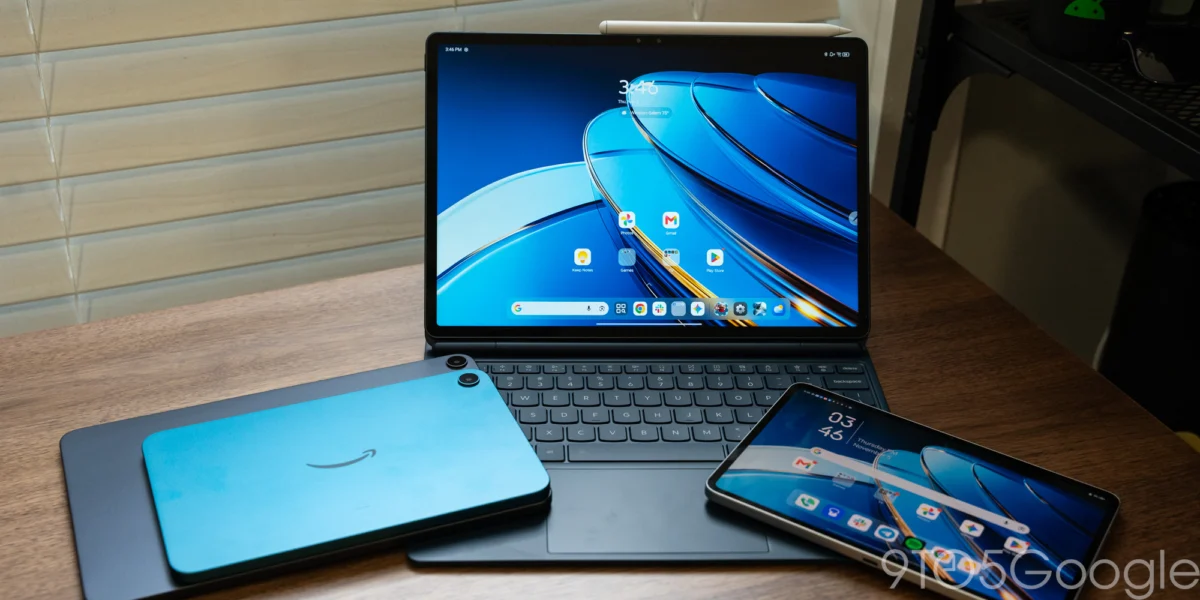
The Evolution of the Android Tablet Form Factor
The history of the Android tablet is a story of shifting priorities. In the early 2010s, devices like the Nexus 7 defined the market. These tablets were prized for their one-handed usability and portability, effectively bridging the gap between a smartphone and a laptop. They were ideal for reading, light web browsing, and casual media consumption.
As the decade progressed, however, the industry began to shift its focus toward productivity. Following the commercial success of the iPad Pro, Android manufacturers—including Samsung, Lenovo, and most recently, niche gaming brands like RedMagic—began prioritizing larger screens. The rationale was clear: if tablets were to replace laptops for students and professionals, they needed screen real estate for multitasking, split-screen applications, and sophisticated stylus input.
By 2024 and 2025, the "standard" tablet size had migrated from the 7-to-8-inch range toward 11, 12, and even 14 inches. While these displays offer undeniable benefits for creative professionals and power users, they have effectively abandoned the sub-10-inch form factor that once made Android tablets a ubiquitous consumer companion.
Market Data and Consumer Trends
Current market analysis from firms such as IDC and Counterpoint Research highlights a paradox. While total tablet shipments have stabilized following the post-pandemic slump, the growth is heavily concentrated in the premium, large-screen segment. Manufacturers have found that larger devices command higher price points and higher profit margins, incentivizing the production of "gargantuan" tablets.
According to industry data, the average display size for new Android tablet releases has increased by approximately 15% over the last four years. Conversely, the market share for tablets under 9 inches has dwindled to single digits. This contraction is not necessarily a reflection of lack of demand; rather, it is a reflection of supply-side limitations. Consumers seeking a compact tablet today have few high-quality options, often forced to choose between aging budget devices or premium foldable smartphones that attempt to serve a similar purpose.

The Shift Toward "Pro" Productivity
The push toward larger hardware is intrinsically linked to Google’s efforts to improve the Android tablet experience. With the introduction of Android 12L and subsequent iterations like Android 14 and 15, the operating system has been overhauled to handle larger canvases. Features such as taskbars, desktop-class browser modes, and enhanced window management were explicitly designed to make 12-inch+ devices feel like legitimate computer replacements.
Manufacturers have aligned their hardware roadmaps with these software updates. Lenovo, for instance, has integrated its "Freestyle" and "Precision Pen" ecosystems into larger slates to compete directly with Windows-based 2-in-1 devices. Samsung’s Galaxy Tab S series has similarly focused on the "Ultra" moniker, pushing screen sizes to levels that make portability a secondary consideration. This strategy effectively targets the creative professional who requires a digital canvas, but it leaves the casual user—who simply wants a device for reading in bed or watching videos on a plane—with an unwieldy piece of glass and metal.
Industry Perspectives and Design Philosophy
While specific company spokespeople rarely comment on the "size dilemma" publicly, design teams often cite "use-case versatility" as the driving force behind the trend. The logic is that a large tablet can do everything a small one can, but a small one cannot perform complex professional tasks. By producing larger devices, manufacturers believe they are future-proofing the user experience.
However, independent ergonomics experts have noted that the weight and center of gravity of 13-inch tablets pose significant challenges for long-term handheld use. The transition from a handheld device to a tabletop-reliant device changes the fundamental nature of the product. When a tablet requires a kickstand or a keyboard case to be used comfortably, it ceases to be a "tablet" in the traditional sense and becomes a laptop with a detachable screen.
The Missing Mid-Range and Compact Options
The void in the market for high-performance, compact tablets is notable. While companies like Amazon have dominated the budget, smaller-screen segment with their Fire Tablet line, these devices are heavily ecosystem-locked and often lack the processing power, display technology, and software fluidity of premium Android tablets.
For the user who demands a high-refresh-rate OLED screen, a flagship processor, and a premium build in an 8-inch chassis, the options are virtually non-existent. This creates a friction point for consumers who are comfortable with the Android ecosystem but feel forced into buying a larger device than they need, or moving to a different platform entirely.

Broader Implications for the Ecosystem
The long-term implication of this trend is a potential bifurcation of the market. We are moving toward a future where "tablets" are synonymous with "mobile workstations," and "smartphones" are synonymous with "personal computing." The middle ground—the portable, media-first tablet—is being squeezed out.
If this trend continues, manufacturers may find themselves in a saturated "Pro" market, fighting for a relatively small pool of power users, while ignoring the massive consumer base that values portability. A return to form-factor diversity could be a significant differentiator for brands willing to buck the trend. There remains an untapped demand for "Ultra-portable" flagship devices—tablets that offer the same silicon performance as their larger counterparts but within a chassis that fits into a standard personal bag or jacket pocket.
Conclusion: A Need for Balance
The resurgence of the Android tablet has been a success for the ecosystem, proving that with the right software, the platform can be a viable competitor to the iPad. However, the current strategy of "bigger is better" is reaching a point of diminishing returns. As manufacturers look toward the next cycle of hardware development, the industry would be well-served to consider the value of the compact form factor.
A tablet’s primary advantage over a laptop has always been its intimacy—the ability to hold the screen in one’s hands without a barrier of keyboards or stands. By ignoring this, the industry risks losing the very essence of what made the tablet category compelling in the first place. Whether we see a return to 8-inch flagship devices depends on whether manufacturers view their tablets as replacements for computers or as essential companions to our digital lives. For the consumer, the choice is clear: we need more than just size; we need options that fit our lifestyle, not just our desks. As the market continues to mature, the brands that recognize the value of both the "gargantuan" and the "compact" will likely be the ones to secure long-term loyalty in an increasingly crowded mobile landscape.