








Photographic distortion has remained one of the most persistent technical challenges in the history of digital imaging, often forcing a compromise between compositional integrity and the geometric accuracy of the final output. From the "leaning" effect common in architectural photography to the unflattering stretching of subjects at the edges of wide-angle frames, these optical anomalies have historically required significant cropping or complex, time-consuming manual manipulation. The release of DxO ViewPoint 6 represents a significant shift in this landscape, leveraging sophisticated artificial intelligence to automate and refine the correction of complex geometric flaws.

The Evolution of Optical Correction
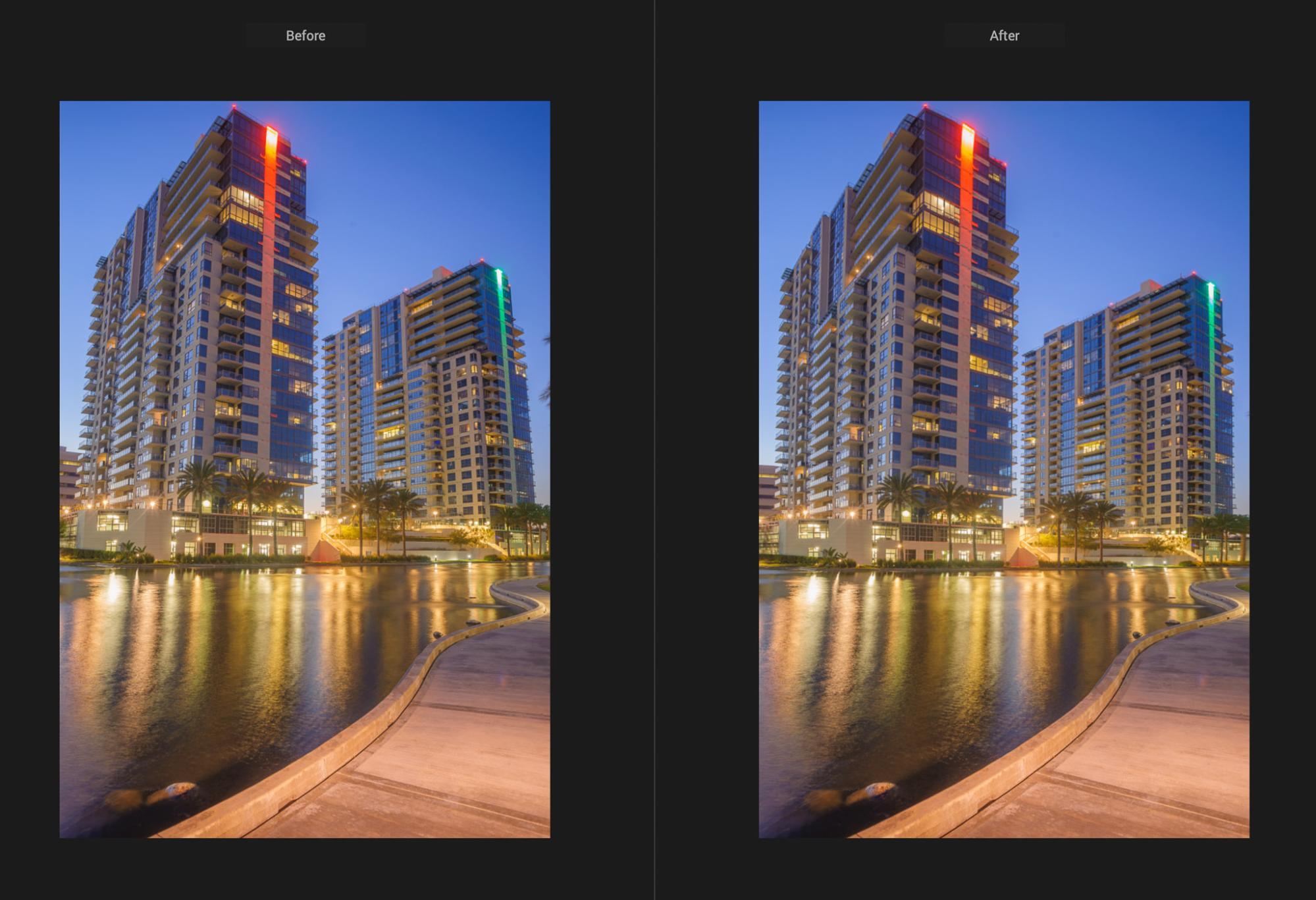
For decades, photographers relied on rudimentary lens profiles and basic perspective correction tools built into standard non-linear editing software. While these tools were sufficient for correcting simple barrel or pincushion distortion, they often fell short when faced with the complexities of wide-angle perspective shifts—particularly in environments where straight lines must align with human subjects.
The development of specialized software like DxO ViewPoint has historically filled the gap between general-purpose editors and professional-grade optical correction needs. Since its inception, the DxO ViewPoint series has focused on geometric precision. With the arrival of version 6, the company has transitioned toward an AI-centric model, moving away from purely manual geometric adjustments toward predictive, machine-learned correction algorithms. This transition mirrors a broader industry trend where software developers prioritize computational photography techniques to compensate for the physical limitations of high-speed, wide-aperture optics.

Technical Analysis of ReShape Fusion
At the core of the latest release is the proprietary "ReShape Fusion" technology, which utilizes AI-based masking to identify specific elements within an image frame. Unlike legacy tools that apply global adjustments to the entire canvas, this feature allows for localized, targeted correction.
In practical application, this solves a long-standing "boundary problem" in photography. Previously, correcting the perspective of a building at the center of a frame often caused the peripheral elements, such as foreground foliage or human figures, to appear distorted or stretched. By employing AI masks, the software distinguishes between the architectural subject and the surrounding environment, allowing the photographer to apply a corrective warp to the former while preserving the natural geometry of the latter.
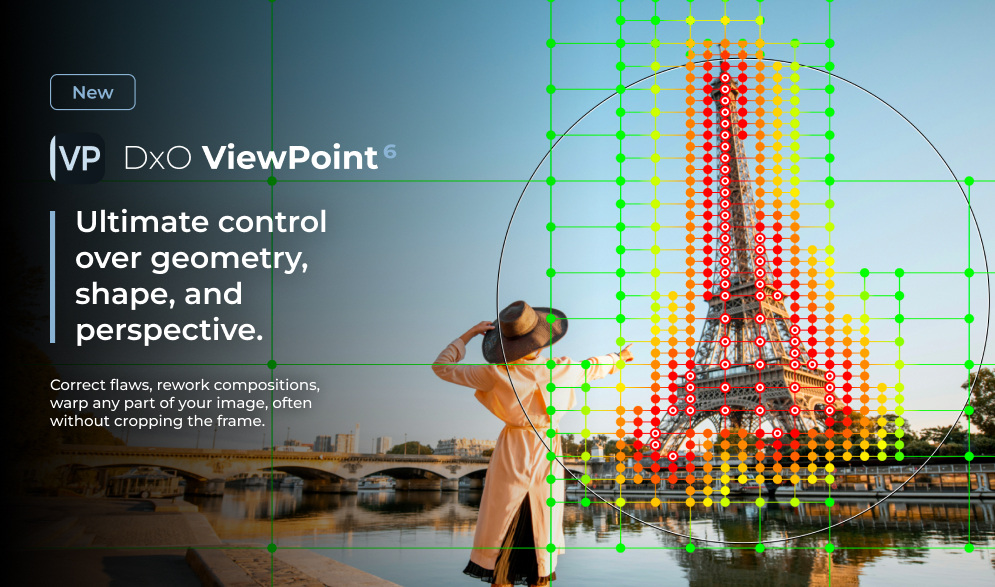
Data from beta testing environments suggests that this localized approach can reduce the need for aggressive cropping by up to 40% compared to traditional software, allowing photographers to retain the original resolution and field of view of their captures.
Chronology of the DxO Workflow Integration
The integration of DxO ViewPoint into the professional ecosystem has followed a distinct path. Originally designed as a standalone utility, the software was eventually refined to serve as a robust plugin for industry-standard suites, including Adobe Lightroom and the company’s own DxO PhotoLab.

- Initial Iterations: Focused primarily on manual keystone and perspective adjustment.
- Mid-Cycle Advancements: Introduced automatic horizon leveling and basic optical module support, which utilized the company’s vast library of lab-tested camera-lens combinations.
- The AI Era (Version 5-6): Transitioned toward intelligent object detection and automated volume deformation correction.
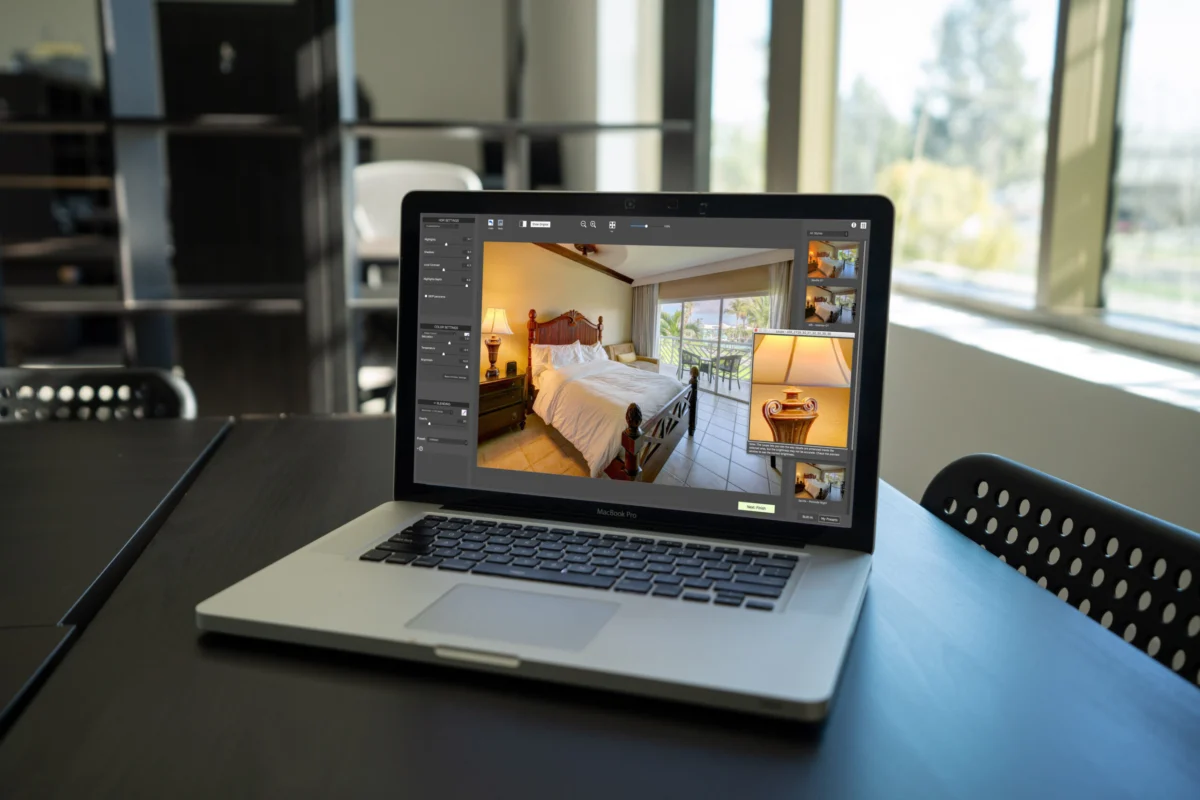
The current version, 6, supports raw file processing directly, a significant departure from previous requirements that mandated conversion to TIFF or JPEG formats before correction. This change maintains the integrity of the raw metadata, enabling a non-destructive workflow that is highly sought after by commercial and wedding photographers.
Addressing Wide-Angle Volume Deformation
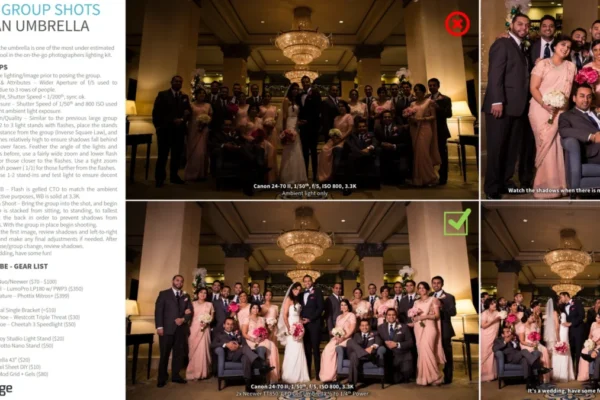
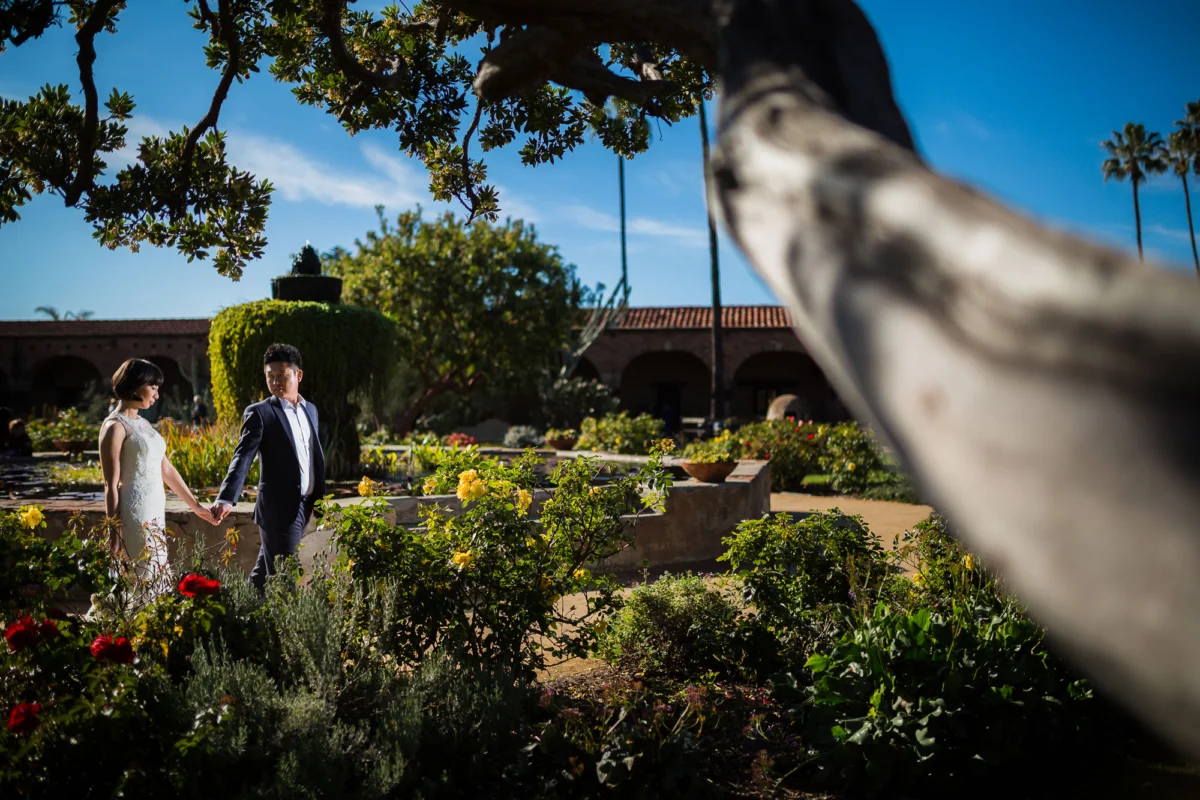
One of the most persistent issues in group portraiture is the "volume deformation" effect, where subjects positioned near the edges of a wide-angle frame appear physically elongated or disproportionately large. This phenomenon occurs because the projection of a three-dimensional scene onto a two-dimensional sensor at wide angles inherently creates lateral stretching.

DxO ViewPoint 6 addresses this by identifying human figures within the frame and applying a corrective mapping that restores natural proportions. For wedding and event photographers, this is a transformative capability, as it allows for the use of wide-angle lenses in cramped interior settings without the risk of distorting the subjects in the corners of the composition.
Broader Industry Implications and Performance
The efficiency of this software is notable, particularly regarding hardware requirements. Despite the heavy computational load associated with AI-driven masking, the software has been optimized to run on legacy hardware, including older Intel-based processors, without significant latency. This democratization of high-end image processing tools is critical for independent photographers who may not have access to the latest workstation-grade hardware.
From a business standpoint, the inclusion of a perpetual license model—where users pay a flat fee rather than subscribing to a service—positions DxO as a value-oriented alternative in an industry increasingly dominated by recurring subscription models. The current pricing structure, with new licenses retailing at $129.99 and upgrades at $84.99, reflects a strategy aimed at maintaining a loyal user base while providing a clear path for existing customers to update their toolkits.
Potential for Future Development
While the current feature set is comprehensive, professional feedback indicates areas for future growth. The "Force Parallel" tool, while effective, currently lacks a "locking" mechanism for specific anchor points. When a user forces two lines to become parallel, the software occasionally shifts the remaining geometry of the frame in an undesirable manner. Analysts suggest that the next logical step in the development of this tool is a more granular control system that allows users to pin specific areas of an image, preventing them from being affected by adjustments elsewhere in the frame.

Conclusion and Strategic Value
The release of DxO ViewPoint 6 serves as an indicator of where professional post-production is heading: toward smarter, context-aware tools that handle the "math" of photography, leaving the creative decision-making to the photographer. By automating the correction of complex geometric and perspective flaws, the software enables a more efficient workflow for architects, real estate agents, and event photographers.
As the industry continues to move toward higher resolution sensors and wider, more complex optics, the demand for sophisticated correction tools will likely increase. DxO has effectively carved out a niche by focusing on the optical science behind the image. For those who view their photography as a blend of artistic vision and technical precision, the capabilities offered by the AI-integrated tools in version 6 provide a compelling case for adoption, offering a significant reduction in manual labor and a measurable increase in the output quality of wide-angle imagery.

Whether one is managing a high-volume wedding photography business or producing precise architectural documentation, the ability to rectify optical distortion with such granular control represents a significant advancement in modern digital image processing. The software is currently available for download, with the developer offering a 30-day trial period to assess its efficacy against specific workflow requirements.