










Selecting the appropriate lens is perhaps the most critical technical decision a photographer makes, as the choice between prime and zoom optics dictates both the aesthetic quality of the images and the operational efficiency of the workflow. While camera bodies are often treated as consumable technology that cycles through frequent upgrades, lenses represent a long-term investment that retains value and defines the character of a photographer’s portfolio. Understanding the mechanical and optical distinctions between these two categories is essential for professionals and enthusiasts alike.
The Mechanical and Optical Divide
At the core of the debate is the distinction in focal length management. A prime lens features a fixed focal length, meaning the field of view is immutable. This construction allows for a simpler optical design with fewer internal elements. Because there are no moving parts required to adjust magnification, manufacturers can optimize these lenses for specific focal lengths, often resulting in superior image sharpness, reduced chromatic aberration, and significantly wider maximum apertures.

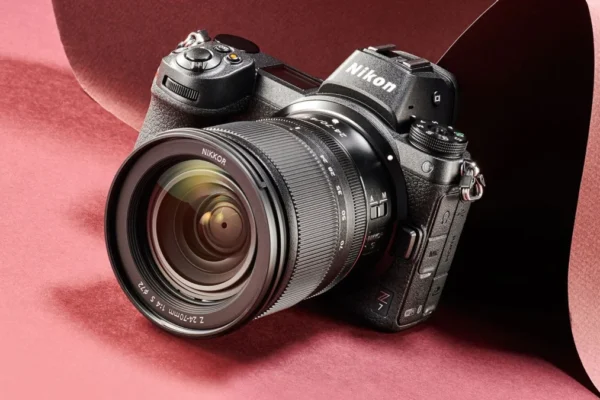
Conversely, a zoom lens utilizes a complex assembly of sliding optical elements that shift relative to one another, allowing the photographer to alter the focal length within a specific range. A standard zoom, such as the 24-70mm f/2.8, covers the spectrum from wide-angle to portrait focal lengths in a single barrel. While this offers unparalleled convenience, the mechanical complexity requires more glass, which generally increases the size, weight, and production cost of the lens.
Historical Context and Technological Evolution
The evolution of these two formats has been driven by the needs of photojournalism and commercial production. In the early 20th century, prime lenses were the standard due to the immense technical challenge of correcting for distortion and light fall-off in variable focal length designs. It was not until the mid-to-late 20th century, with the refinement of computer-aided optical design and high-refractive-index glass, that zoom lenses became professional-grade tools.
In the 1970s and 80s, the "holy trinity" of zoom lenses—typically comprising an ultra-wide, a standard, and a telephoto zoom, all maintaining a constant f/2.8 aperture—became the industry standard for wedding and event photographers. This shift allowed shooters to adapt to rapidly changing environments without the risks associated with changing lenses, such as exposing the digital sensor to dust or moisture, or missing a critical, fleeting moment.

Data-Driven Performance Metrics
When analyzing the performance of these lenses, data suggests a distinct trade-off between versatility and clinical excellence. For example, a 50mm f/1.4 prime lens can often be manufactured for a significantly lower price point than a professional-grade 24-70mm f/2.8 zoom. The prime lens, by virtue of its wider aperture, can gather up to two full stops more light than the zoom. In low-light scenarios, this difference allows the photographer to keep the ISO sensitivity lower, resulting in a higher signal-to-noise ratio and cleaner image files.
According to industry testing metrics, prime lenses consistently exhibit higher "acutance"—the perceived sharpness of edges—at their intended focal length compared to zooms. Furthermore, the bokeh, or the quality of the out-of-focus areas, is frequently more pleasing in prime lenses due to the design of the aperture blades and the lack of complex internal groups that can introduce "onion-ring" artifacts in the background highlights.
Operational Workflow and Field Implications
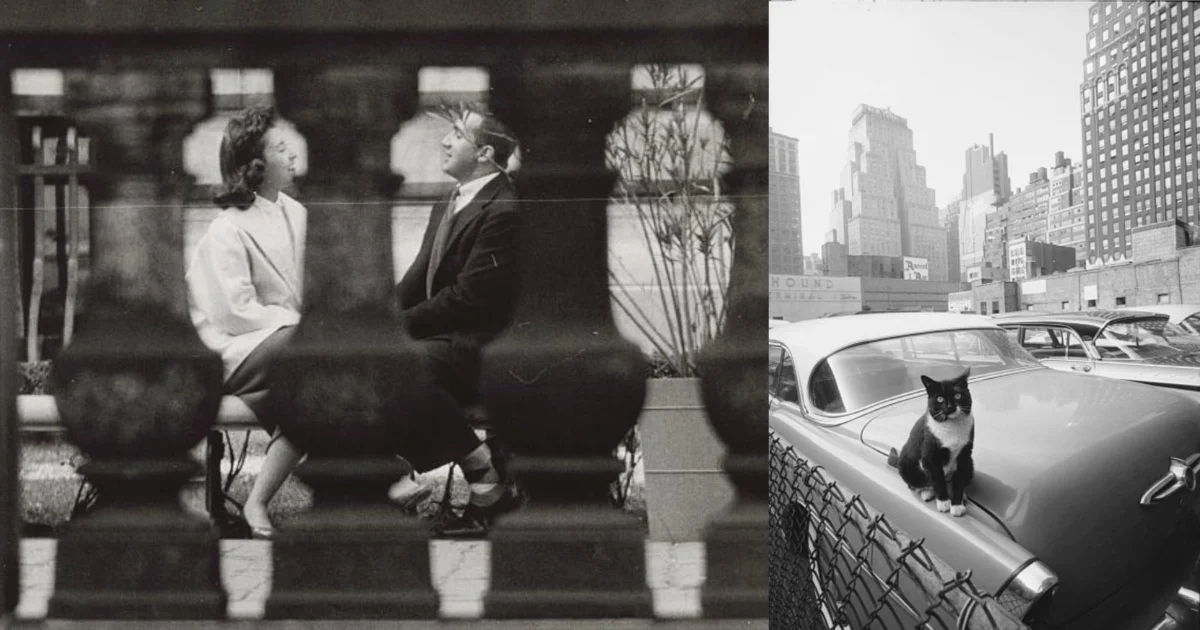
The decision between prime and zoom optics often forces a change in the photographer’s physical methodology. Using a prime lens necessitates "foot zooming," where the photographer must physically move to frame the shot. This requirement often results in a more deliberate and thoughtful approach to composition.

Field studies conducted by various professional photography guilds indicate that photographers who transition to a "prime-only" kit often report a higher success rate per shot. By removing the ability to simply rotate a zoom ring to solve a composition problem, the photographer is forced to analyze the scene, the subject’s position, and the perspective more critically. This workflow often leads to a higher artistic output, though it does increase the time required to navigate a scene.
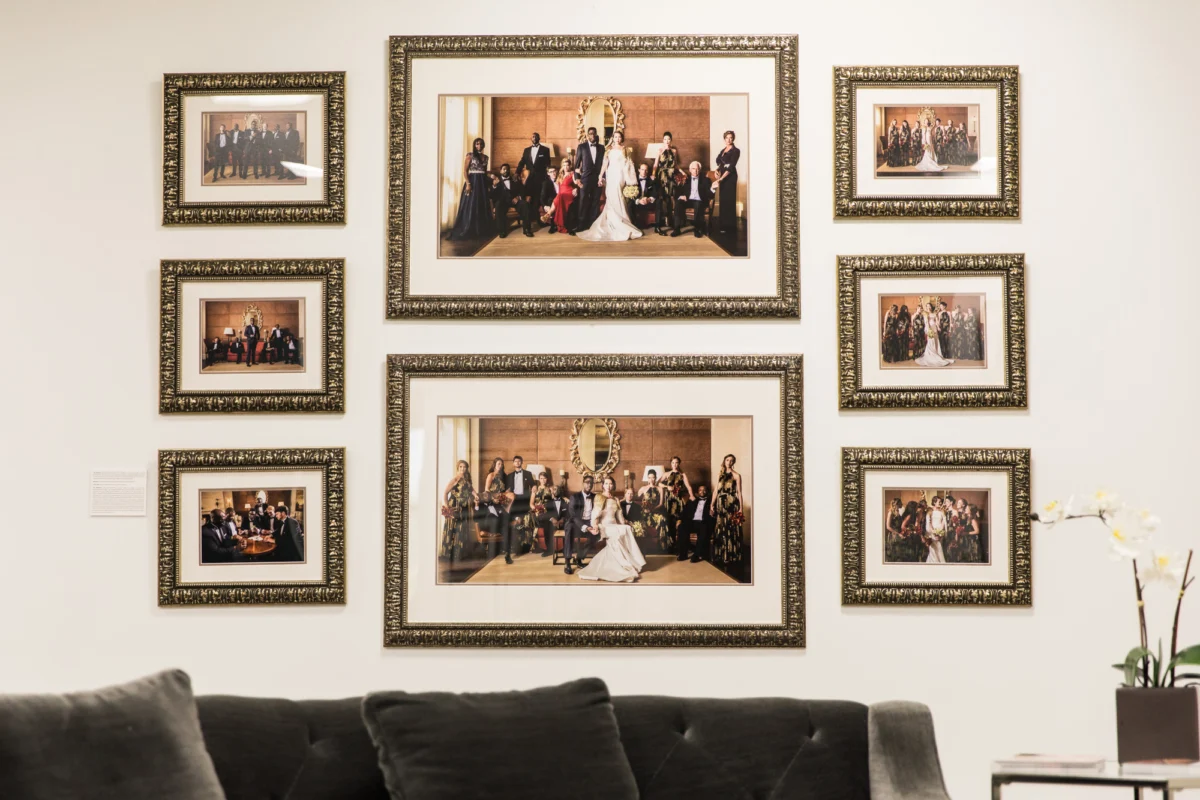
For wedding and high-pressure event photographers, however, the "zoom-first" strategy remains the dominant choice. When photographing a ceremony, the ability to transition from a wide establishing shot of the altar to a tight close-up of a subject’s expression within milliseconds is an operational advantage that prime lenses cannot replicate. The "zoom-first" philosophy prioritizes the capture of the event over the marginal gains in optical perfection.
Financial and Investment Considerations
From an economic perspective, the barrier to entry for high-quality photography is lower with prime lenses. A beginner can acquire a "nifty fifty" 50mm f/1.8 lens for roughly $100 to $200, providing an aperture range that would require a multi-thousand-dollar investment in a high-end zoom lens.

However, professional photographers must weigh the "cost-per-focal-length." A photographer who requires a 24mm, 35mm, 50mm, and 85mm prime lens to cover their bases will face a higher total equipment weight and the logistical burden of carrying and swapping lenses. The zoom lens, while more expensive as a single purchase, often presents a more compact total volume for travel and logistics.
Expert Analysis and Industry Trends
Industry experts suggest that the rise of high-resolution sensors—some exceeding 60 megapixels—has placed renewed pressure on lens manufacturers. While modern image processing software can correct for distortion in post-production, it cannot replicate the physical light-gathering capability of a fast prime lens. As a result, there has been a resurgence in the demand for "fast" prime lenses with apertures of f/1.2 and f/1.4.
Conversely, optical manufacturers have responded by producing "constant aperture" zoom lenses that maintain professional standards of sharpness throughout the entire range, such as the newer f/2.0 zoom lenses for mirrorless platforms. This development is narrowing the quality gap that once strictly separated the two categories.

Strategic Recommendations for Practitioners
For those building their kit, the recommendation is rarely a binary choice between one or the other. Instead, most professionals adopt a hybrid approach. A common strategy involves utilizing a zoom lens for events where speed and versatility are paramount, while relying on a set of prime lenses for portraiture, street photography, or low-light scenarios where the aesthetic "look" is the priority.
Before committing to a significant investment, practitioners are encouraged to utilize rental services. Renting a professional zoom lens for a single weekend of work can reveal whether the convenience justifies the weight and cost, while renting a high-end prime can clarify whether the optical performance meets the specific needs of the photographer’s unique style.
Ultimately, the choice between prime and zoom is an extension of the photographer’s intent. If the goal is to capture a spontaneous narrative where the scene is fluid and unpredictable, the zoom lens is the superior instrument. If the goal is to craft a specific visual aesthetic, minimize noise in low-light environments, and engage in a more contemplative process of composition, the prime lens is the clear winner. By understanding the limitations and strengths of each, photographers can make informed decisions that enhance their craft rather than hinder it.