








As the automotive landscape undergoes a fundamental transition toward full electrification, BMW has announced a strategic incentive program designed to ease the ownership experience for its upcoming 2027 electric vehicle lineup. By offering a $500 public charging credit, the German automaker is attempting to bridge the gap between high-end vehicle performance and the practical requirements of daily EV infrastructure usage. This initiative, which applies to both purchased and leased models, reflects a broader industry trend where manufacturers are moving beyond vehicle manufacturing to become active participants in the charging ecosystem.
The core of this offer covers the BMW i5, i7, and iX3 models for the 2027 model year. The credit structure is segmented to encourage adoption of the IONNA network, a high-power charging joint venture backed by BMW alongside other industry giants like General Motors, Honda, Hyundai, Kia, Mercedes-Benz, and Stellantis. Under the terms of the new incentive, $300 of the credit is flexible across a wide range of national charging partners—including major players such as Shell Recharge, ChargePoint, and EVgo—while the remaining $200 is specifically earmarked for use at IONNA-branded stations.
The Mechanics of the Incentive
To access these benefits, owners must register their vehicles through the official BMW application. Once the registration is finalized and the vehicle is synced with the BMW ChargingNetwork, the credits are automatically applied to charging sessions. This integration is designed to reduce the friction often associated with public charging, where drivers frequently have to juggle multiple apps or payment cards to initiate a session.
Beyond the monetary credits, BMW is adding a value-added service in the form of a complimentary one-year membership to the IONNA network. This membership is expected to yield a 25% discount on charging sessions at IONNA sites. By subsidizing both the cost of electricity and the membership fees, BMW is effectively reducing the total cost of ownership for its 2027 fleet, a move likely intended to sustain market competitiveness as the premium EV segment becomes increasingly crowded.
Contextualizing the IONNA Joint Venture
The significance of the $200 IONNA-exclusive credit cannot be overstated. IONNA, which emerged as a direct response to the market dominance of Tesla’s Supercharger network, aims to deploy at least 30,000 high-power charging stations across North America. By funneling new customers into this specific ecosystem, BMW is accelerating the network’s critical mass.
Historically, the lack of a reliable, high-speed public charging infrastructure has been cited by industry analysts as a primary barrier to mainstream EV adoption. BMW’s strategy reflects a "vertical integration" approach to the user experience. By aligning itself with a proprietary-backed network, the company ensures that its customers have access to infrastructure that matches the technical capabilities of its vehicles, particularly regarding high-kilowatt charging speeds.
Technical Evolution: The Neue Klasse Architecture
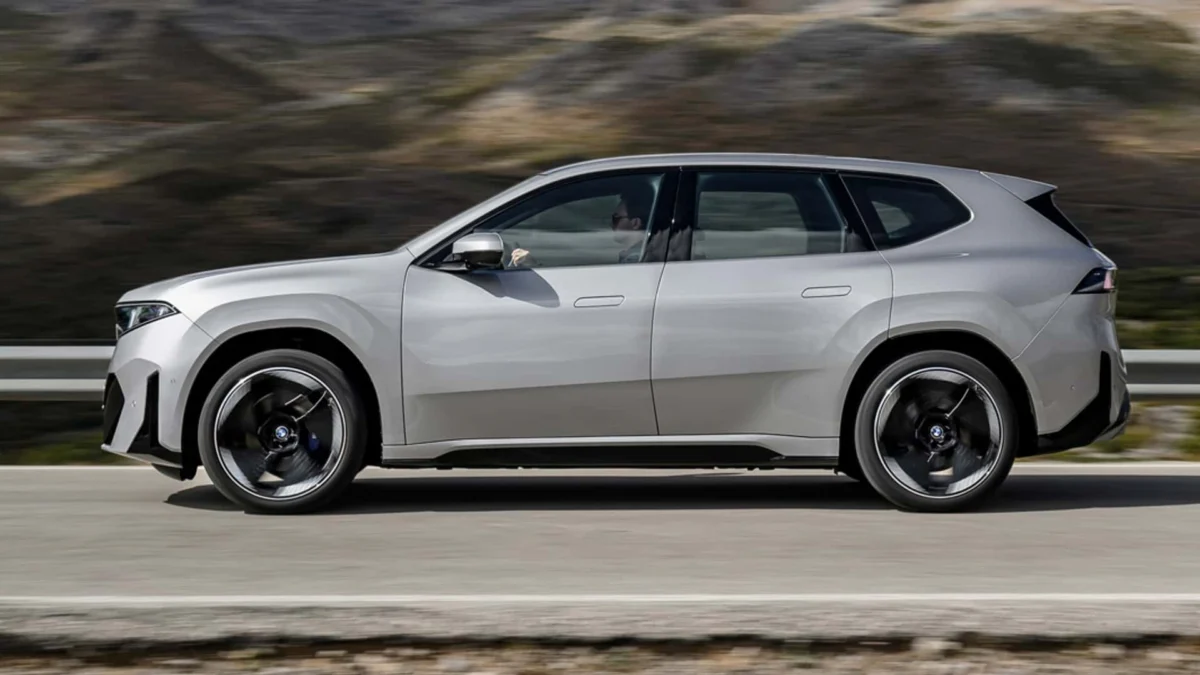
The 2027 models mentioned in this initiative represent a significant milestone for the brand. The iX3, in particular, is built upon BMW’s "Neue Klasse" architecture, a dedicated EV platform that prioritizes efficiency, battery density, and ultra-fast charging capabilities. Unlike older platforms that had to accommodate internal combustion engines, the Neue Klasse is designed from the ground up for electric propulsion.
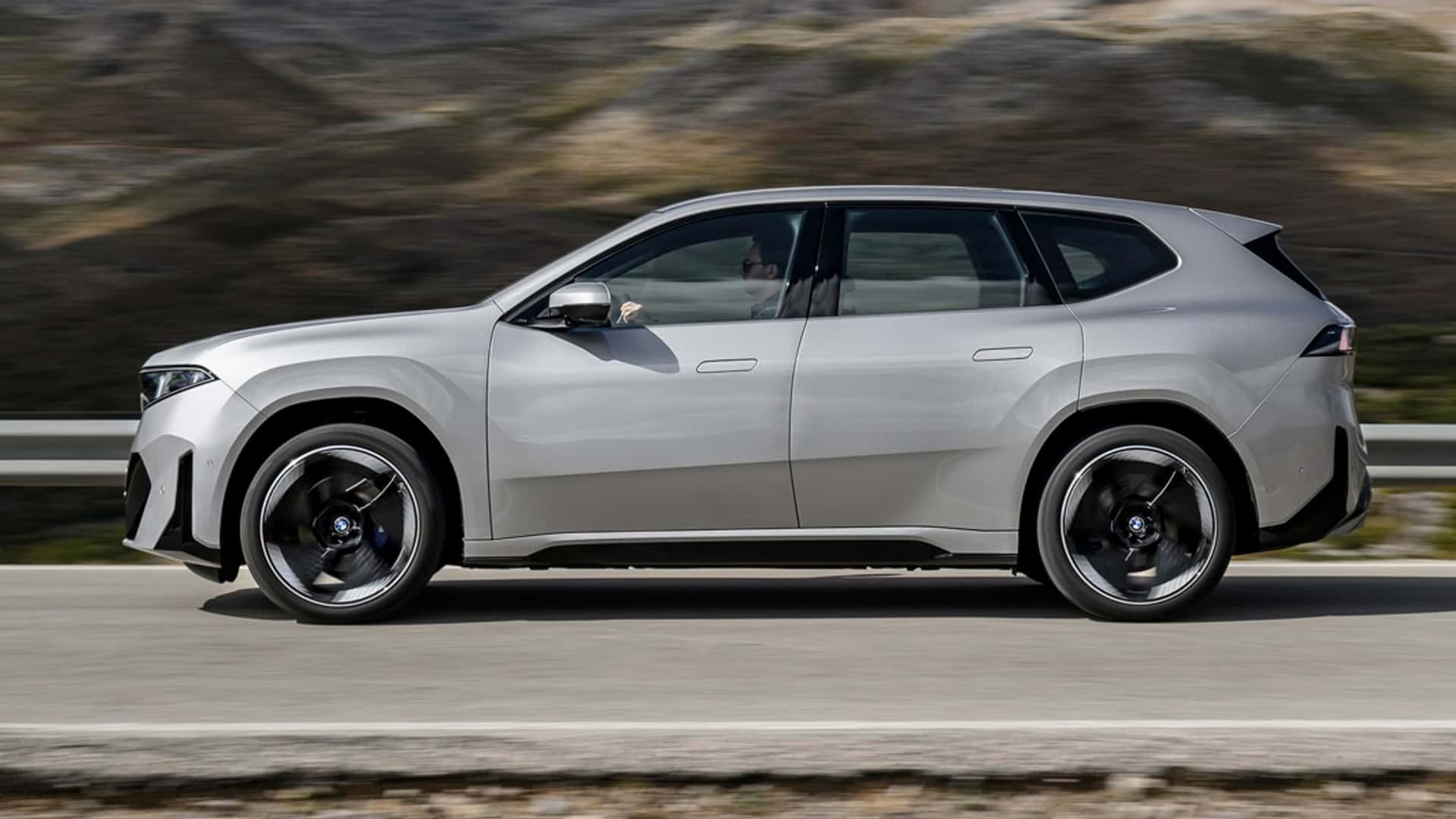
The technical specifications of these vehicles are a clear indicator of where the market is heading. With advertised ranges exceeding 400 miles and the ability to handle 400-kilowatt charging, these vehicles are capable of replenishing battery levels at speeds that significantly reduce downtime during long-distance travel. The integration of the "Panoramic Vision" display—a full-width digital interface that replaces traditional instrumentation—signals that BMW is focusing heavily on the digital experience, attempting to create a cockpit that is as advanced as the powertrain beneath it.
Market Implications and Competitive Landscape
BMW’s decision to provide these credits is not merely a customer service gesture; it is a defensive and offensive maneuver in the competitive luxury segment. Competitors such as Audi, Porsche, and Tesla have long utilized their own charging solutions or strategic partnerships to lure customers. For instance, Tesla’s Supercharger network remains the industry gold standard for reliability and coverage, forcing legacy automakers to form coalitions like IONNA to stay relevant.
From a financial perspective, the $500 credit is a relatively modest investment for a luxury automaker. However, its impact on consumer sentiment is substantial. It serves as a "peace of mind" guarantee for prospective buyers who may still harbor "range anxiety" or "charging anxiety." By providing a subsidized pathway into the public charging grid, BMW is essentially removing the initial psychological barrier of owning an EV.
Challenges in Infrastructure Deployment
While the incentive program is robust, its success remains tied to the physical build-out of the IONNA network. The industry has seen several high-profile delays in charging infrastructure projects due to supply chain constraints, permitting hurdles, and grid interconnection challenges. If BMW’s customers cannot find an IONNA station within a reasonable distance, the $200 specific credit may see lower utilization rates than anticipated.
Furthermore, the transition to the North American Charging Standard (NACS)—a move most major automakers, including BMW, have committed to—adds another layer of complexity. As the industry moves toward a unified port standard, the distinction between "network-exclusive" benefits and universal charging access will likely blur. BMW’s current strategy serves as a bridge, keeping its customers within its ecosystem while the broader industry moves toward the eventual standardization of plugs and payment protocols.
Looking Ahead
The rollout of the 2027 models will be a bellwether for the brand’s success in the coming decade. As the i5, i7, and iX3 hit the market, the automotive press will be scrutinizing not only the vehicles’ performance but also the reliability of the charging experience promised by this incentive.
For the consumer, the takeaway is clear: the era of "free" charging—or at least subsidized charging—is becoming a standard feature of the luxury EV purchase. Whether this will lead to long-term loyalty remains to be seen, but in the immediate term, it offers a tangible financial benefit that distinguishes BMW’s offerings in a high-stakes market. As BMW continues to refine its Neue Klasse platform and scale its presence within the IONNA network, the synergy between hardware performance and infrastructure accessibility will likely remain the primary focus of the company’s electrification strategy.
This initiative is a reflection of the reality that a car is only as good as its ability to be powered. By taking ownership of the charging narrative, BMW is ensuring that it remains at the forefront of the premium automotive sector, even as the very definition of what it means to be a "driver" changes. The $500 credit, while a small fraction of the vehicle’s purchase price, serves as a vital component in the automaker’s attempt to cultivate a loyal, electrified customer base that feels supported, both on the road and at the plug.