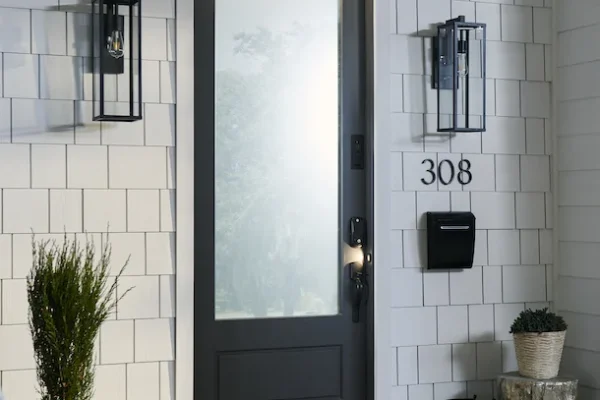







Apple is reportedly poised to make a significant strategic pivot into the professional home security market, with a new monitoring service and specialized hardware slated for a 2027 launch. According to recent insights provided by Bloomberg’s Mark Gurman, the tech giant is developing a privacy-focused home security ecosystem that aims to challenge established industry leaders like ADT, Vivint, and Amazon’s Ring. This move marks a definitive step for Apple as it seeks to deepen its footprint within the residential smart home sector, moving beyond mere device connectivity to active, subscription-based safety monitoring.
The development of this service is set against the backdrop of a broader, multi-year overhaul of Apple’s home product lineup. Following a series of hardware updates—including new iterations of the Apple TV 4K, the HomePod mini, and the anticipated "HomePad" hub—the company appears to be assembling a cohesive, high-performance ecosystem. While previous iterations of Apple’s smart home strategy focused primarily on interoperability via HomeKit and the Home app, the 2027 roadmap indicates a transition toward a vertically integrated service model.
Technical Innovation and the Shift to AI-Driven Monitoring
The centerpiece of this new initiative is an advanced security sensor and automation device. Unlike traditional security cameras that rely on continuous video streaming and cloud-based image processing, Apple’s upcoming hardware is expected to prioritize on-device artificial intelligence. According to reports, the system will be designed to monitor environments by identifying patterns, movements, and potential anomalies without requiring the constant transmission of raw video footage.
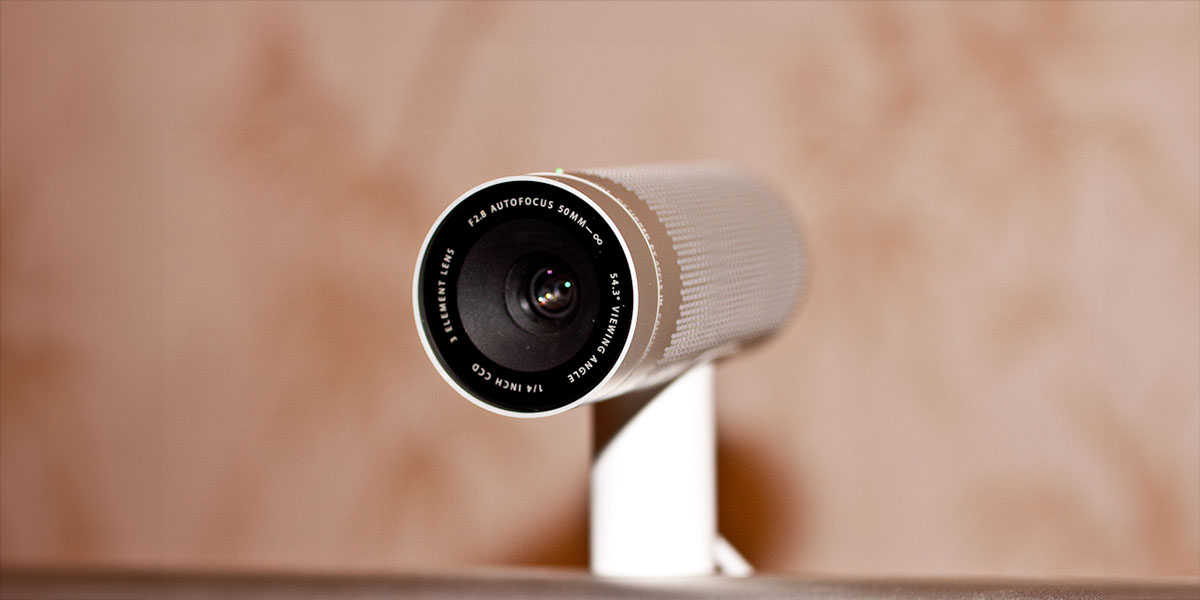
This approach aligns with Apple’s long-standing public stance on user privacy. By processing data locally and utilizing AI to interpret environmental context—rather than recording human activity in high-definition video—Apple aims to mitigate the common consumer concerns regarding data breaches and unauthorized surveillance. If successful, this technology would allow the system to recognize occupants or detect intrusions while maintaining the sanctity of the private home environment. This "privacy-first" marketing angle is likely to be a key differentiator in a market currently dominated by cameras that rely on extensive cloud storage and human-monitored video feeds.
A Chronology of Apple’s Smart Home Ambitions
Apple’s journey toward a comprehensive home monitoring service has been incremental, characterized by cautious product releases and a focus on software stability. The company’s trajectory in this space can be viewed through several distinct phases:
- 2014 – The Foundation: Apple introduced HomeKit, a framework designed to allow users to control connected home accessories using their iOS devices. This established the initial architecture for what would become the Home app.
- 2017–2023 – Ecosystem Expansion: Apple expanded its hardware footprint with the release of the HomePod and the HomePod mini, integrating Siri more deeply into the domestic environment. During this period, the company also introduced HomeKit Secure Video, allowing users to store encrypted camera footage in iCloud.
- 2024–2026 – The Hardware Refresh: During this timeframe, Apple began accelerating the development of dedicated home hardware, including new display-centric devices and specialized hubs to serve as the "brain" of the home.
- 2027 – The Service Launch: The anticipated launch of the dedicated security and monitoring service represents the culmination of this strategy, transitioning the company from a hardware vendor to a comprehensive security services provider.
Market Implications and Competitive Dynamics
The global home security market is currently a multi-billion dollar industry. According to industry analysis from firms such as Statista and Mordor Intelligence, the market for smart home security systems is projected to continue its double-digit compound annual growth rate (CAGR) through 2030. As homeowners increasingly seek integrated solutions that combine fire, burglary, and environmental monitoring, the competition has intensified.
For Apple, the primary challenge will be competing with established players who offer professional 24/7 monitoring centers. Companies like ADT have survived by providing human-backed emergency dispatch services, a feature that goes beyond automated push notifications. Should Apple choose to offer a "monitored" service, it will need to navigate the logistical complexities of emergency response partnerships. Alternatively, Apple may opt for a hybrid model, utilizing its AI-driven sensors to filter out false alarms before alerting the user, thereby reducing the "notification fatigue" that plagues many current consumer-grade systems.
The Role of Apple One and Subscription Strategy
A critical component of this strategy is the potential integration into the Apple One subscription bundle. By positioning home security as a value-added service alongside iCloud storage, Apple Music, and Apple TV+, the company can significantly increase the "stickiness" of its ecosystem.
Financial analysts have long noted that Apple’s services segment represents its most stable and high-margin revenue stream. Adding a home security subscription provides a recurring revenue model that discourages users from switching to rival platforms. If an Apple user already pays for an Apple One subscription, adding a home security tier would likely be a more attractive proposition than signing a separate, multi-year contract with a traditional security firm. This strategy leverages the existing customer base, reducing the cost of acquisition for what is historically a high-churn industry.
Privacy as a Product Feature
In an era where data privacy is a primary concern for consumers, Apple’s focus on non-video-based monitoring is strategically astute. Many homeowners are hesitant to install cameras that upload footage to the cloud. By utilizing sensors that "recognize" people or detect movement through AI without recording traditional video, Apple can effectively market its system to privacy-conscious demographics that have previously avoided the smart home market.
This technology also addresses the issue of "algorithmic bias" and privacy in public-facing security systems. By restricting the scope of data collection to the home, Apple can position its service as the ethical alternative to the surveillance-heavy models employed by some competitors.

Broader Impact on the Smart Home Industry
The entry of a major player like Apple into the professional home monitoring space will likely force incumbents to accelerate their own innovation cycles. We can expect to see increased pressure on traditional security providers to enhance their own data protection protocols and to improve the integration of their devices with third-party ecosystems.
Furthermore, Apple’s focus on the "HomePad" and other centralized hubs suggests that the company is aiming to make the smart home more intuitive. If the security system can communicate seamlessly with lighting, climate control, and entertainment systems, the value proposition shifts from simple security to comprehensive home management.
Conclusion and Future Outlook
As the 2027 launch date approaches, industry observers will be watching for details regarding the specific cost, hardware requirements, and the nature of the "monitoring" component. Whether Apple intends to build out its own response centers or partner with existing security giants remains the most significant unanswered question.
Regardless of the operational specifics, the direction is clear: Apple is moving toward a future where the home is as much an Apple-controlled space as the pocket is with the iPhone. By synthesizing its strengths in hardware design, privacy-centric software, and a robust subscription-based service model, the company is positioning itself to capture a significant share of the residential security market. For the average consumer, this suggests a future where home safety is increasingly automated, data-secure, and deeply integrated into the digital life they already manage through their Apple devices. As the ecosystem matures, the distinction between a "smart home" and a "secure home" is likely to disappear entirely, with Apple aiming to be the primary architect of that evolution.