







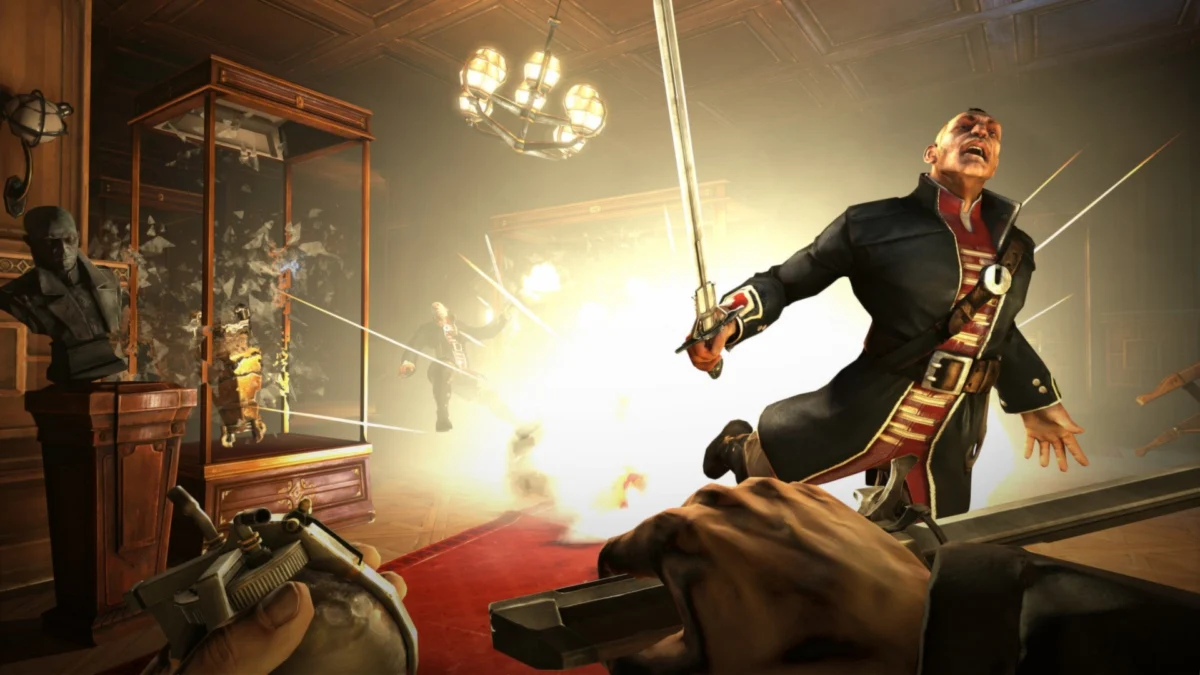
The landscape of the gaming industry is currently witnessing a period of unprecedented volatility, characterized by aggressive cost-cutting measures, studio divestments, and workforce reductions across major technology conglomerates. Central to this turbulence is Arkane Studios, the critically acclaimed developer known for its immersive sim titles such as Dishonored and Deathloop. Recent reports indicate that Microsoft, the parent company of Arkane, is actively exploring the sale of the studio, with Ubisoft identified as one of several parties expressing interest in a potential acquisition.
This development occurs against a backdrop of sweeping organizational changes at Xbox, as the gaming giant continues to prune its portfolio of internal developers. As the December 13 deadline approaches—a date dictated by complex French labor regulations—the future of the studio responsible for the highly anticipated Blade project remains in a state of high-stakes uncertainty.
The Financial and Legal Framework of the Potential Sale
The search for a buyer for Arkane Studios is not merely a strategic business decision but a procedural necessity. Under French labor law, corporations with over 1,000 employees are mandated to engage in a comprehensive three-month search for potential buyers before they are permitted to initiate the closure of a business unit. This regulatory "cooling-off" period is designed to protect local jobs and prevent the sudden dissolution of established creative entities.
Microsoft initiated this process following a broader review of its gaming division’s operational efficiency. With the countdown clock ticking toward mid-December, the pressure on Microsoft to secure a viable future for the studio is mounting. According to reports from Bloomberg, the negotiation process involves multiple entities, though no formal agreement has yet been finalized. Among the bidders, Ubisoft has emerged as a significant contender. While a management buyout—a scenario where the current leadership of the studio would take independent control—remains a possibility under consideration by Xbox executives, the involvement of a major publisher like Ubisoft suggests that the studio is being positioned as a potential asset for another corporate entity.
A Timeline of Corporate Retrenchment
The potential sale of Arkane is the latest chapter in a broader narrative of contraction for Microsoft’s gaming arm. Since the integration of Activision Blizzard and the subsequent restructuring of its internal studio network, Microsoft has moved to consolidate its resources.
The chronology of this period of instability began to take clear shape in the summer of 2024:
- July 2024: Microsoft announced a significant pivot in its studio strategy, parting ways with several high-profile developers. Studios including Double Fine, Undead Labs, and Compulsion Games were effectively transitioned to independent status. Simultaneously, the industry was rattled by news of significant layoffs, which also signaled the potential closure of Ninja Theory.
- September 2024: Further workforce reductions were implemented, affecting various departments across the Xbox ecosystem as part of a continued effort to align staffing levels with current fiscal targets.
- October–November 2024: The search for an Arkane buyer intensified, coinciding with reports of additional, scheduled rounds of layoffs slated for the remainder of the year and into January 2025.
These decisions have collectively contributed to a climate of professional insecurity for thousands of employees. Industry analysts have noted that this pattern of "money-hungry" restructuring—as characterized by critics of the move—reflects a shift from the rapid expansion phase seen in previous years to a focus on immediate, bottom-line profitability for the Xbox division.
The Strategic Value of Arkane Studios
Arkane Studios holds a distinct reputation in the gaming industry for its mastery of the "immersive sim" genre, a design philosophy that prioritizes player agency, complex environmental storytelling, and intricate level design. Titles like Dishonored, Prey, and Deathloop have garnered both critical acclaim and a dedicated, loyal player base.
The studio is currently deep in development on a title based on the Marvel property Blade. This project is widely viewed as a major asset that could significantly bolster the catalog of any publisher that acquires the studio. For a company like Ubisoft, which maintains a vast infrastructure for open-world development and live-service management, integrating Arkane could provide a high-profile creative infusion. However, questions remain regarding how Arkane’s unique, highly specific design culture would mesh with the broader production pipelines of a larger publisher.
Official Responses and Industry Reactions
To date, Microsoft has maintained a guarded stance regarding the negotiations. An Xbox spokesperson confirmed that the company is "exploring options" ahead of the mid-December deadline but has declined to provide further granular detail, citing the confidential nature of the ongoing discussions. Similarly, Ubisoft has refrained from commenting on the rumors, a standard practice for corporations involved in active merger and acquisition (M&A) due diligence.
The silence from the involved parties has allowed for widespread speculation among industry observers. Labor advocacy groups and industry unions have expressed concern regarding the impact of these sales on the creative staff at Arkane. There is a palpable anxiety that, regardless of the buyer, the studio may be forced to abandon its creative identity in favor of safer, more commercially predictable projects.
Broader Implications for the Gaming Industry
The potential acquisition of Arkane by a third party—or its transition to an independent entity—serves as a case study for the current state of the global gaming industry. The era of unchecked growth that defined the late 2010s and early 2020s has given way to a period of "right-sizing," where publishers are increasingly risk-averse.
If Arkane is sold to a major competitor, it would represent a rare instance of a high-value studio shifting between major platforms, potentially altering the competitive landscape. If the studio is spun off as an independent entity, it would join a growing cohort of developers attempting to navigate a market that is increasingly hostile to mid-sized creative projects.
Furthermore, the involvement of French labor laws in the process highlights the tension between global corporate strategy and local workplace protections. Microsoft’s need to navigate these laws underscores the limitations that international conglomerates face when attempting to move quickly in foreign markets.
As the December 13 deadline looms, the gaming community remains focused on the fate of the developers themselves. The human cost of these transitions, marked by thousands of layoffs over the past year, has sparked a conversation regarding the sustainability of the current AAA development model. Whether the final outcome results in a new corporate home for Arkane or a path toward independence, the events surrounding the studio will likely be remembered as a pivotal moment in the current era of industry consolidation.
The coming weeks will be critical. As Microsoft continues its deliberations, the industry waits to see if one of the most creative studios in the business will find a new, stable foundation or if the current wave of restructuring will continue to reshape the map of professional game development. For now, the future of Blade and the long-term career prospects of the Arkane team remain suspended in the balance of corporate negotiations.