







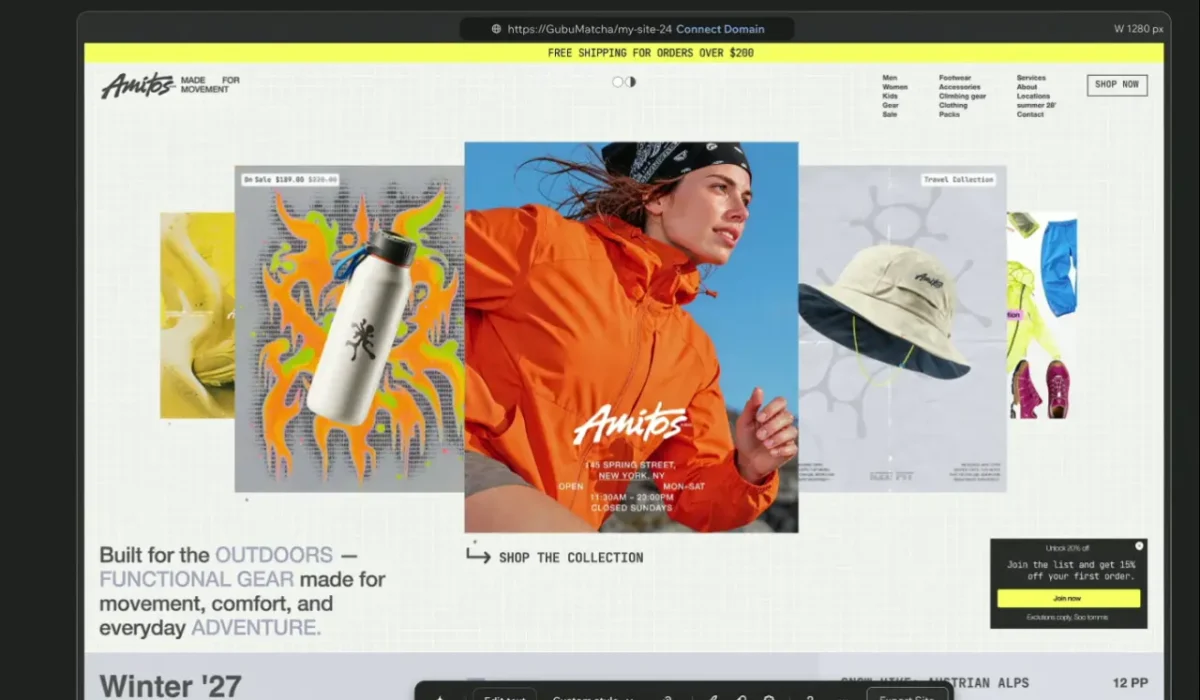
The digital creation landscape is undergoing a profound structural shift as platforms race to integrate advanced generative artificial intelligence directly into the core development workflow. Wix, a global leader in website creation and cloud-based development solutions, has officially announced the launch of Studio Two and its next-generation artificial intelligence assistant, Aria 2.0. This major dual release represents a strategic evolution for the company, aimed squarely at professional web designers, developers, and agencies seeking to dramatically compress project timelines without sacrificing the granular control required for complex enterprise applications.
The unveiling of Studio Two comes on the heels of Wix’s calculated acquisition of Base44 in early 2025, a transaction that brought approximately 80 skilled software engineers and advanced artificial intelligence developers into the Wix ecosystem. Base44’s specialized expertise in "vibe coding"—a paradigm where natural language prompts govern complex code generation and architectural scaffolding—serves as the foundational engine for many of the new capabilities embedded within Studio Two. By marrying its established visual layout framework with cutting-edge conversational programming tools, Wix is positioning Studio Two not merely as an incremental upgrade to its predecessor, but as a bridge between low-code visual design and traditional, programmatic development environments.
Bridging the Gap: Advanced React Development and Natural Language Coding
At the heart of Studio Two is a reimagined development architecture that natively supports React, one of the most widely adopted JavaScript libraries for building modern user interfaces. For years, professional developers have juggled external integrated development environments (IDEs) such as Visual Studio Code alongside AI-assisted coding tools like Claude, Codex, and Cursor. Studio Two addresses this fragmentation by bringing advanced React component building, state management, and custom code generation directly onto the platform’s native canvas.
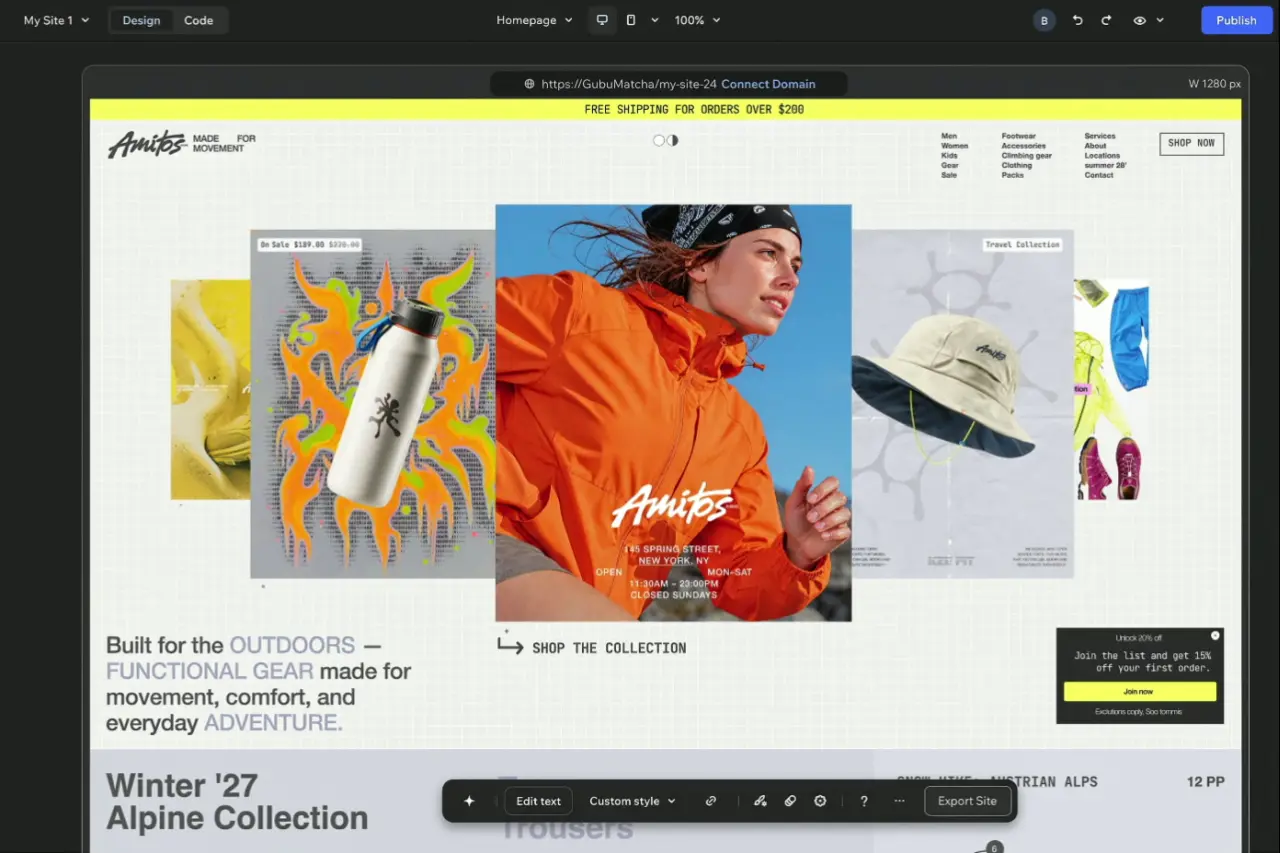
The integration allows developers and advanced designers to bypass repetitive boilerplate coding tasks by issuing conversational commands that translate intent directly into production-ready React components. Furthermore, Studio Two incorporates support for the Model Context Protocol (MCP), an emerging open standard that allows artificial intelligence models to securely query and interact with external data sources and application programming interfaces. Through MCP integration, AI assistants operating within Studio Two can seamlessly connect with Wix’s robust backend infrastructure, including Wix Stores for e-commerce logic and Wix Bookings for scheduling operations. This capability drastically reduces the friction traditionally associated with connecting third-party APIs and managing complex database schemas during the rapid prototyping phase.
Aria 2.0: The Next Evolution of Conversational AI Architecture
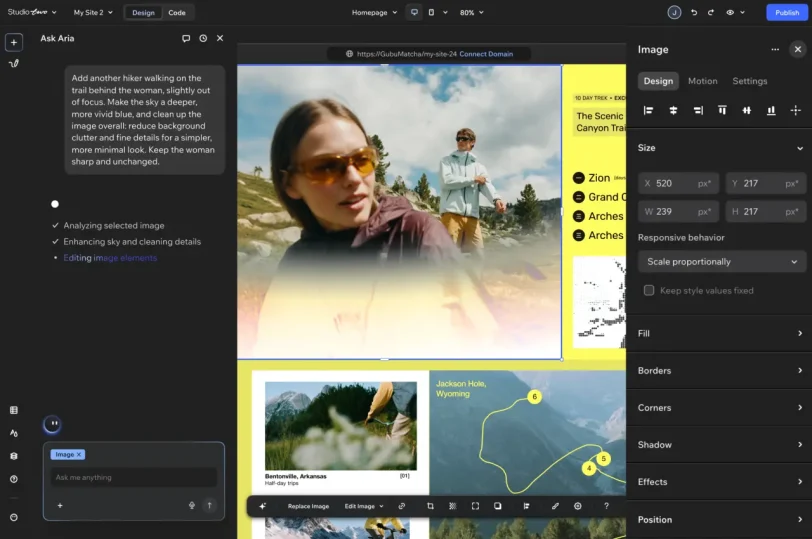
Accompanying the launch of Studio Two is Aria 2.0, a significant upgrade to Wix’s proprietary artificial intelligence engine. While first-generation AI tools in web design were largely restricted to generating static text, placeholder imagery, or simple site layouts based on basic questionnaires, Aria 2.0 introduces a modular skill-based architecture. This allows the assistant to execute specialized web development tasks, ranging from complex CSS grid restructuring and responsive layout adjustments to real-time accessibility audits and performance optimization.
Aria 2.0 functions as an active co-pilot embedded within the Studio Two workspace, capable of interpreting vague creative direction and executing precise technical modifications. For instance, a designer can request a complete visual overhaul of a landing page’s color palette and typography hierarchy while simultaneously asking the AI to refactor the underlying component structure for optimal mobile responsiveness. By minimizing the context-switching between design layers and code editors, Aria 2.0 significantly accelerates the iterative design cycle, enabling agencies to deliver high-performance websites in a fraction of the traditional timeline.
Strategic Context and Market Implications
The release of Studio Two and Aria 2.0 arrives at a pivotal juncture in the web development industry. As generative artificial intelligence permeates every tier of software engineering, traditional content management systems and website builders face mounting pressure to offer solutions that cater simultaneously to non-technical entrepreneurs and seasoned software architects. Wix’s dual-pronged strategy—retaining the accessibility of visual drag-and-drop editing while opening the hood to allow native React development and natural language programming—reflects a comprehensive approach to capturing market share across the entire spectrum of digital creation.
Industry analysts note that platforms capable of successfully blending automated code generation with robust enterprise-grade security and scalability will dominate the next decade of web infrastructure. By integrating the talent and technology acquired through the Base44 buyout, Wix has accelerated its product roadmap by several years, effectively leapfrogging competitors who rely exclusively on third-party plugins or isolated AI wrappers.
Avishai Abrahami, CEO and Co-Founder of Wix, emphasized the strategic importance of these developments during the launch event, highlighting the company’s commitment to empowering professional creators. "The integration of advanced AI directly into our professional workflows is not merely about speed; it is about expanding the boundaries of what a single creator or small agency can achieve," Abrahami stated. "With Studio Two and Aria 2.0, we are dismantling the traditional barriers between design and code, giving our users an unprecedented level of creative freedom and technical capability."
Timeline and Future Outlook
The rollout of Studio Two and Aria 2.0 is scheduled to proceed in phases throughout the upcoming quarters, with early access programs currently being deployed to select enterprise partners and agency tier subscribers. Initial beta testers have reported notable reductions in project delivery times, particularly in the initial phases of wireframing, component generation, and responsive debugging.
As Wix continues to refine its AI capabilities and expand the developer ecosystem around Studio Two, the platform is well-positioned to redefine industry standards for web production. By bridging the gap between conversational AI, professional React development, and intuitive visual design, Wix has established a formidable benchmark for the future of digital product creation.