








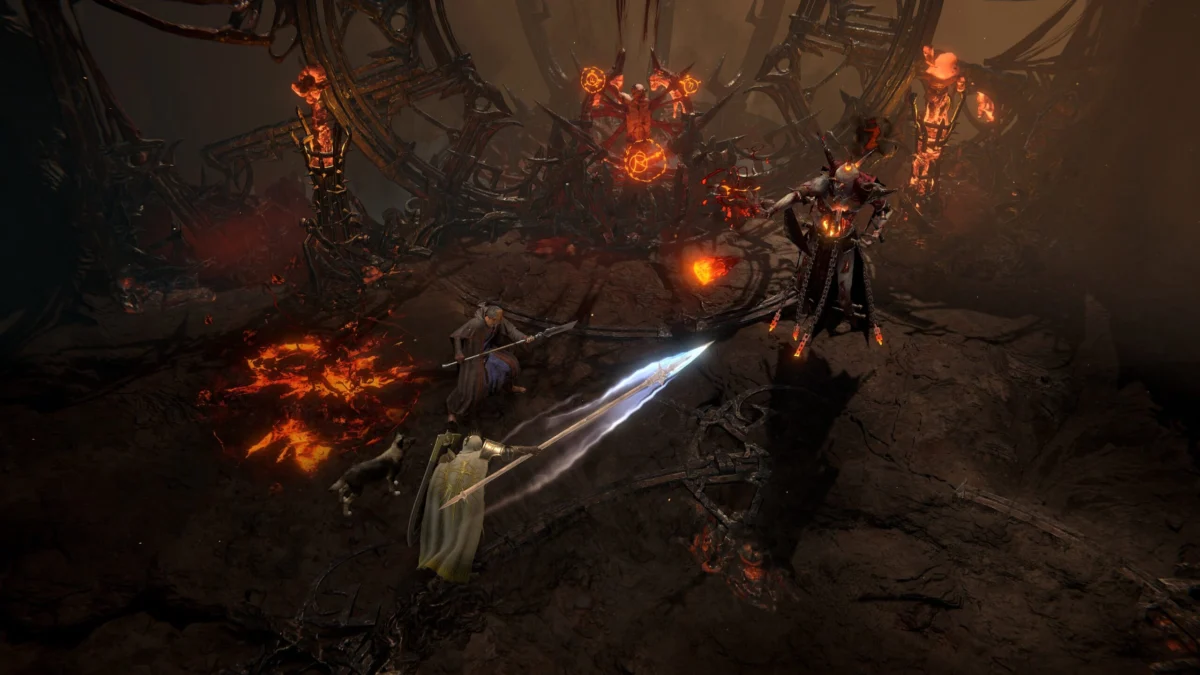


The intersection of generative artificial intelligence and professional performance has become a focal point of intense scrutiny within the video game industry, particularly following recent revelations regarding the development of the extraction shooter Arc Raiders. Embark Studios, the developer behind the title, has found itself at the center of this debate as it navigates the tension between technical efficiency and the preservation of human artistry. While the studio initially integrated AI-generated voice lines to streamline development, it is now actively transitioning toward human-recorded performances, emphasizing that its primary objective is not to displace voice actors but to optimize a complex production pipeline.
The Rationale Behind Synthetic Integration
The implementation of generative AI in Arc Raiders was not, according to the development team, a cost-cutting measure designed to eliminate human talent. Instead, it was framed as a logistical solution to a persistent problem in modern game design: the rigidity of recorded dialogue. Bence Pajor, the audio director at Embark Studios, has spoken at length regarding the limitations of traditional voice-over workflows. In large-scale, iterative games like Arc Raiders, design decisions—such as the introduction of new gameplay mechanics, environmental items, or tactical gadgets—often occur rapidly. In a traditional workflow, updating audio to reflect these changes requires securing studio time, coordinating with voice talent, and re-recording lines, a process that can lead to significant bottlenecks.
Pajor noted that at previous studios, he frequently encountered situations where gameplay features had to remain static simply because the associated voice lines were already locked, preventing the team from refining the player experience. By utilizing generative AI to create a baseline for these lines, the team could test new features with functional dialogue immediately. The argument presented by the developers is that the sheer volume of incidental dialogue required for an evolving extraction shooter would place an unreasonable burden on voice actors, potentially leading to burnout or scheduling conflicts that could stall development entirely.
Chronology of AI Use and Public Reception
The controversy surrounding Embark’s use of AI is not isolated to Arc Raiders. The studio previously faced significant pushback for its use of AI-generated announcer voices in its other title, The Finals. This earlier experience provided a backdrop of skepticism that followed the studio into the development of Arc Raiders.

Following the release of Arc Raiders in October 2025, players and critics alike began to identify the presence of synthetic voice work. The feedback was largely negative, with many users reporting that the AI-generated lines felt flat or immersion-breaking. This reception was compounded by a broader industry anxiety regarding the displacement of creative workers by automated tools. Despite the technical benefits touted by Embark, the public perception was clear: the use of AI in creative roles was seen as an encroachment on the role of professional actors.
In response to the feedback, Embark Studios began a systematic process of replacing synthetic lines with human performances. This pivot reflects a broader trend in the gaming industry where developers are attempting to find a middle ground between the agility afforded by AI and the high standards of quality demanded by players.
Perspectives from the Voice Talent
The experience of voice actors working with Embark Studios provides a nuanced look at the reality of these contracts. Jo Rideout and Diana Gardner, who provide the voices for characters Shani and Celeste respectively, have shared their personal insights into the process. For Gardner, the initial attraction to the project was rooted in flexibility. The ability to utilize AI to fill in gaps meant that her presence was not required for every minor line update, potentially allowing her to pursue other professional opportunities without the stress of constant re-bookings.
However, Gardner also highlighted the existential dilemma faced by performers in the age of AI. While she found the contract terms fair and the collaboration professional, she expressed a sense of detachment from the final product. "Can I take ownership for the performance?" Gardner asked, noting the irony of having contributed hours of human effort to a project only to have the final output mediated by an algorithm. This sentiment underscores a critical concern for the acting guild: the loss of creative agency and the potential for one’s likeness or vocal signature to be used in ways that the actor cannot fully control or claim as their own work.
Official Stance and The Path Forward
Stefan Strandberg, the Chief Creative Officer at Embark Studios, has issued a definitive statement to address the growing backlash. "We are not in the industry of replacing actors," Strandberg stated. He argued that the studio’s long-term goal is to celebrate human performance and provide actors with more creative space, rather than reducing them to training data. The studio’s commitment to replacing synthetic lines is not merely a reaction to bad press but, according to leadership, a reflection of their belief that a real professional actor provides an emotional depth that current AI technology cannot replicate.

This shift is a significant acknowledgment of the "uncanny valley" effect—where synthetic performances, while technically functional, fail to provide the human resonance necessary for deep narrative immersion. The studio now views the AI tools used during the prototyping phase as temporary scaffolding, which is being dismantled as the game reaches its final, more polished states.
Industry Implications and Broader Impact
The Arc Raiders situation serves as a bellwether for the gaming industry at large. With major publishers and studios experimenting with AI, the question of where to draw the line between "process improvement" and "talent replacement" remains highly contentious.
From an economic standpoint, the use of AI in small-team game development has been described by investors—notably those at Nexon, the parent company of Embark—as a potential "trojan horse." The implication is that AI could allow smaller teams to achieve the production value of AAA studios by automating tasks that would otherwise require massive, expensive departments. However, as the Arc Raiders case demonstrates, the cost of implementing these tools includes potential damage to brand reputation and a complex, often fraught, relationship with the labor force that the industry relies upon.
Furthermore, the legal and ethical landscape remains largely unsettled. While contracts like those signed by Gardner and Rideout may cover the use of vocal data, the industry lacks standardized guidelines regarding the limits of such usage. The precedent set by Embark Studios—moving away from AI toward human performance—may signal a realization that, in the competitive market of high-end gaming, the "human touch" is not just a moral preference but a commercial necessity.
As Embark Studios continues to refine Arc Raiders, the project will remain a case study in the risks of early AI adoption. The studio’s pivot toward re-recording lines with human talent highlights a growing consensus: while AI may offer a path to technical speed, it cannot yet bypass the necessity of the human artist in delivering a product that resonates with a global audience. The transition from AI to human-led audio in Arc Raiders serves as a reminder that in the creative industries, efficiency should never come at the expense of the artistry that defines the medium.