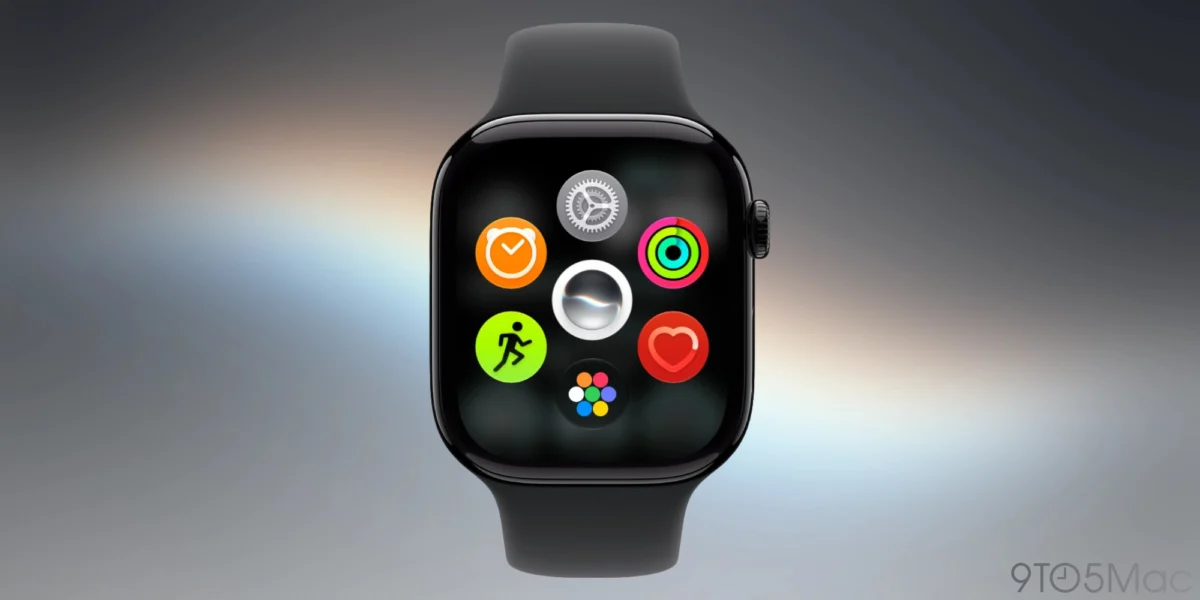
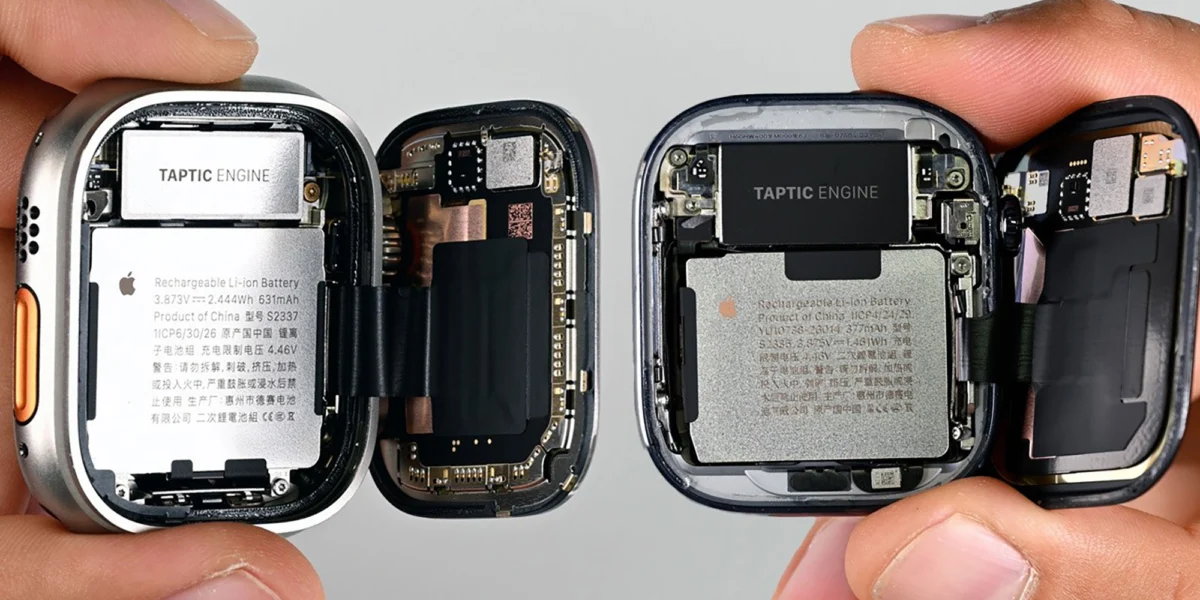










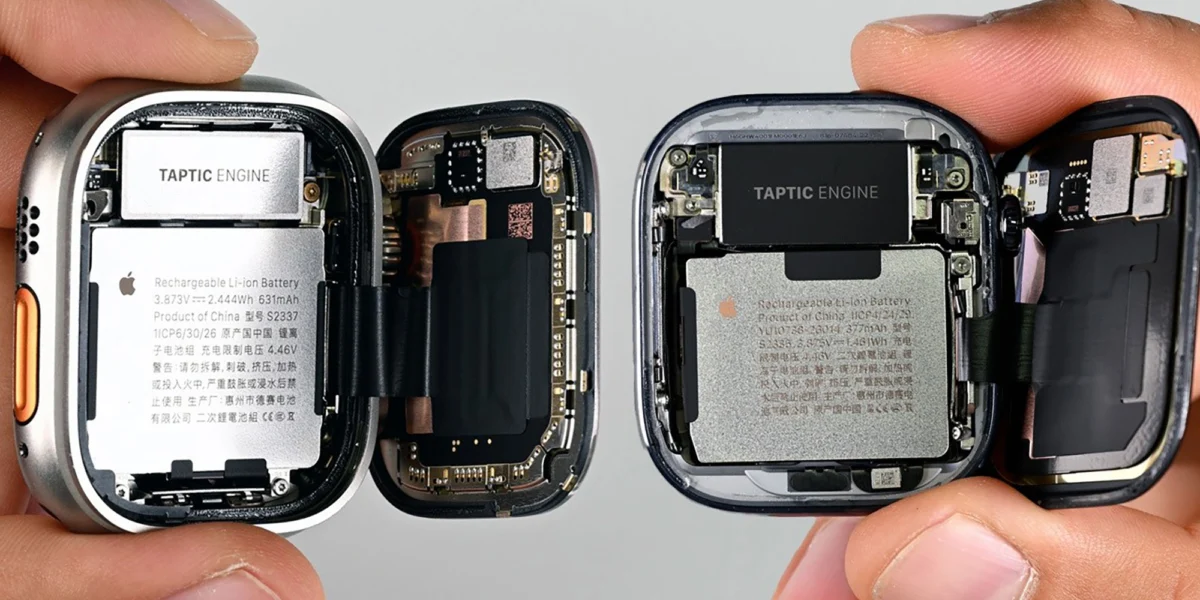
The release of the Apple Watch Series 12 and the Apple Watch Ultra 4 marks the latest evolution in wearable technology, bringing with them refined internals and subtle architectural shifts. As is tradition following any major Apple hardware launch, the experts at iFixit have completed a comprehensive teardown of both devices, offering an unprecedented look at the engineering decisions made by Apple’s design teams. While these devices introduce incremental improvements in battery capacity and internal connectivity, the repairability landscape remains a complex subject for both consumers and professional technicians.
The Anatomy of the Apple Watch Ultra 4
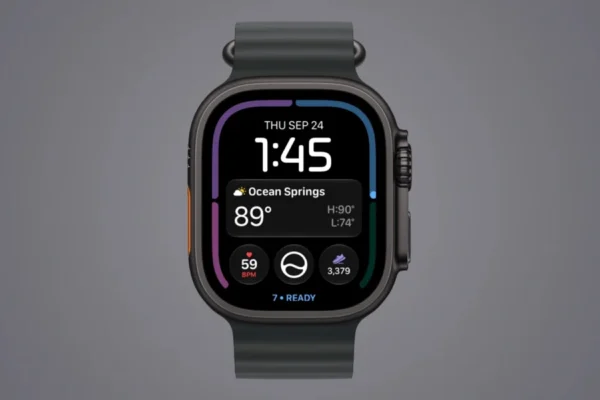
The Apple Watch Ultra 4, designed for extreme environments and rugged use, continues to rely on a high-density internal layout. In the latest teardown, lead technician Shahram Mokhtari utilized specialized heating tools and a metal prying instrument to breach the device’s display seal. The process reveals that the Ultra 4 maintains its predecessor’s reliance on adhesive-heavy construction, which remains the primary hurdle for independent repair.
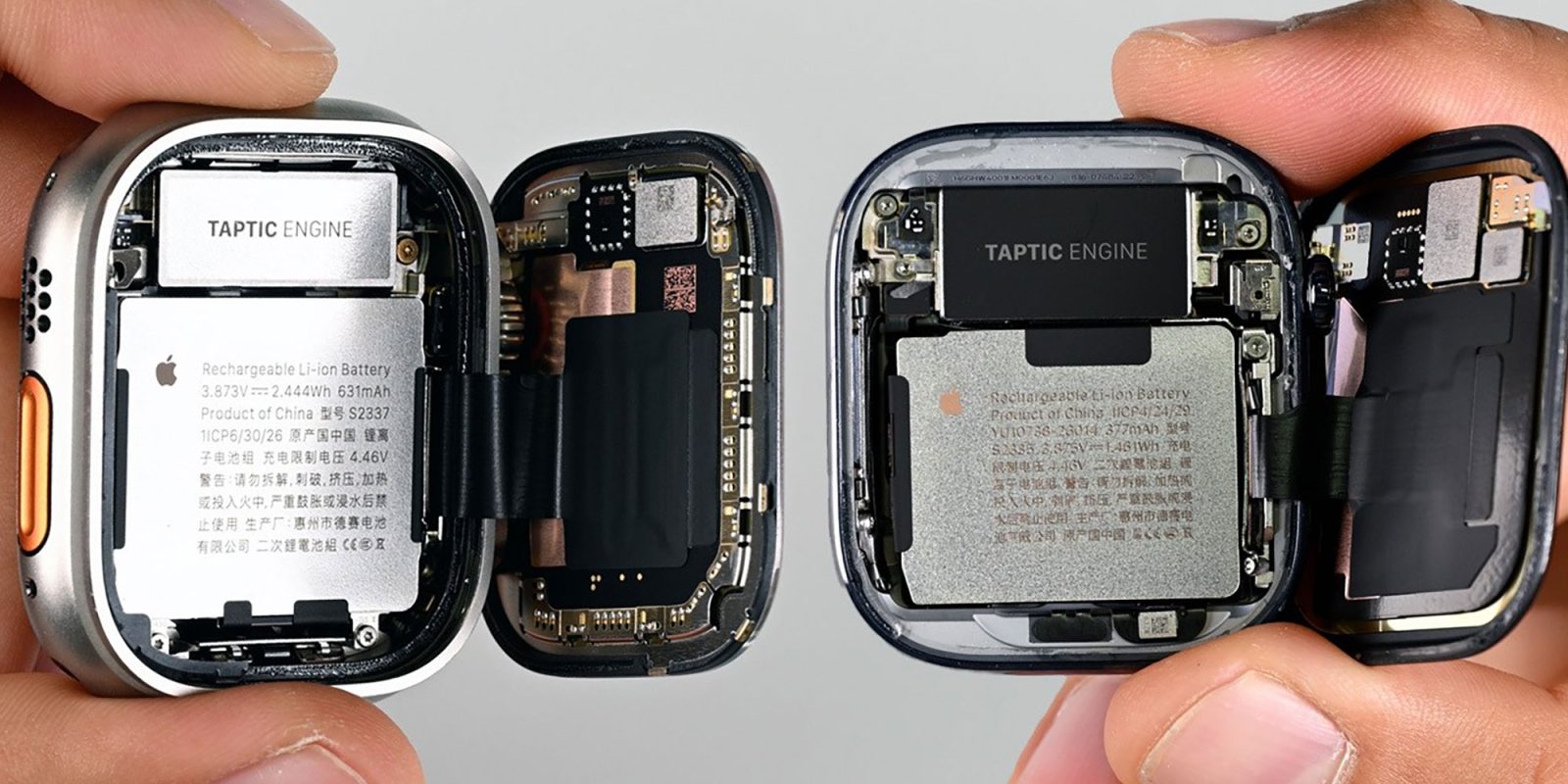
Once inside, the Ultra 4 presents a battery upgrade, shifting from the 2.313 Wh capacity found in the Ultra 3 to a 2.444 Wh capacity in the current model. While this represents a tangible increase in potential runtime, accessing the battery remains a precarious operation. The four visible screws located on the bottom of the titanium case provide access only to the sensor array and the S11 system-in-package (SiP). To reach the battery or the Taptic Engine, the display must be removed entirely—a process that carries inherent risks of damaging delicate flex cables. Consequently, the Ultra 4 has been awarded a 4/10 repairability score, a figure that has remained static for the Ultra line since its inception.
Architectural Shifts in the Apple Watch Series 12
In contrast to the Ultra 4, the Apple Watch Series 12 exhibits a more deliberate attempt by Apple to address long-standing repairability concerns. The teardown highlights the introduction of stretch-release adhesive and a dedicated pull tab for the battery, a design philosophy already present in many modern smartphone models. This change makes the 1.461 Wh battery significantly easier to extract than the 1.403 Wh unit found in the 46mm Series 11.
However, the internal assembly is not without its challenges. Technicians noted that the tolerances surrounding the display are exceptionally tight. The act of removing the screen—a prerequisite for almost all internal repairs—requires significant force, which introduces a high probability of glass fracture or cable shear if not performed with industrial-grade precision. Furthermore, Apple has transitioned from the ZIF (Zero Insertion Force) connectors and tape used in previous iterations to a more standard press-connector design. While this simplifies the electrical connection, it creates a new dependency: replacing the screen now necessitates the removal of the battery, effectively linking the two components in a repair chain. Despite these modifications, the Series 12 also earned a 4/10 score, though iFixit noted this as a marginal improvement over the base-model predecessors.
Chronology of Apple Watch Repairability
The history of the Apple Watch repairability story is one of slow, often frustrating progress. When the original Apple Watch was released in 2015, the device was widely considered a "disposable" piece of hardware, with nearly all components permanently sealed.
- 2015–2018: The early generations of the Apple Watch featured heavy waterproofing adhesives that made internal access nearly impossible without damaging the display. During this period, repairability scores were consistently at the bottom of the scale.
- 2019–2021: With the introduction of the Series 5 and Series 6, Apple began optimizing the internal layout, though the shift toward thinner casings kept repairability scores stagnant.
- 2022–2024: The debut of the Apple Watch Ultra marked a shift toward modularity for the sensor array, but kept the primary battery and display trapped behind high-strength adhesives.
- 2025–2026: The current Series 12 and Ultra 4 cycle represents a transition period. While the use of stretch-release adhesive is a positive step toward complying with emerging "Right to Repair" legislation in the European Union and parts of the United States, the fundamental requirement to remove the display to reach the battery remains a significant barrier.
Comparative Analysis: Industry Standards
The repairability gap between the Apple Watch and its primary competitors remains a point of contention for tech analysts. A notable comparison can be drawn to the Google Pixel Watch 5, which recently achieved a 9/10 repairability score from iFixit. The design of the Pixel Watch 5 allows for display removal via two Torx screws and a simple gasket, with the battery accessible without the need for thermal treatment or adhesive removal.

This stark contrast highlights two different manufacturing philosophies. Apple’s approach prioritizes structural integrity, water resistance, and aesthetic thinness, often at the expense of modularity. In contrast, the high scores achieved by competitors suggest that device longevity and user-serviceability are becoming key marketing differentiators in the wearables market. For consumers, this translates into a choice between a highly integrated, durable ecosystem and a device that is engineered to be serviced over a longer lifecycle.
Implications for the Consumer
For the average user, these teardowns underscore the importance of extended warranty programs like AppleCare+. Because the internal architecture of the Series 12 and Ultra 4 remains difficult to access, a simple battery degradation issue after two or three years of heavy use may still lead to a full device replacement rather than a component swap.
The findings also provide insight into why official Apple repair costs remain elevated. The labor-intensive nature of removing the screen, navigating the tight tolerances, and replacing the specialized adhesives necessitates highly trained personnel and proprietary diagnostic tools. As legislation favoring the "Right to Repair" continues to gain momentum globally, it is likely that Apple will face increasing pressure to further simplify these internal layouts. Future iterations may see a move toward "top-down" access, where the battery could be reached without interfering with the display assembly, a change that would significantly improve the long-term viability of these expensive wearables.
Broader Industry Impact
The engineering choices identified in the Series 12 and Ultra 4 teardowns reflect a company caught between two worlds: the need to innovate in a space-constrained environment and the regulatory demand for sustainability. By incorporating stretch-release adhesives, Apple is clearly responding to external pressures, yet by maintaining the display-first entry point, they are protecting the structural and water-resistance standards that have become synonymous with the brand.

Ultimately, the 4/10 scores assigned to these devices serve as a reminder that while internal design is evolving, the Apple Watch remains a high-precision instrument that is not designed for the casual hobbyist. For the professional repair industry, these devices represent a challenge that requires constant adaptation. For Apple, the challenge remains to find the balance between sleek industrial design and the growing consumer demand for hardware that can be maintained for years rather than months. As the wearable sector continues to mature, the tension between these two goals will likely define the design language of future generations of the Apple Watch.