





The arrival of the final weekend of October serves as a traditional nexus for the gaming community, coinciding with the cultural observance of Halloween. While seasonal festivities often dominate the public consciousness, the digital entertainment sector continues to operate on a cycle driven by product updates, community-led milestones, and individual player habits. This report examines the current gaming landscape through the lens of industry professionals, while contextualizing the broader implications of how leisure time is utilized during peak autumn periods.
Chronology of Recent Sector Activity
The current week has been marked by a diverse range of activity across the gaming industry. Following a period of significant volatility in early October, where major titles saw massive player count fluctuations, the latter half of the month has shifted toward stability and refinement.
Early in the week, developers focused on "quality of life" patches, addressing server stability for titles such as Factorio and Trackmania. These games represent a growing trend in the industry: the rise of "automation-first" titles that prioritize systemic complexity over traditional narrative-heavy experiences. For many, these games are not merely hobbies but are treated as ongoing engineering projects, requiring significant time investment and collaborative effort.
Simultaneously, the retro-gaming preservation community has seen a resurgence in engagement. The practice of revisiting 16-bit and 32-bit era titles—such as the 1994 Super Nintendo classic Nosferatu—has become a fixture of seasonal streaming content. This phenomenon underscores the industry’s reliance on nostalgia as a key driver of engagement during holiday periods, where established intellectual properties provide a familiar comfort to audiences.
The Dynamics of Modern Player Engagement
Player behavior during the transition into November suggests a shift toward both long-form strategy games and niche, narrative-driven indie projects. Data from various digital distribution platforms indicates that as daylight hours decrease in the Northern Hemisphere, there is a measurable uptick in concurrent user counts for "cozy" or "atmospheric" games.
Titles like Danchi Days, which explores the sociopolitical and emotional landscape of 2000s-era Japan, represent a growing market segment that prioritizes artistic expression and thematic depth. This reflects a maturation of the gaming audience, which increasingly seeks out content that mirrors real-world complexities, such as urban revitalization and the loss of communal tradition.
Conversely, competitive and mechanical-heavy titles continue to dominate in terms of raw hours played. The enduring popularity of games like Deep Rock Galactic and the Mortal Shell series highlights the importance of social integration in gaming. The industry has effectively moved away from the solitary experience, with modern gaming increasingly defined by the "co-op" dynamic, where the primary value proposition is the shared experience between friends or family members.
Analysis of Current Market Trends
Industry analysts have noted a shift in how developers release content during the Halloween window. Historically, the period was reserved for horror-themed releases. However, current data suggests a more nuanced approach. Developers are increasingly releasing titles that are "haunting" or "emotionally resonant" rather than strictly "terrifying."
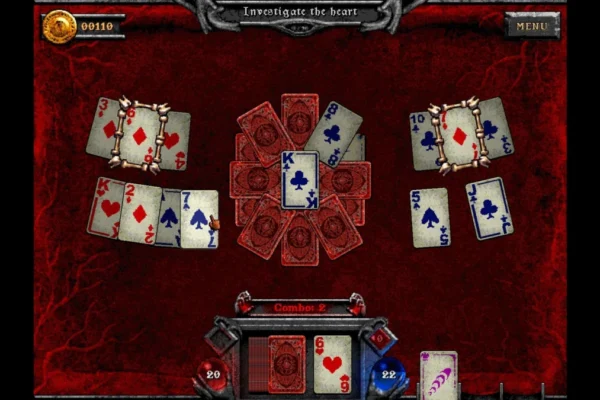
For instance, the reception of titles like The Cosmic Wheel Sisterhood and its spiritual successors demonstrates that players are seeking narratives that offer emotional weight. When developers successfully marry mechanical innovation—such as card-based divination or complex resource management—with somber, evocative storytelling, they consistently see higher retention rates. This suggests that the "emotional beat" of a game is now as critical to its commercial success as its core gameplay loop.
Internal Industry Perspectives: A Case Study in Team Dynamics
To better understand the practical application of these trends, one can look at the weekend plans of editorial teams within the gaming press. These individuals, who spend their work weeks analyzing the output of major studios, provide a unique window into the personal habits that mirror the broader gaming public.
- Systemic Strategy and Automation: Teams focusing on Factorio and Trackmania report a shift toward collaborative play. By engaging in these titles with family members, these professionals highlight the role of gaming as a primary mode of social interaction.
- The Intersection of Work and Leisure: For those responsible for long-form walkthroughs and documentation—such as the ongoing Castlevania project—the weekend often involves a "transactional" relationship with gaming. There is a clear distinction between professional analysis and recreational consumption, where the latter is often served by watching archived playthroughs of historical titles.
- The Challenge of Time Allocation: A recurring theme among industry staff is the friction between professional obligations and the desire to complete "backlog" titles. The mention of Mortal Shell 2 being delayed by social obligations and domestic tasks reflects the universal struggle of the modern gamer: balancing the hobby against the realities of adult life.
- DIY and Domestic Integration: A significant portion of the community balances digital leisure with physical home improvement. The act of "manifesting" projects like library installations or interior painting alongside gaming indicates a healthy, multi-faceted approach to weekends. This physical grounding is often seen as a necessary counterbalance to the digital saturation experienced during the work week.
Broader Implications and Future Outlook
The gaming industry is currently navigating a period of adjustment. As we move into the final quarter of the year, the focus will likely shift toward year-end "Game of the Year" discourse and the final wave of releases before the holiday hiatus.
The primary implication of recent trends is that the "one-size-fits-all" model of gaming is rapidly eroding. The market is increasingly fragmented into highly specific sub-genres. Whether it is the hyper-focused efficiency of automation games, the sorrowful nostalgia of indie dramas, or the high-stakes intensity of soulslike combat, the modern player is more discerning than ever.
Furthermore, the integration of gaming into the domestic environment—exemplified by the tendency to watch retro-game playthroughs while engaging in community-based traditions like handing out Halloween sweets—shows that gaming has firmly cemented itself as a part of the cultural fabric. It is no longer an isolated activity, but a peripheral element of our daily lives, influencing how we observe seasons, maintain our homes, and interact with our peers.
Conclusion: The State of Play
As the weekend concludes, the focus remains on the synthesis of these various activities. Whether one is meticulously managing a factory floor in a digital landscape, renovating a physical living space, or exploring the narrative depths of a haunting indie title, the common thread is the search for engagement.
The industry continues to evolve, not just through technological advancement, but through the changing needs of its players. By analyzing these personal and professional habits, we gain a clearer understanding of how the gaming landscape will continue to shift in the coming months. The challenge for developers will remain the same: to create experiences that are not only mechanically sound but also resonant enough to compete with the myriad other demands on the modern player’s time.
For the reader, the question of what to play remains a personal one, yet it is one that is increasingly informed by a vast, interconnected network of shared trends, historical appreciation, and a collective desire for meaningful leisure. As the sector moves toward the end of the year, the focus will undoubtedly remain on those titles that offer not just a distraction, but a destination.