










The modern automotive landscape is currently dominated by an obsession with technological saturation. From massive, tablet-sized infotainment screens and complex semi-autonomous driving suites to increasingly heavy battery packs that push vehicle weights into the triple digits, the contemporary car buyer is often forced to pay for features they may never utilize. Into this complex market enters Slate, an electric vehicle startup betting that a significant segment of the population is ready for a radical pivot toward simplicity. With a projected starting price in the neighborhood of $25,000, the Slate electric pickup is positioning itself as a utility-focused, utilitarian tool rather than a luxury status symbol.
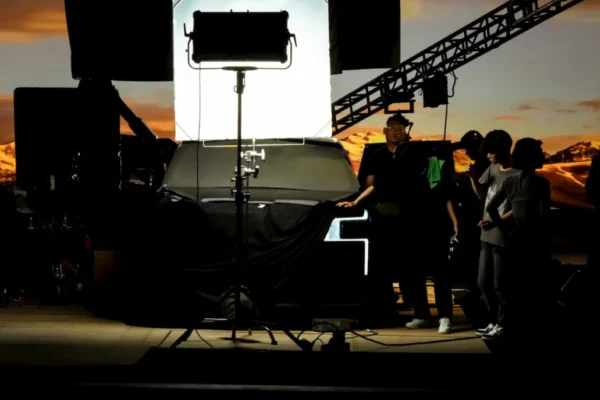
This "back-to-basics" philosophy has garnered unexpected support from one of the industry’s most seasoned critics. James May, the veteran automotive journalist known for his tenure on Top Gear and The Grand Tour, recently subjected the Slate to a rigorous hands-on evaluation. His endorsement—stating, "You know what, I think I would—I’d have one"—serves as a high-profile validation of the startup’s mission. For a critic who has piloted the world’s most expensive hypercars and technologically advanced engineering marvels, his preference for the Slate’s stripped-down, honest approach speaks volumes about the current state of consumer fatigue regarding automotive "feature creep."
The Engineering Philosophy Behind the Slate
At its core, the Slate is designed to address the primary barriers to electric vehicle (EV) adoption: high cost and perceived mechanical complexity. Unlike the heavy-duty, high-performance electric trucks currently populating the North American market, the Slate adopts a compact form factor. It features a two-seat cabin and a functional, albeit small, cargo bed, prioritizing maneuverability and efficiency over raw towing capacity or luxury interior appointments.
The powertrain is equally straightforward, utilizing a single rear-mounted electric motor. This configuration simplifies maintenance and reduces the overall part count of the vehicle. Performance estimates suggest an entry-level range of approximately 150 miles per charge, which serves the needs of urban fleets and short-range commuters. For those requiring greater utility, Slate has proposed an optional larger battery configuration that pushes the total range to approximately 240 miles, a figure that remains competitive for its class without ballooning the vehicle’s overall weight or cost.
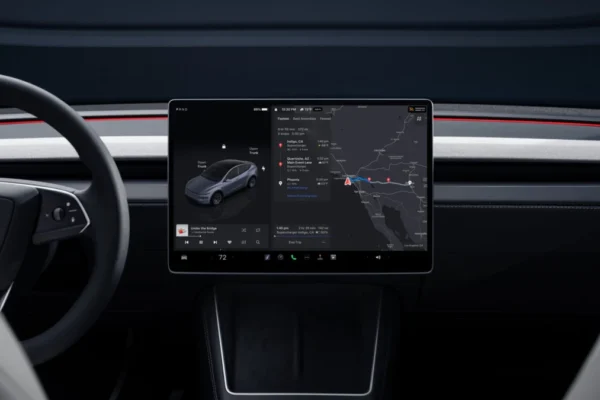
The interior is perhaps the most striking departure from industry standards. In lieu of a centralized, proprietary infotainment system, the Slate features a minimalist dashboard equipped with a simple, robust phone mount. This design choice effectively delegates navigation and multimedia tasks to the driver’s personal device, thereby eliminating the software obsolescence issues that plague many modern vehicles. Manual windows, physical tactile switches, and an absence of complex digital clusters emphasize the vehicle’s identity as a tool for labor rather than a rolling entertainment hub.
A Chronology of the Slate’s Emergence
The development of the Slate has been a study in iterative design and market positioning. Following the initial announcement of the platform, the company focused on modularity, allowing for various exterior color palettes and utility configurations.
- Early Development Phase: Slate began by identifying the "white space" in the market—the gap between heavy-duty work trucks and expensive consumer-grade EVs.
- Prototype Reveal: The unveiling of the high-roof and standard models demonstrated the company’s intent to offer a versatile, multi-purpose vehicle.
- Media Engagement: The collaboration with prominent automotive figures, including James May, marked a transition from a niche engineering project to a public-facing entity.
- Market Analysis: Throughout the last 24 months, Slate has navigated the logistical challenges of production, including the decision to limit distribution to specific regions, notably opting against a Canadian launch for the initial rollout.
This timeline highlights a deliberate, measured approach to market entry. By focusing on proof-of-concept before mass-market scaling, the company has attempted to mitigate the production pitfalls that have derailed other EV startups in recent years.
Economic Implications and Market Viability
The $25,000 price point is the most significant aspect of the Slate’s strategy. In an era where the average transaction price for a new vehicle in the United States often exceeds $48,000, the Slate presents a compelling alternative for fleet managers, small business owners, and budget-conscious consumers who have been priced out of the new truck market.

However, this price point comes with inherent trade-offs. The lack of advanced driver-assistance systems (ADAS) and high-end materials means the vehicle occupies a specific niche. Analysts point out that while the "minimalist" strategy is appealing in theory, it requires the buyer to accept a level of austerity that has been largely absent from the automotive sector for decades. The success of the Slate will depend heavily on its ability to prove that its "stripped-down" nature translates into long-term reliability and low cost of ownership.
Furthermore, the secondary market for these vehicles—and the ability to service them—remains an open question. Traditional automakers have massive service networks, whereas a startup like Slate must develop a decentralized or direct-to-consumer service model to support its customers.
Broader Industry Context
The rise of the Slate coincides with a broader conversation within the automotive industry regarding the necessity of "right-sizing" vehicles. As the environmental impact of manufacturing massive, multi-ton electric trucks comes under scrutiny, the industry is seeing a renewed interest in lighter, more efficient platforms.
The Slate is not alone in this sentiment, but it is one of the few to marry this philosophy with an electric powertrain at an accessible price point. While traditional legacy manufacturers are currently focused on high-margin luxury EVs, the void left at the bottom of the market creates a significant opportunity for agile startups.
Official Responses and Public Reception
Public reception, as evidenced by the reaction to recent demonstrations, has been cautiously optimistic. While some critics argue that the lack of standard features—such as integrated infotainment or advanced safety sensors—might deter the average consumer, others see the Slate as a return to the foundational principles of automotive design: durability, utility, and affordability.
James May’s endorsement is particularly significant because it underscores a growing sentiment among enthusiasts and practical users alike: that the modern car has become unnecessarily complicated. By removing the digital barriers between the driver and the road, the Slate offers a driving experience that feels more tactile and engaged.
Future Implications and Conclusion
The long-term impact of the Slate on the automotive industry remains to be seen. If the company successfully scales production and maintains its price targets, it could force larger, established manufacturers to reconsider their own entry-level offerings. Conversely, if the startup faces the same production bottlenecks that have plagued other EV newcomers, the project could serve as a cautionary tale regarding the difficulty of disrupting established manufacturing giants.
For now, the Slate stands as a bold experiment in minimalism. By stripping away the non-essentials, the company is attempting to redefine what it means to own a truck in the 21st century. Whether the market is truly ready to embrace this back-to-basics approach will be determined by the sales figures and the real-world durability of the units currently entering the hands of early adopters.
As the automotive industry continues its transition toward electrification, the Slate serves as a reminder that innovation is not always found in the latest high-tech gadgetry. Sometimes, the most significant innovation is simply building a reliable, affordable tool that does exactly what it was designed to do, without the distractions of the modern digital age. The path forward for Slate is narrow and challenging, but the company has successfully captured the attention of both the industry and the public, proving that there is still a powerful demand for the simple, the rugged, and the affordable.