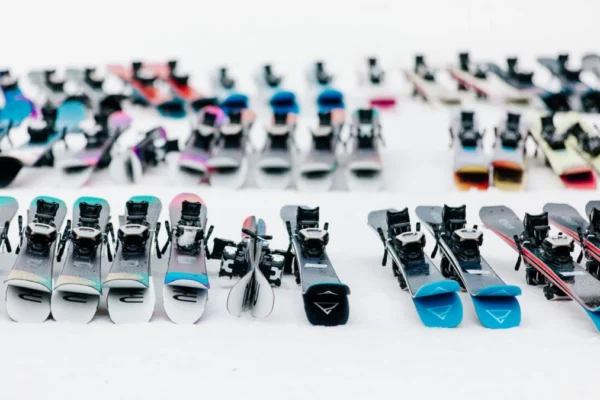






The evolution of snowboarding technology reached a new milestone in late 2026, as manufacturers finalized the release of the 2027 fleet of hardware. Following extensive, multi-season field testing of over 40 distinct models, industry experts have identified a definitive shift in the market. The current landscape is defined by a trifecta of high-performance innovation: the Union Neo, the Bataleon Ghost FASE, and the Ride Circuit Carbon. These models have effectively replaced several aging staples, reflecting a broader consumer demand for gear that prioritizes mechanical reliability and the precise translation of rider input.

As the essential interface between a rider’s boot and their board, the binding serves as the critical conduit for energy transfer. Inadequate hardware often results in a disconnected, sluggish sensation that hinders technical progression and increases the risk of equipment failure during high-stress maneuvers. Conversely, modern high-end bindings utilize advanced polymers and carbon-injected baseplates to ensure that micro-movements are immediately reflected in the board’s edge-to-edge response.
The 2027 Testing Methodology and Industry Standards
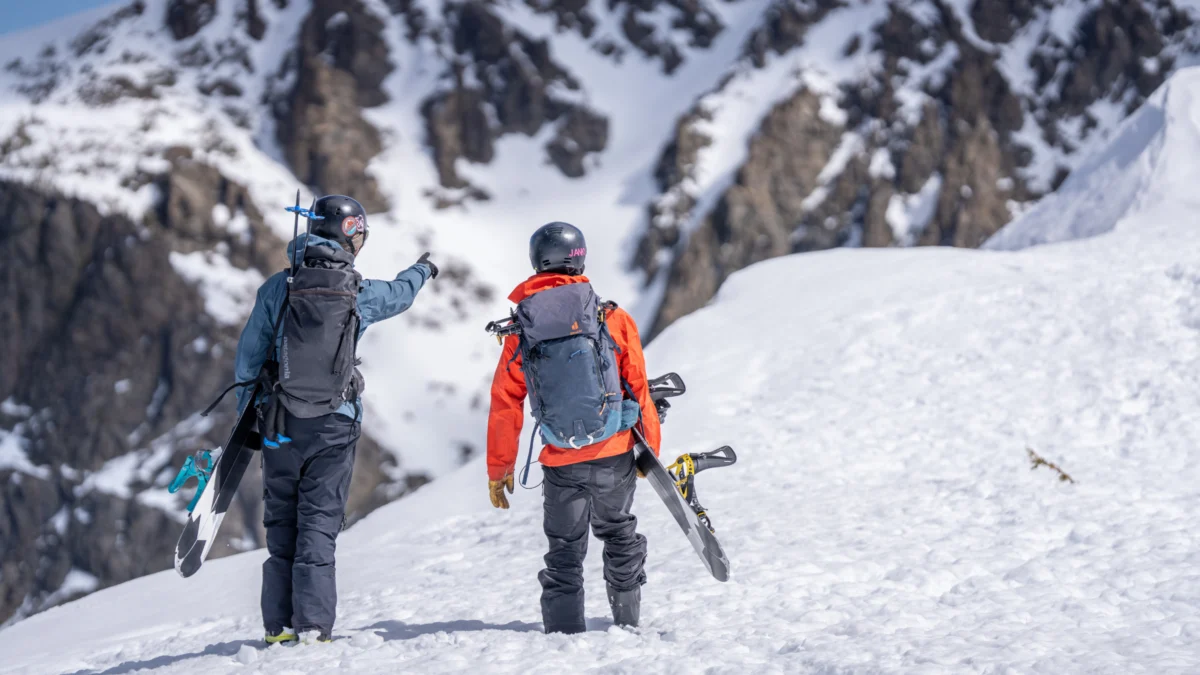
This year’s findings are the result of a rigorous, long-term testing program conducted across diverse environments, from the technical chutes of the Sierra Nevada to the high-consequence terrain of the Rockies. Unlike short-term industry showcases, this evaluation process prioritized longitudinal durability. By testing equipment over several months of consistent use, the research team was able to identify structural weaknesses in highbacks, strap integrity, and pivot-point longevity that are often overlooked in static showroom demonstrations.
The testing protocols required participants to score equipment on a quantitative scale across five metrics: responsiveness, dampening, adjustability, durability, and weight. The qualitative feedback provided by the test team—which includes veteran snowboard instructors, competitive racers, and professional guides—offers a comprehensive view of how these products perform under the duress of a full winter season.
Market Segmentation: From Freestyle to Freeride
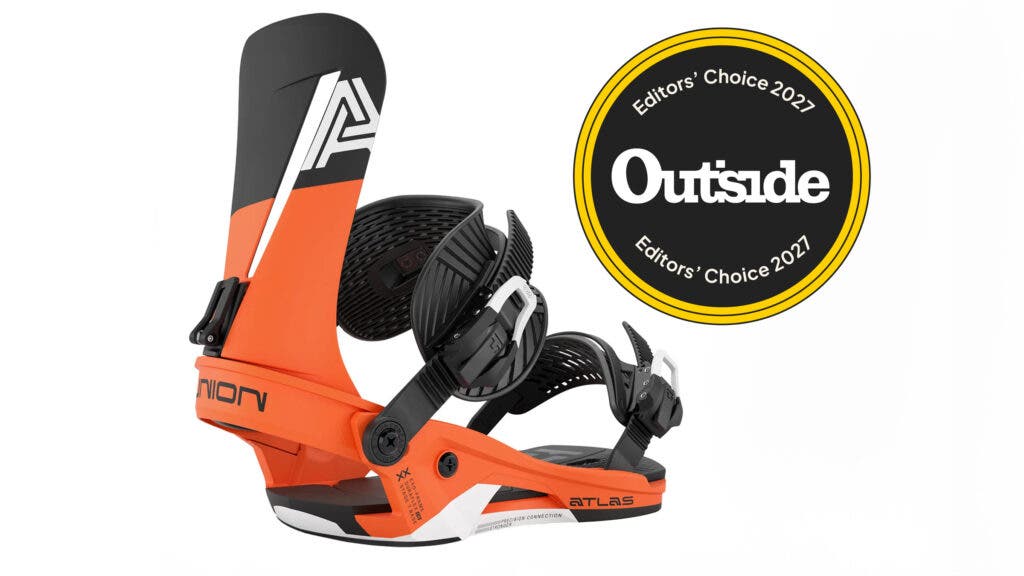
The 2027 market shows a clear bifurcation between specialized, discipline-specific hardware and versatile all-mountain solutions. For the third consecutive year, the Union Atlas has secured the Editors’ Choice award. Its dominance is attributed to a balance of a stiff, carbon-injected nylon baseplate and refined dampening systems that manage high-impact landings while maintaining the responsiveness required for aggressive, big-mountain riding.
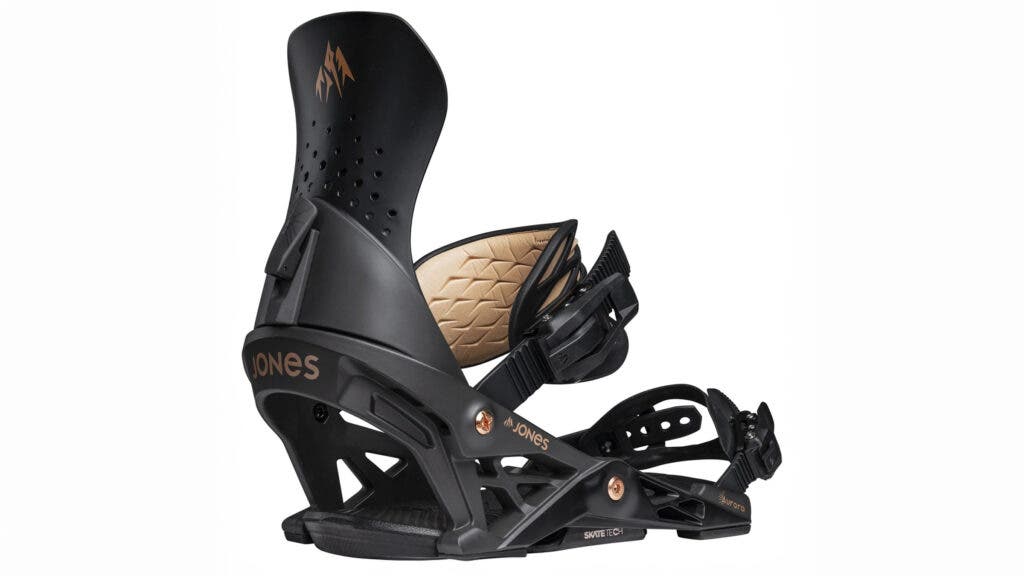
However, the industry is seeing a significant influx of capital and engineering focus into "fast-entry" systems. The FASE (Fast-Entry) technology, pioneered by brands like Jones and Bataleon, aims to bridge the gap between the speed of traditional step-in systems and the performance-oriented feel of standard ratcheting straps. Data from the 2026-2027 season indicates that while traditional strap-in bindings remain the gold standard for high-performance, expert-level riding, fast-entry systems are capturing a growing share of the intermediate and casual-user demographic.
Chronology of Innovation and Material Science
The development of the current binding crop follows a decade of material advancements. In the early 2020s, the focus was primarily on weight reduction. By 2025, the industry shifted toward structural dampening, integrating materials such as thermoplastic polyurethane (TPU) and high-density Vaporlite to mitigate the vibrations caused by high-speed descents on chundery, ice-laden snow.
The 2027 models represent the maturation of these technologies. For instance, the Ride Circuit Carbon utilizes an ultra-stiff carbon highback paired with integrated urethane dampening—a combination that would have been technologically prohibitive to mass-produce just five years ago. This synthesis of rigidity and vibration management allows for the high-velocity precision required in boardercross and technical carving, without the rider fatigue typically associated with rigid carbon setups.
Comparative Analysis of Leading Systems
| Model | Category | Primary Flex | Target Demographic |
|---|---|---|---|
| Union Atlas | All-Mountain | Stiff | Aggressive / Advanced |
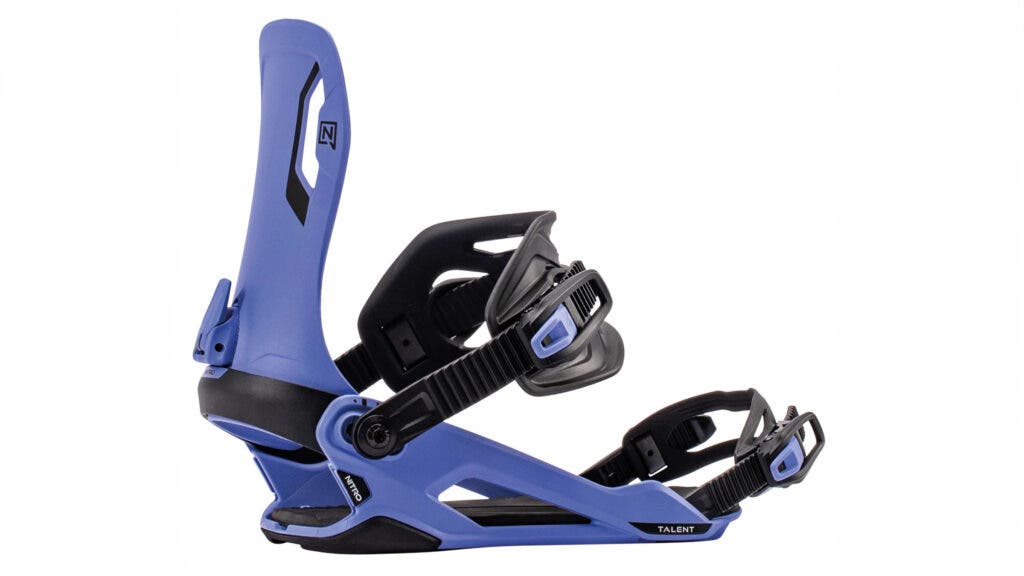
| Nitro Talent | Budget | Mid-Soft | Intermediate |
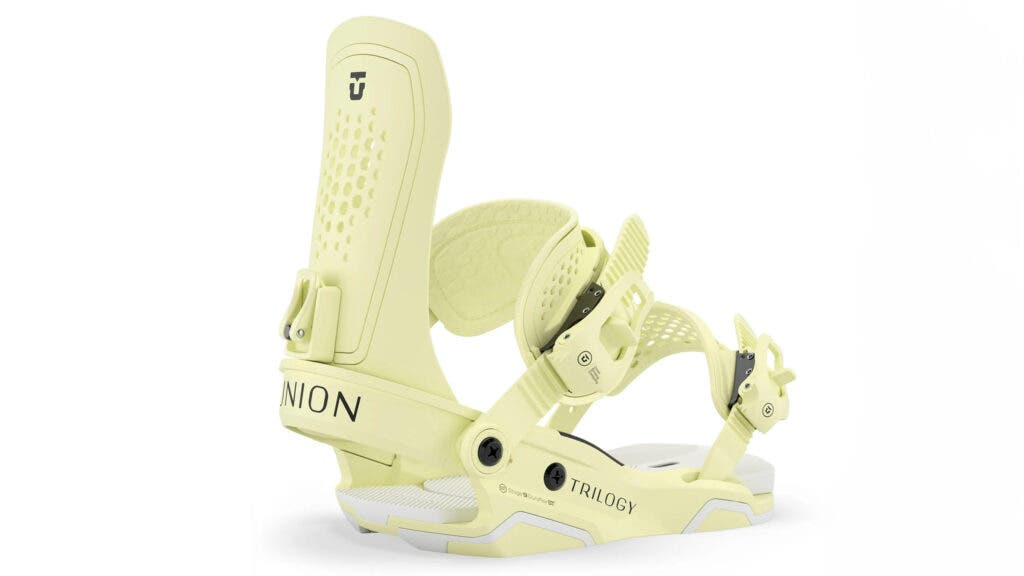
| Union Ultra | Freestyle | Mid-Soft | Park / Jib |
| Ride Circuit Carbon | Freeride | Ultra-Stiff | Expert / Carving |
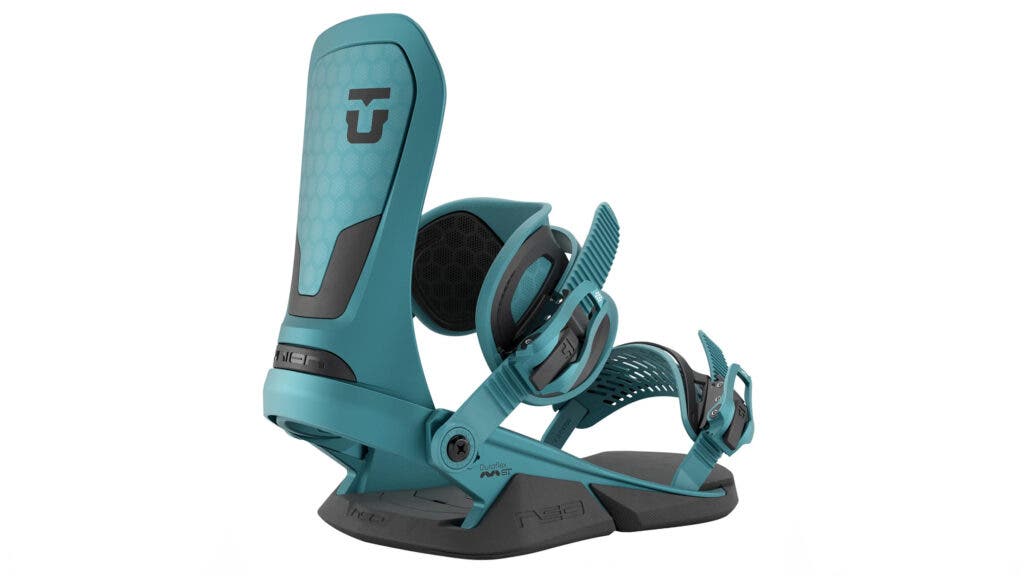
| Spark R&D Arc ST | Splitboard | Medium | Backcountry |
The data indicates that the "Budget" category, led by the Nitro Talent, has seen significant performance gains. Previously, entry-level equipment often relied on inferior materials that compromised longevity. The 2027 budget tier now features aluminum heel cups and cable-reinforced straps—features that were reserved for top-tier professional gear as recently as 2024.
The "Step On" vs. Traditional Debate
The rise of the Burton Step On system and its competitors continues to be a subject of intense professional debate. From a mechanical perspective, the Step On system provides a direct, three-point connection between the boot and the binding, which provides a level of responsiveness that is arguably unmatched in the current market.
However, industry experts note a significant "terrain limitation" for these systems. Professional guides and instructors who tested these systems reported that while they offer unparalleled convenience on groomed resort runs, their utility decreases in steep, backcountry, or highly technical terrain. The difficulty of clearing snow from the engagement points in deep powder or on exposed, high-angle slopes remains a primary hurdle for widespread adoption among the most experienced segment of the rider population.
Environmental Impact and Sustainability
A growing trend within the 2027 product cycle is the emphasis on repairability. With the increased scrutiny on the outdoor industry’s environmental footprint, several manufacturers have moved toward modular designs. The Rome Katana, for example, features highly customizable strap configurations that allow users to replace specific components rather than the entire binding assembly. This shift is not only a functional improvement for the user but also a response to consumer pressure for products that can withstand multiple seasons of heavy use.
Expert Insights on Selection and Maintenance
The consensus among the testing team is that the most common error in binding acquisition is improper sizing relative to boot geometry. The recommendation is to select boots first, as the shell size and footprint determine the compatibility with the binding’s heel cup and baseplate dimensions.
Furthermore, the longevity of a binding is directly tied to a rigorous maintenance schedule. Professional testers emphasize the importance of checking pivot points and hardware tension at least once every ten days of riding. The 2027 season’s performance data suggests that bindings treated with consistent, basic maintenance—such as checking for loose screws and clearing debris from the ratchet teeth—last approximately 40% longer than those that are neglected.
Future Implications for Snowboard Hardware
Looking toward the 2028 season, the industry is expected to lean further into artificial intelligence-aided design, which is already being used to optimize the weight-to-strength ratios of injection-molded components. We are also likely to see a convergence of the FASE and traditional strap systems, as manufacturers seek to offer the convenience of quick-entry with the nuanced, tunable feel of a standard strap.
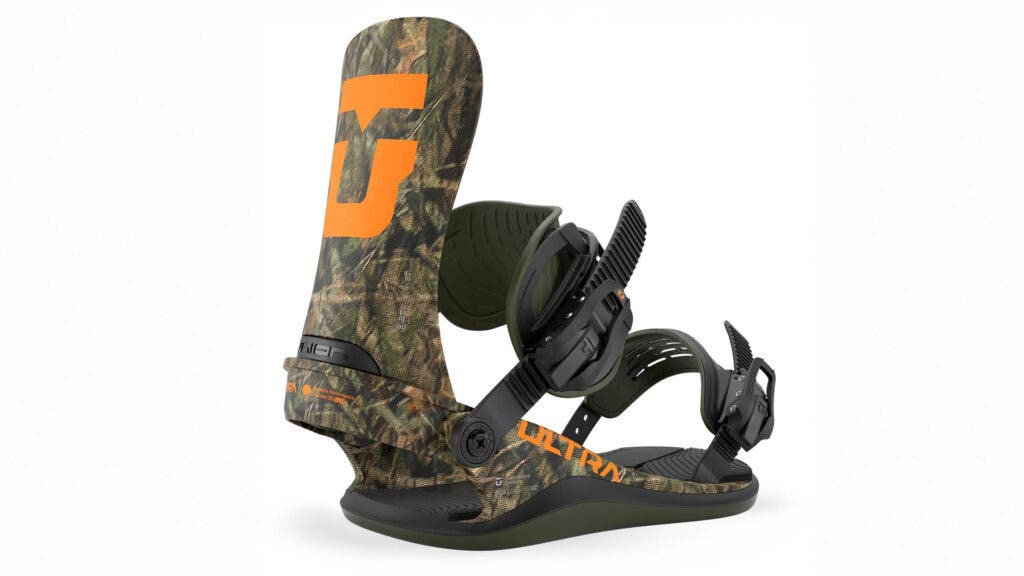
For the 2027 season, riders are encouraged to prioritize their specific terrain preferences over brand loyalty. An indiscriminate all-mountain rider may find the Union Atlas perfectly suited to their needs, while a park-focused individual will find the Union Ultra’s torsional flexibility significantly more advantageous for freestyle progression. Ultimately, the best binding is one that provides a seamless, invisible connection between the rider and the mountain, allowing for the intuitive translation of intent into movement. As the season progresses, the performance of these 2027 models will continue to be monitored to ensure they meet the rigorous demands of the modern snowboarding landscape.