







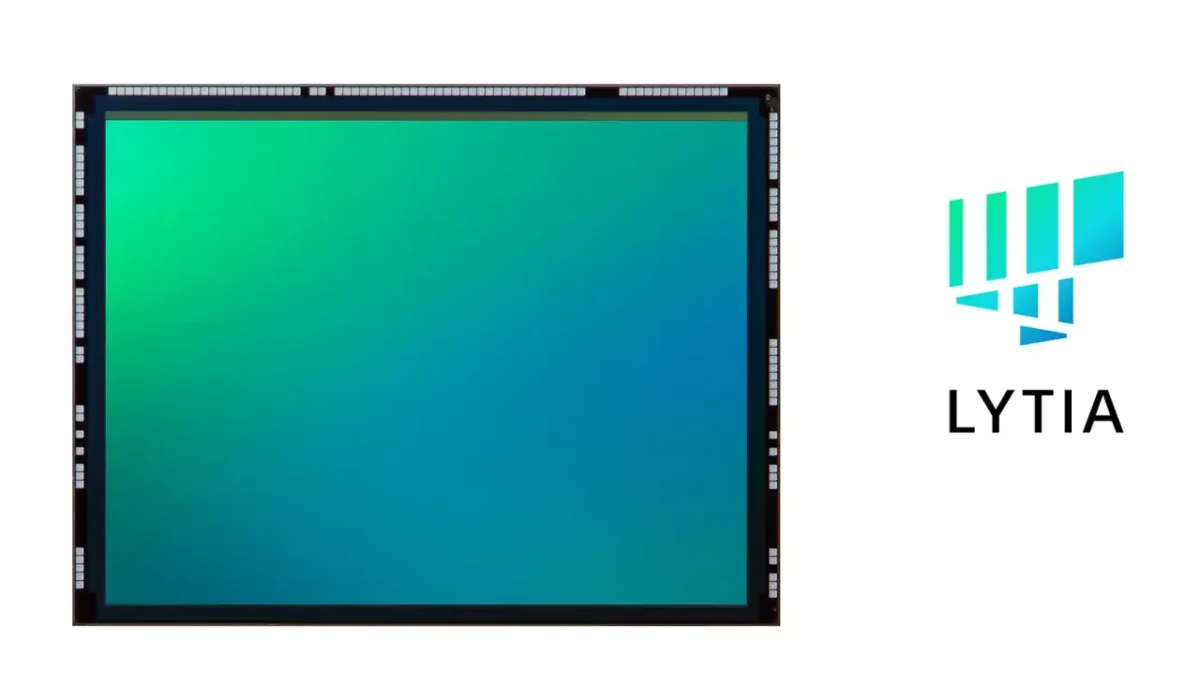
Sony Semiconductor Solutions has officially announced the expansion of its cutting-edge LYTIA image sensor lineup with the introduction of the brand-new LYTIA 720. Tailored specifically for the competitive mid-to-high-tier smartphone market, this advanced 50-megapixel sensor is engineered to bridge the gap between premium flagship photography and accessible mobile devices. Featuring an optical format of 1/1.56 inches and individual pixel sizes of 1.0 micrometers, the LYTIA 720 promises to deliver exceptional image clarity, superior low-light performance, and advanced dynamic range capabilities. This latest release underscores Sony’s ongoing commitment to redefining mobile imaging standards by bringing professional-grade technologies into mainstream consumer electronics.
The Evolution of the LYTIA Lineup and Market Positioning
Over the past several years, the smartphone industry has experienced a paradigm shift regarding mobile photography. Consumers no longer rely solely on standalone cameras for capturing life’s important moments; instead, they demand DSLR-like versatility from the devices they carry in their pockets. In response to this shifting paradigm, Sony developed the LYTIA brand to categorize its advanced complementary metal-oxide-semiconductor (CMOS) image sensors.
The introduction of the LYTIA 720 arrives at a crucial juncture for smartphone manufacturers. As the mid-range market becomes increasingly saturated, brands are constantly seeking hardware differentiators to attract discerning buyers. By offering a sensor that bridges mid-range affordability with high-end imaging capabilities, Sony is empowering manufacturers to elevate the photographic prowess of their upcoming devices without drastically increasing production costs. Industry analysts note that sensors in the 1/1.5-inch category represent the sweet spot for modern smartphone design, allowing for large light-gathering surface areas while maintaining slim, ergonomic device profiles that do not suffer from excessive camera module protrusions.
Cutting-Edge Hardware: Ultra High Conversion Gain (UHCG) Technology
At the heart of the Sony LYTIA 720 is the implementation of Ultra High Conversion Gain (UHCG) technology. This proprietary architectural innovation allows the sensor to convert light into electrical signals with remarkable efficiency, particularly in dimly lit environments. By optimizing the conversion gain, the sensor significantly reduces read noise—a common artifact that degrades image quality in low-light photography.
When compared to its predecessor, the LYTIA 700, the new LYTIA 720 achieves up to a 50 percent reduction in noise under challenging lighting conditions. This dramatic enhancement enables the sensor to capture cleaner, sharper images in dark settings, night scenes, or indoor environments where artificial lighting is often suboptimal. Furthermore, UHCG technology works in tandem with an advanced dual-conversion gain system, allowing the sensor to dynamically adjust its sensitivity based on the ambient lighting environment. This ensures that highlights are preserved and shadow details are drawn out, resulting in well-balanced exposures across a wide variety of shooting conditions.
Cinematic Video Capabilities: 4K HDR at 60 FPS
In addition to still photography, the Sony LYTIA 720 brings professional-grade video recording features to the mid-tier segment. Modern content creators and everyday smartphone users alike demand high-resolution, smooth video output for social media platforms and personal archiving. Recognizing this demand, Sony has equipped the sensor with advanced Analog-to-Digital (AD) conversion technology, which ensures high-speed signal processing with minimal distortion.
The LYTIA 720 fully supports high-dynamic-range (HDR) video recording at 4K resolution up to 60 frames per second (fps). This capability allows users to record fluid, highly detailed video footage even when shooting against bright light sources, such as sunsets or harshly lit indoor stages. By processing multiple exposure frames simultaneously, the sensor eliminates the ghosting artifacts and blown-out highlights that have historically plagued mobile video recording in high-contrast scenarios. This robust video pipeline ensures that mid-range smartphones utilizing the LYTIA 720 will be fully equipped to handle demanding cinematic projects and high-definition vlogging.
Hybrid Frame-HDR for Unmatched Dynamic Range
One of the standout technical achievements of the LYTIA 720 is its incorporation of Hybrid Frame-HDR (HF-HDR) technology. Traditional HDR implementations often struggle with fast-moving subjects, as merging frames captured at different times can result in motion blur or severe ghosting effects. HF-HDR cleverly overcomes this limitation by combining the strengths of DCG-HDR (Dual Conversion Gain HDR) with advanced frame-stitching algorithms.
This hybrid approach allows the sensor to capture high-dynamic-range scenes with a total dynamic range exceeding 100 decibels. As a result, the LYTIA 720 can simultaneously preserve bright highlights and deep shadows without sacrificing detail or introducing motion artifacts. Whether capturing a fast-paced athletic event under bright sunlight or a dynamic street scene at dusk, the sensor ensures that every element of the frame remains crisp, vibrant, and accurately exposed. This makes it an ideal choice for users who frequently shoot dynamic, action-oriented content on the go.
Technical Specifications Overview of the Sony LYTIA 720
To fully understand the engineering prowess packed into the Sony LYTIA 720, it is helpful to examine its core technical parameters in detail:
- Sensor Type: CMOS Active Pixel Image Sensor (LYTIA Series)
- Resolution: 50 Megapixels
- Optical Format: 1/1.56 inches
- Individual Pixel Size: 1.0 micrometers
- High Dynamic Range (HDR) Technology: Hybrid Frame-HDR (HF-HDR) with Ultra High Conversion Gain (UHCG)
- Dynamic Range: Exceeding 100 dB
- Video Recording Capabilities: 4K resolution at 60 frames per second with real-time HDR processing
- Target Market: Mid-to-high-tier mobile devices and smartphones
Strategic Rollout and Industry Implications
Sony Semiconductor Solutions has confirmed that engineering samples of the LYTIA 720 are currently being distributed to major smartphone manufacturers worldwide. Mass production and commercial integration are slated to ramp up ahead of a broader market rollout projected for 2026. Industry insiders anticipate that the first wave of commercial smartphones featuring the LYTIA 720 sensor will begin appearing on store shelves in the first half of that year.
The introduction of the LYTIA 720 is expected to have a profound impact on the competitive landscape of mobile imaging. As consumers increasingly prioritize camera quality when purchasing a new smartphone, manufacturers are under immense pressure to deliver superior photographic experiences across all price tiers. By providing a sensor that punches well above its weight class, Sony is leveling the playing field, enabling budget-conscious consumers to enjoy professional-grade photography and videography features that were once exclusive to ultra-expensive flagship devices.
Furthermore, this release highlights Sony’s relentless pursuit of semiconductor innovation. By continuously refining pixel architectures, noise reduction algorithms, and high-speed data conversion pathways, Sony maintains its dominant position as a primary supplier of image sensors to the global technology industry. As smartphone brands begin designing their 2026 hardware lineups around the LYTIA 720, the standard for mid-range mobile photography is poised to reach unprecedented heights.