







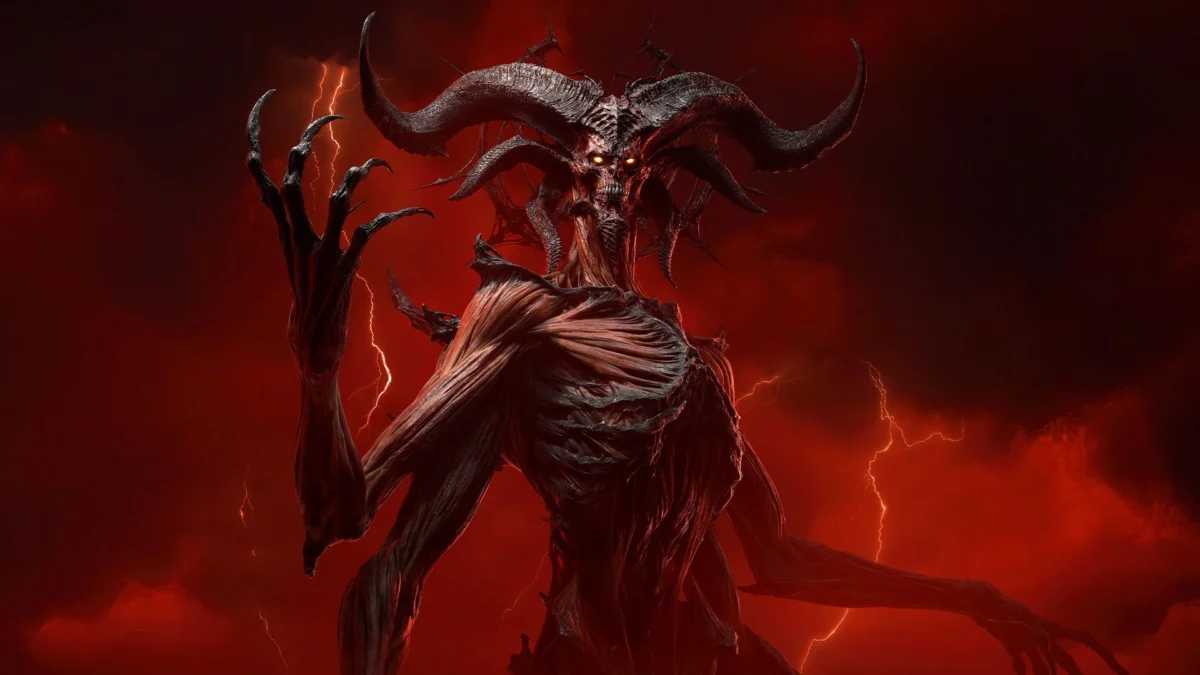
The release of Diablo 4: Lord of Hatred marks a definitive milestone for Blizzard Entertainment’s flagship action role-playing game (ARPG) franchise. Following a turbulent live-service lifecycle marked by shifting community sentiment, alternating seasonal successes, and mixed receptions to previous updates, this expansion attempts to rectify historical grievances while bringing a definitive close to the overarching narrative arc that began with the base game’s launch.
Initial industry reception indicates that Lord of Hatred succeeds structurally and narratively, offering more than 30 hours of campaign and endgame content that addresses long-standing player feedback regarding character progression, loot systems, and endgame diversity.
Background and Context of the Expansion
Released as the second major expansion for Diablo 4, following the 2024 launch of Vessel of Hatred, Lord of Hatred arrives under considerable pressure. While Vessel of Hatred introduced the critically praised Spiritborn class, its narrative scope faced criticism from the player base for feeling detached from the main storyline and resembling supplementary side quests rather than a substantial continuation.
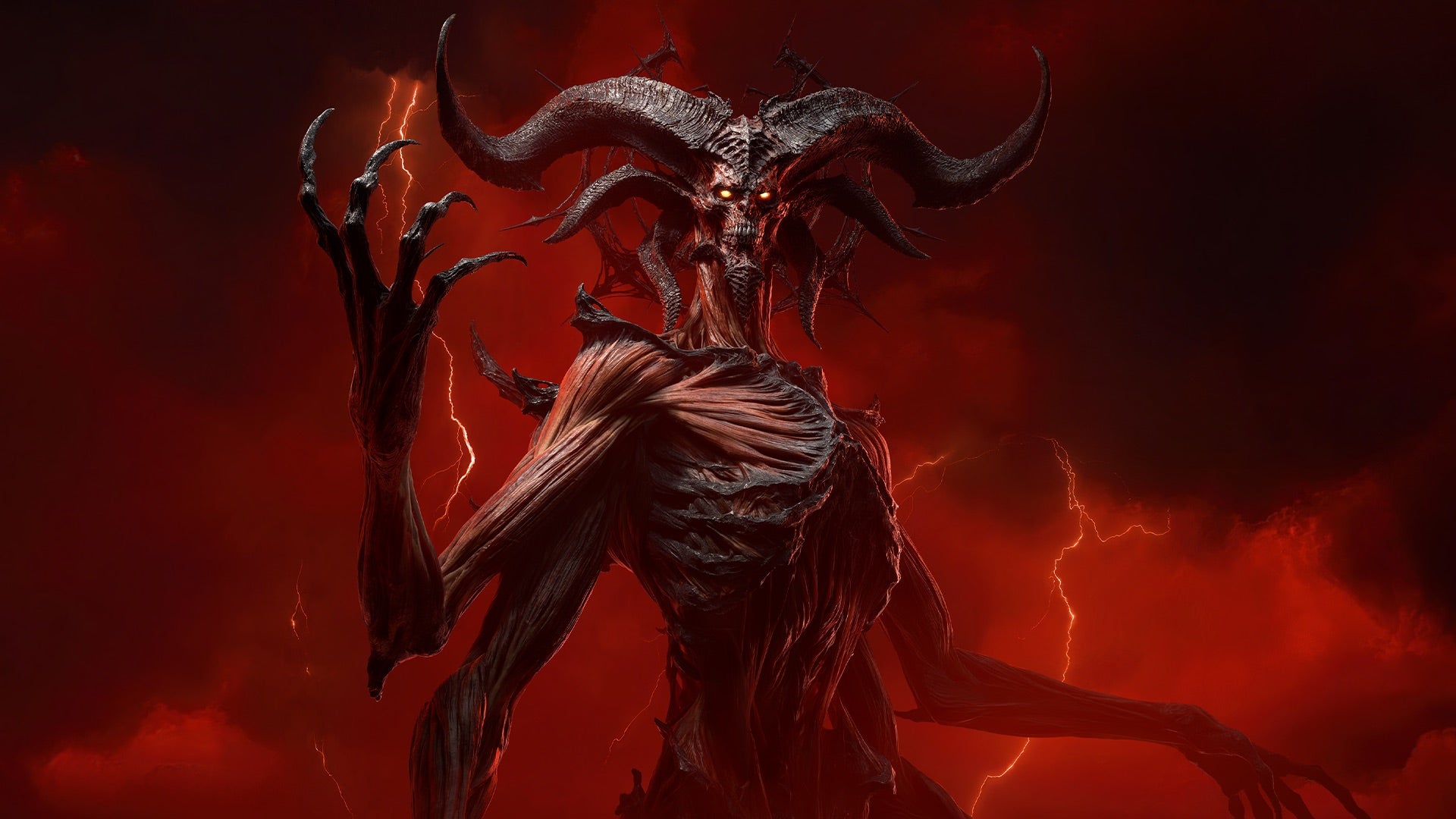
Blizzard Entertainment positioned Lord of Hatred as a direct narrative course-correction. The expansion picks up shortly after the events of its predecessor, centering once again on Neyrelle as she navigates new territories within Sanctuary in a desperate bid to prevent Mephisto—the titular Lord of Hatred—from escaping his containment stone.
Chronology and Setting: The Skovos Isles
The narrative geography of Lord of Hatred introduces the Skovos Isles to the mainline Diablo continuity for the first time. In franchise lore, Skovos holds profound significance as the primordial birthplace of humanity’s progenitors, tracing their lineage directly to Lilith and Inarius.

Architecturally and aesthetically, the region draws heavy inspiration from Mediterranean and Aegean provinces, incorporating cobblestone thoroughfares, stucco walls, and classical structural motifs reminiscent of ancient Greek architecture. Culturally, the region is governed by a matriarchal society of warrior priestesses and Amazons, ruled by a queen whose leadership directly influences the expansion’s geopolitical and mystical conflicts.
Despite occupying a slightly smaller landmass than previous expansions like Nahantu, the Skovos Isles feature dense topographical and environmental variety. This design philosophy aims to maintain player engagement across extensive play sessions without inducing map fatigue.
Character Classes: The Paladin and the Warlock
Lord of Hatred expands the game’s roster by introducing two distinct playstyles: the Paladin and the Warlock.

The Paladin class shadow-dropped months ahead of the full expansion release, satisfying a long-standing community demand for a traditional sword-and-board archetype—a structural archetype notably absent from Diablo 4 since its inception. Integrating traditional holy combat mechanics alongside select abilities adapted from historical Amazon iterations, the Paladin provides a heavily armored, defensively robust melee option.
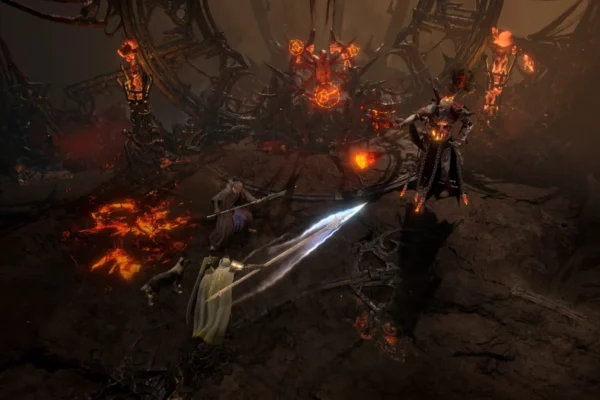
Conversely, the Warlock occupies a complex, high-skill hybrid role drawing thematic inspiration from both the Necromancer and the Sorcerer. Operating as a summoner-caster hybrid, the Warlock demands sophisticated resource management and tactical decision-making, allowing players to sacrifice summoned entities to fuel catastrophic magical attacks. This complexity differentiates the Warlock from simpler rotational classes, offering a distinct mastery curve for veteran ARPG players.
Narrative Architecture and Character Arcs
The core campaign of Lord of Hatred stands as one of the most prominent focal points for reviewers. Eschewing the perceived filler content of Vessel of Hatred, the narrative focuses tightly on high-stakes character development and plot resolution.

A notable element of the campaign is the reintroduction of Lilith. Stripped of the overwhelming power she wielded in the base game, this iteration of the character presents a more vulnerable perspective, aligning her motivations with a consistent narrative trajectory that some critics argued was absent in the initial release. Furthermore, the campaign’s conclusion features definitive narrative consequences, including major character casualties and a final boss encounter utilizing non-traditional mechanics that test player mechanics and thematic comprehension.
Gameplay Overhauls, Progression, and Endgame Systems
Beyond narrative and class additions, Lord of Hatred introduces foundational changes to Diablo 4’s progression systems, directly targeting player complaints regarding gear stagnation and repetitive end-game loops.
- Level Cap and Talent Trees: The level cap is raised to 70, accompanied by a comprehensive restructuring of talent trees for all core classes. Many abilities previously restricted to Legendary gear drop rates have been integrated directly into the skill trees, improving accessibility.
- The Talisman System: A newly implemented Talisman slot introduces passive bonuses and utility enhancements, directly expanding baseline capabilities such as potion capacity and evasion mechanics.
- The Horadric Cube: The fan-favorite Horadric Cube returns, offering crafting recipes that allow players to upgrade equipment rarity and manipulate affixes. This addition provides an alternative progression path for players who have exhausted conventional RNG-based gear hunting.
- War Plans: To address endgame repetition, the War Plans system gamifies endgame loops. Players can curate customized playlists of activities—such as specific dungeon runs or world events—which feed into dedicated progression trees. Completing structured playlists yields supplementary rewards beyond standard loot drops, adding organizational depth to post-campaign progression.
Broader Impact and Industry Implications
Lord of Hatred arrives at a critical juncture for live-service ARPGs, competing directly with titles like Path of Exile 2. By addressing core grievances regarding narrative depth, loot utility, and endgame structure, Blizzard Entertainment has attempted to secure player retention and validate the ongoing viability of the Diablo 4 ecosystem.

Early analyses suggest that the structural changes introduced in Lord of Hatred successfully bridge the gap between casual accessibility and hardcore ARPG depth. Whether these modifications translate to long-term community satisfaction will depend on subsequent seasonal updates and the ongoing balance of the newly introduced Warlock and Paladin classes. However, initial indicators establish the expansion as a technically sound and narratively complete achievement within the genre.