










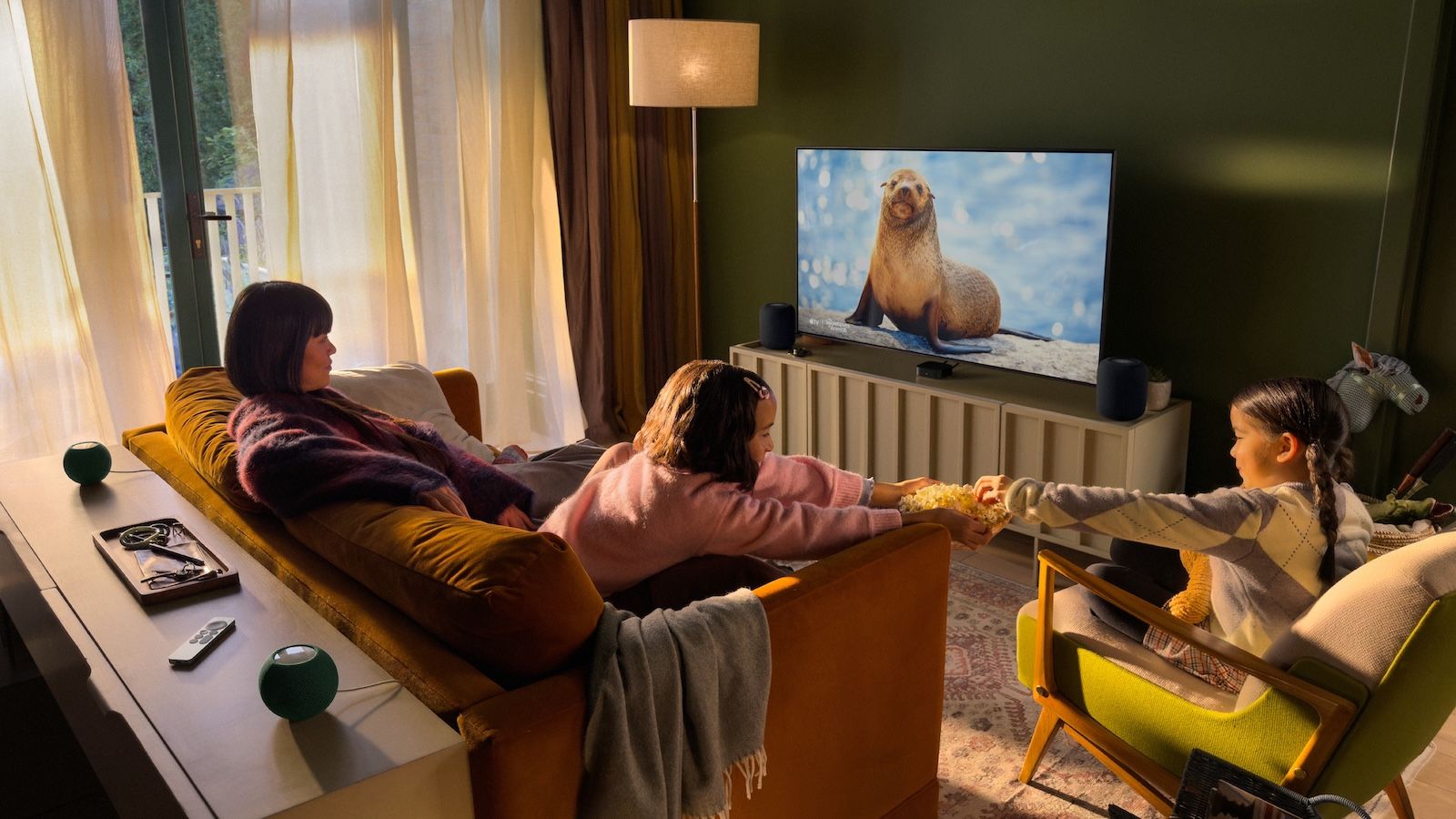
The Apple TV 4K 4th Generation, unveiled just over two weeks ago, represents the latest iteration in Apple’s long-standing strategy to dominate the living room media ecosystem. While the hardware refresh has been met with a measured reception from industry analysts—many of whom point to the high entry price and the overlapping capabilities of previous generations—the device introduces a sophisticated software-driven feature that significantly alters the landscape of wireless home theater: the ability to configure a four-speaker Dolby Atmos surround sound system using Apple’s proprietary HomePod hardware.
This development positions the Apple TV 4K as a central hub for a modular, wireless home cinema experience. By allowing users to pair up to four HomePod units, Apple is effectively competing with high-end dedicated soundbar systems, such as the Sony Bravia Theatre Quad or the Valerion Thunderbeat, without requiring the complex wiring associated with traditional component-based setups.
A Chronology of the Apple TV Ecosystem
To understand the significance of this update, one must look at the evolution of the Apple TV 4K lineup. The original 4K model, launched in 2017, established Apple as a serious contender in the high-bitrate streaming market. The 2021 and 2022 iterations (2nd and 3rd generations) refined the internal processing power, with the 2022 model introducing the A15 Bionic chip, which drastically improved thermal efficiency and UI responsiveness.
The 4th Generation model, released in late 2024, continues this trajectory by leveraging advanced processing to handle complex spatial audio rendering. The timeline of HomePod integration has been equally incremental. When the original HomePod debuted in 2018, its stereo pairing functionality was limited. It was not until the introduction of the HomePod 2 and the refinement of tvOS that the prospect of a multi-speaker "home theater" setup became a viable, reliable alternative to traditional wired systems.
Technical Specifications and Configuration Flexibility
The new quad-speaker setup offers a level of configuration flexibility previously unseen in Apple’s walled garden. Users are not locked into a single hardware tier; instead, the system allows for a "mix and match" approach, provided that the front-facing pair and the surround-facing pair remain identical.
The supported configurations include:
- Four HomePod 2 units for a premium, high-fidelity spatial audio experience.
- Four HomePod Mini units for a compact, budget-conscious surround setup.
- A hybrid configuration utilizing two HomePod 2 units at the front (for primary audio channels) and two HomePod Mini units as rear surrounds.
This modularity is facilitated by the Apple TV 4K’s ability to synchronize audio packets across the network with millisecond precision, ensuring that the latency typically associated with wireless audio systems is minimized. According to internal benchmarks, the system utilizes Apple’s proprietary W3 wireless chip technology to maintain a stable connection, effectively bypassing the congestion often found on 2.4GHz Wi-Fi networks by prioritizing the 5GHz and 6GHz bands for audio data transmission.
The Missing Piece: The Subwoofer Dilemma
Despite the technical achievements of the quad-HomePod system, the setup faces a notable limitation: the absence of a dedicated wireless subwoofer. In traditional home theater architecture, a dedicated Low-Frequency Effects (LFE) channel is critical for the tactile, immersive experience of high-budget cinema.
While the HomePod 2 is capable of producing impressive bass frequencies—utilizing a high-excursion woofer and real-time software tuning—it cannot physically displace air in the same manner as a dedicated 10-inch or 12-inch subwoofer. Industry experts have frequently noted that for true Dolby Atmos immersion, a dedicated sub is necessary to anchor the soundstage.
Currently, Apple does not offer a standalone subwoofer, nor does it allow for the integration of third-party subwoofers from manufacturers like Sonos or KEF. This creates a functional ceiling for the system. While the "quad" configuration is excellent for dialogue clarity and ambient sound effects, it may fall short for users seeking the visceral impact of bass-heavy action sequences or complex orchestral scores.
Industry Context and Market Implications
The decision to push for a four-speaker wireless system aligns with current trends in the smart home sector. Manufacturers are increasingly moving toward "modular" home theater systems. LG’s "Sound Suite," for instance, utilizes a modular approach where wireless subwoofers and satellites can be added to a base soundbar to create a cohesive ecosystem.
Apple’s approach is unique in that it treats the streaming box itself as the AV receiver. By offloading the digital signal processing (DSP) to the Apple TV 4K, Apple eliminates the need for a separate bulky amplifier. However, this creates a potential point of failure: the user experience is entirely dependent on the stability of the local network. In environments with poor Wi-Fi coverage or high signal interference, the system may struggle to maintain the synchronization required for a seamless surround sound experience.
Official Responses and Future Outlook
While Apple has not issued a formal statement regarding the development of a dedicated HomePod subwoofer, supply chain rumors have long suggested that the company has prototyped various audio peripherals. Given the six-year gap between the launch of the original HomePod and the HomePod Mini 2, analysts suggest that Apple’s hardware roadmap is deliberate and highly cautious.
Should the quad-HomePod configuration gain significant market traction, it could force a shift in how competitors approach wireless home theater. If users prove willing to spend the premium required to acquire four HomePods to complete a theater setup, it may incentivize Apple to either release a dedicated sub or, in an uncharacteristic move, open its ecosystem to third-party wireless standards—such as WiSA (Wireless Speaker and Audio Association), which allows for interoperability between different brands of wireless audio equipment.
Analysis: Is the Upgrade Worth It?
For the average consumer, the decision to invest in a 4th Generation Apple TV 4K rests on whether they are already invested in the HomePod ecosystem. For those who own a single or pair of HomePods, the upgrade to a quad system provides a tangible improvement in soundstage width and depth.
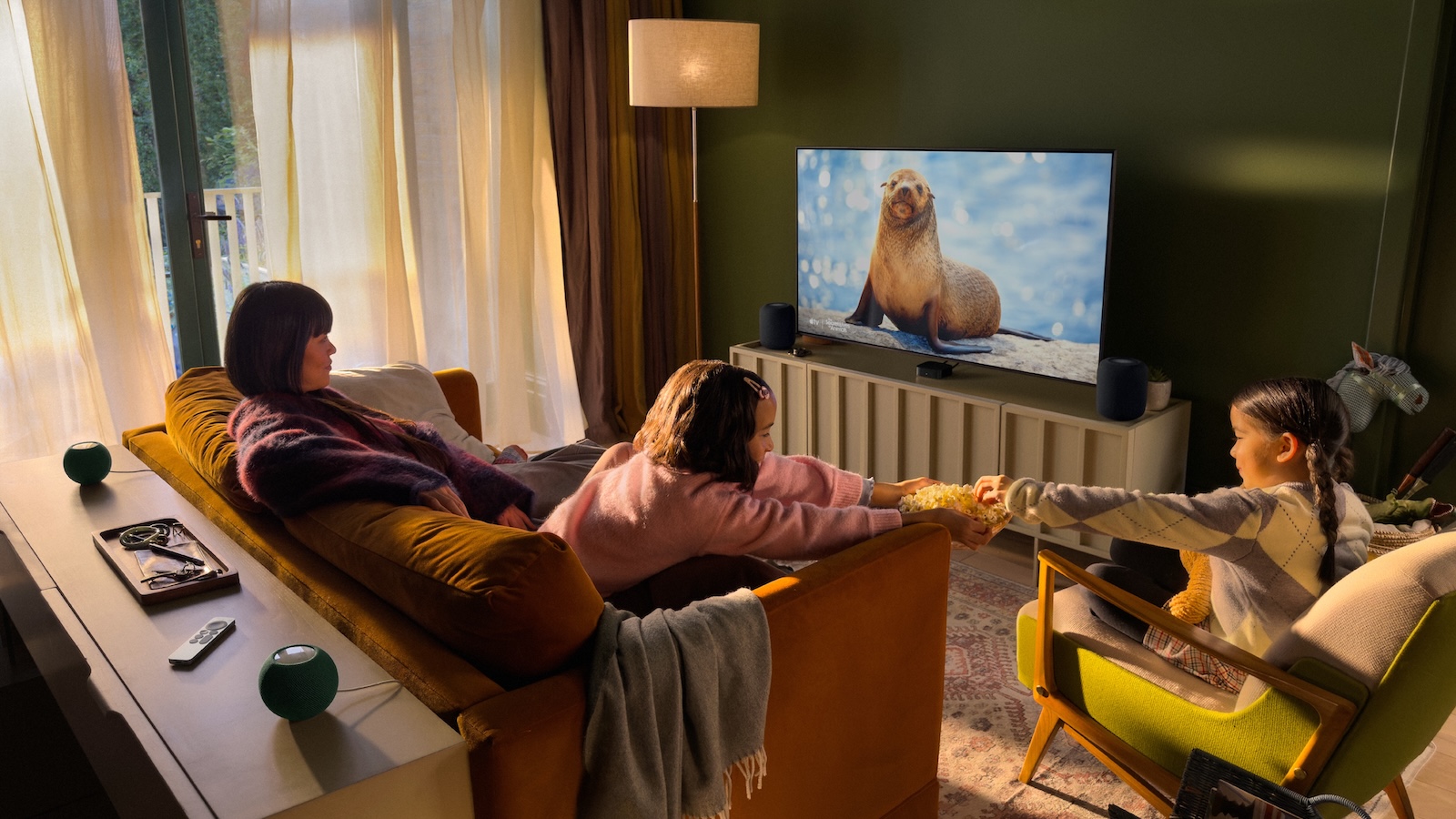
However, from an objective standpoint, the high cost of entry—combined with the current lack of a dedicated LFE channel—means that the system occupies a niche space. It is a "lifestyle" home theater solution, prioritizing design, ease of use, and integration over the raw, uncompressed power of a traditional receiver and wired speaker setup.
As we look toward the next two years, the success of this system will likely be determined by software updates. If Apple continues to refine the "room calibration" software that accompanies these speakers, the system may bridge the gap between "good" and "great." For now, it serves as a compelling proof of concept for the future of living room audio: a world where wires are obsolete, and the central hub is a small, unobtrusive streaming box.
Broader Impact on the Home Entertainment Market
The pivot toward wireless multi-channel audio by a company of Apple’s scale sends a clear signal to the home cinema industry. Legacy audio brands, which have long relied on proprietary wired connections and physical HDMI/ARC configurations, are now facing pressure to match the convenience of Apple’s "plug and play" wireless setup.
Furthermore, the integration of AI-assisted audio tuning—which adjusts the sound profile based on the room’s acoustics—is becoming a standard expectation for consumers. Apple’s utilization of the Apple TV 4K’s processing power to perform these complex room-correction calculations in real-time is a significant advantage that traditional soundbars often struggle to replicate without expensive, external measurement microphones.
As this technology matures, we may see a transition away from the "all-in-one" soundbar toward a more distributed audio model. By allowing users to place speakers in specific locations around the room without the constraint of cabling, Apple is encouraging a more personalized approach to home theater, one that prioritizes the user’s living space rather than forcing the living space to accommodate the audio system.
Ultimately, while the 4th Generation Apple TV 4K may not be a revolutionary leap in terms of streaming hardware alone, its role as the anchor for a modular, high-fidelity wireless audio system marks a pivotal moment in the consumer electronics sector. Whether or not Apple decides to address the missing subwoofer, the infrastructure for a fully wireless, high-performance home cinema is now firmly in place, setting the stage for future iterations that may finally silence the critics of wireless audio quality.