Walk into any outdoor gear retailer on the planet, head directly to the fleece aisle, and you will encounter a systemic problem hiding in plain sight: an overwhelming sea of black. Dozens of versions of the garment hang side by side, each one marginally different from the next in ways that only become visible when two fabric swatches are held together under optimal lighting.
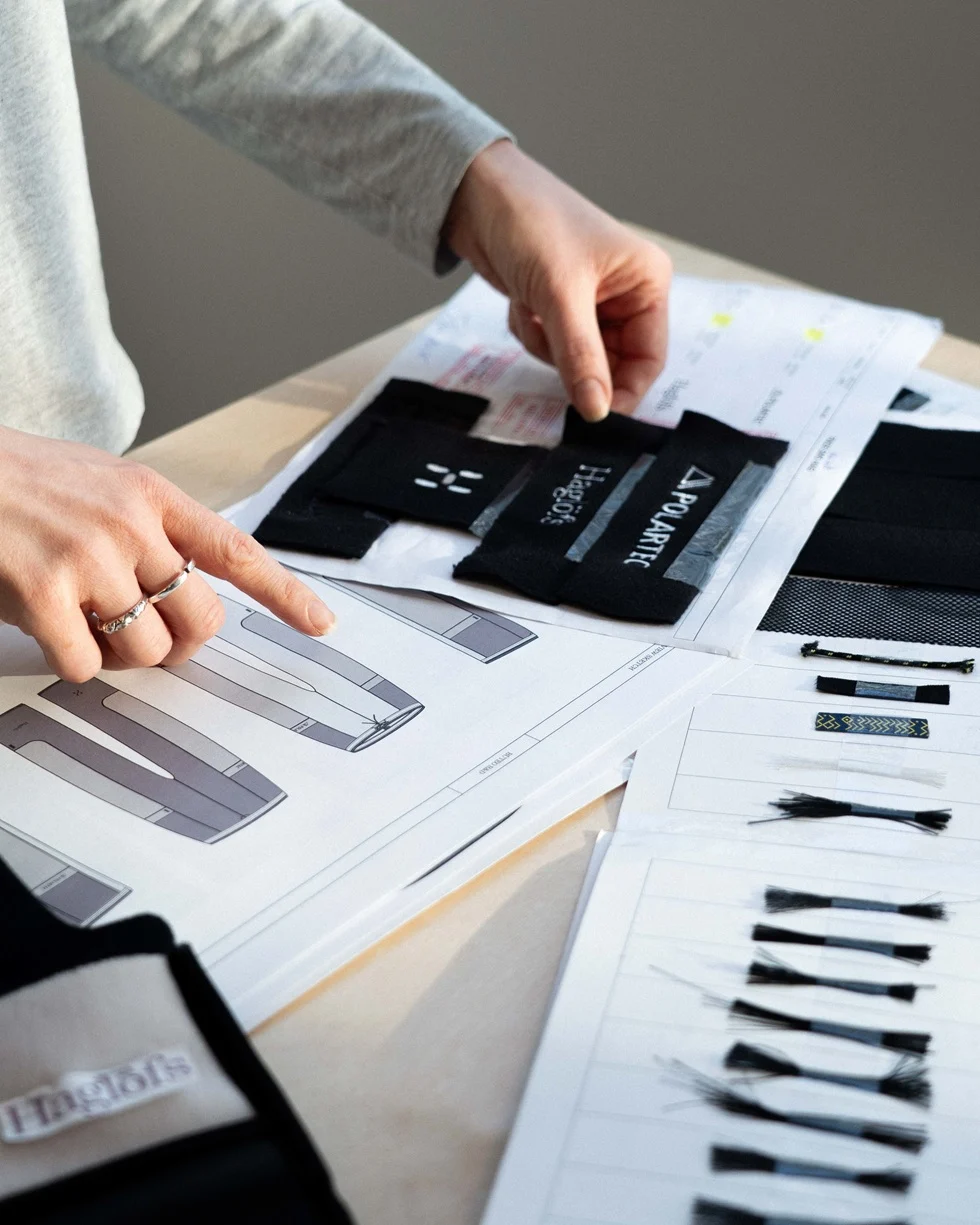
This seemingly minor aesthetic nuance reveals a massive, inefficient industrial process. When examined under close scrutiny, panels cut from different black garments—all crafted from Polartec fleece by prominent outdoor brands during the exact same production season—frequently fail to match. To highlight this hidden absurdity, brands Haglöfs and Polartec joined forces to launch the Black Capsule Project, utilizing leftover black fleece variants to spark an urgent conversation about the staggering ecological footprint of redundant textile dyeing.
The Mechanics of Synthetic Dyeing and the Burden of Black
To grasp the magnitude of the issue, one must examine how textile dyeing functions, particularly for synthetic fabrics like polyester fleece, which dominates the outdoor industry’s mid-layer market. Unlike natural fibers such as cotton and wool, which readily absorb water-based dyes at relatively low temperatures, polyester is inherently hydrophobic. It repels water entirely, requiring an entirely different class of chemistry known as disperse dyes.
Applying disperse dyes requires extreme conditions: high temperatures typically reaching 130 degrees Celsius or above, combined with sustained pressure in a hot aqueous bath. This process forces the dye molecules deep into the polymer structure of the fiber itself. Consequently, the procedure is inherently energy-intensive.
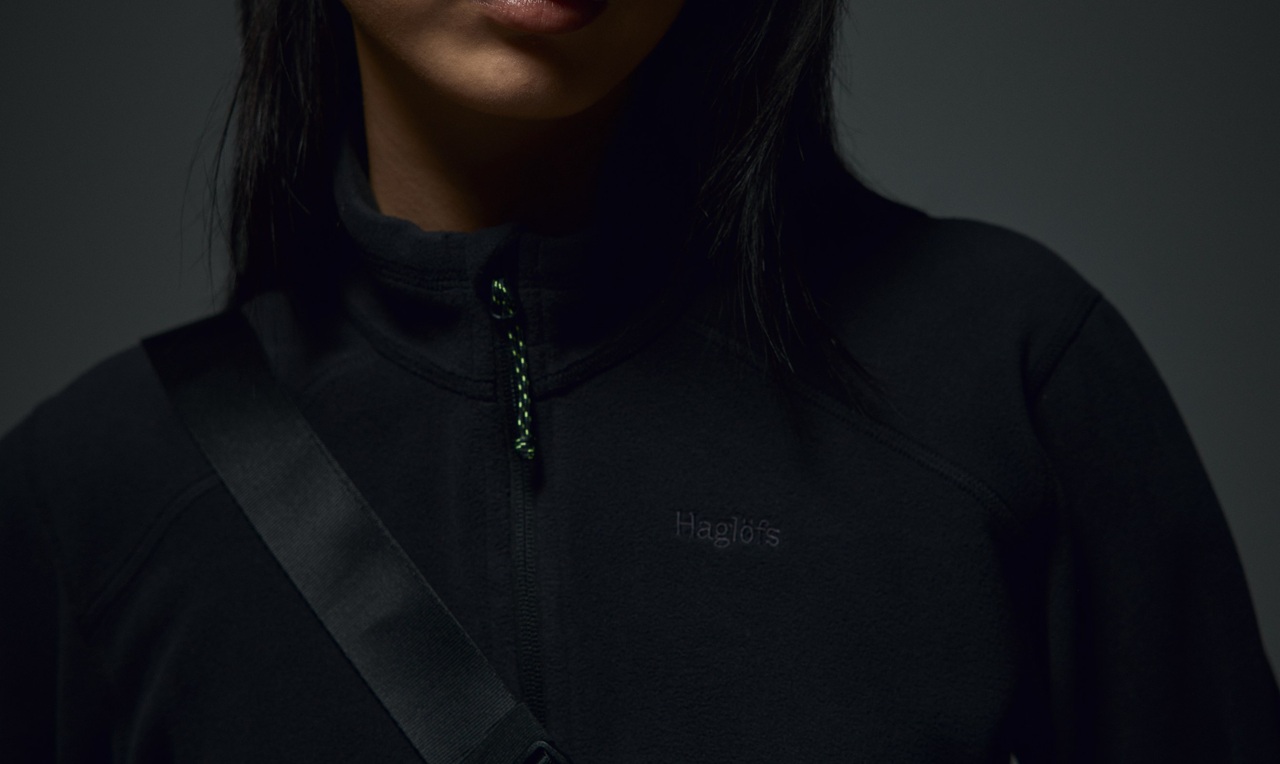
Among all colors, black demands the most resources. Achieving a deep, consistent, neutral black requires layering multiple disperse dye molecules together, each contributing a specific shade to the final outcome. This demands more chemical agents, additional fixation cycles, massive volumes of water, and prolonged heat exposure.
According to global textile industry estimates, textile dyeing and finishing operations are responsible for the largest share of the roughly 20% of global industrial water pollution attributed to the fashion and textile sectors. Depending on the method, depth of shade, and facility efficiency, processing a single kilogram of dyed polyester fabric requires anywhere from 30 to 150 liters of water. Because black sits at the absolute deepest end of the color palette, it occupies the most demanding tier of this resource spectrum.
The absurdity of the outdoor industry’s approach lies in decentralization. Countless brands independently run their own unique versions of this resource-heavy process to produce shades of black that are functionally indistinguishable to the end consumer.
Operational Bottlenecks and Minimum Order Realities
Beyond environmental concerns, the proliferation of distinct black shades is driven by operational realities tied to minimum order quantities (MOQs). Dye houses operate on batch scales to remain economically viable. Running a dye cycle efficiently requires a minimum volume of fabric, usually starting at several hundred kilograms.
When a brand commissions a specific, proprietary shade of black, it must pay for a custom dye recipe development, run a dedicated batch, and fulfill the dye house’s minimum order requirements. Smaller brands often pay a premium for short runs, while larger brands utilize their scale. Yet, the resulting fabrics are, for all practical purposes, identical to those ordered by competing brands from the exact same industrial facilities.
The aggregate result is an irrational collective outcome born of rational individual decisions. Dozens of companies independently commission hundreds of marginally different blacks, each requiring separate recipe formulations, quality approvals, batch runs, and chemical inputs.
Recognizing this systemic inefficiency, Haglöfs and Polartec developed a collaborative countermeasure: Standard Issue Black.
Chronology of the Initiative: From Concept to Implementation
The journey toward Standard Issue Black began as an educational campaign before translating into commercial reality.
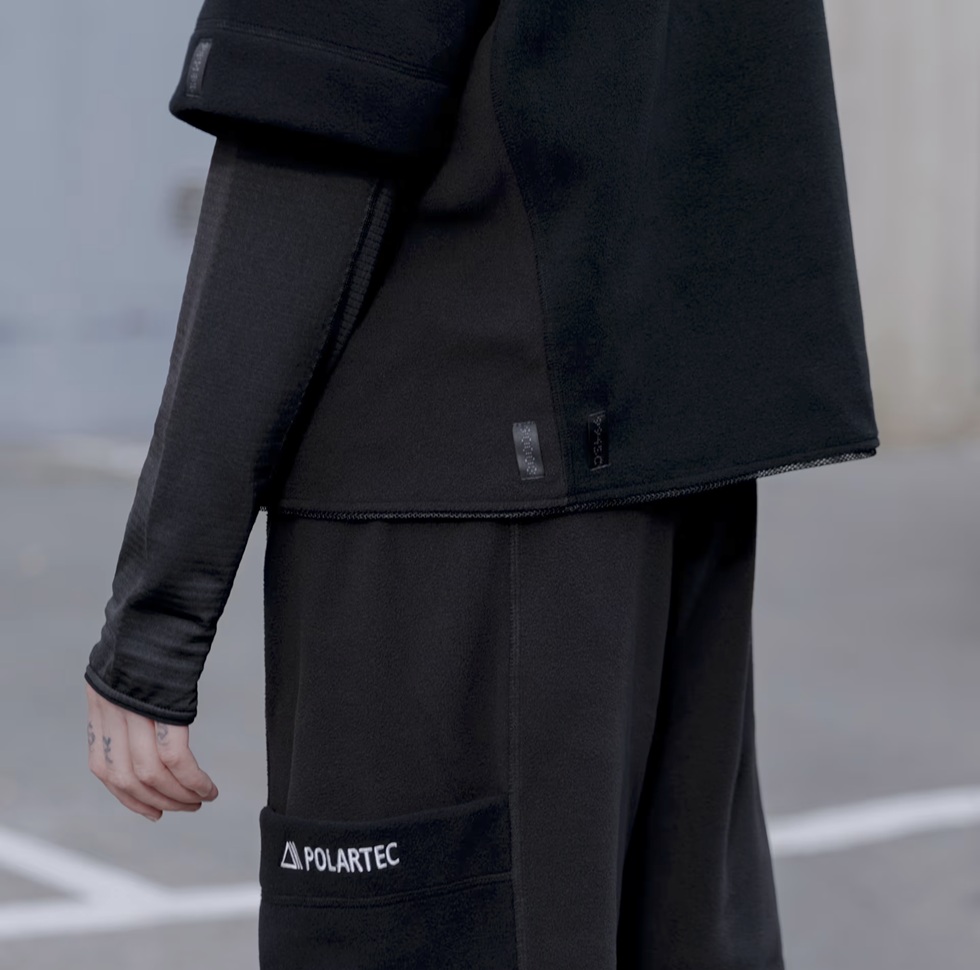
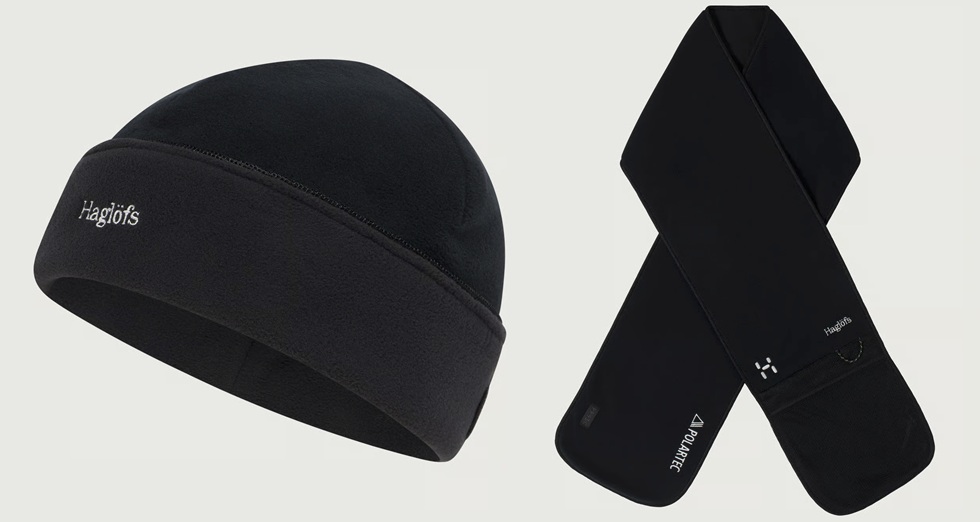
In early project phases, Haglöfs designed the Black Capsule collection—featuring a Project Tee, Beanie, Scarf, and Pant—assembled entirely from leftover black Polartec fleece variants. Every panel on these garments was stamped with a woven label displaying its original color batch number, visually demonstrating to consumers just how many distinct dye runs were previously required to produce minor, invisible variations within a single product category.
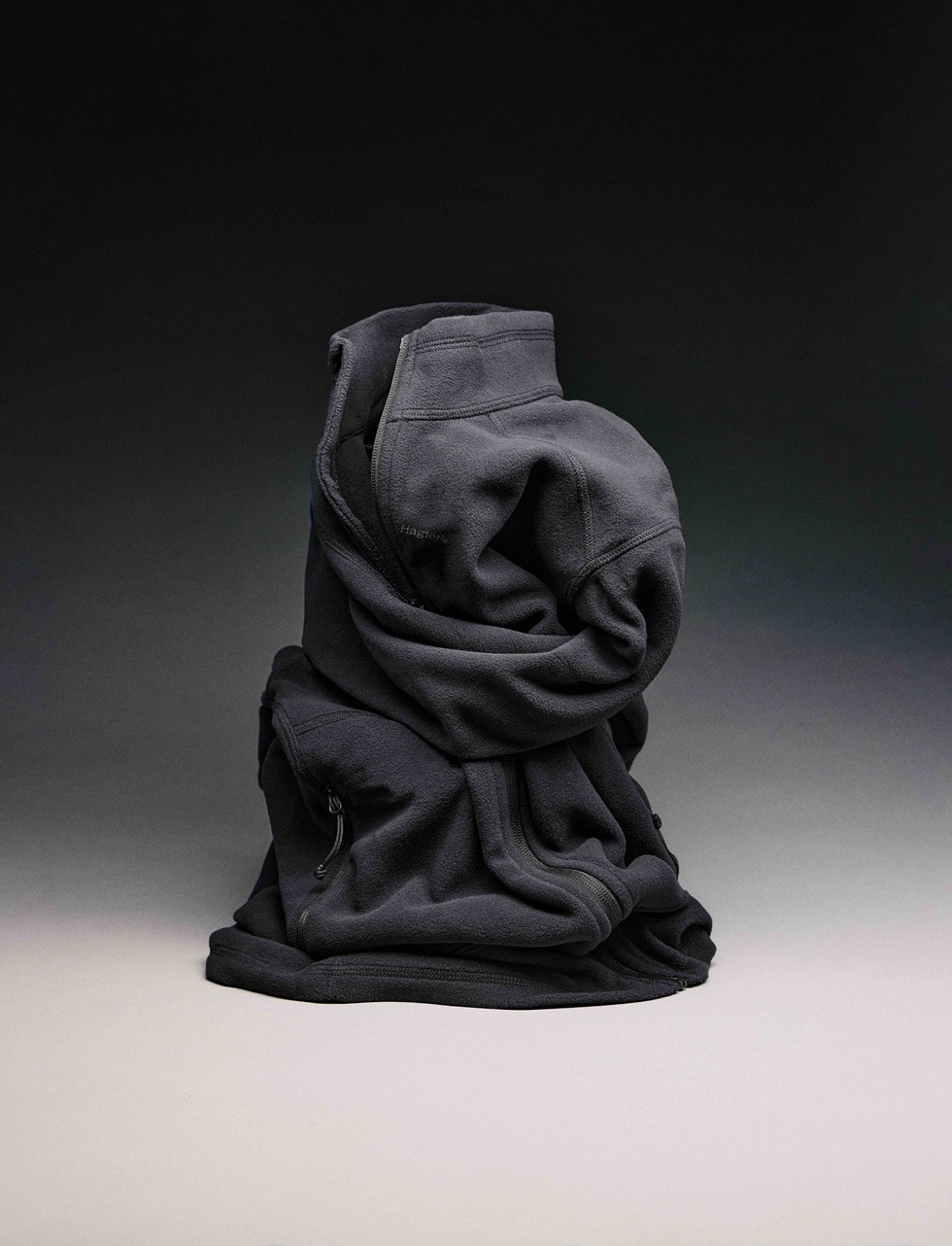
Moving from demonstration to large-scale execution, Haglöfs integrated the standardized fabric into its Fall/Winter 2026 production lines. Rather than relegating the initiative to a niche, limited-edition capsule that would appeal only to dedicated environmentalists, the brand chose to deploy it in a volume bestseller: the Buteo Mid II Jacket. By embedding the standardized black into a high-volume product, the initiative gained the mass required to generate measurable ecological dividends.
Quantifying the Impact of Batch Consolidation
The environmental arithmetic supporting Standard Issue Black relies on standard industrial chemistry principles. Consolidating dozens of fragmented, small-to-medium dye batches into massive, unified production runs yields compounding efficiency gains.
Internal production assessments conducted by Haglöfs indicate that shifting to a universally shared black yields over a 50% reduction in water usage and at least a 20% decrease in energy consumption compared to traditional piece-dyed black synthetic fabrics. While these figures are company-supplied rather than independently audited by a third-party scientific panel, the underlying chemical engineering logic remains sound. Batch consolidation eliminates redundant setup, cleaning, and chemical mixing cycles.
Crucially, the initiative avoids the traditional "green premium" dilemma—the persistent gap between consumer sustainability values and purchasing habits—because the operational economics of large-scale standardization are neutral to positive.
Addressing the Creativity Question
A frequent objection raised by apparel designers when discussing standardization is the fear of creative homogenization. If competing brands utilize the exact same shade of black, critics argue, product differentiation vanishes.
Industry leaders, however, argue that this concern misinterprets where outdoor apparel derives its distinct identity. Black has historically served as a neutral, reliable foundation rather than a primary tool for brand differentiation. Distinctiveness in technical outerwear is achieved through cut, construction, hardware, technical specifications, pocket placement, fit, trim details, branding, and seasonal accent colorways.
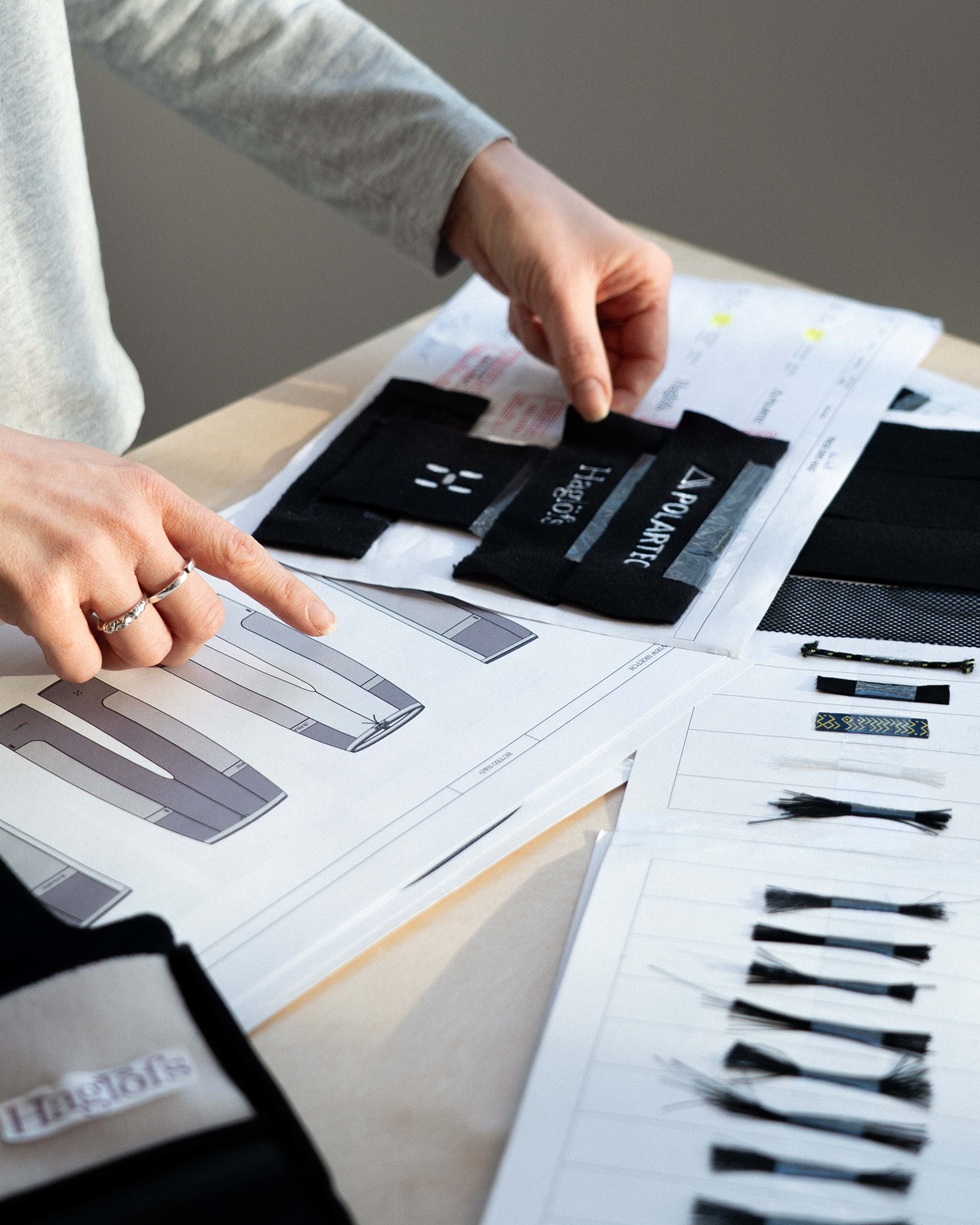
Eva Weiss, Head of Design and R&D at Haglöfs, addressed this creative concern directly during the rollout of the Buteo Mid II Jacket. Standardization, she noted, does not restrict creativity; rather, it provides a functional framework that allows brands to collaborate toward a greater impact. By establishing a single, pre-approved black, the design process is streamlined, freeing creative teams to focus their energy on structural innovation, material performance, and overall garment architecture.
Industry analysts frequently draw parallels to the fastener market. Decades ago, the outdoor and apparel industries largely standardized around high-performance zipper systems like YKK. The ubiquity of a single dominant zipper manufacturer did not stifle jacket design or curtail creativity; instead, it removed friction from a baseline mechanical component, allowing designers to concentrate on higher-order features. Standard Issue Black applies this exact philosophical framework to color specification.
Broader Industry Implications and the Road Ahead
Despite clear economic and environmental advantages, widespread adoption across the broader outdoor apparel sector remains uncertain. The textile industry possesses a long history of well-intentioned sustainability initiatives that struggled to scale due to institutional inertia.
The machine of global manufacturing continues running along established tracks because altering supply chains, renegotiating supplier relationships, and abandoning proprietary color standards requires operational shifts that can make corporate leadership uncomfortable. Similar systemic inertia has historically faced innovations such as waterless digital dyeing technologies, bio-synthetic material replacements, and eco-friendly membrane alternatives.
Initiatives like Standard Issue Black do not demand that brands halt their supply chains or compromise on product quality; instead, they ask companies to coordinate and do less of the redundant work that drives up ecological costs.
As the Buteo Mid II Jacket hits retail markets and consumer reception is measured, the outdoor industry faces a fundamental choice. Whether competing brands will look past legacy proprietary habits to adopt a shared standard will determine if projects like Standard Issue Black remain isolated progressive experiments or become the new baseline for responsible apparel manufacturing.