This development, first brought to light by reports from Bloomberg, suggests that the technology giant is looking to diversify its health and wellness portfolio by entering the specialized market for minimalist, continuous-monitoring wearables. While Apple has long dominated the smartwatch segment with the Apple Watch, the potential introduction of a screenless device indicates a strategic shift toward users who prioritize data collection and long-term health metrics over interactive, notification-heavy experiences.
The Shift Toward Minimalist Wearables
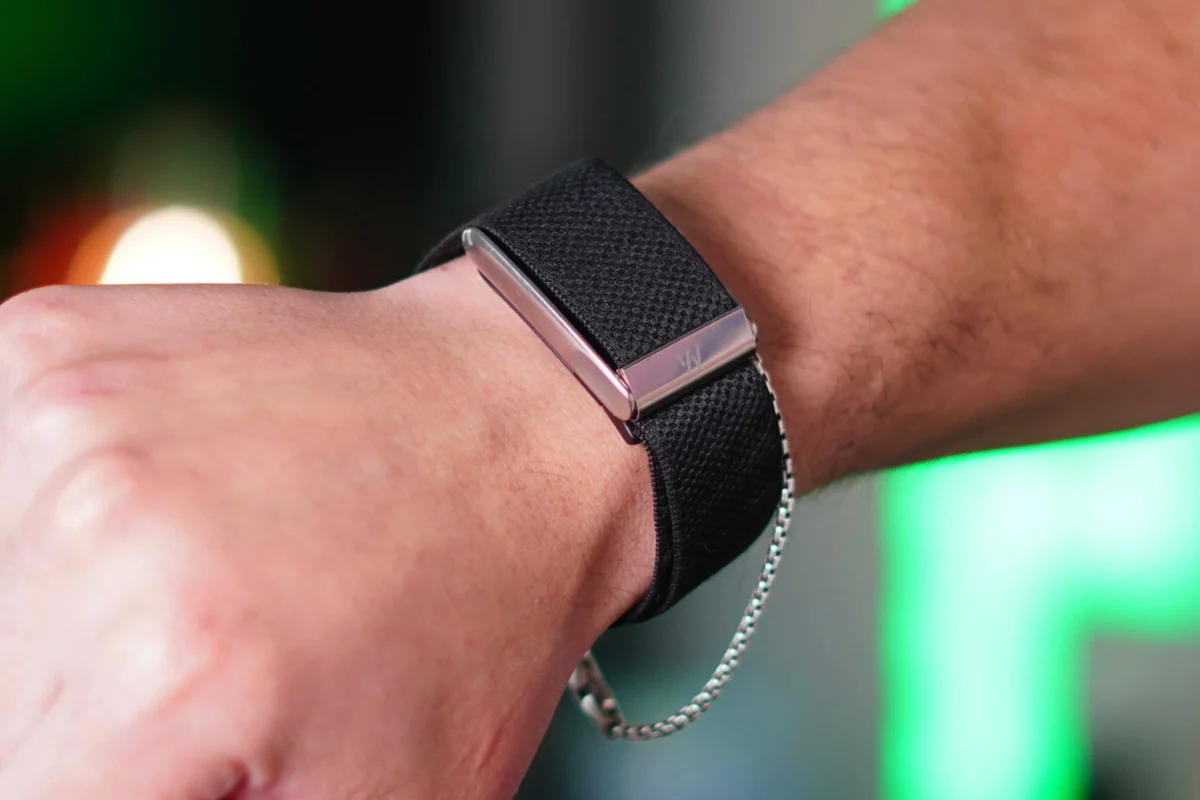
The proposed device is described in early reports as a thin fabric band equipped with a sophisticated sensor-laden computing module. Unlike the Apple Watch, which relies on a high-resolution display for real-time interaction and app management, this conceptual tracker is designed to operate primarily in the background. The core philosophy of this form factor, as popularized by companies like WHOOP, is to remove the "distraction layer" of modern technology, allowing users to focus on recovery, heart rate variability (HRV), and physiological stress without the constant pinging of emails or text messages.
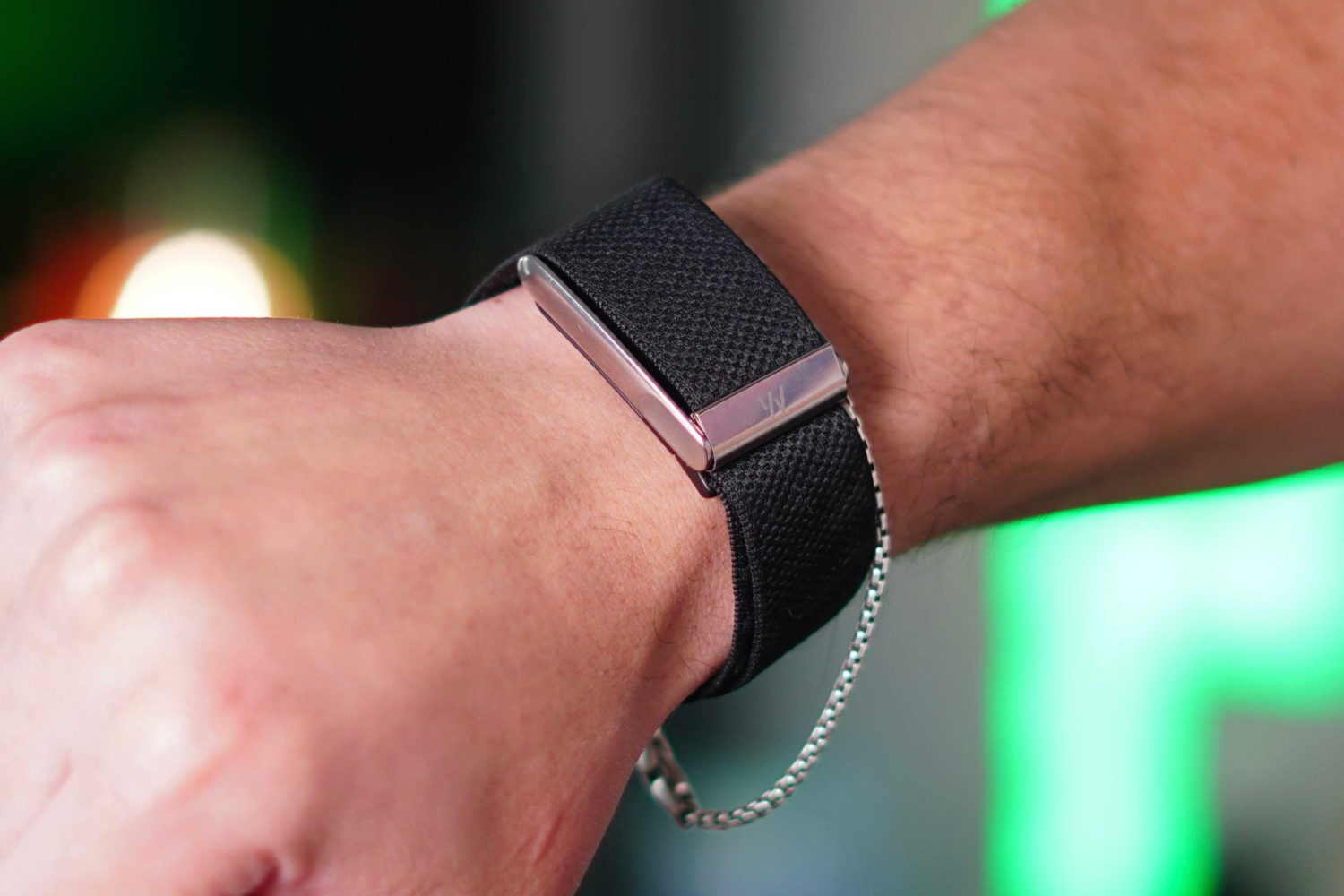
The industry has observed a growing trend toward "invisible tech." Consumers are increasingly concerned about digital fatigue, leading to a rise in demand for devices that collect data 24/7 without requiring active user engagement. By entering this space, Apple would be leveraging its existing health ecosystem—the Health app and Apple HealthKit—to provide a familiar backend experience for a device that physically departs from the company’s traditional wearable design language.
Chronology of Health-Focused Wearable Development
Apple’s interest in health monitoring is not a recent phenomenon. Since the release of the original Apple Watch in 2015, the company has consistently added medical-grade sensors, including optical heart rate monitors, ECG capabilities, blood oxygen sensors, and, more recently, temperature sensing and sleep apnea detection.
- 2015: Apple Watch launches with a primary focus on fitness tracking and notifications.
- 2018: Apple introduces the ECG app, marking a shift toward clinical-grade health diagnostics.
- 2020-2022: Competitors like WHOOP gain significant market share by emphasizing "recovery scores" over daily step counts, highlighting a gap in the market for screenless, high-autonomy devices.
- 2026 (Current): Reports emerge that Apple is in the early stages of designing a screenless tracker, with a projected market debut no earlier than 2028.
This timeline reflects a deliberate, multi-year progression. Apple typically spends years iterating on hardware prototypes, ensuring that the sensor accuracy meets the rigorous standards of its health-focused marketing campaigns. The rumored 2028 window provides Apple with the necessary runway to refine power efficiency, sensor miniaturization, and the integration of advanced biometric algorithms.
Market Analysis and Supporting Data
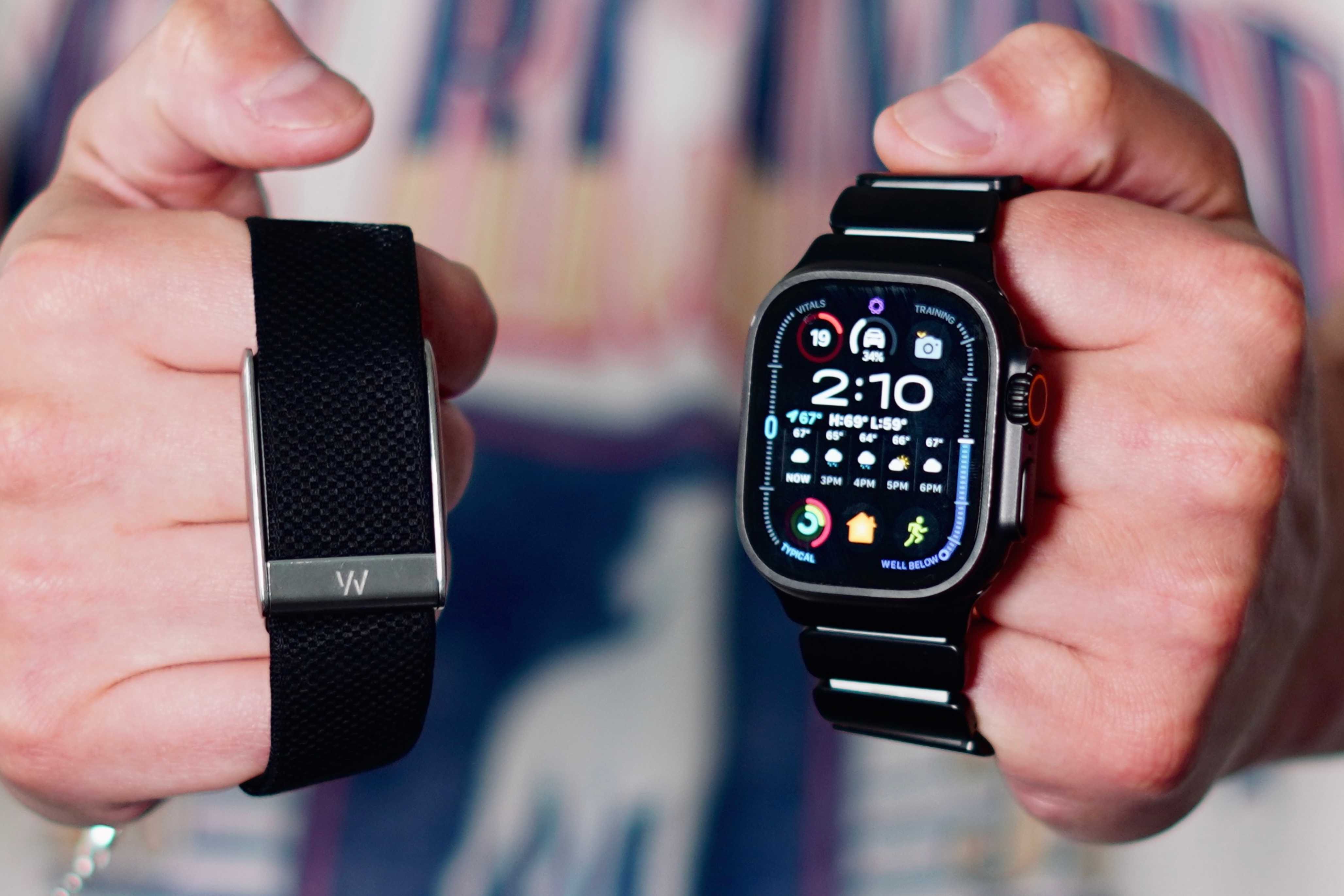
The fitness tracker market is currently bifurcated. On one side, there are smartwatches—like the Apple Watch, Samsung Galaxy Watch, and Garmin Venu—which function as extensions of the smartphone. On the other, there are screenless trackers like the WHOOP 4.0 or the Oura Ring, which focus exclusively on physiological data synthesis.
Data from the wearable tech sector suggests that battery life remains the primary pain point for consumers. Smartwatches often require daily charging due to their vibrant displays and cellular radios. In contrast, screenless trackers can often operate for five to seven days on a single charge. If Apple is to enter this space, its competitive advantage will likely depend on its ability to marry the long-term battery performance of a screenless device with the seamless, high-accuracy data synchronization of the Apple ecosystem.
Industry analysts note that Apple’s "walled garden" is a significant hurdle for current screenless trackers. While a WHOOP device must sync data to a smartphone app, the Apple Watch benefits from immediate, on-device processing. A screenless Apple device would likely rely on a refined "Health-first" firmware, possibly incorporating AI-driven classification models to automatically detect, categorize, and log physical activities without the user needing to manually initiate a workout session.

Addressing the Usability Gap
One of the primary challenges identified by users of screenless trackers is the lack of manual control. Currently, users of devices like the WHOOP are reliant on the device’s automatic detection algorithms. If a user forgets to start a workout, or if the device fails to categorize a specific movement pattern—such as weightlifting or a HIIT circuit—the user must retroactively edit the data on their phone.
For an Apple-branded screenless tracker to be successful, it would likely require an interface evolution. Experts suggest the inclusion of a "tactile trigger"—a discrete physical button or a touch-sensitive surface on the band—that would allow the user to signal the start and end of a workout session. An integrated LED or haptic feedback system could confirm that the device has successfully captured the intended duration of the exercise, effectively solving the "fiddling" issue that currently plagues non-screened wearables.
Broader Implications and Strategic Positioning
The potential entry of Apple into the screenless fitness market could have profound implications for the wearable tech industry.

- Market Expansion: Apple’s entry would likely legitimize the "screenless" category for a mainstream audience that has previously found existing specialized trackers too niche or expensive.
- Health Ecosystem Integration: By leveraging the existing Apple Health infrastructure, the device would offer a seamless transition for millions of iPhone users who already track their steps and heart rate but desire a more comfortable, unobtrusive form factor.
- Pressure on Competitors: Companies like WHOOP and Oura have built their brands on the absence of screens. If Apple introduces a device that offers comparable or superior data analytics within a more integrated ecosystem, these firms will face significant pressure to differentiate through specialized coaching, unique biometric insights, or more affordable subscription models.
Expert Outlook and Future Considerations
While the project remains in the early stages of development, the engineering challenges are significant. Miniaturizing the processing power required to run Apple’s advanced health algorithms into a thin, fabric-like band—while maintaining a multi-day battery life—is a complex task.
Furthermore, the price point will be a critical factor. Apple typically occupies the premium tier of the market. However, a screenless device without a display, a sophisticated processor, or a cellular radio might necessitate a lower entry point to remain competitive. Should the company choose to bundle the device with its existing Apple Fitness+ subscription service, it could create a recurring revenue model that offsets the lower hardware margin.
Ultimately, the goal of this rumored device is to move health tracking into the background of a user’s life. By eliminating the screen, Apple is signaling that it views the future of fitness technology not just as a distraction-filled extension of the phone, but as a silent, intelligent partner in personal health optimization. Whether this device will succeed in replacing the traditional smartwatch for power users remains to be seen, but its arrival would mark a fundamental shift in how the world’s most valuable technology company approaches the intersection of human physiology and digital utility.