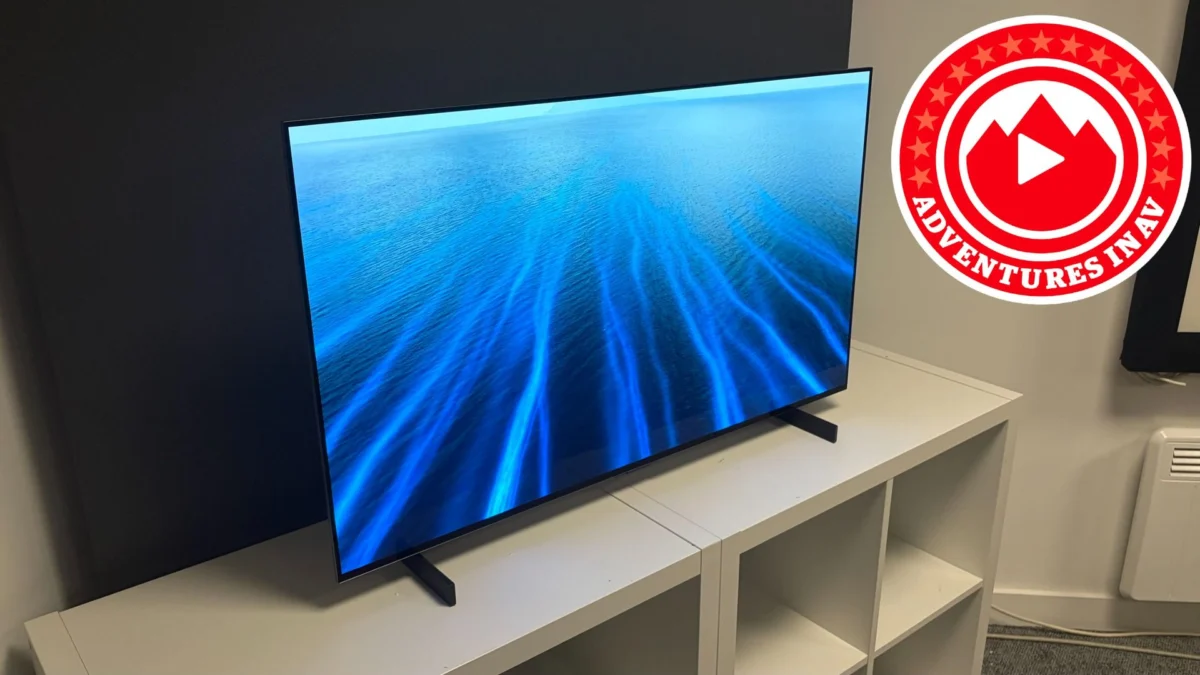
The rapid advancement of Organic Light-Emitting Diode (OLED) technology has fundamentally reshaped the landscape of home cinema and high-end gaming displays. As the industry approaches the 2026 What Hi-Fi? Awards, the evaluation of compact OLED televisions—specifically those in the 42-inch and 48-inch categories—has emerged as a focal point for display technology experts. These smaller form factors, once considered niche alternatives to expansive 65-inch and 77-inch panels, have matured into high-performance displays that offer superior pixel density and technical precision, making them increasingly relevant for both desktop computing and immersive home cinema setups.
The Technological Trajectory of Small-Format OLEDs
The commercial introduction of sub-55-inch OLED panels marked a significant shift in manufacturing priorities. Historically, OLED production was optimized for larger living room displays, where the sheer scale of the screen was the primary selling point. However, the introduction of the LG C2 series served as a catalyst, demonstrating that premium picture quality—defined by perfect black levels, infinite contrast, and wide viewing angles—could be effectively scaled down without compromising the technical integrity of the panel.
Over the past four years, manufacturers including LG, Samsung, and Panasonic have iteratively refined their compact offerings. The transition from the C2 to the current C6 generation of LG panels reflects a consistent improvement in peak brightness, spectral purity, and motion processing. By maintaining the same processing architecture found in their larger counterparts, these 42-inch and 48-inch models effectively function as high-fidelity monitors that support advanced gaming features, such as Variable Refresh Rate (VRR), Auto Low Latency Mode (ALLM), and HDMI 2.1 bandwidth for 4K/120Hz playback.
Comparative Analysis: The 2026 Testing Cycle
The current evaluation phase for the 2026 awards cycle has highlighted a convergence in performance between the 42-inch and 48-inch segments. During rigorous laboratory testing, the 42-inch LG C6 and the equivalent 48-inch Samsung S90H models have demonstrated an unprecedented level of parity.
One of the primary technical advantages inherent in these smaller panels is pixel density. By packing the same 4K resolution (3840 x 2160 pixels) into a smaller surface area, the screens achieve a higher pixel-per-inch (PPI) count. This results in superior perceived sharpness and text clarity when the displays are used in a near-field, desktop-oriented environment. For competitive gamers and AV enthusiasts, this density translates to a more refined image that reduces the visibility of individual pixels, creating a more cohesive, film-like aesthetic.
Furthermore, the 2026 iterations have addressed previous criticisms regarding color volume and peak luminance. While early compact OLEDs were often criticized for being dimmer than their larger siblings due to heat dissipation constraints and power supply limitations, the latest panels have utilized improved heat-management algorithms and more efficient emitter materials. Consequently, the 48-inch C6 exhibits a "brighter, richer and more refined" output compared to the C5 series, indicating that engineers have successfully optimized the power-to-surface-area ratio.
Market Context and Consumer Adoption Trends
The shift toward smaller, high-end displays is not merely a technical trend; it is a response to changing consumer living habits. With urban living spaces becoming increasingly compact, the demand for "space-efficient" premium hardware has spiked. Industry analysts suggest that the crossover between the professional monitor market and the consumer television market is at an all-time high.
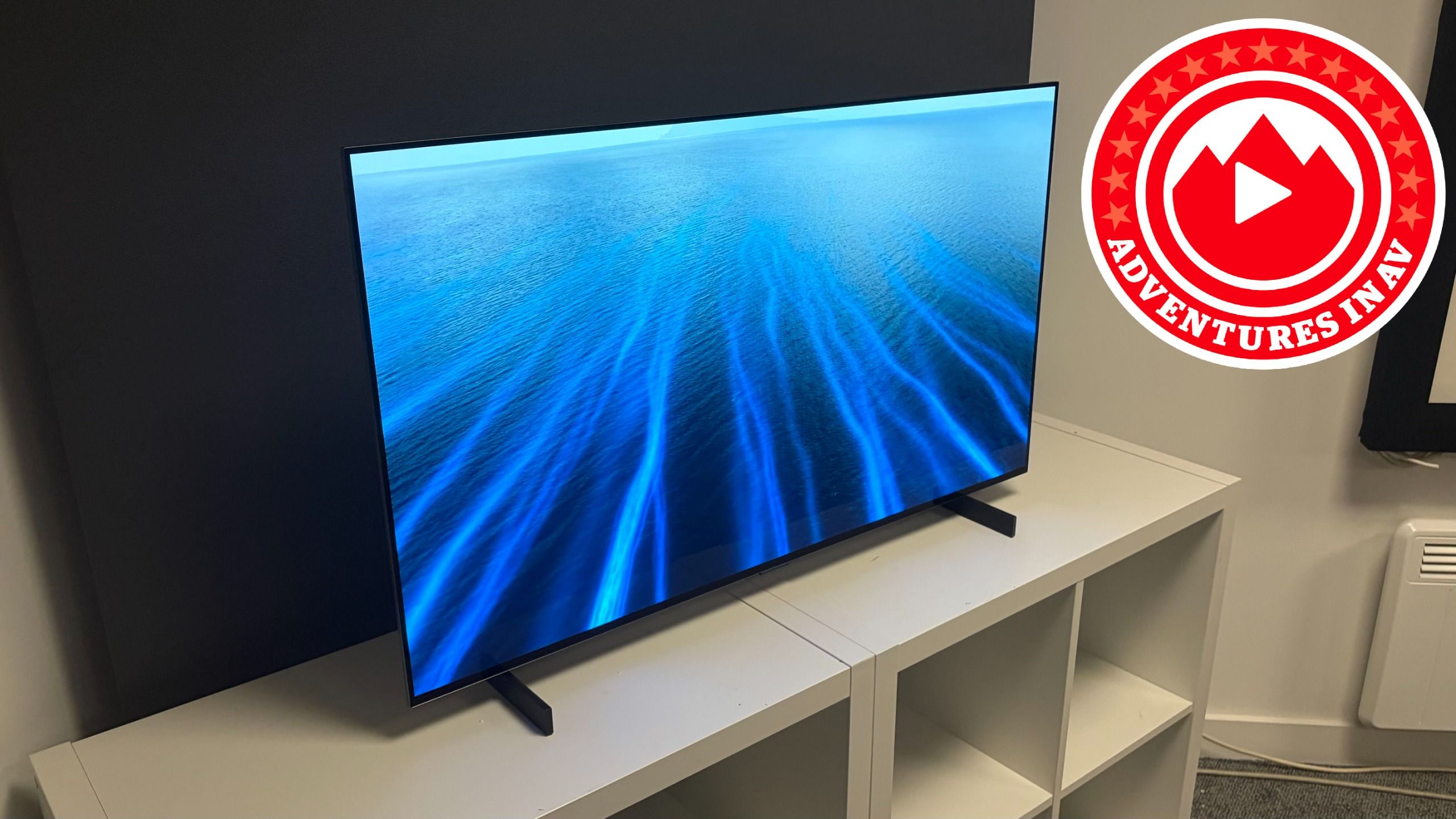
Historically, consumers were forced to choose between the color accuracy of a professional computer monitor and the dynamic range of a television. The current generation of 42-inch OLEDs effectively bridges this gap. By offering a high-performance display that can serve as a primary screen for a gaming console, a PC, and a streaming media hub, these TVs provide a multi-purpose utility that justifies their premium price points.
Despite this utility, market data indicates that the "purchase trigger" remains price-sensitive. While Black Friday and other seasonal promotional events have historically served as the primary inflection points for consumer adoption, the sustained pricing of these units has remained higher than standard LED-based counterparts. This suggests that the value proposition of these TVs is tied less to mass-market affordability and more to the niche appeal of "enthusiast-grade" technology.
Implications for Gaming and Interactive Media
The gaming sector, in particular, has driven significant demand for high-refresh-rate, low-latency OLED displays. With upcoming releases such as the latest installments of the Call of Duty and Grand Theft Auto franchises, the requirement for hardware that can keep pace with high-frame-rate rendering has never been greater.
The integration of advanced gaming-specific features in the LG C6 and Samsung S90H series is indicative of a broader industry trend where manufacturers prioritize the "gamer" as a primary demographic. The low input lag and instantaneous response times inherent in OLED technology provide a tangible advantage in high-speed, competitive gaming environments. When paired with the HDR (High Dynamic Range) capabilities of these panels, the result is an immersive experience that was, until recently, difficult to achieve outside of high-end, dedicated gaming monitors.
Future Outlook and Industry Projections
As we look toward the remainder of the 2026 calendar, the maturation of these compact OLEDs presents an interesting challenge for the display industry. The question arises: can these TVs continue to push the boundaries of performance without significantly increasing their physical footprint?
Evidence from the current testing cycle suggests that the focus is shifting from raw size to software-defined picture enhancement. AI-driven upscaling, machine learning-based motion interpolation, and advanced tone mapping are becoming the key differentiators between competing models. These software enhancements allow the hardware to "punch above its weight class," ensuring that even a 42-inch screen can deliver a cinematic experience that rivals larger, more expensive panels.
In summary, the compact OLED market has evolved from a secondary category into a primary battleground for display technology. By delivering consistent, high-fidelity results in a versatile form factor, the latest models from major manufacturers are setting a new standard for what consumers should expect from their home entertainment setups. As the industry continues to refine these technologies, the boundary between the "living room TV" and the "personal display" will likely continue to blur, offering consumers greater flexibility and higher performance across all aspects of their digital lives.
Summary of Findings
- Pixel Density Advantage: The smaller screen sizes of 42-inch and 48-inch OLEDs provide a higher pixel density, which enhances image clarity and text sharpness for near-field viewing.
- Technical Parity: Modern compact OLEDs, such as the LG C6 and Samsung S90H, have achieved performance levels that largely mirror their larger 65-inch counterparts, effectively eliminating the "compromise" previously associated with smaller units.
- Gaming Integration: The incorporation of HDMI 2.1, VRR, and low-latency modes has positioned these TVs as dual-purpose devices, suitable for both cinematic viewing and high-performance gaming.
- Market Evolution: The success of these models is driven by a combination of urban space constraints and the demand for versatile, high-end display hardware that serves multiple user needs.
- Future Trends: Ongoing improvements in heat management and AI-based image processing are expected to further bridge the gap between compact panels and their larger, more powerful predecessors.
The conclusion of the 2026 What Hi-Fi? judging process will ultimately clarify which of these units stands at the pinnacle of current display engineering. However, the current consensus is clear: the era of the "small screen compromise" has come to an end, replaced by a new standard of compact, high-performance visual excellence.