The open-source smart home ecosystem has officially rolled out its latest major software iteration, Home Assistant 2026.9, bringing sweeping updates designed to bridge the gap between complex industrial protocols and user-friendly automation interfaces. Headlined by a complete modernization of Modbus connectivity, enhanced privacy-centric voice processing capabilities, and advanced visualization tools for Matter network architectures, this release marks another significant milestone for the Open Home Foundation and its commercial partner, Nabu Casa. As smart home adoption continues to accelerate globally, the latest update focuses heavily on removing technical barriers that have historically restricted advanced hardware integration, while simultaneously improving accessibility, dashboard responsiveness, and system security.
Background Context and Industry Implications
Home Assistant has evolved from a niche hobbyist tool into a premier platform for local, privacy-first smart home automation. Driven by the Open Home Foundation—an organization dedicated to ensuring the smart home remains open, private, and secure—releases are pushed on a rigorous monthly schedule. The 2026.9 update arrives at a critical juncture in the consumer IoT (Internet of Things) market, where interoperability and local control are increasingly prioritized by consumers wary of cloud-dependent ecosystems.
Historically, integrating heavy infrastructure hardware such as solar inverters, commercial-grade heat pumps, and precision energy meters required advanced technical proficiency. Users frequently had to resort to manually mapping register values using YAML configuration files—a steep learning curve that alienated a substantial portion of the consumer base. By tackling these long-standing infrastructural limitations, Home Assistant 2026.9 aims to democratize access to renewable energy tracking and localized climate control systems, aligning with broader global trends toward residential energy independence.
Modernizing Modbus: Bringing Industrial Protocols to the UI
Arguably the most technically significant change in the 2026.9 release is the overhaul of Modbus support. Previously relegated to manual YAML scripting, Modbus devices can now be integrated directly through the standard graphical user interface. This modernization effort establishes a shared connection framework, preventing multiple integrations from conflicting over the same bus topology.
Initial implementations of this updated architecture include native support for Fronius solar inverters via Modbus TCP (SunSpec), which exposes granular per-string metrics—such as current, voltage, power, and lifetime energy for each Maximum Power Point (MPP) tracker—details previously omitted by the local HTTP API. Additional native integrations for Sofar Inverter Modbus and Flexit ventilation systems follow the same paradigm. Under the hood, these capabilities are powered by tmodbus, a fully typed, modern Python library designed to ensure stable communication. This architectural shift significantly lowers the threshold for homeowners seeking to monitor and optimize complex energy generation and HVAC systems.
Cloud Voice Processing and Multilingual Enhancements
Home Assistant 2026.9 also introduces significant upgrades to its private voice assistant ecosystem, specifically targeting pain points associated with accent variability, ambient environmental noise, and non-English primary languages. Utilizing a newly integrated speech-to-text engine provided by Soniox through Home Assistant Cloud and Nabu Casa, the platform offers enhanced processing accuracy while maintaining strict local privacy guarantees—ensuring audio data is never logged, stored, or utilized for third-party machine learning training.
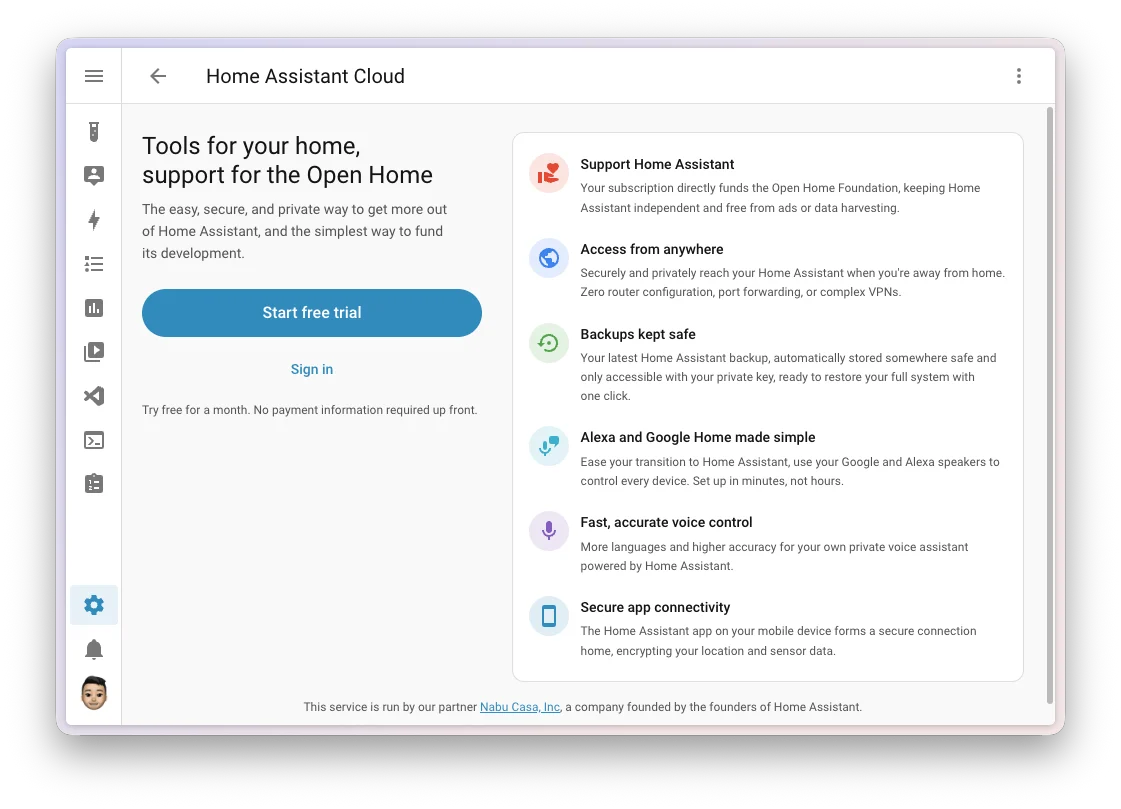
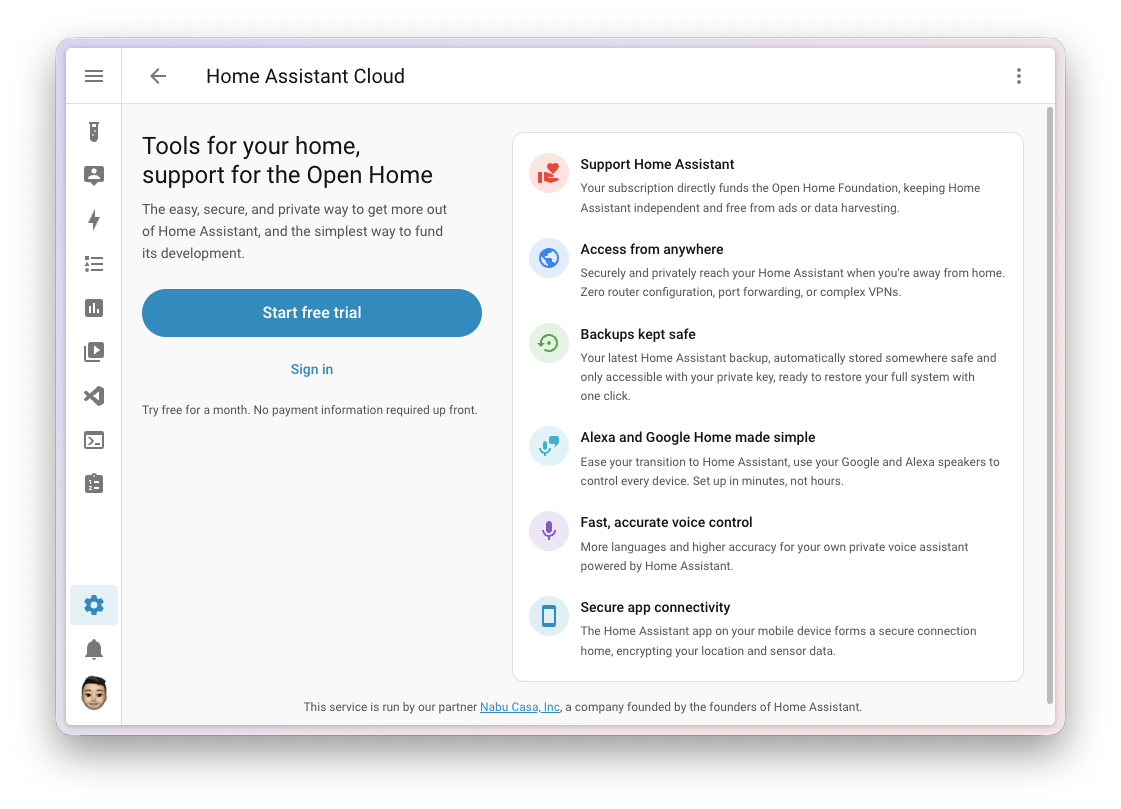
Subscribers can immediately test the new processing engine by navigating to the Labs section within system settings. This update represents an ongoing effort by developers to match or exceed the conversational capabilities of mainstream commercial smart speakers while preserving the core tenets of local data sovereignty and user privacy. Furthermore, the sign-up flow for Home Assistant Cloud has been streamlined, featuring transparent feature overviews and immediate session authentication upon email verification.
Security Dashboard Upgrades and Network Mapping
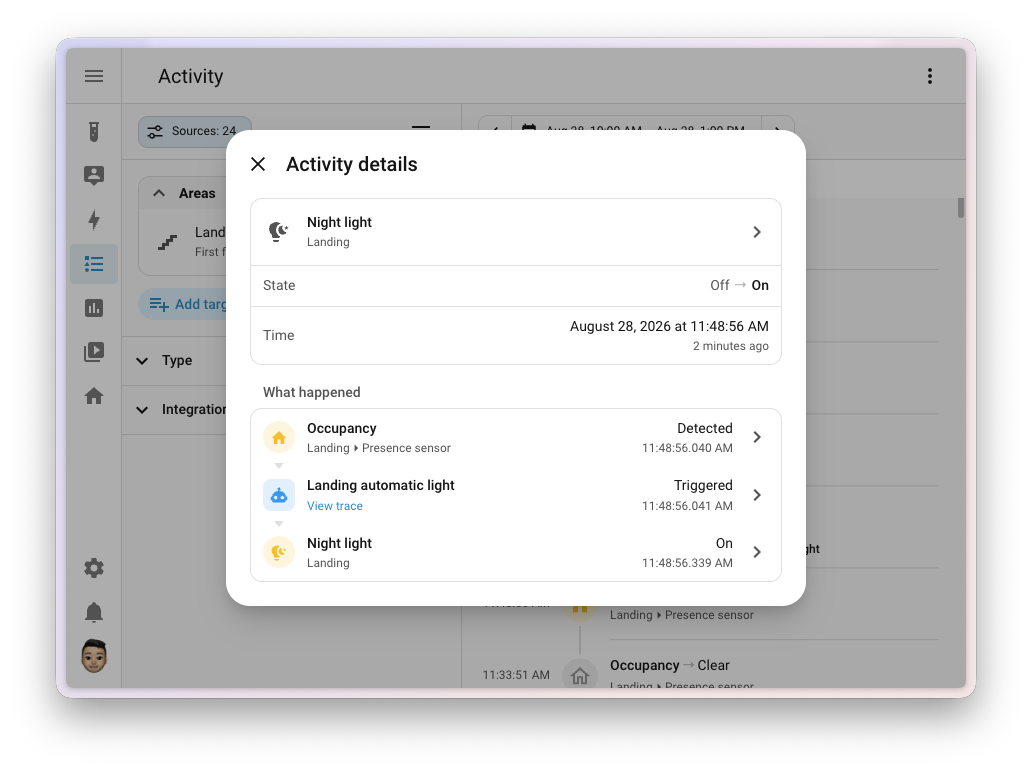
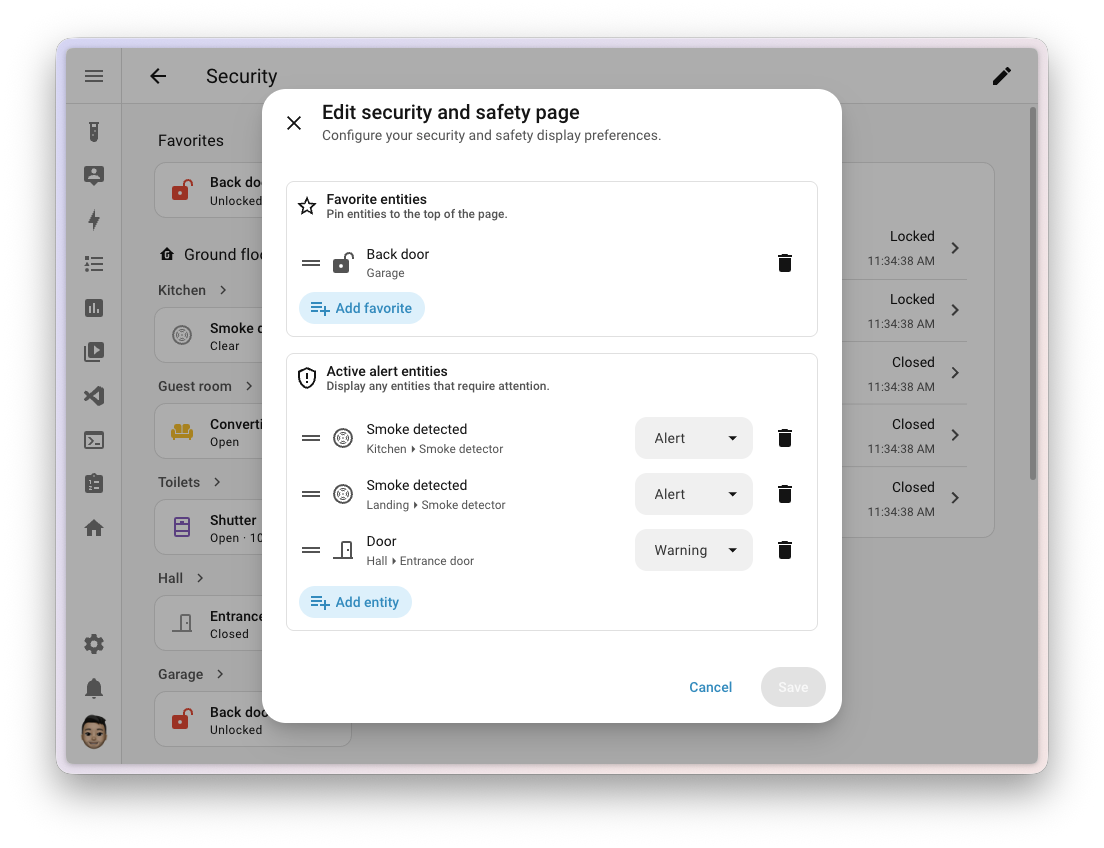
Security monitoring and device oversight receive substantial enhancements in this release, driven largely by community-designed proposals submitted through the Open Home Foundation roadmap. The built-in Security dashboard now features dedicated sections for active alerts and favorite entities. The active alert module dynamically surfaces critical notifications—such as open entry points or triggered smoke detectors—categorized by severity levels (Alert versus Warning) complete with distinct visual indicators and animations.
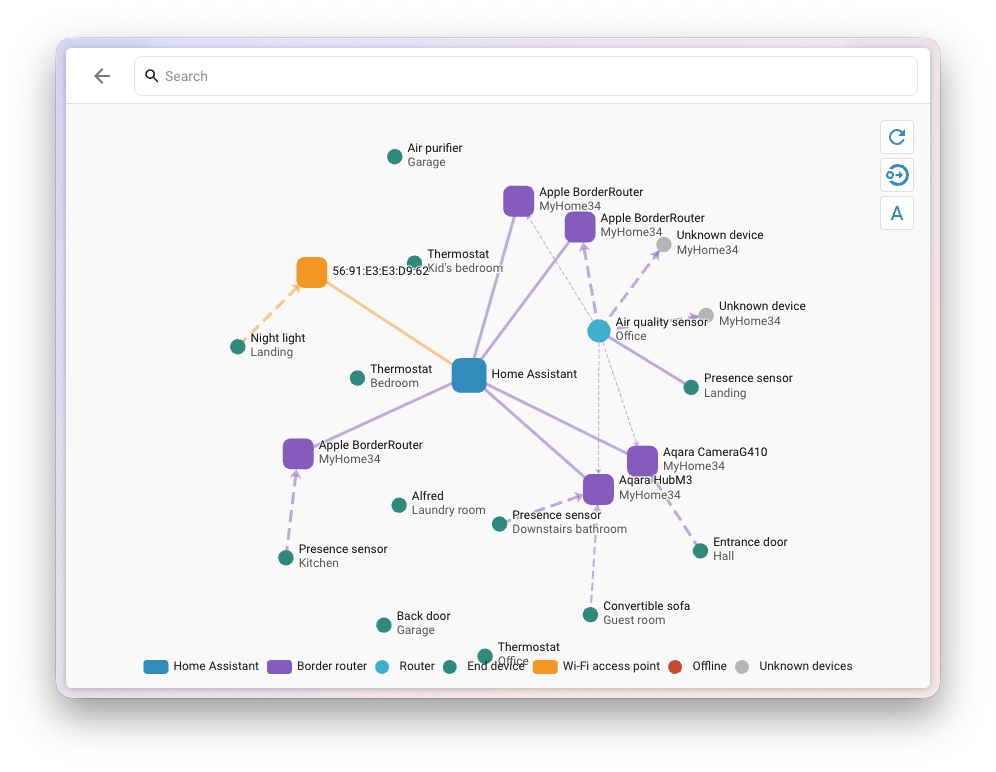
Concurrently, Matter network topology finally receives first-class visualization support. Mirroring the established mapping tools available for Zigbee, Z-Wave, and Bluetooth, the Matter panel now includes a comprehensive network graph. This tool delineates communication pathways across Thread mesh networks and Wi-Fi access points, distinguishing between battery-powered end devices, active routers, and Thread border routers. By utilizing recognizable network hostnames and link-quality metrics, administrators can diagnose connectivity bottlenecks with unprecedented precision.
Accessibility and Data Visualization Improvements
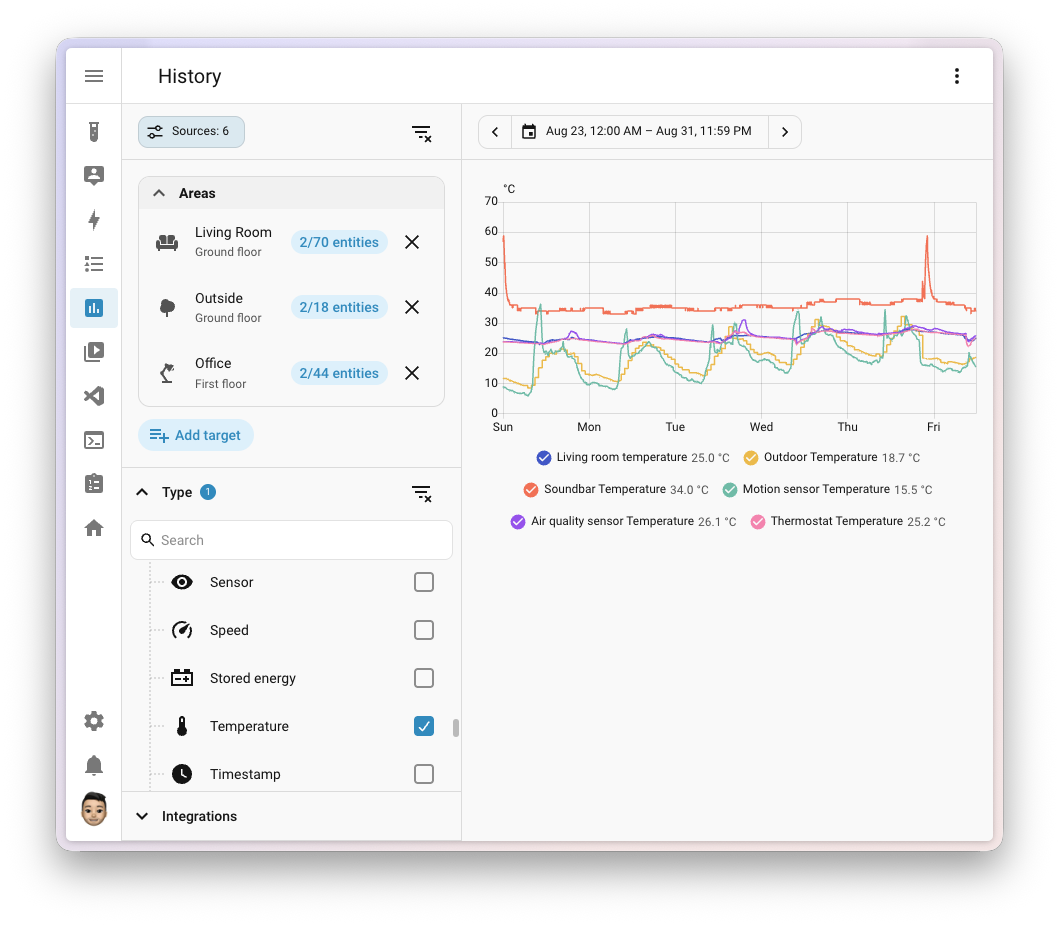
In line with the Open Home Foundation’s ongoing commitment to universal design, Home Assistant 2026.9 introduces revolutionary accessibility features for data charts. Historically, graphical representations of historical sensor data were inaccessible to users relying on screen readers or keyboard navigation.
The 2026.9 update transforms standard line and bar charts into fully interactive, accessible elements. Users can navigate data points sequentially using keyboard arrow keys, prompting a live screen reader announcement of precise timestamps and numerical values. Moreover, the platform integrates sonification—playing short tonal variations that rise and fall in pitch alongside the underlying data trends. This auditory feedback allows users to perceive overarching statistical trends and anomalies dynamically, setting a new benchmark for software accessibility in the home automation sector.
Expanded Integrations and Technical Maintenance
Beyond major feature additions, the release incorporates 13 new native integrations, alongside robust quality scale achievements for existing modules. The update also establishes dedicated management panels under system connectivity settings for Serial ports and MQTT broker management, centralizing hardware diagnostics and real-time packet publishing tools.
As with any major software iteration, version 2026.9 includes several backward-incompatible changes designed to secure and streamline the core architecture. Notably, updates to entities such as Flexit Nordic, KNX, LLM APIs, and UniFi Protect require careful review by administrators prior to deployment. Advanced actions within the Update and Z-Wave JS integrations have been restricted exclusively to administrator accounts to reinforce security posture.
Community Engagement and Future Outlook
Home Assistant 2026.9 is available immediately for deployment, with weekly patch releases scheduled throughout September to address emerging bug reports. Concurrent with the software launch, representatives from the Open Home Foundation are showcasing the platform at IFA Berlin 2026, engaging directly with consumer electronics manufacturers and the broader smart home community.
As the platform matures, the combination of industrial-grade protocol modernization, advanced accessibility, and uncompromising privacy standards ensures that Home Assistant remains the undisputed leader in open-source home automation. Users are encouraged to consult the official documentation and community forums for detailed migration guides and troubleshooting support as they transition to the 2026.9 release cycle.