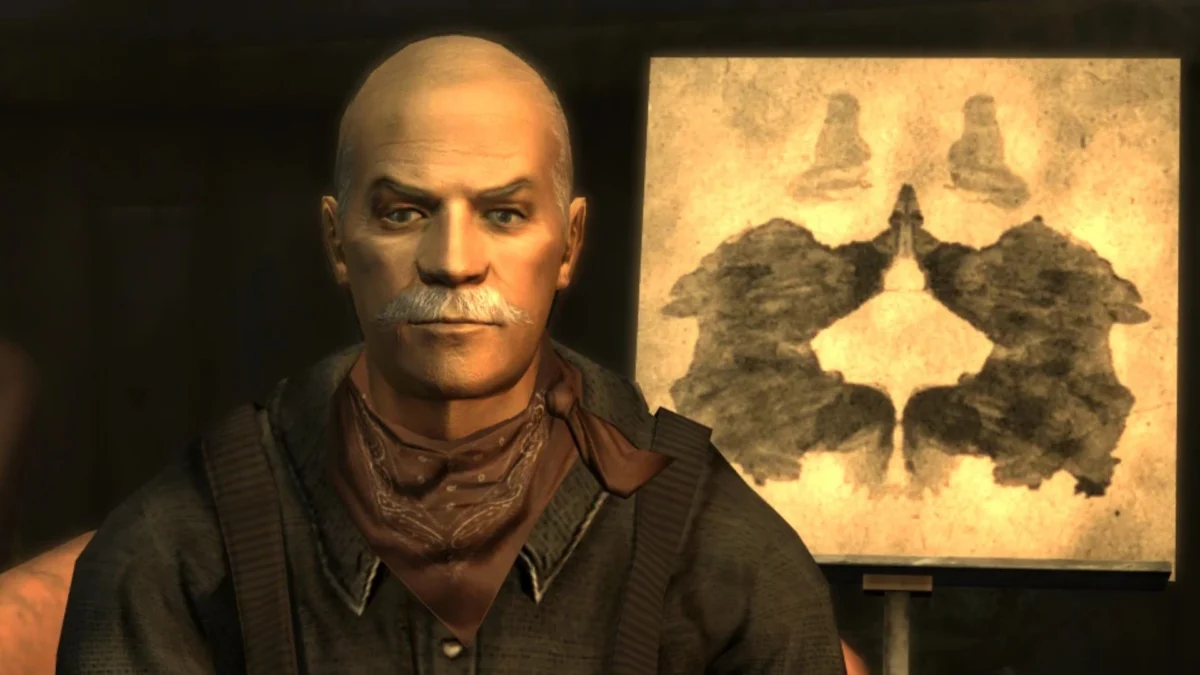
The history of open-world role-playing games is defined by two major pillars: Bethesda Game Studios and Obsidian Entertainment. For over a decade, a persistent narrative has circulated among the gaming community regarding the "Fallout: New Vegas" phenomenon—a title developed by Obsidian under a compressed timeframe that many critics and fans consider the pinnacle of the modern Fallout series. This cultural legacy has fueled years of speculation as to why a similar arrangement was never extended to "The Elder Scrolls" franchise. Recent insights from former Bethesda designer Kurt Kuhlmann suggest that the decision to keep the series internal is rooted in a desire for creative control and the strategic expansion of the brand through other avenues.
The New Vegas Precedent and Its Aftermath
Released in 2010, "Fallout: New Vegas" was born out of a unique licensing agreement between Bethesda Softworks and Obsidian Entertainment, a studio founded by former Black Isle Studios developers who had worked on the original isometric Fallout games. The project was completed in just 18 months. While it was a critical success, its reception created a persistent friction in the public discourse. A vocal segment of the player base began to champion Obsidian as the "true" steward of the Fallout intellectual property, frequently comparing the writing, branching narrative depth, and mechanical complexity of "New Vegas" favorably against Bethesda’s in-house efforts, such as "Fallout 3" and "Fallout 4."
According to Kurt Kuhlmann, speaking on the FRVR Podcast, this dynamic created an atmosphere that Bethesda, and specifically Todd Howard, felt was counterproductive to the long-term vision of their flagship properties. The perception that Bethesda was "outclassed" by its peers at Obsidian became a recurring theme in online forums and social media. For an executive like Howard, who has been the face and creative director of the series since the transition to 3D, this perception presented a challenge. The desire to maintain a singular, cohesive vision for "The Elder Scrolls" became a priority, effectively insulating the franchise from the external, spin-off model that had been utilized for Fallout.
The Role of Elder Scrolls Online as a Strategic Pivot
The emergence of "The Elder Scrolls Online" (ESO), developed by ZeniMax Online Studios, served as a significant buffer in this corporate strategy. By the time the debate over "spin-off games" reached its peak, ESO had already begun to capture a massive segment of the player base.
Kuhlmann noted that the ongoing, live-service nature of ESO allowed Bethesda to satisfy the market’s hunger for more content within the Tamriel setting without delegating the core single-player experience to an external studio. For many players, especially those who entered the franchise post-2014, ESO became their primary point of contact with the series. This shift allowed Bethesda to claim that they were, in fact, providing "new" Elder Scrolls experiences, thereby neutralizing the argument that the series was stagnant or that it required a third-party partner to innovate.
Chronology of Franchise Development
To understand why Bethesda maintains such a protective stance, it is necessary to look at the developmental timeline of these two series:
- 2002: "The Elder Scrolls III: Morrowind" establishes the modern Bethesda formula.
- 2006: "The Elder Scrolls IV: Oblivion" brings the series to a massive mainstream audience.
- 2008: "Fallout 3" marks Bethesda’s acquisition and transition of the Fallout franchise.
- 2010: "Fallout: New Vegas" is released; the "Obsidian vs. Bethesda" narrative begins to solidify.
- 2011: "The Elder Scrolls V: Skyrim" becomes a cultural phenomenon, cementing Bethesda’s proprietary approach to open-world design.
- 2014: "The Elder Scrolls Online" launches, providing a continuous, service-based model for the series.
- 2015-Present: Bethesda focuses on internal development for "Fallout 4," "Fallout 76," and "Starfield," while the main Elder Scrolls title ("The Elder Scrolls VI") remains in long-term production.
Fact-Based Analysis: The "Protective" Stance
Critics often interpret Bethesda’s refusal to outsource their IPs as an indicator of insecurity or a lack of confidence in their own creative output. However, industry analysis suggests a more pragmatic rationale. Managing an intellectual property as vast and interconnected as "The Elder Scrolls" requires a level of brand consistency that is difficult to maintain across different development cultures.
Bethesda’s internal philosophy prioritizes the "Bethesda Game Studios" identity—a specific type of sandbox exploration that relies heavily on internal tools, engine iteration, and a unified vision of world-building. Outsourcing a title risks diluting that identity. By keeping the development in-house, Howard and his team ensure that every entry, whether it is a sequel or a technical expansion, conforms to the specific aesthetic and mechanical standards that the studio has spent decades cultivating.
The Reality of Modern Studio Dynamics
The broader gaming industry has undergone seismic shifts since the days of the "New Vegas" deal. The landscape is now dominated by massive studio acquisitions and the consolidation of resources under parent companies like Microsoft (which acquired ZeniMax Media in 2021).
The idea of "giving" an IP to a studio like Obsidian—now also owned by Microsoft—is a more complex bureaucratic maneuver than it was in 2010. While the two studios are now sister companies, the internal corporate structures, project timelines, and resource allocations are dictated by broader organizational goals. The "monkey’s paw" scenario, as described by industry observers, is that even when fans get what they want—such as the recent expansion of the Fallout brand—the realities of modern industry layoffs and the pressure for constant, profitable output make these projects fraught with risk.
Implications for the Future of Elder Scrolls
Looking ahead, the insistence on keeping "The Elder Scrolls" internal suggests that the series will continue to evolve according to Bethesda’s own internal pace. With "The Elder Scrolls VI" currently in development, the studio is under intense pressure to satisfy a fanbase that has been waiting over a decade for a single-player follow-up to "Skyrim."

The decision to avoid a spin-off model for this specific franchise is not merely a sign of protectiveness; it is a strategic choice to ensure that the brand remains under the direct control of the creators who defined it. While the debate over whether an external studio could provide a "better" experience will likely continue as long as the series exists, Bethesda’s current trajectory indicates that they are more interested in perfecting their own proprietary formula than in inviting external influence to reshape the world of Tamriel.
Ultimately, the friction between the Obsidian-style RPG and the Bethesda-style sandbox is a testament to the success of both approaches. By remaining protective of their flagship, Bethesda is ensuring that the "Elder Scrolls" experience remains, for better or worse, entirely theirs. As the industry moves toward further consolidation, this commitment to internal control will remain the defining characteristic of Bethesda’s output for the foreseeable future.